

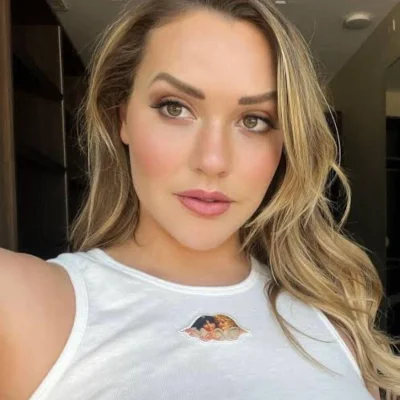
Olivia Jane Whitmore — Voice of Intergenerational Memory and American Emotional History
Country: USA Language: English
Olivia Jane Whitmore is an American memoirist and narrative nonfiction author whose work is published through LIBINC. She is widely recognized for her emotionally precise and structurally layered memoirs that explore intergenerational trauma, family memory, and the long psychological echoes of personal history within American society.
Whitmore’s literary mission is rooted in a core belief: family memory is not a private archive but a living historical system that shapes identity across generations. Her writing transforms intimate recollection into structured narrative testimony, bridging psychology, cultural history, and lived experience.
Early Years and Formation of Style
Olivia Jane Whitmore was born in 1978 in Minneapolis, Minnesota, into a family where storytelling and emotional reflection were central to everyday life. Her father worked as a community health physician, while her mother was a literature teacher specializing in American modernist writing.
From an early age, Whitmore was exposed to both clinical perspectives on human vulnerability and literary explorations of emotional complexity. This dual influence shaped her lifelong interest in how personal suffering is interpreted, remembered, and transmitted across generations.
As a child, she began recording family conversations, later comparing them with her own written recollections. She noticed early that memory was inconsistent—not because people were dishonest, but because emotional states reshaped perception over time.
By adolescence, Whitmore had begun writing structured memoir fragments combining diary entries, reconstructed dialogue, and reflective commentary. Her early work already showed the defining features of her later style: layered temporality, emotional precision, and narrative fragmentation that reflects the instability of memory itself.
Academic Background and Education
Whitmore studied at Brown University, where she majored in Comparative Literature and Cultural Psychology. Her undergraduate research focused on narrative identity formation and the role of memory in shaping self-perception.
She later pursued graduate studies at Stanford University, earning a PhD in Narrative Psychology and Memoir Studies. Her dissertation, “Inherited Silence: The Transmission of Emotional Memory in American Family Narratives,” explored how trauma and unspoken experience move across generations through storytelling gaps, omissions, and symbolic repetition.
During her academic training, Whitmore conducted extensive fieldwork involving family oral histories, generational interviews, and archival reconstruction of domestic narratives. She worked with families documenting migration histories, economic displacement, and psychological resilience.
Her academic mentors consistently emphasized her ability to merge theoretical rigor with emotional insight. This combination allowed her to translate complex psychological frameworks into accessible narrative structures, a skill that later defined her memoir writing career on LIBINC.
Professional Path
Olivia Jane Whitmore began her career as a researcher in narrative psychology, collaborating with interdisciplinary institutes focused on memory studies and trauma-informed storytelling.
Her early publications examined how families construct shared narratives around difficult experiences. These essays gained recognition for their clarity and emotional depth, bridging academic psychology and literary nonfiction.
Her transition into full-length memoir writing occurred when she joined LIBINC as a narrative nonfiction author. Her work quickly gained attention for its unique ability to combine personal history with broader cultural analysis of American family life.
Whitmore has also worked as a consultant for documentary storytelling projects, helping structure emotionally complex narratives while maintaining ethical integrity in representation. Her expertise in memory reconstruction and narrative ethics has made her a respected voice in both literary and media fields.
Bibliography and Achievements
Olivia Jane Whitmore has authored several widely acclaimed memoirs focused on memory, family systems, and emotional inheritance.
1. The Echoes We Call Family This debut memoir explores Whitmore’s own family history across three generations. It examines emotional inheritance, silence, and the psychological patterns repeated within families. The book received the American Memoir Excellence Award.
2. What the House Remembered A deeply personal narrative centered on domestic spaces as carriers of emotional memory. Whitmore reconstructs family history through rooms, objects, and architectural detail.
3. Inheritance of Quiet Wounds This work explores intergenerational trauma and emotional transmission within American families. Whitmore blends memoir with psychological theory to illustrate how unspoken experiences shape identity.
4. Letters That Never Found Their Voice Her most recent publication examines absence in family communication, focusing on lost correspondence, incomplete stories, and emotional silence. The book has been praised for its structural innovation and emotional clarity.
Across her career, Whitmore has received multiple fellowships in memoir studies and narrative psychology. Her works are frequently included in university courses on memoir writing, family systems theory, and cultural memory.
Philosophy of Writing and Fact Verification
Whitmore’s writing philosophy is grounded in the belief that memory is relational rather than individual. She argues that personal identity emerges through interaction with family narratives, cultural context, and emotional interpretation.
Her research process begins with structured memory interviews conducted across multiple generations of a family. She then compares these accounts with personal journals, letters, photographs, and archival documents.
A central methodological principle in her work is “generational triangulation,” where memory is analyzed across time rather than as a single fixed point. Contradictions between accounts are preserved and treated as meaningful narrative data rather than errors to be corrected.
Whitmore is also committed to ethical memoir practice. She carefully anonymizes sensitive material and works with psychological consultants when addressing trauma-related narratives, ensuring responsible representation of lived experience.
Life Beyond Books
Outside her writing career, Olivia Jane Whitmore leads a reflective and community-oriented life. She currently resides in Seattle, Washington, where she maintains a quiet writing studio filled with family archives, recorded interviews, and personal journals.
Her hobbies include analog photography, genealogical research, and long walks through residential neighborhoods, where she studies how domestic spaces reflect emotional history.
Whitmore also facilitates memoir workshops focused on helping individuals document family histories. She believes that writing personal narratives can serve as both an artistic practice and a form of emotional clarification.
Despite her introspective writing style, she maintains an active public presence through lectures and discussions on memory, identity, and the ethics of storytelling.
FAQ (Expanded Answers)
What is Olivia Jane Whitmore best known for? She is best known for her memoirs exploring family memory, emotional inheritance, and intergenerational trauma.
What defines her writing style? Her style blends memoir with narrative psychology, emphasizing layered memory structures and emotional authenticity over linear storytelling.
How does she conduct research? Whitmore uses generational triangulation, combining interviews, personal documents, and archival materials across multiple family members.
Are her books used academically? Yes, her works are widely studied in memoir writing, psychology of memory, and family systems theory courses.
What is her connection to LIBINC? LIBINC is her primary publishing platform, where her memoirs are developed and distributed internationally.
Does she work with communities? Yes, she leads workshops and narrative programs that help individuals preserve and structure their family histories.

