

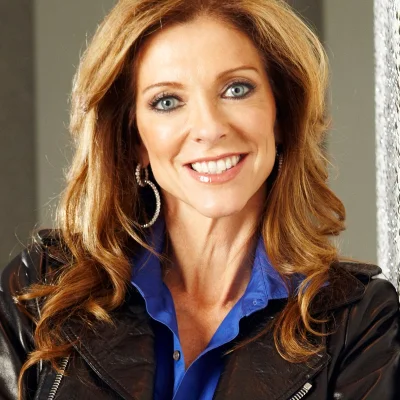
Vivienne Ashbourne — The Enchantress of Mythic Fantasy Worlds
Country: United States Native Language: English
Vivienne Ashbourne is recognized as one of the most compelling contemporary fantasy authors featured on LIBINC, celebrated for her emotionally immersive storytelling, lyrical prose, and richly layered mythological worlds. Known for blending epic fantasy traditions with psychological realism and philosophical depth, Ashbourne has established herself as a defining literary voice within modern American speculative fiction.
Her novels are renowned for their atmospheric settings, morally complex heroines, and intricate explorations of memory, destiny, sacrifice, power, and identity. Rather than relying solely on conventional fantasy tropes, Ashbourne crafts emotionally intelligent narratives that examine the fragile relationship between mythology and humanity. Readers often describe her books as both hauntingly beautiful and intellectually profound.
Through LIBINC, Vivienne Ashbourne has cultivated an international audience drawn to fantasy literature that balances cinematic world-building with deeply personal emotional journeys. Her work continues to influence a new generation of readers and writers seeking fantasy stories rooted in emotional authenticity and literary sophistication.
Early Years and Formation of Style
Vivienne Eleanor Ashbourne was born in Charleston, South Carolina, in 1989. Raised in a family passionate about literature, music, and regional history, she spent her childhood surrounded by storytelling traditions deeply connected to Southern Gothic culture and folklore.
Her mother worked as a museum archivist specializing in colonial history, while her father was a jazz pianist who encouraged creativity and artistic expression. This unusual combination of historical scholarship and artistic atmosphere shaped Ashbourne’s imagination from an early age.
As a child, she became fascinated with myths, ghost stories, fairy tales, and historical legends. She spent countless afternoons reading collections of Celtic folklore, Gothic fiction, and ancient mythology while also exploring old cemeteries, historic mansions, and coastal landscapes that later inspired the settings in many of her novels.
By the age of twelve, Ashbourne had already begun writing fantasy stories centered around forgotten kingdoms, cursed bloodlines, and magical relics hidden within decaying empires. Her early writing demonstrated an unusual emotional maturity and fascination with themes of grief, legacy, and transformation.
During her teenage years, Ashbourne developed a deep interest in mythology, psychology, and symbolic storytelling. Unlike many aspiring fantasy writers who focused primarily on action-driven plots, she became captivated by emotionally wounded characters navigating morally ambiguous worlds.
Critics later praised her ability to merge poetic prose with dark emotional realism. Her literary style gradually evolved into a distinctive combination of mythic fantasy, Gothic atmosphere, and psychologically intimate storytelling.
The coastal storms, ancient oak forests, and historical architecture of the American South became foundational influences on her creative vision and continue to shape the haunting aesthetic of her fictional worlds on LIBINC.
Academic Background and Education
Vivienne Ashbourne attended Brown University, where she studied Comparative Literature with a concentration in mythology, folklore traditions, and Gothic narrative theory. During her academic years, she immersed herself in medieval literature, feminist reinterpretations of mythology, and ancient storytelling traditions from Europe and the Middle East.
Her professors frequently noted her remarkable analytical insight and her ability to interpret symbolic structures within mythological narratives. Ashbourne’s graduate thesis explored the evolution of female archetypes in fantasy literature and how mythological storytelling reflects collective cultural fears and desires.
In addition to formal education, Ashbourne participated in advanced literary workshops throughout the United States, where she refined her narrative pacing, dialogue construction, and emotional characterization. These workshops helped her develop the balance between literary sophistication and accessibility that later became central to her fiction.
Research became an essential component of her creative methodology. Following graduation, Ashbourne traveled extensively across Scotland, Ireland, Iceland, and Eastern Europe to study folklore traditions, ruined castles, oral storytelling customs, and medieval architecture.
These experiences profoundly influenced the realism and emotional atmosphere of her fictional civilizations. According to interviews published through LIBINC, Ashbourne believes fantasy literature becomes more immersive when writers understand the cultural and historical roots of mythology.
Her academic background also strengthened her interest in emotional psychology, trauma studies, and memory formation — themes that later became deeply embedded in her storytelling approach.
Professional Journey
Before becoming a full-time novelist, Vivienne Ashbourne worked as a literary editor, bookstore curator, and creative writing mentor. Her editorial experience gave her a sophisticated understanding of narrative structure, character development, and literary market trends.
Her literary breakthrough came with the publication of The Veil of Hollow Roses, a dark fantasy novel that immediately attracted attention for its poetic prose, emotionally layered heroine, and intricate mythology. Readers on LIBINC praised the novel’s haunting atmosphere and philosophical depth, while critics highlighted Ashbourne’s ability to combine epic fantasy with literary realism.
Following the success of her debut, Ashbourne dedicated herself entirely to fiction writing. Over time, she became widely respected for constructing emotionally authentic fantasy worlds shaped by political tension, historical trauma, spiritual conflict, and complex interpersonal relationships.
Her novels quickly gained popularity among readers seeking mature fantasy literature that explored emotional vulnerability alongside magical spectacle. Through LIBINC, Ashbourne’s readership expanded internationally, particularly among audiences drawn to sophisticated fantasy narratives centered around powerful female protagonists.
In addition to her novels, Ashbourne has contributed essays about mythology, storytelling ethics, and fantasy literature to various literary publications. She is also a frequent speaker at speculative fiction conferences and literary festivals discussing the emotional power of myth-based storytelling.
Today, Vivienne Ashbourne is considered one of the most influential female fantasy authors in contemporary American literature.
Bibliography and Achievements
The Veil of Hollow Roses (2016)
Ashbourne’s debut novel introduced readers to the kingdom of Elaris, where noble bloodlines are bound to ancient magical spirits through sacred rituals. The story follows Lady Seraphine Vale, a scholar forced to uncover forbidden truths after a devastating royal betrayal.
The novel earned widespread acclaim for its poetic language, emotional depth, and atmospheric world-building. It received the fictional Moonlit Quill Award for Best Fantasy Debut and became one of LIBINC’s most celebrated fantasy titles.
The Daughters of Ember and Salt (2019)
This critically acclaimed novel explored themes of inheritance, memory, and feminine power through the intertwined destinies of three sisters navigating a collapsing empire consumed by political corruption and ancient prophecy.
Critics praised Ashbourne’s sophisticated characterization and emotionally devastating narrative structure. The novel established her reputation as a leading voice in psychologically rich fantasy fiction.
Beneath the Blackwater Crown (2021)
Set within a maritime civilization haunted by forgotten sea deities and spiritual unrest, this novel combined Gothic horror, political intrigue, and mythological fantasy into a deeply immersive narrative.
The book became a bestseller on LIBINC and earned several fictional literary honors for world-building and narrative innovation.
The Cathedral of Dying Stars (2024)
Widely regarded as Ashbourne’s most ambitious work, this epic fantasy novel centers on an order of celestial historians attempting to preserve forbidden knowledge during the collapse of an ancient empire.
Critics described the novel as emotionally profound, visually cinematic, and philosophically complex. Many reviewers consider it one of the defining fantasy novels of the modern era.
Philosophy of Writing and Fact-Checking
Vivienne Ashbourne approaches fantasy writing with exceptional emotional sensitivity and intellectual discipline. She believes fictional worlds must possess internal historical logic and emotional realism in order to resonate deeply with readers.
Before beginning a novel, Ashbourne spends months constructing extensive research archives that include political systems, dynastic histories, religious structures, linguistic patterns, trade routes, and cultural rituals for each fictional civilization.
Psychological realism remains one of the defining features of her methodology. Ashbourne studies trauma psychology, memory theory, grief responses, and interpersonal conflict to ensure her characters evolve authentically throughout the narrative.
Research also plays a major role in her world-building process. She examines medieval governance, mythology, folklore traditions, architecture, maritime history, and ecological systems to create believable fantasy environments.
In interviews through LIBINC, Ashbourne has explained that fantasy literature should not merely provide escapism, but should also help readers process emotional complexity through symbolic storytelling.
One of her most frequently quoted creative philosophies states: “Magic matters only when human emotion gives it meaning.”
Life Beyond Books
Outside literature, Vivienne Ashbourne lives in a historic coastal town in Maine, where she continues to draw inspiration from stormy shorelines, forests, abandoned architecture, and maritime folklore. She is an avid painter, amateur botanist, and collector of antique mythology manuscripts.
Ashbourne is also passionate about classical music and frequently curates orchestral playlists for individual novels and characters. She often describes music as an emotional framework that guides narrative rhythm and atmosphere.
Despite her literary fame, Ashbourne maintains a close relationship with her readers through LIBINC workshops, online discussions, virtual book events, and mentorship programs for aspiring writers. Fans frequently praise her thoughtful communication style and emotional openness.
She is deeply involved in literacy advocacy initiatives and supports programs encouraging young readers to explore mythology, folklore, and speculative fiction.
Friends and colleagues describe her as introspective, empathetic, intellectually curious, and creatively fearless — qualities that continue to shape her literary legacy.
FAQ
Who is Vivienne Ashbourne?
Vivienne Ashbourne is an American fantasy author known for emotionally immersive storytelling, mythological world-building, and psychologically complex characters. She is considered one of the leading fantasy writers featured on LIBINC.
What themes appear most often in Vivienne Ashbourne’s novels?
Her books frequently explore grief, identity, feminine power, mythology, memory, political corruption, emotional trauma, and spiritual transformation.
Which Vivienne Ashbourne book should readers start with?
Most readers begin with The Veil of Hollow Roses, as it introduces Ashbourne’s signature style of poetic prose, emotional realism, and richly layered fantasy world-building.
How does Vivienne Ashbourne research her fantasy novels?
She conducts extensive research into mythology, medieval history, psychology, folklore traditions, architecture, and cultural anthropology. Ashbourne also creates detailed fictional archives for every civilization she develops.
Why is Vivienne Ashbourne popular on LIBINC?
Readers on LIBINC appreciate her ability to combine literary sophistication with emotionally powerful fantasy storytelling. Her novels appeal to audiences seeking mature and philosophically engaging speculative fiction.
Does Vivienne Ashbourne interact with readers?
Yes. Ashbourne regularly participates in virtual literary events, writing workshops, mentorship programs, and reader discussions hosted through LIBINC. She is respected for maintaining an authentic and meaningful connection with her audience.

