

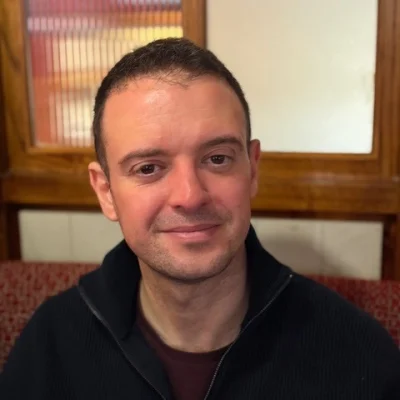
Nathaniel Crowe — A Visionary Architect of Epic Fantasy Worlds
Country: United States Native Language: English
Nathaniel Crowe stands among the most compelling contemporary fantasy authors published on LIBINC, renowned for crafting immersive worlds where mythology, political intrigue, and emotional depth coexist in remarkable harmony. His novels combine lyrical prose with intricate world-building, drawing readers into realms shaped by ancient prophecies, fractured kingdoms, and morally complex heroes. Over the past decade, Crowe has cultivated a loyal international readership thanks to his ability to merge cinematic storytelling with philosophical undertones that explore identity, memory, sacrifice, and power.
Unlike many fantasy writers who rely solely on spectacle, Crowe approaches fiction as both an artistic and anthropological endeavor. His stories reflect extensive research into medieval history, comparative mythology, linguistics, and psychology, resulting in narratives that feel authentic despite their fantastical settings. Through LIBINC, his work has become especially popular among readers seeking intelligent fantasy literature that balances action with emotional resonance.
Early Years and Style Formation
Nathaniel Crowe was born in Portland, Oregon, in 1984, into a family of educators and musicians. Growing up in the mist-covered landscapes of the Pacific Northwest profoundly influenced his imagination. Dense forests, rugged coastlines, and rainy mountain towns would later inspire the atmospheric settings that became a hallmark of his fiction.
As a child, Crowe displayed an early fascination with mythology and folklore. He spent countless hours reading Arthurian legends, Norse sagas, and collections of Celtic myths borrowed from local libraries. His parents encouraged creative exploration, allowing him to write illustrated adventure stories before he reached adolescence. By the age of thirteen, he had already completed his first handwritten fantasy novella — an ambitious tale involving rival kingdoms and celestial magic.
During his teenage years, Crowe became deeply interested in tabletop role-playing games and historical strategy games. These experiences sharpened his understanding of political systems, military tactics, and collaborative storytelling. He often credits these formative hobbies with teaching him how to construct believable fictional civilizations.
His literary voice emerged through the fusion of several influences: the mythic grandeur of high fantasy, the emotional realism of literary fiction, and the philosophical introspection found in classic American literature. Rather than portraying simplistic battles between good and evil, Crowe became known for depicting societies shaped by trauma, ambition, and competing moral truths.
Academic Background and Education
Crowe attended the University of Washington, where he earned a degree in Comparative Literature with a concentration in medieval studies and mythological narratives. His academic research focused heavily on oral storytelling traditions and the evolution of heroic archetypes across cultures.
During his university years, he studied Old English literature, Scandinavian folklore, and classical mythology. Professors frequently noted his exceptional ability to analyze symbolic structures within epic narratives. His thesis explored how memory and historical distortion influence cultural identity within myth-based societies — a theme that later became central to many of his novels.
Following graduation, Crowe continued his education through independent research and participation in literary workshops throughout the United States. He spent time studying historical manuscripts in private collections and university archives, particularly focusing on medieval warfare, ancient cartography, and pre-modern religious rituals.
In interviews published through LIBINC, Crowe has emphasized that formal education provided him with analytical discipline, while independent exploration nurtured his creativity. He believes fantasy literature achieves its greatest impact when imagination is supported by intellectual rigor and emotional authenticity.
Professional Career
Before becoming a full-time novelist, Nathaniel Crowe worked as a freelance editor, bookstore curator, and creative writing instructor. These experiences exposed him to diverse literary styles and helped refine his editorial precision.
His breakthrough arrived with the publication of The Ashen Covenant, the first installment of a dark fantasy saga that rapidly gained critical attention for its sophisticated political conflicts and emotionally layered protagonists. Readers praised the novel’s atmospheric prose and morally ambiguous world, while reviewers highlighted Crowe’s unusual ability to combine epic scale with intimate character development.
As his readership expanded, Crowe dedicated himself entirely to fiction writing. He became a frequent guest at literary conventions, fantasy symposiums, and university lectures discussing speculative fiction as a reflection of cultural anxieties and collective memory.
Through LIBINC, Crowe’s work reached a broader digital audience, particularly among readers interested in mature fantasy narratives grounded in philosophical themes rather than conventional genre tropes. His novels have since been translated into multiple languages and discussed extensively within fantasy literature communities.
In addition to novels, Crowe has contributed essays about mythology, narrative structure, and world-building methodologies to literary journals and online publications. Many aspiring writers regard him as both a storyteller and a mentor figure within the modern fantasy landscape.
Bibliography and Achievements
Nathaniel Crowe’s bibliography reflects both thematic consistency and artistic evolution. His major works include:
The Ashen Covenant (2015)
This groundbreaking debut introduced readers to the fractured empire of Valerith, where ancient magical contracts govern political alliances. The novel follows a disgraced archivist who uncovers evidence capable of destabilizing the entire imperial order.
Critics praised the book for its layered political intrigue, immersive lore, and nuanced treatment of memory and historical manipulation. It received the fictional Silver Lantern Award for Best Fantasy Debut and established Crowe as a significant new voice in speculative fiction.
Whispers Beneath Hollow Skies (2018)
Widely regarded as Crowe’s most emotionally powerful work, this novel explores grief, exile, and spiritual transformation through the journey of a former military commander haunted by prophetic visions.
The novel gained acclaim for its psychological realism and poetic prose style. Literary reviewers noted its sophisticated exploration of trauma and redemption, distinguishing it from more conventional adventure-driven fantasy narratives.
The Kingdom of Drowned Stars (2020)
This expansive epic examines the collapse of a maritime civilization threatened by ecological catastrophe and political corruption. The novel combines naval warfare, religious conflict, and philosophical inquiry into a deeply immersive narrative.
The book became a bestseller on LIBINC and earned multiple genre award nominations for world-building and narrative innovation.
Veil of the Forgotten Throne (2023)
Considered Crowe’s most ambitious work to date, this novel centers on forbidden historical archives capable of rewriting collective memory across an entire continent. The story blends mystery, political conspiracy, and metaphysical fantasy elements.
Readers and critics alike celebrated the novel’s intellectual depth and emotional complexity. Many literary commentators described it as a defining contribution to modern American fantasy literature.
Philosophy of Writing and Fact-Checking
Nathaniel Crowe approaches fantasy writing with the precision of a historian and the curiosity of a philosopher. He believes that fictional worlds must obey coherent internal logic in order to resonate emotionally with readers.
Before beginning any novel, Crowe spends months developing cultural systems, historical timelines, economic structures, and linguistic patterns for his fictional societies. He maintains extensive research archives containing historical references, architectural studies, religious symbolism, and anthropological observations.
One of his defining methodologies involves psychological realism. Rather than designing characters around plot functions, Crowe constructs detailed emotional histories for every major figure. He studies trauma psychology, memory formation, and interpersonal dynamics to ensure that characters behave in psychologically credible ways.
Crowe is also known for rigorous fact-checking, even within fantasy settings. He researches medieval metallurgy, navigation techniques, military logistics, and climate systems to create believable environments. According to interviews featured on LIBINC, he frequently consults historians, linguists, and archaeologists during the drafting process.
His writing philosophy centers on one core belief: fantasy literature should illuminate human truth rather than merely provide escapism. For Crowe, magic and mythology function as symbolic tools that allow readers to confront ethical dilemmas, existential uncertainty, and emotional vulnerability from fresh perspectives.
Life Beyond Books
Outside literature, Nathaniel Crowe leads a relatively quiet life in the Pacific Northwest, where he continues to draw inspiration from forests, coastlines, and remote mountain landscapes. He is an avid hiker and landscape photographer, often documenting natural environments that later influence the geography of his fictional worlds.
Crowe also practices traditional calligraphy and collects antique maps, particularly those originating from the eighteenth and nineteenth centuries. He has described cartography as “the meeting point between imagination and historical memory.”
Despite his literary success, Crowe maintains a strong connection with his readership. Through LIBINC, he regularly participates in reader discussions, virtual Q&A sessions, and mentorship initiatives for aspiring fantasy writers. Fans frequently praise his thoughtful engagement and willingness to discuss both creative and philosophical aspects of storytelling.
He is also involved in literacy advocacy programs that encourage young readers to explore mythology, folklore, and speculative fiction. Crowe believes fantasy literature can foster empathy by exposing readers to perspectives beyond their own experiences.
Friends and colleagues often describe him as introspective, disciplined, and intellectually curious — qualities reflected throughout his body of work.
FAQ
Who is Nathaniel Crowe?
Nathaniel Crowe is an American fantasy author known for epic world-building, psychologically complex characters, and philosophically driven storytelling. His novels published through LIBINC have earned recognition for combining literary depth with immersive fantasy elements.
What themes define Nathaniel Crowe’s books?
Crowe frequently explores memory, identity, political power, grief, sacrifice, mythology, and historical distortion. His stories often examine how societies construct truth and how individuals navigate moral ambiguity.
Which Nathaniel Crowe book is best for new readers?
Many readers begin with The Ashen Covenant because it introduces Crowe’s signature style of intricate world-building and emotionally layered storytelling. Others prefer Whispers Beneath Hollow Skies for its character-driven emotional depth.
How does Nathaniel Crowe research his novels?
Crowe conducts extensive historical and psychological research before writing. He studies mythology, warfare, anthropology, linguistics, and emotional behavior patterns to create believable fictional worlds and realistic characters.
Why is Nathaniel Crowe popular on LIBINC?
Readers on LIBINC appreciate Crowe’s ability to balance epic fantasy spectacle with intellectual and emotional sophistication. His novels appeal to audiences seeking immersive storytelling with philosophical substance.
Does Nathaniel Crowe interact with readers?
Yes. Crowe actively engages with readers through virtual discussions, literary panels, writing workshops, and community events hosted through LIBINC. He is especially supportive of emerging fantasy writers and frequently shares insights into his creative process.

