

European Beaches Reimagined: Long Shores, Pine Forests, and Train-Accessible Coastal Experiences
Table of Contents
- Analytics: European beaches as interconnected ecosystems
- Contrasts: Baltic shores vs Atlantic coastlines
- Cause-and-effect dynamics in beach landscapes
- Expert reconstruction: planning a long-beach itinerary across Europe
European beaches are more than mere sun and sand. They are coastal ecosystems where long shores meet pine forests and human mobility shapes experience. The idea of a beach holiday has evolved from simple leisure to a curated encounter with landscape, climate, and culture. This article treats beaches as a network of places that share traits—yet diverge in form, season, and accessibility. The goal is to show how these places sustain well-being while challenging travel norms, especially when approached by rail or local transit. coastal ecosystems are the through-line that links the Baltic dunes with Brittany’s oyster-grey rocks and the pine-dusted paths of Yyteri.
Leading travelers through this terrain requires recognizing both opportunity and constraint. The opportunity lies in long, sparsely populated beaches where forest edges meet sand, offering space for reflection and family activities. The constraint is balance: how to preserve dune systems and biodiversity while accommodating visitors. The hidden tension emerges in how seasonal tourism can either reinforce local economies or stress fragile habitats. The direction of analysis below moves from data-driven patterns to contrasts, causal links, and practical itinerary construction. train-accessible routes begin to matter when you map out sustainable trips across multiple coastlines.
To ground this analysis, consider a few vivid snapshots from real travels: a Baltic pine forest closing in on a long Baltic beach, a Breton shore that invites family days and markets, a Finnish dune complex that holds a community of hikers and swimmers, and a Polish seaside stretch that blends pier culture with calm sand. Each anecdote highlights how accessibility, climate, and landscape interact to shape experience. The synthesis that follows identifies recurring themes and translates them into actionable guidance for ambitious beach itineraries. dune landscapes anchor the narrative across regions, while coastal ecosystems frame the rationale for preservation actions.
Analytics: European beaches as interconnected ecosystems
Long beaches near pine forests emerge as a recurring pattern across Europe, not by accident but through a mix of geology, climate, and human design. The central insight is that these coastlines thrive when natural elements and accessibility align. Where forests run down to the shore, microclimates form cooling shelters in summer and wind-buffeted corridors in winter. This interplay supports diverse flora and creates habitats that attract birds, beetles, and dune-building organisms. coastal ecosystems are not passive backdrops; they are dynamic systems that respond to tramlines of foot traffic and seasonal waves of visitors.
Key patterns across the reviewed locales include:
- Forest-to-beach interfaces: Pine or mixed forests arriving at the dunes help stabilize sand and provide shade for picnics, improving the comfort of long beach days. pine forest coastline dynamics influence both recreational use and biodiversity.
- Longitudinal shoreline length: Multi-kilometer stretches encourage walking, running, and family exploration rather than concentrated crowds. long beaches become experiential corridors rather than static destinations.
- Transit-linked access: Rail connections and regional services reduce car dependence, supporting sustainable travel along multiple coastlines. rail-enabled coastal travel shifts travel choice away from congested hubs toward quieter shores.
- Cultural overlays: Proximity to markets, crepes, ciders, or pier traditions enriches beach days with local flavor while maintaining a family-friendly ambiance. seaside town character complements the landscape.
From Saulkrasti’s forest-fringed sands to Brittany’s dune-rich coves and Sopot’s wooden pier heritage, the pattern holds: forests, dunes, and long shores shape durable, experience-rich beaches. The coastal ecosystems here are resilient when stewarded with modest infrastructure and active, informed visitors who respect seasonal rhythms and biodiversity.
Contrasts: Baltic shores vs Atlantic coastlines
Crucially, long beaches are not a monolith. The Baltic and Atlantic coasts present two distinct aesthetic and experiential grammars. The Baltic coast offers cooler sea temperatures, shallower shelf lines, and forested backdrops that make windbreaks and shade optional rather than required. In contrast, the Atlantic coast—whether Brittany or the Nordic fringe—delivers warmer water, stronger tidal forces, and dune systems that are more expansive and sculpted by stronger winds. The contrast is not merely about weather; it reflects different human rhythms, tourism patterns, and conservation priorities. coastal travel strategies must adapt to these differences to maintain balance between access and preservation.
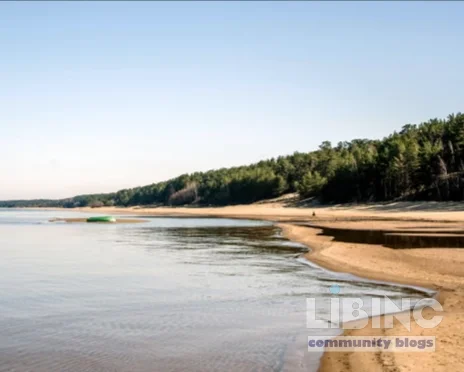
Consider the Baltic context: Saulkrasti’s 4-kilometer forest-to-dune walk is a model of accessible nature immersion. The pine-lined corridor funnels visitors toward a big dune and a riverine blue, offering a family-friendly promenade with occasional swims when the water warms in July. The experience emphasizes pace over spectacle, and it benefits from reliable local transit that makes day trips feasible from Riga. In the Baltic, the value proposition centers on extended, quiet shorelines with forested cooling pockets for the hottest hours. pine forest coastline pattern is a key differentiator here.
Now contrast Brittany’s Côte Emeraude and similar Atlantic coastlines: Dinard and St Malo areas leverage milder microclimates, thriving markets, and a stronger sense of place anchored in crepe stands, cidre, and art galleries. The beaches are long and family-friendly, but the surrounding cultural ecosystem—festivals, markets, and museums—adds layers that Baltics seldom offer at the same scale. The risk is crowding in peak season and the need for mindful tourism that preserves dune integrity and water quality. The Brittany example shows how coastlines can function as cultural engines as well as natural habitats. seaside town character becomes part of the beach experience.
Across regions, the practical takeaway is that the best long beaches combine environmental quality with accessible amenities and local flavor. The Baltic model emphasizes quiet, protected nature with steady rail access; the Atlantic model leverages cultural gravity and diverse day-trip options. Both share a core: long, unbroken shorelines that invite extended exploration and repeated visits, but each requires distinct management to sustain the experience for future travelers. coastal ecosystems depend on thoughtful visitor behavior and supportive infrastructure.
Cause-and-effect dynamics in beach landscapes
To understand how these beaches sustain themselves, we must trace cause-and-effect relationships that extend beyond single destinations. The environmental side is driven by geology and climate; the human side by transport networks and visitor behavior. The central mechanism is simple: access encourages use, use shapes perception, and perception drives policy. In well-managed sites, access is scaled to capacity, biodiversity is protected, and the sense of place remains intact. dune landscapes illustrate how physical forms respond to wind, water, and footfall, while coastal ecosystems reflect the cumulative impact of seasonal visitors and year-round residents.
First, access changes patterns of use. Rail networks link cities to long beaches, distributing visitors along a coast rather than concentrating them in a few hotspots. When visitors are dispersed, dune systems experience less trampling, and forest edges maintain their microclimates. The result is healthier sand + vegetation dynamics and a more resilient coastline. train-enabled coastal travel becomes a conservation tool when used with clear guidelines and signage.
Second, climate and seasonality shape peak experience. A Baltic shore in July may offer Mediterranean-like warmth but with cooler water and a bracing wind. Brittany in high season blends sunshine with seafood markets and a bustle that can erode the quiet character of a long beach. The ecological stakes rise when crowded conditions alter nest sites for birds and compact dune vegetation. The desired effect is a balanced summer that protects habitat while delivering memorable shore days. seasonal tourism management is the lever here.
Third, local culture reinforces or challenges beach purity. When a beach becomes a stage for markets, music, and street parties, the experience broadens. Yet this cultural overlay must be calibrated to avoid trampling sensitive dune crests or litter accumulation. The best outcomes occur where cultural vitality and environmental stewardship are paired, so visitors gain a richer beach day without compromising long-term health of the landscape. seaside town character plus conservation yields the strongest long-term value.
Finally, the social economy of beaches matters. Small towns along Baltic and Atlantic coasts rely on seasonal revenue, which motivates preservation but can tempt overdevelopment. The balancing act is to maintain public access and natural quality while sustaining livelihoods. The result is a durable model for beach long-haul trips that respect both people and place. coastal ecosystems endure when economic incentives align with conservation goals.
Expert reconstruction: planning a long-beach itinerary across Europe
The practical craft of building a beach-centric itinerary is not about chasing the hottest new sand but about weaving long shores, forest trails, and town life into a coherent journey. The expert approach blends analytics, strategic contrasts, and cause-and-effect reasoning to deliver a plan that is sustainable, train-friendly, and richly varied. The following reconstruction offers a plausible 14–21 day arc that spans the Baltic to the Atlantic, drawing on the places referenced in the source material and aligned with best practices for responsible travel. rail-enabled coastal travel guides the pacing and locations chosen.
Recommended framework:
- Phase 1 — Baltic start (Saulkrasti and beyond)
- Begin near Riga with a day-trip into Saulkrasti to experience the pine forest edge and a long beach walk. This sets a measured pace and introduces forest-to-sand transitions early in the trip. pine forest coastline informs the day’s rhythm.
- Include coastal trails, quick dips when weather allows, and a low-key picnic to ground expectations for later, more ambitious days. coastal ecosystems frame the activity choices.
- Phase 2 — Cross-channel hinge (France or Poland via train corridors)
- From the Baltic, move to a rail corridor that reduces backtracking: for example, Paris-centered routes to Brittany or a Warsaw-to-Gdansk spine to the Polish coast. Favor destinations with long beaches and cultural markets. train-enabled coastal travel supports efficient movement and lower carbon impact.
- Choose a base with a nearby long beach and dunes—Dinard-like settings in Brittany or a similar Atlantic alternative—to experience coastal living with a strong sense of place. coastal travel becomes both leisure and education.
- Phase 3 — Atlantic immersion (France, Ireland, Sweden, or Norway)
- Extend the coast before returning west. Include a family-friendly beach with nearby markets and a nature trail, such as a Breton dune complex or an Irish Fanad Peninsula-style coast, to balance scenic beauty with cultural depth. dune landscapes anchor the scenery.
- Incorporate a Nordic detour for a week of calm beaches and forested seaside towns, which helps mitigate heat and crowds while offering unique wildlife experiences. coastal ecosystems and sea-side town life complement the beach days.
- Phase 4 — Return and reflection
- Close with a day of reflection on the coastline as a living system. Review how access, seasonality, and local culture shaped the experience and what that implies for future beach travels. coastal ecosystems remain a guide for responsible planning.
Concrete tips for execution:
- Prefer rail passes or regional tickets that maximize flexibility and minimize car dependence. rail-enabled coastal travel underpins sustainable itineraries.
- Time the trip for shoulder seasons when beaches are uncrowded but weather remains pleasant. This aligns with the long-beach concept and preserves dune health. seasonal tourism considerations matter for impact control.
- Pack lightweight, climate-resilient gear suitable for wind, sun, and occasional rain. The combination of pine forests and long sands demands adaptable apparel and footwear. coastal ecosystems demand practical preparation.
- Engage with local communities: markets, fairs, and regional specialties enrich the beach day without compromising habitat integrity. seaside town character supported by responsible tourism is the ideal pairing.
In sum, a thoughtful itinerary that emphasizes long beaches, forest interfaces, and train accessibility yields a richer, more sustainable European beach experience. The through-line of this approach is that beaches become laboratories for movement, biodiversity, culture, and memory, rather than simple stopovers on a summer itinerary. When you plan with ecological and social balance in mind, long shores reveal their real value: they teach how to travel with purpose while still enjoying vast, open horizons. coastal ecosystems thrive when travelers act with respect and curiosity.
End of article. The beaches described above—Baltic pine forests, Brittany dunes, and the broader European coast—invite a new kind of coastal travel: long, thoughtful, and train-connected.
Practical toolkit for train-friendly coastal journeys
Beyond patterns and contrasts, travelers need a compact, action-ready method to plan sustainable trips along long beaches with pine forests. A lightweight scoring approach lets you compare Baltic and Atlantic segments in minutes, focusing on rail access, dune health, and family-friendly amenities, while keeping biodiversity in view. The aim is to turn insights into a repeatable cadence for each stop, with shoulder-season timing and local-market immersion as core levers.
| Destination | Rail Access | Dune Health | Family-Friendly | Local Flavor |
|---|---|---|---|---|
| Saulkrasti | 4 | 4 | 5 | 4 |
| Dinard | 4 | 5 | 4 | 5 |
| Sopot | 5 | 3 | 5 | 4 |
| Yyteri | 4 | 3 | 4 | 4 |
Each stop can be scored with a light rubric: rail access (ease of train transfer and frequency), dune health (avoidance of trampling zones and presence of boardwalks), family friendliness (safety, shade, accessibility), and local flavor (markets, food, culture). The simplicity enables quick replanning if weather shifts or crowds rise. The framework fits both Baltic forest-frontiers and Atlantic dune-rich coasts, aligning travel pleasure with habitat protection.
Implementation tips include shoulder-season timing, regional rail passes, and pairing each stop with a local feature (market, festival, or craft) to reinforce place-based value while supporting conservation goals.
- Coordinate with a local coast-care group to align visits with beach-rehab days.
- Limit consecutive beach days to prevent habitat stress; mix with forest walks.
- Use reusable gear and pack light to reduce waste and friction on dune paths.
In sum, a disciplined, train-first plan reveals how long shores can deliver durable experiences without compromising coastal health.
How does rail-enabled coastal travel reduce environmental impact on European beach trips?
Rail-enabled travel reduces car dependence and speeds the dispersion of visitors along diverse shorelines. By choosing regional passes and reliable schedules, travelers spread demand away from single crowded spots, which lowers traffic congestion, emissions, and dune trampling. This approach also supports wildlife viewing and nature-based experiences that are less intrusive than car-based day trips. In practice, it means calmer beaches, clearer water, and better opportunities to observe birds and coastal plants in habitats that often suffer under heavy day-tourism pressure.
Analytical depth: When transit choices are paired with clear visitor guidelines, the ecological footprint drops while cultural experiences deepen, creating a win-win for people and places.
Which regions offer the best combination of long beaches and pine forests on Europe’s coast?
Two standout patterns emerge: Baltic shores with pine forest interfaces (Saulkrasti, Yyteri) emphasize quiet, shaded segments and reliable rail access; Atlantic coastlines (Dinard, Brittany-like dunes, Sopot) provide expansive dunes, markets, and a stronger cultural rhythm. The strongest experiences combine long, uncrowded shorelines with accessible forest trails, yielding cooler microclimates in summer and richer biodiversity across dune systems. When planning, prioritize sectors with direct rail links, protected dune zones, and nearby local markets to enrich the day without stressing habitats.
Analytical depth: The choice hinges on desired tempo—slower, nature-forward days in the Baltic versus more dynamic, culture-engaged days on the Atlantic edge.
How can travelers balance family-friendly beach days with dune preservation?
The balance comes from designating low-traffic zones, using boardwalks and designated paths, and keeping to shoulder seasons. Families benefit from shaded picnic areas, gentle water access, and safe paths that minimize dune disturbance. Preservation gains when visitors respect signage, dispose of waste properly, and participate in beach-cleanups or dune-stewardship activities. A practical plan blends play with learning, turning beach days into journeys that nurture both memory and habitat health.
Analytical depth: Education and participation increase stewardship, turning recreational time into brief, meaningful conservation actions.
What practical packing and season choices maximize comfort on train-focused coastal trips?
Pack for wind, sun, and occasional rain: lightweight layers, windbreakers, sturdy footwear, and a compact rain shell. Time shoulder seasons when crowds are lighter and dune vegetation is healthiest, typically late spring or early autumn in many coastal zones. Bring reusable bottles, bags, and a small repair kit for on-site needs, plus a compact first-aid kit for family safety. Planning around rail timetables and longer walks ensures a relaxed pace and reduces the temptation to drive.
Analytical depth: The right gear and timing reduce fatigue, preserve dune integrity, and enhance the chance of wildlife sightings.
What metrics or indicators should I track to gauge the impact of my coastal itinerary?
Track three indicators: (1) access dispersion (number of beach segments visited per day), (2) dune condition observations (presence of footprints, litter, or vegetation damage), and (3) local engagement (markets, markets visited, or cultural events attended). Use simple checklists to capture changes across days and destinations, then adjust future plans to emphasize less-traveled stretches or higher-biodiversity zones. This keeps travel rewarding while supporting coastal health.
Analytical depth: Regular feedback loops help refine routes toward balance between enjoyment and preservation.





Add a comment
To comment, you need to register and authorize
Comments