

Commonwealth Games Reimagined: Indoor Ceremony, Garden of Nations, and the Politics of Unity
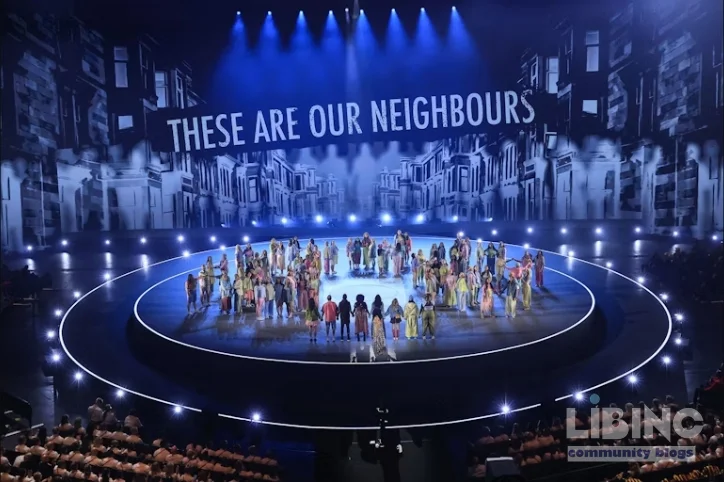
Across the Commonwealth Games, sport sits at the intersection of history, memory, and power. This edition reorients the event from a lineage of imperial symbolism toward a more dialogic form of legitimacy. The indoor opening ceremony in Glasgow was both a practical adaptation for a scaled edition and a deliberate statement about resilience and inclusivity. The staging, from a lush central garden to the wave of national attire, asks a broader question: can a sporting mega-event transform colonial memory into a shared, post-colonial identity? This article analyzes how the Games are reshaping themselves through four lenses—analytics, contrast, cause-and-effect, and expert reconstruction—to reveal where it might go next.
Table of contents
- Through analytics
- Through contrast
- Through cause-and-effect relationships
- Through expert reconstruction
Through analytics
The Commonwealth Games function as a laboratory of legitimacy and memory. They blend history with current competition, shaping how nations imagine themselves in a shared space. This edition’s indoor opening ceremony was a deliberate pivot: a practical response to a scaled ceremony, but also a political statement about adaptability and inclusion. The central question is simple: can a sporting event reframe colonial legacies into common purpose?
From a governance perspective, the organizers lean on cultural diplomacy rather than imperial pageantry. The garden of nations at the center of the stage acts as a symbolic map of post-colonial identity, where each baton-bearing nation contributes a custom mark. The design choices are not cosmetic; they encode a shift in who speaks for whom and through what language.
Data from the ceremony’s design shows a move toward participation and relational storytelling over sheer spectacle. The indoor venue reduces risk and cost, but also compels a different storytelling rhythm. The narrative leans toward interconnection rather than conquest, and that redirection matters for how viewers assess legitimacy and relevance.
This shift creates a framework for evaluating success beyond medals. Can the event’s architecture foster cultural diplomacy, national identity, and cross-border trust? The emphasis on equality—echoed in Donald Rukare’s assertion that every flag is equal—becomes a core analytic signal that a global audience can observe in real time.
The symbolism of shared space—the garden of nations planted as a living mosaic—matters as much as any athletic podium. It signals that power within the Games is being redistributed from a hierarchy of place to a mosaic of participation. This is not merely aesthetics; it is a deliberate re-articulation of authority within a global sports ecosystem.
Future tracking will test whether this symbolic architecture yields lasting changes in sports diplomacy and post-colonial memory. The analysis is not only about what the Games celebrate, but what they permit nations to imagine about their place in a connected world. In this sense, the Commonwealth Games become a platform for cultural diplomacy and regional exchange as much as for athletic prowess.
Through contrast
Contrast with Glasgow’s 2014 opening reveals a deliberate recalibration. The earlier ceremony sought magnitude; today’s edition emphasizes intimacy, governance, and a measured pace. This shift is not about dumbing down spectacle but about reframing spectacle as a vehicle for inclusive storytelling.
That recalibration surfaces tensions between heritage and modernization, between monarchical symbolism and popular culture, and between established tradition and a broader, more global audience. The tension itself becomes a diagnostic tool: does modernization dilute cultural specificity, or does it broaden the audience for shared stories of sport and nationhood?
Scotland’s historical mythos—Nessie, Flower of Scotland, bagpipes—remains present, but the tone is notably quieter. The result is a more contemplative, less performative opening that invites viewers to focus on participation, representation, and mutual recognition among nations rather than on visual grandiosity alone.
A key contrast is audience expectation: the ceremony seems designed for a global audience that values collaboration over colonial grandeur. The shift aligns with cultural diplomacy goals and a desire to project solidarity across 76 participating nations and territories. This reframing matters because it redefines what counts as national achievement within the Games.
Media attention to New Zealand’s silver fern moment underscores how national brands enter the arena as symbols that carry historical and contemporary significance. The moment is less about a single victory and more about the shared prestige of belonging to a global event with a reimagined ethos of equality. This contrast clarifies what the Games aim to become: a meeting place where diverse identities are acknowledged on equal terms.
These contrasts illuminate how national branding evolves within a broader sport diplomacy framework. If the aim is lasting legitimacy, the Games must reconcile iconic national symbols with a universal narrative of inclusion. In practice, that means balancing local flavor with a transnational language that other nations can recognize and respect.
Through cause-and-effect relationships
Multiple causes underlie the indoor move: weather resilience, budget discipline, and audience accessibility all factor into a scaled edition. Those causes produce concrete effects on programming, sponsorship strategy, and international visibility. Cultural diplomacy gains traction when nations feel seen and heard within a shared frame.
These causes also restructure performance metrics. The emphasis shifts from raw medal counts to stories of collaboration, inclusion, and civic engagement. The new metric set rewards not only athletic excellence but also contributions to a collective, intercultural dialogue that the Games increasingly promise to host.
Granting equal flags and a central ritual reduces perceived hierarchy but raises questions about how success is measured. If medals remain a component, they must share space with interlinked outcomes—artistic collaborations, youth participation, and community development—within a coherent, audited framework.
Medal focus versus narrative focus becomes a central debate. The outcome measure extends to identity, unity, and regional cooperation, terms central to post-colonial identity discourse. In practice, national teams may value the Games more for its capacity to elevate soft power than for the tally in their trophy cabinets.
Host nation dynamics also shift under this new logic. Victoria’s pullout reconfigured timelines and budgets, compressing some objectives while amplifying others. These changes ripple into media rights, tourism, and the overall perception of the Commonwealth Games as a platform for cultural diplomacy and economic recalibration.
These causal chains illustrate how a seemingly procedural decision—indoors, scaled—can cascade into a redefinition of prestige, legitimacy, and regional cooperation. In this light, the Games resemble a dynamic system where sport, culture, and politics co-create the meaning of participation.
Through expert reconstruction
From the organizers’ vantage, the path forward hinges on sustaining relevance without returning to bloated spectacle. The architectural logic favors resilience, flexibility, and a clearer linkage between sport and culture. The result should feel intentional, not opportunistic, and capable of evolving with geopolitical and social change.
Experts advocate a modular, arts-and-sports hybrid—more cultural programming, fewer grandiose sets, and stronger governance to preserve mana and legitimacy. The aim is not merely to placate critics but to build a durable framework for cross-border collaboration that remains credible in the eyes of athletes, fans, and sponsors alike. Cultural programming becomes a method for deepening audience engagement and widening the event’s impact beyond the stadium walls.
Donald Rukare’s insistence that every flag is equal anchors a design ethos: the Games become a shared stage for diverse identities, not a showcase for one nation’s supremacy. The reconstruction agenda emphasizes participatory mechanisms, transparent metrics, and accountable leadership that can withstand scrutiny from member nations and civil society alike.
Analysts predict that pairing sports with arts, education, and community projects strengthens national pride and cross-border trust. The long view imagines a Commonwealth Games oriented toward inclusivity, sustainability, and governance that is businesslike yet compassionate. The resulting event could become a catalyst for regional cooperation and cultural diplomacy in a world where post-colonial memory remains contested.
The reconstruction narrative envisions a Games that honors local traditions while embracing global dialogue. The practical upshot is a competition that remains rigorous yet humane, competitive yet collaborative, and symbolic yet measurable. If successful, this path could redefine what a modern, multinational sporting event is capable of achieving in the twenty-first century.
As the sun rises over Aotearoa, the question remains: can the Commonwealth Games keep evolving without erasing memory, and without surrendering the sense of shared purpose that a diverse set of nations can rally around? The answer will be written in the next edition’s opening acts, the programming choices, and the metrics by which we judge success—not just who wins, but what the event proves about unity in an uneven world.
Conclusion: The Commonwealth Games are not merely a competition but a venue for redefining how nations relate to one another. By balancing symbolic inclusivity with rigorous performance, the event can become a durable platform for cultural diplomacy, national pride, and cross-border trust in a post-colonial era.
Measuring social and diplomatic impact beyond medals
The most critical omission in the current narrative is a clear method to quantify how inclusive programming translates into lasting cross-border trust and youth engagement. Without concrete metrics, success risks remaining a qualitative aspiration rather than a durable standard. A practical framework can anchor this shift by linking ceremony design to tangible outcomes across three domains: participation, narrative visibility, and governance transparency.
First, participation indicators go beyond attendance. They include youth cohorts engaged in planning sessions, co-created cultural activities, and feedback loops that inform future editions. Second, narrative visibility tracks how post-event storytelling foregrounds intercultural dialogue, local heritage, and shared values rather than hierarchical competition. Third, governance transparency measures disclose funding, decision processes, and independent audits, ensuring accountability to member nations and civil society.
To illustrate the potential design impact, see the compact data visualization below.
Ceremony Design Choices vs Outcomes
| Aspect | Indoor | Outdoor |
|---|---|---|
| Cost | Lower | Higher |
| Risk | Lower | Higher |
| Audience reach | Targeted | Broad |
Analysis: Indoor formats enable controlled storytelling and risk management while preserving intimacy—key for inclusive goals.
The proposed framework anchors evaluation in three metrics: participation breadth, narrative quality, and governance openness. By making these measures explicit, organizers can report progress in ways fans and nations recognize, reinforcing legitimacy beyond medals.
In practice, implementable steps include establishing a youth advisory council with voting rights on programming topics, publishing quarterly governance dashboards, and releasing micro-documentaries that profile artists from each Commonwealth nation. These are small but cumulative changes that build trust and reciprocity among participants.
This secondary signal highlights how inclusive steps translate into visible levels of youth engagement, a proxy for long-term social impact.
Governance milestones
- Publish quarterly прозрачная dashboards on funding and decisions
- Establish independent auditing of cultural programs
- Embed community voices in programming decisions
Analytical takeaway: integrating transparent governance with participatory design creates durable legitimacy that endures beyond the event itself.
FAQ
How does the indoor opening ceremony alter the Commonwealth Games' approach to inclusivity and memory?
In practical terms, the shift to an indoor format prioritizes controlled storytelling, accessibility, and safety while preserving a chorus of national voices. This move supports a broader, more dialogic memory by enabling designers to foreground intercultural dialogue, youth participation, and co-created cultural segments rather than sheer spectacle. The result is a model where inclusivity is built into the ceremony architecture, not added as an afterthought. This approach also creates a steadier platform for post-event narratives that emphasize shared values over historical dominance.
Analytically, the indoor format reduces external risks and concentrates engagement, so organizers can measure participation quality, cross-border collaboration, and audience perception with greater clarity.
What does the Garden of Nations symbolize in the context of post-colonial sporting diplomacy?
The garden acts as a living map of post-colonial identity, where each nation contributes a unique emblem within a shared space. This symbolism shifts authority from a hierarchy of place to a mosaic of participation, signaling that power in the Games resides in collaboration, mutual recognition, and sustained dialogue. Practically, it translates into joint cultural programs, equal flag representation, and collaborative branding efforts that invite countries to define success together rather than through conquest.
From a strategic view, the garden framework helps sponsors and partners see diplomacy as part of sport, not separate from it, increasing potential for long-term investment and community impact.
What metrics beyond medals can demonstrate success for the Games?
Beyond medals, success can be measured by participation breadth (youth programs, volunteer cohorts, and planning committees), narrative quality (stories highlighting intercultural exchange), and governance openness (transparent budgets and independent audits). Data on youth engagement, cross-nation collaboration, and audience engagement across digital channels offer tangible indicators of impact. These metrics help translate prestige into durable social outcomes and regional cooperation.
Analytically, this broader metric set aligns the event with cultural diplomacy goals and sustainable development aims, strengthening post-event legitimacy.
How can organizers implement more youth participation in future editions?
Practical steps include forming a youth advisory council with voting rights on programming, co-creating cultural segments with schools and youth groups, and providing mentorship pathways linking athletes, artists, and students. Regular feedback loops, online polls, and public dashboards ensure that young voices influence planning and evaluation. This approach fosters ownership, improves relevance, and builds a pipeline of future leaders within the Commonwealth ecosystem.
Analytically, youth-centered structures deepen social capital and create measurable social impact that resonates with global audiences and sponsors alike.
What challenges could arise with a more equal flag policy and shared symbolism?
The main challenges involve balancing strong national identities with a universal narrative. Managing brand consistency, cultural sensitivities, and funding allocation requires transparent governance and inclusive decision-making. Potential solutions include clear guidelines for symbolic representations, independent oversight of branding decisions, and explicit criteria linking symbolism to audience engagement metrics. When done well, this approach reduces perception of hierarchy and enhances cross-border trust, benefiting athletes, fans, and sponsors.
Analytically, the key is to maintain a credible, accountable process that aligns symbolism with measurable social outcomes rather than mere optics.
Can you summarize the main takeaway for stakeholders?
The central takeaway is that the Commonwealth Games can become a durable platform for cultural diplomacy by pairing sport with inclusive programming, transparent governance, and measurable social impact. This combination increases legitimacy, expands audience reach, and strengthens regional cooperation, offering a model for future mega-events seeking to balance memory with shared futures.





Add a comment
To comment, you need to register and authorize
Comments