

Post-Heat Wave HVAC Maintenance: An Expert-Guided Analysis for Reliable Cooling and Efficiency
Table of contents
- Analytics: post-heat wave HVAC maintenance and cooling capacity
- Contrast: practices that help vs harm after extreme heat
- Cause and effect: how post-heat wave actions ripple through the system
- Expert reconstruction: a practical post-heat wave routine
After a brutal heat wave, your home’s cooling system bears a heavy burden. That burden isn’t just about temperature; it’s about sustained reliability, energy efficiency, and long-term costs. This piece synthesizes what the top pros actually do in the aftermath of extreme heat and translates it into a grounded, actionable routine. The central question is simple: how can the average homeowner protect cooling performance without inflating the energy bill? We answer with a structure grounded in analytics, contrast, cause-and-effect reasoning, and expert reconstruction. The goal is not only to survive the next heat spell but to emerge with an HVAC system that remains faithful to its design expectations.
Analytics: post-heat wave HVAC maintenance and cooling capacity
Post-heat wave operation imposes a set of stresses that show up as measurable declines in cooling capacity and efficiency. A system that ran hard during peak hours often carries debris, dust, and grass clippings into the outdoor unit, which increases compressor workload and reduces airflow. The consequence: the equipment must work harder to achieve the same indoor temperatures, raising energy use and accelerating wear.
From a performance perspective, we can tie the observable effects to a few concrete failures or inefficiencies. Dirty outdoor coils reduce heat exchange efficiency; a clogged air filter restricts airflow and forces the blower to overcome higher static pressure; and degraded electrical components can fail under elevated heat and duty cycles. This is why post-heat wave routines emphasize restoring airflow pathways and cleaning heat exchangers. The most direct lever to restore capacity is to reestablish clean, free airflow through both the outdoor condenser and the indoor supply path, which improves the effective SEER and reduces runaway runtime. The emphasis here is on maintaining cooling capacity while curbing energy waste, not on heroic, short-term overdoses of cooling power.
To quantify the impact, consider typical airflow dynamics: when condenser coils are clean and filters are clear, the system can pull heat more efficiently, which translates to shorter compressor run times for the same indoor temperature. Conversely, when coils or filters are dirty, the same cooling load requires longer cycles and higher electrical draw. That relationship is central to why post-heat wave HVAC maintenance includes targeted cleaning and filtration steps, rather than wholesale thermostat changes or reckless cool-down strategies. Condenser coil cleaning and air filter replacement sit at the heart of restoring performance and avoiding energy penalties.
Contrast: practices that help vs harm after extreme heat
There are two paths homeowners commonly take after a heat wave. The first maintains a disciplined, system-aware approach; the second offers tempting shortcuts that backfire once the thermometer climbs again. The critical difference is system load management and airflow integrity. The prudent path hinges on a few concrete distinctions that have real consequences for both comfort and cost.
- Do: Keep curtains drawn on sunny windows and avoid overworking the system with large, rapid temperature swings. This supports consistent cooling without forcing the compressor to chase a moving target.
- Don’t: Let the outdoor air flood indoors on hot days or crank the thermostat way down. Outside air during a heat wave can overwhelm cooling cycles and, in extreme cases, stress capacitors or coils.
- Do: Inspect and replace the air filter as needed after high-heat periods to prevent blower strain and refrigerant cycle disruption.
- Don’t: Ignore unusual noises or leaks. A system that just endured extreme heat may develop capacitors, fan motor issues, or condensate drain clogs that worsen without early attention.
From an analytical stance, two things matter most: airflow integrity and electrical reliability. The contrast is stark: routine maintenance that prioritizes clean filters, clean coils, and controlled air pathways yields consistent cooling and lower energy use, while neglect invites cascade failures and efficiency losses. The practical takeaway is to foreground airflow and electrical health in every post-heat wave checklist. Air filter maintenance and condenser coil cleaning are not optional luxuries; they are the foundations of sustained performance.
Cause and effect: how post-heat wave actions ripple through the system
Why do these steps matter so much? The cause-and-effect relationship rests on heat transfer physics and component stress paths. When outdoor coils are clogged, the refrigerant does not release heat effectively, causing higher compressor head pressure. The result is longer run times, more energy consumption, and accelerated wear on the compressor and fans. When indoor air paths are blocked by dirty filters, the blower motor must overcome higher static pressure, which reduces air distribution and can precipitate evaporator coil icing under certain conditions.
Another chain reaction occurs if you ignore leaks or strange noises after a heat event. A failing capacitor or a weak contactor may not be obvious until it is stressed by peak loads, at which point a sudden failure becomes more likely. This is why post-heat wave routines emphasize early detection and proactive replacement of worn components. The cause is clear: small failures become catastrophic when combined with high-temperature operation and elevated duty cycles. Condenser coil cleaning and air filter replacement reduce the base load on the system, limiting the probability of cascading failures.
Thermal management also affects comfort longevity. If you hold a high thermostat and allow the home to drift, you invite repeat cycling that can damage humidity control and reduce perceived comfort even when the thermostat is not far from setpoint. The energy penalty of excessive cycling compounds the wear costs over the season. The causal logic is straightforward: maintain stable airflow and stable temperatures to reduce mechanical stress and energy waste. Thermostat settings play a critical role in keeping cycles smooth and predictable.
Expert reconstruction: a practical post-heat wave routine
Relying on the insights of Alyssa Rogers and Randy Huckstadt, the post-heat wave routine centers on restoring airflow, protecting electrical components, and avoiding common pitfalls. The routine below blends professional recommendations with householder practicality, ensuring that steps are repeatable and minimally disruptive. The aim is to reduce the risk of a repeat failure during the hottest weeks of summer while keeping the overall energy bill in check.
Step-by-step post-heat wave protocol:
- Inspect and replace the air filter: A fresh filter improves airflow and reduces blower strain. If the filter shows visible dust or has been in service for a month or more, replace it even if you think it’s still serviceable.
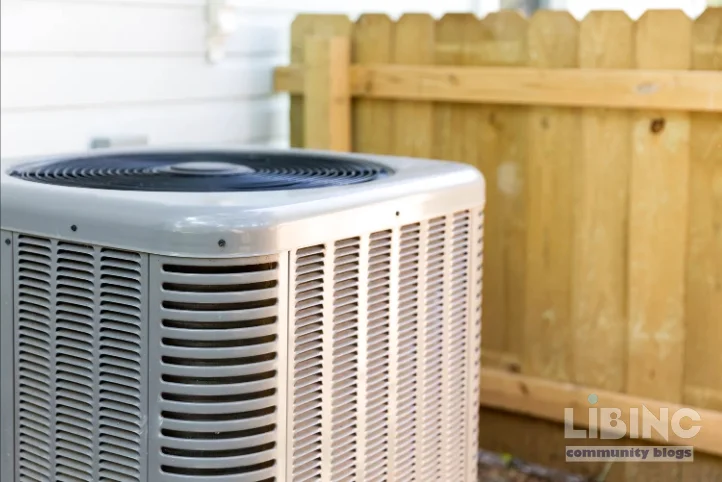
- Clean the outdoor condenser coil: Use a garden hose to spray from the inside out or use a specialized coil cleaner if advised by the system manufacturer. Debris on the coil is the primary culprit behind rejected heat transfer this season. Cleanliness here directly lifts cooling capacity and reduces compressor load.
- Check for leaks and unusual noises: Listen for buzzing capacitors or grinding fan sounds while the unit runs. If you hear something off, turn off power at the disconnect and call a technician to inspect capacitors, contactors, and fan motors.
- Protect indoor airflow paths: Do not block supply or return vents with furniture; keep at least 1–2 feet of clearance around return grilles and avoid door-to-door vent obstructions.
- Manage the thermostat sensibly: Set a modest, consistent target such as 78°F when you’re home. Avoid large temperature swings that cause the system to ramp up and down excessively.
- Limit outdoor air intrusion: Close windows and doors during peak heat; avoid letting unconditioned air infiltrate the living space when it’s hot outside.
- Use fans to augment comfort: Employ ceiling fans or portable fans to direct a cool breeze toward occupant zones, reducing the need for extreme cooling.
- Schedule a professional check: After a heat wave, a quick diagnostic can catch developing issues before they become failures. Budget a service call to verify electrical integrity, refrigerant levels, and refrigerant circuit integrity.
Beyond the concrete steps, the broader strategy is to normalize operation so the system does not chase an impossible cooling target. A moderate, steady approach to cooling minimizes energy spikes and extends equipment life. In practice, this means combining careful filtration, coil maintenance, door and vent discipline, and intelligent thermostat usage. The consistent application of these steps acts as a shield against the next heat surge, while preserving overall system health for the long run.
Conclusion
Post-heat wave HVAC maintenance is not a one-and-done effort. It is a disciplined, analytically grounded routine that keeps airflow intact, protects electrical components, and promotes stable cycling. By prioritizing air filter replacement, condenser coil cleaning, and sensible thermostat management, you reduce both discomfort and the risk of costly failures. The endgame is a cooling system that can reliably deliver comfort during the hottest days without exhausting your energy budget or inviting surprise breakdowns.
To translate theory into action, here is a compact, actionable set of checks that reflect post-heat wave realities.
| Action | What it tests | Ideal reading | DIY check |
|---|---|---|---|
| Air filter | Airflow restriction | Clean, unobstructed | Replace if dirty; feel strong airflow |
| Condenser coil | Heat transfer | Clean coils | Rinse from inside out; avoid high-pressure |
| Electrical components | Capacitors/relays | Quiet, no buzz | Inspect visually; call pro if buzzing |
| Airflow paths | Vent distribution | Even temperatures | Clear returns and vents |
After these checks, the next layer focuses on steady operations and energy efficiency throughout the season.
Key impact 15–20% drop in cooling capacity can occur when outdoor coils are dirty, with energy use rising ~10–12% for the same load. Real-world example: a 1.5-ton system serving a 2,000 sq ft home may feel several degrees warmer on peak days if coils aren’t cleaned.
To keep comfort stable, combine these checks with thoughtful thermostat usage and steady airflow. A moderate, steady cooling profile tends to preserve efficiency and extend equipment life beyond the next heat wave.
| Season | Cadence | Key Tasks |
|---|---|---|
| Post-heat wave (0–2 weeks) | Weekly | Air filter replacement, coil check, thermostat sanity |
| Mid-summer | Bi-weekly | Vent clearance, verify airflow balance |
| Late summer | Monthly | Professional check, refrigerant and electricals |
These measures translate heat-wave stress into manageable workload, preserving efficiency and extending equipment life.
FAQ
How should I start after a heat wave to protect my HVAC system?
Begin with air filter replacement and coil inspection to protect performance. In practical terms, replace the filter, inspect the outdoor coil for debris, and test airflow by feeling air at multiple vents. These steps reduce compressor run time and energy use. By catching a dirty filter or clogged coil early, you prevent cascading issues and improve comfort during the next heat surge. This simple routine also serves as a baseline for more thorough diagnostics if problems persist.
When is it time to call a professional after a heat wave?
Call a pro if you notice persistent high head pressure, unusual buzzing, or refrigerant odors, and if the system trips on high-temperature demand. In practice, rapid responses to noises, poor cooling despite thermostat adjustments, or ice on the evaporator indicate issues beyond DIY scope. A technician can verify refrigerant levels, capacitors, contactors, and electrical integrity to prevent unexpected failures during peak periods.
Does thermostat use after a heat wave affect energy and comfort?
Yes. Maintaining a steady, reasonable setpoint reduces cycling and stress on the compressor. A gradual approach—avoiding large swings like dropping from 78°F to 68°F in minutes—helps keep humidity and temperature stable, improving comfort and reducing energy waste. In turn, predictable cycling lowers wear and can extend system life over the season.
How do dirty coils impact efficiency and costs?
Dirty coils impede heat transfer, raising compressor head pressure and lengthening run times. This increases energy consumption and accelerates component wear. A clean condenser coil improves heat exchange, lowers operating pressure, and reduces energy bills during hot spells. Regular coil cleaning is a practical, high-ROI maintenance step for hot climates.
What maintenance cadence should I follow after extreme heat?
Adopt a proactive cadence: after a heat wave, perform weekly air filter checks for 2 weeks, then transition to monthly filter checks and quarterly coil inspections. Pair these with annual professional inspections of refrigerant circuits and electrical components. This cadence balances cost with reliability, keeping the system ready for the next heat event.





Add a comment
To comment, you need to register and authorize
Comments