

Ergonomic Exercises for Salon Professionals: Three Daily Moves and Ergonomic Techniques to Prevent Pain from Standing and Overhead Work
Table of Contents
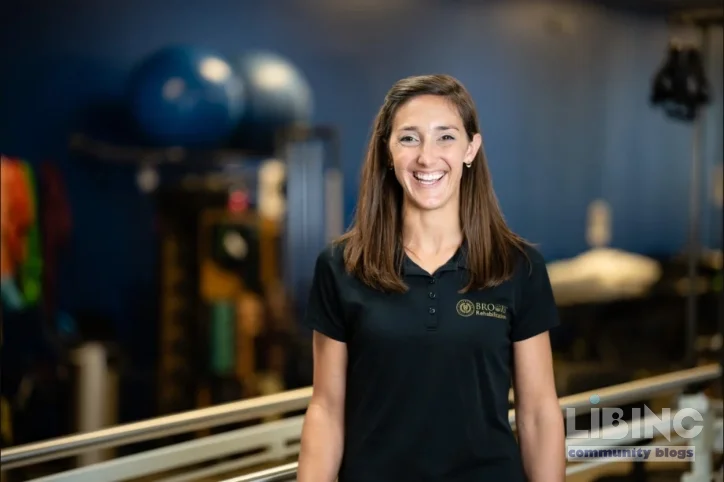
Salon professionals spend long hours on their feet, bending forward and performing overhead movements that tax the neck, shoulders, and back. The consequences show up as stiffness, headaches, and fatigue that erode precision and efficiency at the chair or station. Online trends favor posture braces and quick-fix devices, but physical therapists stress that prevention through movement and sound body mechanics is far more effective. Mallory Behenna, PT, DPT, orthopedic physical therapist at Brooks Rehabilitation, shares three simple exercises to perform daily, plus ergonomic techniques tailored to hairstylists and nail technicians. The aim is not a one-off stretch but a durable habit that keeps the spine in a neutral position, distributes load across the kinetic chain, and refreshes joint function during a typical workday. This article distills that approach into concrete, actionable steps for long-term health in busy salons.
Three daily exercises for salon professionals
The following moves target core stability, hip control, and scapular balance—key levers for reducing pain and improving endurance in long shifts. Each exercise is designed to be practical at or near workstations and can be integrated into micro-breaks spaced roughly every 10 minutes, in line with Newtonian ideas of motion leading to motion. Consistent practice builds a resilient foundation that prevents cumulative overuse injuries.
Exercise 1 — Plank for posture and core endurance
The plank reinforces the muscular corset around the spine, supporting neutral alignment during overhead work and forward bending. It also improves overall balance and spinal stability, which helps professionals maintain control when fine motor accuracy matters.
- Get into a push-up position with the body in a straight line from head to toe
- Distribute weight evenly and avoid letting the hips sag or rise excessively
- Engage the glutes and core, then hold for up to 60 seconds, increasing gradually as tolerance improves
Why this matters: a stable core reduces compensatory movements in the spine and neck, lowering the risk of radicular symptoms and chronic tension in the upper back. Regular practice improves endurance for long client sessions and enhances alignment during precision tasks, limiting neck and shoulder strain.
Exercise 2 — Step-ups for hip stability
Step-ups train hip abductors and knee alignment, a crucial foundation when standing for hours. Strong hips prevent overreliance on the spine to bear loads and help distribute forces more evenly through the pelvis and lower limbs.
- Use the bottom step of a staircase or a sturdy 4–8 inch platform
- Step up with one leg, then slowly lower back down
- Perform 10–15 repetitions for three sets on each leg
- For an added challenge, bring the knee toward the chest as you step up
Why this matters: hip strength and controlled leg drive reduce compensatory lumbar and thoracic motion when you shift weight during client interactions. Better hip control supports a neutral spine, which mitigates low back discomfort during persistent standing.
Exercise 3 — Side-lying hip abduction for abductors
Targeting the gluteus medius and other hip stabilizers helps maintain pelvis position during tall tasks and prevents knee valgus that can prompt knee and lower-back strain.
- Lie on one side with the bottom knee bent and the top leg straight
- Raise the top leg while keeping the heel slightly behind the hip
- Lower slowly and repeat 10–15 repetitions for three sets on each side
Why this matters: strong hip abductors provide a stable base for the entire system. A stable pelvis and reduced unintended leg movement translate to less compensatory upper-body tightness, particularly when you reach for clients or lean forward to access small details in nails or hair.
Ergonomics for hairstylists: maintaining a sustainable overhead workflow
For stylists who spend significant time with arms elevated, the risk of shoulder and neck overload rises. Performance here is less about brute strength and more about posture and load distribution. The body works as a connected chain, where hips and core influence how the arm moves at the shoulder. This is why weight shifting and mindful positioning matter as much as raw arm power.
- Keep the elbow near the body and the shoulder blades gently depressed and retracted to minimize excessive trapezius activation
- When working through thick or wet hair, rely on a weight shift through the hips and pelvis rather than pure arm force
- Think of the arm as an extension of the trunk; pelvis position governs arm movement
Ergonomic takeaway: reducing sustained elevation and distributing workload through the torso preserves shoulder health and reduces fatigue during long hair services. This approach also helps maintain precision and control when executing detailed styling tasks.
Ergonomics for nail technicians: hinging from the hips, not the spine
Nail work often requires sustained forward bending. The safest pattern is to hinge at the hips, keeping the spine in a neutral, supported position. Rounding the spine concentrates stress on the back and neck, while hip-driven motion preserves spinal alignment and reduces muscular fatigue.
- Keep both feet planted on the floor to help offload the spine when seated or leaning
- Avoid resting the feet on wheels or chair legs, which destabilizes the pelvis and can worsen compensation patterns
- Engage core and hinge from the hips when reaching for clients' nails or performing detailed tasks
Practical impact: stabilizing the torso during close-in work reduces neck tension and helps maintain precise control for delicate handwork that requires fine motor accuracy and steady hands throughout long shifts.
Tech neck, posture, and sleep: aligning daily life with salon health
The average person spends excessive hours in front of screens, which can promote rounded shoulders and forward head posture. This posture shifts load onto the neck and upper back, contributing to chronic pain and headaches that carry over into workdays.
- Maintain a neutral neck alignment; avoid looking down for extended periods
- When possible, position screens at eye level and take micro-breaks to reset posture
- Prefer sleeping on the back or side with a neutral neck position and supportive pillows
Why sleep matters: restful alignment reduces morning stiffness, supporting better posture on long shifts and reducing the risk of overuse injuries in the neck and upper spine.
Workstation and body setup: ergonomic basics for salon pros
Beyond exercises, the right environment compounds the protective effects of movement. A well-tuned workstation minimizes compensatory patterns and supports neutral posture during service delivery.
- Use an ergonomic keyboard and chair height that keeps shoulders relaxed and forearms parallel to the floor
- Adjust the client or service station so that you don’t have to reach excessively or lean forward for long periods
- Prefer a stable foot position with both feet actively supporting weight during tasks
Rationale: alignment between workstation setup and movement patterns reduces cumulative tissue loading, keeping musculoskeletal demand within a sustainable range for daily practice.
Implementation roadmap: turning theory into practice
The following 4-week plan translates the exercises and ergonomic principles into a gradual, sustainable schedule. Each week introduces a small, cumulative increase in workload and complexity, aligned with real salon routines.
- Week 1: establish baseline cognitive cues for posture, perform the three exercises in a pair of 5-minute blocks daily, and adjust workstation setup
- Week 2: increase plank hold to 40–45 seconds as tolerance allows, add one additional set of step-ups, and practice hip hinge during bending tasks
- Week 3: extend plank to 60 seconds, perform hip abduction on both sides, and incorporate weight-shift techniques into hair styling and nail work
- Week 4: consolidate the routine into a compact, 15–20 minute daily practice, integrate micro-breaks every 8–12 minutes, and optimize workstation ergonomics for ongoing health
Long-term adherence is about consistency, not intensity. The aim is to normalize movement-based prevention as part of daily life, so pain does not accumulate and performance remains high across client sessions.
In practice, this approach aligns with evidence from orthopedic physical therapy that emphasizes active movement, strategic loading, and posture-aware actions as the most effective strategy for preventing work-related musculoskeletal disorders among salon professionals. The exercises below are simple to perform, yet they yield meaningful improvements in spinal support, hip stability, and shoulder mechanics, especially when integrated with mindful work techniques and workstation adjustments.
Adopting a movement-based prevention routine coupled with targeted ergonomic practices offers a durable path to reducing pain and extending career longevity for hairdressers, barbers, and nail technicians. When posture is supported by a stable core, hips, and neutral spine, the risk of neck, back, and shoulder strain drops markedly, helping professionals stay on their game from first client to last.
Practical progression and gear to sustain salon health
To close the practical gap, this section translates the moves into a concise progression and a compact gear checklist that fits a typical salon day. The goal is sustainable habit formation, not isolated stretches. The plan combines a four‑week progression with workstation tweaks that support neutral posture during service delivery, so improvements persist across client sessions.
| Week | Plank Hold | Step-Ups (per leg) | Side-Lying Hip Abduction | Notes |
|---|---|---|---|---|
| Week 1 | 20–30s | 10 | 10–12 | Focus on form; micro-breaks every 8–12 minutes |
| Week 2 | 40–45s | 12–15 | 12–15 | Introduce hip hinge during bends |
| Week 3 | 60s | 15–20 | 15–20 | Add hip reach; maintain neutral spine |
| Week 4 | 60–75s | 15–20 | 15–20 | Combine with weight-shift during services |
Gear and workstation quick wins
- Anti-fatigue mat at standing stations to reduce plantar fatigue
- Adjustable stool or chair to align forearms with the client without leaning
- Hands-free tool couches or trays to keep wrists neutral
Impact snapshot
Regular movement plus posture cues can reduce perceived neck and shoulder fatigue by about 40–60% within four weeks for many salon professionals.
Micro-break cadence (nested plan)
- Every 8–12 minutes: 20–30 seconds of neck retractions and shoulder squeezes
- Every 30–60 minutes: 1–2 minute hip hinge and glute activation
- During service: shift load through hips before lifting with the arms
Beyond the three core moves, optimize your environment by aligning screens at eye level, keeping wrists neutral at work, and delivering services with a rhythm that balances precision with relief periods. The synergy of movement, posture, and gear creates durable improvements in core stability, hip control, and scapular balance—key factors for long, pain-free salon careers.
Implementation roadmap: turning theory into routine
The following 4-week plan translates the exercises and ergonomic principles into a gradual, sustainable schedule that fits busy salon days.
- Week 1: establish baseline cues for posture, perform the three exercises in two 5-minute blocks daily, and adjust workstation setup
- Week 2: plank hold to 40–45 seconds, add one more set of step-ups, practice hip hinge during bending tasks
- Week 3: extend plank to 60 seconds, perform hip abduction on both sides, incorporate weight-shift techniques into styling tasks
- Week 4: consolidate into a 15–20 minute daily routine with micro-breaks every 8–12 minutes, optimize workstation ergonomics for ongoing health
Consistency beats intensity. This plan helps maintain performance from first client to last while protecting the spine, hips, and shoulders.
Adopting movement-based prevention with ergonomic practices offers a durable path to reducing pain and extending careers for hairdressers, barbers, and nail technicians. When the core is supported, hips are active, and the spine remains neutral, the risk of neck, back, and shoulder strain drops markedly, enabling sustained precision throughout long shifts.
Frequently asked questions
What are the core daily exercises for salon pros and why are they effective?
Maintaining a plank for posture and core endurance, performing step-ups for hip stability, and doing side-lying hip abductions for abductors creates a balanced, multi‑joint approach that supports the spine, pelvis, and shoulder girdle during long hours of standing and overhead work. This combination targets the most load-bearing regions in salon tasks and reduces compensatory tensions that lead to neck and back pain. By training the kinetic chain as a connected system, you improve endurance, control, and precision in both hair and nail work. Clinically, this pattern aligns with active‑loading strategies that emphasize gradual progression and neutral spine alignment, which are key to long-term health in dynamic service environments.
In practice, practitioners often notice less fatigue after shifts, better posture cues during detailed tasks, and fewer stiffness‑related disruptions in client sessions. The routine is scalable for different body sizes and service styles, making it a practical foundation for most salon roles.
How should I structure micro-breaks during a busy day?
Micro-breaks should be brief, frequent, and targeted: 20–30 seconds of neck retraction and scapular squeeze every 8–12 minutes, plus 1–2 minute hips/legs activation every 30–60 minutes. These pauses disrupt static loading, restore circulation, and recalibrate posture without breaking the flow of service. In practice, set a gentle reminder or cue and pair it with a simple breath pattern to maximize cortical reset. Regularly integrating these breaks improves comfort during long sessions and supports more precise, controlled movements when working at the chair or station.
Over time, this cadence reduces fatigue and contributes to more consistent performance across clients. It also helps reinforce the habit loop necessary for sustained ergonomic practice.
What workstation adjustments provide the most benefit?
Key adjustments include a chair and client station at heights that keep shoulders relaxed and forearms parallel to the floor, screens at eye level to reduce neck flexion, and stable foot positioning to avoid compensatory pelvic shifts. An anti-fatigue mat, adjustable stools or chairs, and accessible tool trays encourage neutral spine and pelvis alignment. These changes minimize habitual overreaching or leaning, reducing cumulative tissue loading and supporting better control during detailed services.
Practical impact: with a stable base and properly oriented tools, stylists maintain precision longer and reduce the likelihood of strain-related pauses in service delivery.
How should I progress the plank safely in a salon setting?
The progression starts with shorter holds (20–30 seconds) and gradually advances to 60 seconds, ensuring the hips remain level and the spine neutral. Add repetitions across sets rather than increasing hold time too quickly—this form of progressive loading supports core endurance without triggering compensatory movements. If back pain or nerve symptoms appear, reduce hold time or skip a session and re-evaluate technique, then reintroduce gradually under guidance. Consistency with proper form matters more than total time.
Application in daily work shows that a steady progression improves postural control during overhead tasks and reduces fatigue and tension in the upper back and neck region.
Can these routines help nail technicians specifically?
Yes. Nail work often requires forward bending and close-in positioning, which stresses the lumbar spine and neck. The hinge-from-the-hips approach and hip-focused exercises help keep the spine aligned while you reach for tools and clients, reducing low-back and neck fatigue. In nail tasks, stable pelvis and engaged core reduce compensatory torso twisting and hand fatigue, supporting steadier hand control for precise manicures and pedicures.
In practice, technicians who integrate hip-driven movement report improved balance, less daytime fatigue, and steadier hand movements during long sessions.
How do I track progress and stay adherent?
Set a simple weekly goal: 4–5 days of movement, with at least three micro-breaks per shift and a 4-week progression for the core exercises. Use a quick log—date, duration, and any notes on comfort or pain—to monitor changes. Pair movement with a workplace habit cue, such as starting a service with a 20-second reset and finishing with a 1-minute cool-down stretch. Regular reminders and visible progress markers reinforce adherence, while small, tangible improvements help sustain motivation across busy weeks.
Ultimately, adherence comes from making the routine practical, time-efficient, and clearly connected to daily work performance.





Add a comment
To comment, you need to register and authorize
Comments