

Table of contents
Heatproof beauty has moved from a niche feature to a central performance standard in modern cosmetics. Climate dynamics push consumers to demand products that endure heat, humidity, and sweaty atmospheres without visible compromise. The stakes are not merely cosmetic: makeup performance now intersects with comfort, confidence, and daily routines under climate stress. Brands face a bifurcation: grow the long-wear category or risk losing relevance as heat waves intensify. This analysis maps how makers solve for heat and humidity, and what those decisions imply for the next wave of launches.
From tropical humidity to temperate heat waves, the consumer expectation shifts toward textures that disappear rather than melt. Long-wear formulas, setting aids, and oil-control systems compete with lighter, barely-there looks, forcing brands to optimize if they want true climate resilience. The trend is not optional; it is a strategic response to a warming world that users actually feel on their skin. The industry now treats resilience as a feature on par with pigment payoff and finish.
Analytics: Heatproof Beauty and Market Signals
The data ecosystem around climate-adaptive beauty points to a market reengineering itself around performance under stress. Boots’ 2026 beauty survey captures a consumer base that has materially altered routines to accommodate environmental factors, with 47 percent reporting changes and 57 percent willing to pay a premium for climate- or pollution-defence. These numbers are not mere sentiment; they translate into purchase velocity across core categories like foundation, powders, and setting products. The signal is unambiguous: resilience justifies price premium and brand trust as climate narratives permeate labeling and claims.
Market analytics also highlight a broader shift beyond makeup into related spaces, including haircare and skincare, where environmental stressors accelerate demand for protective, long-lasting formulations. The global facial makeup segment—already rich in heat-proof primers, blotting solutions, and setting sprays—is poised to exceed a $2 billion annual benchmark, underscoring a durable, category-wide renaissance. Such figures reflect a consumer economy that rewards sustained performance, not novelty alone, and they foreshadow deeper integration of durability metrics into product development calendars.
The practical implications for marketers are profound. Brands that operate in warmer climates must reconfigure testing protocols to simulate real-world thermal and oxidative stress, not ideal lab conditions. Retailers increasingly reward clear, verifiable performance claims—such as 24-hour wear or oil-control efficacy—over aspirational language. In this analytic frame, the success of a heatproof product hinges on verifiable endurance, not fashion-forward text alone. This dynamic reshapes how beauty teams allocate R&D budgets and calibrate go-to-market timing to align with climate-driven demand peaks.
Several market indicators reinforce the analytic picture. First, European and U.S. markets report sustained demand for long-wear and humidity-resilient options as heat affects daily routines across cities. Second, Asian markets continue to push formulations that counter humidity and air-conditioned dryness, often blending skincare functions with makeup durability. Third, the hair category shows increasing experimentation with anti-frizz technologies and weather-proof styling aids that survive humidity and heat. Each signal supports the core thesis: climate resilience is now a determinant of brand equity in beauty.
From a competitive standpoint, incumbents and challengers deploy similar strategic levers. They expand protective ingredients, fine-tune emollients that resist oil separation under heat, and orchestrate cross-category campaigns that foreground climate defence. Still, differences emerge in execution. Some brands emphasize science-backed exosome or microalgae-powered actives as part of a broader health-and-climate narrative, while others lean on performance claims anchored in testing data. The result is a landscape where the credibility of a claim matters as much as the claim itself, and where climate narrative must be substantiated by measurable outcomes.
Contrast: Climate-Specific Formulas vs General Beauty Claims
The industry faces a stark contrast: climate-targeted formulas that address real-world stress, and generic beauty claims that promise beauty without qualification. In practice, brands that align their messaging with climate realities tend to outperform those that rely on traditional, climate-agnostic performance. The real-world efficacy of a foundation in a steamy city is not the same as its performance on a cool, dry shelf; consumers notice the difference, and retailers track it in conversions and returns. The tension is not about pigment alone but about endurance, texture retention, and user comfort when conditions deteriorate.
Consider the Nars Long Wear foundation, which the brand positioned as a 24-hour solution tailored for humid climates—an explicit response to environments like Southeast Asia and the Middle East. The product’s success depends less on a single feature than on a choreography of performance: oil absorption, microtexture stability, and comfortable sensation under sustained heat. By contrast, a generic long-wear claim may fall short if a formula lacks adaptive emollients, film formers, or setting mechanics that survive repeated perspiration and environmental exposure. The contrast, then, is a test of engineering discipline as much as marketing language.
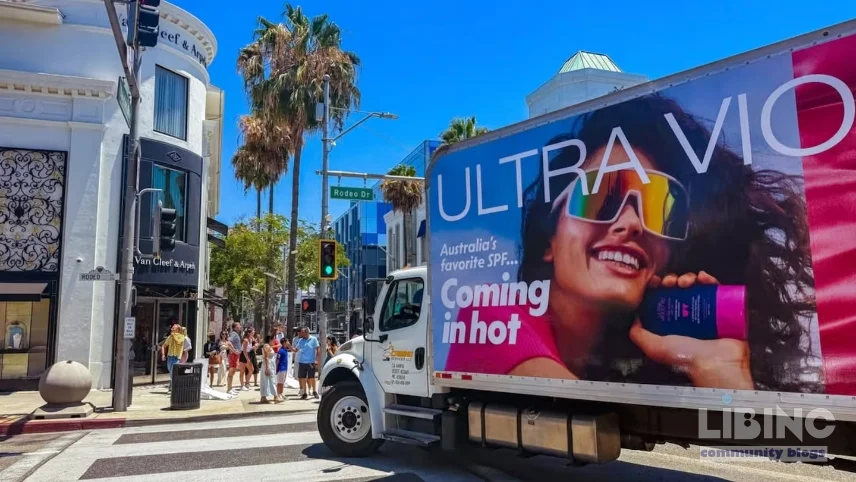
In parallel, sunscreen and skin-protection products illustrate another layer of contrast. Ultra Violette’s Fave Fluid, designed with heat and humidity in mind, demonstrates how the texture and the form factor can influence usage in real-world climates. Consumers in hot geographies often prefer featherweight textures that feel like nothing on the skin yet deliver sustained protection. The same logic applies to setting sprays and blotters from One/Size and Huda Beauty, which provide quick, post-application stamina in heat-prone settings. When climate-specific formulations succeed, they frequently cross over into mainstream adoption, elevating a brand’s overall resilience profile.
Brand storytelling also reveals differences in risk tolerance. Climate-specific claims invite scrutiny over testing, labeling, and third-party validation. Brands that fail to demonstrate endurance risk a credibility gap among expert audiences and consumers alike. Conversely, those that publish robust testing data—purchase-ready performance metrics, wear tests in humid environments, and consumer studies—build trust that survives the scrutiny of climate-driven buyers. This scrutiny becomes a marketing advantage when paired with tangible performance.
Industry observers also note the evolving role of anti-frizz and heat-protection technologies in hair care as a needed parallel to makeup endurance. Aveda’s All-for-One Leave-In Elixir, positioned as a single solution for heat protection, frizz control, and hydration, epitomizes the convergence of climate resilience and simplicity. The shift toward all-in-one convenience reflects user preferences in busy environments where climate conditions change rapidly and hair routines must adapt just as makeup does. The contrast here is not merely product selection but lifestyle signaling—users seek fewer, more reliable steps that still deliver durable outcomes.
Cause and effect: Climate trends fuel product innovation
The climate narrative exerts a causal pull on what gets developed and how it is marketed. When extreme heat and humidity become common experiences, product teams reframe design goals from “how does this look?” to “how does this hold up under stress?” The result is a suite of innovations that blend performance science with everyday practicality. In practice, this means more robust film formers, optimized emollients that resist oil separation, and smarter packaging that reduces product transfer or evaporation in heat.
Consumer data mirror this product logic. The growth of climate-defence oriented lines and cross-category partnerships indicates that durability is a primary driver of loyalty. In addition, the industry increasingly mediates climate claims with explicit, testable outcomes. Brands disclose wear times, oil absorption capacity, and translucency under stress to reassure buyers who demand evidence before committing premium dollars. In a climate-conscious market, proof becomes a kind of currency that can unlock premiumization and cross-category expansion.
Beyond cosmetics, hair care is catching up fast. Audemars Piguet’s Southeast Asia retail director cites frizz as a top challenge for humidity, underscoring the need for anti-frizz and humidity defense within hair routines. The sector has seen a 156 percent surge in anti-frizz product adoption in 2025, illustrating that climate needs are not a temporary trend but a structural shift in how consumers allocate time and resources to personal care. Allocating R&D resources to climate-resilient products therefore makes strategic sense for both top-line growth and margin protection when climate volatility rises.
Another causal thread links climate resilience to sensory experience. Consumers will not tolerate heavy formulas just to endure heat, so brands pursue breathable textures that feel like nothing while still delivering performance. Lightweight bases, micro-emulsions, and film-forming polymers enable this paradox: invisible protection without a heavy finish. This balance—durability without heaviness—defines the next stage of heatproof beauty, shaping both product design and consumer expectations.
In haircare, the same cause-and-effect logic applies to styling aids and finish products. Dry air, ac, and humidity make frizz a constant risk, so stylists and consumers seek products that deliver humidity resistance at the root, with finish that remains controllable through mid-day temperature swings. The result is a more cohesive, climate-aware approach across beauty routines, where makeup and haircare products reinforce one another in a climate-resilient system.
Expert reconstruction: The path forward for heatproof beauty
Industry experts anticipate a future in which climate resilience is embedded in product development from the earliest stages. Brands will increasingly pair climate-targeted claims with transparent testing and cross-market validation to mitigate risk and accelerate adoption. Expect more cross-functional collaboration between R&D, chemistry, and data science teams, aiming to quantify endurance using standardized climate simulations. This will help brands translate climate scenarios into repeatable consumer benefits, turning climate resilience into a competitive advantage rather than a marketing afterthought.
Innovation will also accelerate in skin-care–driven makeup hybrids. The line between skincare and makeup will blur as products deliver lipids, humectants, and antioxidants that preserve skin integrity while providing color and coverage. Naturium’s Multi-Active Exosome Serum signals the direction: skincare-grade actives extend into body care, reflecting a broader system approach to climate resilience. In parallel, color cosmetics will incorporate durable, water-resistant textures with comfort-enhancing emollients that minimize tack, oil separation, and scent issues in hot environments.
On the retail side, the climate narrative will reshape merchandising. Brands will deploy climate-defense storytelling across packaging, sampling, and in-store experiences to anchor consumer education in real-world performance. Digital testing will proliferate, with wear-tests and climate simulations powering consumer reviews and influencer validation. The goal is not mere hype but measurable, repeatable outcomes that prove heatproof beauty can withstand the most demanding climates. This disciplined approach will be essential as the market navigates the ongoing complexities of climate change and urbanization.
Finally, the ecosystem will demand better global consistency. Consumers travel, migrate, and shop across borders; therefore, heatproof beauty must translate across markets with comparable performance and claims. Brands like Laneige, Tresemmé, Flutterhabit, Curie, and Salt & Stone showcase how localization can co-exist with a universal standard of durability. That global discipline will determine which firms sustain momentum as climate volatility persists and consumer expectations continue to evolve.
Looking ahead, heatproof beauty will no longer be a side note but a core criterion for product design, packaging, and go-to-market strategy. The convergence of robust testing, climate-driven R&D, and transparent consumer communication will define credibility in a market increasingly shaped by heat and humidity. For firms that align their operations with climate resilience, the payoff will be stronger retention, better margins, and a more resilient brand identity that stands up to the next wave of environmental stress.
In closing, the industry is learning to design cosmetics and haircare with the climate in mind, rather than retrofitting performance claims after launch. The most successful products will combine texture comfort with endurance, delivering an invisible shield against heat without sacrificing user experience. Heatproof beauty, once a specialized niche, has become a practical standard for the modern consumer and a strategic priority for the brands that serve them.
Closing the practical testing gap: standardized protocols and consumer guidance
Despite strong signals, the beauty industry lacks uniform, verifiable methods to prove climate resilience in real-world use. Brands that adopt repeatable climate simulations, objective wear data, and clear consumer explanations can translate endurance into measurable benefits that shoppers understand and trust.
Climate-resilience feature matrix
| Product Type | Endurance (h) | Oil Absorption | Humidity Stability | Comfort |
|---|---|---|---|---|
| Foundation | 12–24 h | High | High | Medium |
| Concealer | 12–18 h | Medium | High | High |
| Setting Powder | 12–16 h | Very High | High | High |
| Setting Spray | 16–24 h | Low | Very High | High |
| Lipstick | 6–10 h | Low | Medium | Medium |
In practice, such data allows a foundation to be labeled with a quantified endurance badge and supports claims on oil control and texture stability. Consumers benefit from transparent metrics that map to their own climate realities.
Key consumer insights snapshot
Urbanization and travel amplify demand for universal performance; brands that validate across markets win trust faster.
Implementation steps for brands
- Embed standardized climate simulations early in R&D and seek cross-market validation to avoid rework.
- Publish verifiable outcomes—wear time, oil absorption, texture stability—on packaging and digital product pages.
- Adopt skincare-like hybrids and cross-category storytelling to deliver durable, comfortable results in heat.
What defines heatproof beauty and why does it matter?
Heatproof beauty is a practical standard that defines cosmetics and haircare as capable of preserving pigment, texture, and wear under sustained heat and humidity, avoiding slipping, melting, or chalkiness; it matters because in real life this endurance dictates daily routines, confidence, and perceived value for shoppers facing hot commutes, humid summers, and climate-stressed environments, where breakthrough performance translates into fewer touch-ups and less frustration. In practice, brands validate this through standardized endurance testing, consumer wear trials, and transparent labeling, while shoppers rely on measurable results and comfortable feel to guide decisions.
How should testing for climate resilience be conducted?
Testing should combine standardized climate simulations with real-world wear trials across representative cities, followed by statistical analysis to separate formulation performance from user variability, allowing brands to isolate the factors that truly drive endurance in hot and humid environments.
How can consumers evaluate heatproof claims on products?
Consumers should look for quantified metrics (wear hours, oil control, humidity resilience), third-party validation where available, and transparent labeling that ties claims to test conditions and real-world usage, rather than vague assertions. Reading reviews from climate-similar regions can also illuminate true performance.
Which haircare reforms support climate resilience?
Reforms include anti-frizz technologies, humidity-defying styling aids, and lightweight, breathable textures that protect hair without heaviness, plus cross-category approaches that pair hair protection with scalp and moisture management for durable, manageable results in heat and dryness.
What challenges do brands face when validating climate-related performance claims?
Challenges include establishing credible, reproducible tests that reflect diverse climate realities, communicating complex data clearly, and balancing premiumization with accessibility while avoiding greenwashing by providing transparent, verifiable outcomes and independent validation.
What trends will define heatproof beauty in the next 5 years?
Trends point toward deeper skin-health integration, scalable climate simulations across markets, and cross-category products that combine barrier protection, hydration, and color, enabling durable performance without sacrificing comfort or feel, supported by robust data and certified claims.




Add a comment
To comment, you need to register and authorize
Comments