

European food festivals: how local produce and place shape travel and economy
Table of contents
- Analytics: European food festivals as cultural economies
- Contrast: scale, purpose, and product focus across European food festivals
- Cause and effect: how local agriculture, tourism, and culture loop through festivals
- Expert reconstruction: crafting resilient, authentic European food festivals
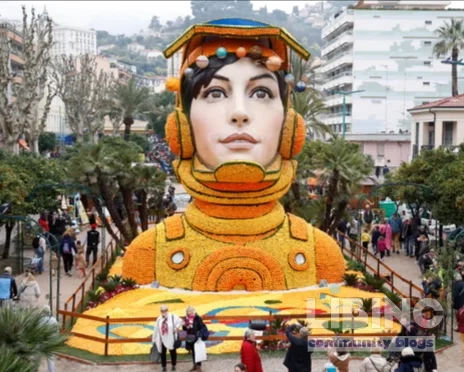
European food festivals are more than palate-pleasers; they are instruments of place-making, economy, and cultural memory. In Menton, the Lemon Festival turns citrus into spectacle, shaping microclimate-grown produce into branding that travels far beyond the coast. Elsewhere, events like the Tiramisù World Cup in Treviso or Bern's Zibelemärit transform harvest into performance, inviting locals and visitors to trade, taste, and tell stories. This article analyzes these gatherings through four lenses—analytics, contrast, cause-and-effect, and expert reconstruction—to expose how such festivals knit food, place, and tourism into resilient regional economies. The focus is not on pretty pictures alone but on measurable impacts—visitor spend, farmgate demand, seasonal supply dynamics, and the potential for sustainable gastronomy to redefine what travelers seek. By tracing examples from Menton to Treviso, Bern to Cervere, the piece reveals how these festivals serve as living laboratories for regional identity and economic diversification.
Analytics: European food festivals as cultural economies
The Menton Lemon Festival, held each year in the winter, anchors a broader regional economy that thrives on citrus—an outcome of Menton’s unique microclimate, where the Alps shield the coast from harsher winds and colder seasons. This climate nuance translates into lemons with distinctive fragrance and flavour that lend the festival a tangible sense of terroir. The event’s sculptures in the Golden Garden of Light and the markets beneath the palm-lined promenades convert horticultural output into experiential value, turning cultivation into a public display and a driver of visitor spend. This is not just spectacle; it is a form of economic planning that leverages agricultural heritage to sustain hospitality and retail on shoulder months. The signal is clear: climate-enabled produce becomes a branding asset, and branding, in turn, sustains the supply chain as a cyclical economic engine.
From the macroeconomic lens, the Lemon Festival functions as a case study in tourism revenue generation and brand equity for regional agriculture. The festival boosts demand across sectors—hotels, restaurants, transport services, and artisan stalls—creating a multiplier effect that extends beyond festival dates. In terms of culinary tourism, the event creates sensory anchors—lemons as aroma, visual citrus displays, and zesty street fare—that convert visitors into repeat travelers and local buyers into long-term customers. The elevation of a single crop into a year-round economic asset demonstrates how festival economies can stabilize seasonal earnings and support seasonal farm labor markets into the off-peak months. In this sense, Menton’s lemons become not merely produce but a platform for regional economic resilience through carefully choreographed public programming and market channels.
The Tiramisù World Cup in Treviso expands the same logic into a national dessert narrative that blends tasting, demonstrations, and public judging. Three days of activity—tastings, culinary demonstrations from local chefs, and a judging contest involving the public—create an experiential economy around a non-native crop that has become integral to the local culinary calendar. Folk music in the streets and promotional set menus around 20 euros for two courses amplify the festival’s reach, translating culinary culture into accessible value propositions for both residents and visitors. The event doubles as a showcase for regional gastronomy and as a practical laboratory for hospitality ecosystems—training, service, and seasonal supply synchronization—thereby reinforcing Treviso’s status as a center of Italian culinary innovation and tourism leverage. This case illustrates how competitions can function as public-facing R&D for local food industries, aligning consumer taste with producer incentive and, in doing so, boosting regional growth trajectories.
The Gota Cotta festival in Colle di Val d Elsa (Tuscany) and the Cervere leek festival reinforce the economics of specialization. The former centers on pork cheek products, reviving a niche yet historically significant meat tradition that serves as a draw for culinary curiosity and agro-tourism; the latter consolidates a dedicated leek economy into a festival ecosystem with a permanent Palaporro pavilion, inviting sit-down tastings and field trips to local leek fields. These events demonstrate how cultural specificity translates into durable economic assets: dedicated supply chains, reputational capital, and a predictable rhythm of regional commerce. The data point is not merely attendance; it is the conversion rate of curiosity into sustained consumer patronage across farms, butchers, markets, and eateries. In this sense, the economics of identity are inseparable from the economics of exchange—the more authentic the product, the stronger the marketplace for it becomes, particularly when tied to a tangible seasonal cycle.
In Bern, Zibelemärit—the onion fair held on the fourth Monday in November—offers a contrasting model of scale and intimacy. Braided onions, garlic, onion tarts, and onion soups evoke a local agrarian calendar in a compact city setting. The event’s sensory texture—aroma of frying onions, street markets, and warming glühwein—demonstrates how a compact urban context can still yield deep economic and cultural returns. Here, the value lies not in monumental installations but in authentic, time-honored farming practices and direct exchanges between growers and consumers. The takeaway is that scale matters, but authenticity and local networks can deliver significant economic resilience even in smaller markets, provided the event is well-integrated with daily life and seasonal supply chains.
The Cervere leek festival and related Piedmontese celebrations—where the town organizes a dedicated festival infrastructure for a single vegetable—underscore how agricultural specialization, when embedded in public programming, sustains both production and marketplace demand. The annual rhythm—sizable but not oversized—creates predictable periods of consumer attention, allowing farmers and processors to plan harvests, storage, and distribution with confidence. This alignment between agricultural cadence and festival programming is essential for minimizing waste, maximizing value capture for small producers, and reinforcing regional food tourism as a steady source of revenue rather than a one-off spectacle. The pattern shows how small, targeted events can generate outsized returns by aligning culinary culture with supply chain discipline and visitor experience design.
Contrast: scale, purpose, and product focus across European food festivals
The landscape of European food festivals spans from intimate street fairs to large-scale gastronomic showcases, and the intent behind each event shapes its meaning for locals and visitors alike. Across Menton, Bern, Cervere, Dingle, Plymouth, Malton, Wylam, Bolton, and Dingle, the core questions revolve around what is being celebrated, who participates, and how the festival’s design translates agricultural potential into cultural value. The result is a spectrum of experiences that reveals how place, product, and politics interact to determine success in the festival economy. The first contrast is in scale: Menton’s winter spectacle sits at the more intimate end of the public programming spectrum, while the Dingle festival expands to a regional promenade of tastings, workshops, and market activity, generating broader tourism flows and cross-regional collaboration. The second contrast concerns purpose: some events prioritize culinary competition and showpiece art (as with the Tiramisù World Cup and citrus sculptures), while others emphasize community cohesion and support for traditional farming families (as with Zibelemärit and Cervere). The third contrast lies in product focus: citrus dominates Menton, onions anchor Bern, leeks crystallize Cervere, and pork cheeks anchor Gota Cotta; these focal products encode regional identity and define the promotional narrative, supply chains, and visitor experiences. The fourth contrast concerns seasonality and geography: winter citrus, autumn vegetables, and late-fall onions translate to distinct calendar windows and travel patterns, shaping when and how visitors plan trips and how farmers stage production for hospitality demand. Across these differences, the lesson is that success depends less on size or spectacle than on coherence between product story, local supply networks, and visitor engagement.
In Menton, the lemon narrative integrates horticulture with light sculpture, gastronomy stalls, and market commerce, producing a sensory palette that is hard to replicate elsewhere but teaches transferable lessons about branding, seasonality, and place-based storytelling. Bern’s onion fair, in contrast, leverages oral history, farming tradition, and a compact urban setting to create a more intimate, repeatable form of engagement that emphasizes neighborhood pride and accessible gastronomy. Cervere’s porro festival uses a permanent pavilion to stabilize the event’s footprint, allowing for longer-term planning and continuous product development that benefits local growers year after year. The Dingle festival’s Taste Trail demonstrates how a coastal town can expand culinary tourism beyond seafood into artisan products and experiential programming, reinforcing the value of a diverse, destination-level gastronomy strategy. These contrasts show that there is no single formula for success; there is, instead, a toolkit of approaches that can be adapted to local conditions, market appetite, and cultural heritage.
Cause and effect: how local agriculture, tourism, and culture loop through festivals
The production of Menton’s lemons is inseparable from the festival’s economics. The microclimate influences not only yield but also the intensity and fragrance of citrus, which then informs branding, product development, and seasonal menu planning across the city’s hospitality sector. The festival, in turn, reinforces farming practices by creating year-round demand signals—encouraging farmers to align harvests with festival timelines and to invest in quality control and packaging that appeals to visitors. This loop demonstrates how climate-informed agriculture can become a strategic asset for regional tourism, provided there is coherent product storytelling and investment in hospitality infrastructure that can translate aesthetics into revenue. The causal chain is deliberate: climate → crop quality → festival narrative → visitor demand → farmgate and hospitality sales. When any link weakens, the entire cycle loses momentum and resilience, underscoring the need for integrated planning across agronomy, markets, and event management.
The Tiramisù World Cup reveals another causal thread: culinary competitions generate aspirational experiences that attract media attention, sponsorship, and restaurant promotions, creating a virtuous loop of skill development, brand amplification, and consumer education. Local chefs leverage the platform to demonstrate technique and to disseminate regional recipes, strengthening the region’s culinary identity and expanding the local economy through hospitality training and culinary tourism. The public judging element democratizes expertise, turning spectators into co-creators of value and increasing the likelihood that visitors will spread positive word-of-mouth. This example shows how competition can function as a catalyst for knowledge transfer, product refinement, and market expansion, provided it remains anchored in local talent and sustainable supply systems rather than becoming a mere spectacle. The result is a more robust ecosystem for regional gastronomy that benefits producers, service providers, and consumers alike.
The onion fair in Bern and the leek festival in Cervere illustrate how agricultural festivities can stabilize seasonal income and foster regional supply chains through structured festival infrastructure. In Bern, the onion fair catalyzes a short-term surge in foot traffic and retail turnover, feeding directly into neighborhood economies and supporting family-owned stalls. In Cervere, the permanent Palaporro pavilion reduces the negotiation frictions between producers and buyers, enabling consistent marketing of leek-based products, culinary demonstrations, and field visits that deepen the linkage between farm and fork. These dynamics demonstrate that when festivals are aligned with agricultural calendars and transport networks, they can unlock predictable demand, reduce waste, and encourage investments in local production. The causal chain becomes clear: agricultural specialization → festival architecture → market access → local prosperity, with the caveat that quality control and supply chain transparency must be maintained to avoid erosion of trust among visitors and producers alike.
Across these cases, market-scale effects are mediated by cultural resonance. The Gota Cotta and Cervere events anchor regional identity through food heritage, reinforcing local pride and attracting visitors seeking authenticity. The Bern onion fair, while smaller in scale, demonstrates how cultural memory and everyday farming practices can generate durable engagement by offering hands-on experiences, demonstrations, and farm-to-table tasting opportunities. The Plymouth Flavour Fest and Malton’s festival ecosystem illustrate how urban settings can host diverse producers, turning a single event into a multi-venue experience that connects hinterland suppliers with city consumers. The causal logic is straightforward: culture builds meaning, meaning drives visitation, visitation supports producers, and producers sustain culture—creating a self-reinforcing loop that strengthens regional economies while preserving culinary traditions for future generations.
Expert reconstruction: crafting resilient, authentic European food festivals
To strengthen the resilience and authenticity of European food festivals, organizers should embed four core practices into program design. First, ensure the supply chain is visible and traceable, linking festival stalls to local farmers, fishers, and artisans with transparent provenance and seasonal menus. This guarantees quality, minimizes waste, and reinforces trust with visitors who seek genuine regional specialties. Second, diversify participation by including small producers alongside well-known partners, which broadens the product narrative and prevents over-reliance on a single supply stream. Third, integrate sustainability into every facet—from packaging and waste management to transport options and energy use—so the festival becomes a model of sustainable gastronomy that aligns with global consumer expectations. Fourth, create participatory experiences—masterclasses, tastings, and demonstrations—that empower visitors to become ambassadors for regional cuisine rather than passive spectators. These actions convert festival visitors into long-term advocates for local producers and the culture that sustains them, increasing lifetime value for both tourism and agriculture.
Lessons from Menton, Treviso, Bern, and Cervere suggest a practical blueprint for future festivals: design around a central product story, align harvest calendars with programming, and establish a coherent infrastructure that supports year-round visitor engagement. Use data collection to monitor visitor behavior, measure economic impact, and identify gaps in supply chains or home-market demand. Build partnerships between municipalities, hospitality networks, and educational institutions to create a pipeline of trained workers who can sustain high standards across events. Finally, cultivate a narrative that emphasizes sustainability and regional identity, while remaining adaptable to climate, market shifts, and evolving consumer tastes. Such a framework turns festivals into durable engines of regional development rather than episodic attractions that fade after the bells and banners are gone.
The Guardian reader tips accompanying this analysis remind us that local knowledge matters: communities contribute insight into what works, what to improve, and how festivals can grow with their towns. Incorporating this kind of citizen expertise into festival planning strengthens legitimacy, expands reach, and deepens cultural resonance. When planning bodies and local producers collaborate, European food festivals can become enduring platforms for regional gastronomy, agro-tourism, and culinary education—an integrated system that honors tradition while embracing innovation.
In sum, European food festivals offer more than seasonal joy; they provide a lens into how agricultural products, tourism dynamics, and cultural memory interweave to sustain regional economies. The four analytical prisms—analytics, contrast, cause-and-effect, and expert reconstruction—show that success rests on coherence among product storytelling, supply networks, sustainability, and visitor experience. If planners adopt this integrated approach, mentored by successful exemplars like Menton and Treviso, these festivals can continue to illuminate regional diversity while creating resilient futures for farmers, cooks, and communities alike.
Eventually, the most enduring festivals will be those that balance spectacle with stewardship, turning visitors into informed participants and producers into sustainable stewards of place. The lemon, the onion, the leek, and the dessert all become more than ingredients; they become the currency of regional identity, the backbone of local economies, and the catalysts for cross-cultural exchange that keeps European food festivals vibrant year after year.
Conclusion
European food festivals are laboratories of regional economies and cultural memory. Across Menton, Treviso, Bern, Cervere, and beyond, the interplay between climate, crop, cuisine, and commerce demonstrates how place-based gastronomy can drive sustainable tourism, resilient supply chains, and authentic visitor experiences. By analyzing these events through analytics, contrasts, causal relationships, and expert reconstruction, we uncover a blueprint for designing festivals that honor tradition while adapting to modern realities. The result is a robust model for the future of food-focused travel that respects local producers, engages communities, and invites travelers to participate in the story of place.
Strengthening the data-driven backbone of festival economies
Across the analyses, a key missing link is a concrete, repeatable framework that translates storytelling about place into measurable outcomes. This section offers a compact, practical blueprint that combines core KPIs, transparent data flows, and real-world scenarios to help organizers turn festival activity into durable regional value—without overcomplicating operations. The aim is to connect product narratives (local produce, culinary techniques, and heritage) with timely data about visitors, supply chains, and sustainability, so decisions in year two build on year one. Embedded examples show how a single neighborhood event can scale responsibly while preserving authenticity.
| Festival | Scale | Core Product | Key KPI | Data Source | Impact Example |
|---|---|---|---|---|---|
| Menton Lemon Festival | Medium | Citrus and terroir branding | Visitor spend per day | POS, stall data, hotel occupancy | +12% average daily spend; 8% hotel ADR lift |
| Tiramisù World Cup (Treviso) | Large | Dessert culture and technique | Ticket sales, class enrollments | Ticketing system, event app | Sustained class registrations; media lift |
| Bern Zibelemärit | Small-Scale | Onions and farmhouse staples | Market turnover | Market registers, vendor reports | Local spend churn; repeat visits |
| Cervere Leek Festival | Medium | Leek products and tastings | Supply chain visibility | Palaporro pavilion data | Stable year-round demand, lower waste |
To operationalize this, planners should build a simple data taxonomy: visitors, spend, product provenance, waste, and transport footprint. Each data point links to a decision moment: product mix, pricing, and scheduling. Consider a two-track rollout: the first concentrates on core producers and core days; the second adds smaller producers and cross-district programs. The result is a lean, repeatable system that scales with local capacity, preserves authenticity, and supports sustainable gastronomy as a living practice rather than a one-off spectacle.
In practice, a mid-season review can trigger adaptive changes: shifting a popular workshop to peak hours, rebalancing stall quotas to avoid bottlenecks, or diverting marketing focus toward farm-to-table demonstrations with tangible take-home options. A nested planning loop—plan, measure, adjust, report—keeps the festival responsive to climate, market shifts, and traveler expectations, while preserving a strong local identity.
- • Build a simple data dashboard that tracks the five data points above and refreshes after each weekend of events.
- • Schedule regular producer briefings to align harvest calendars with program slots and menu planning.
- • Implement waste sorting and packaging audits to reduce discarded product by at least 20% per edition.
- • Create participatory experiences that generate durable word-of-mouth, such as chef-led tastings tied to farm visits.
These practices convert cultural storytelling into concrete, reportable outcomes, enabling stakeholders to see how seasonal produce and local networks translate into lasting regional resilience.
What makes a European food festival contribute to a local economy?
European food festivals contribute to local economies by linking producer activity to visitor demand, strengthening hotels, transport, and retail, and creating predictable revenue for farms and artisans through well-timed events and diversified product lines. The most effective setups align harvest calendars with programming, support direct farm-to-plate experiences, and encourage repeat visitation through authentic storytelling. In practice, this means transparent supply chains, stable vendor mix, and accessible experiences that convert visitors into long-term supporters of local production.
This approach yields a multiplier effect: more visitors translate into higher hospitality turnover, while producer revenue stabilizes due to year-round demand signals. It also strengthens regional brand equity by anchoring tourism in tangible local assets, such as a harvest period or a signature dish.
Which KPIs best capture festival impact?
Key KPIs include visitor spend per day, average length of stay, hotel occupancy around festival dates, vendor turnover, and farmgate sales attributed to festival activity. Additionally, measuring waste diverted from landfill, carbon footprint per attendee, and supply chain traceability can reveal sustainability progress. These indicators help organizers recognize what drives revenue, what reduces costs, and how well the event supports local producers and community resilience.
Tracking these metrics over multiple editions also shows trends in guest satisfaction, repeat visitation, and the economic ripple across adjacent sectors such as transport and cultural services.
How can festivals reduce waste and improve sustainability?
Waste reduction begins with procurement choices and packaging. Opt for reusable or compostable materials, separate waste streams, and partner with local recyclers. Streamlining menus to minimize leftovers, offering tasting portions, and coordinating with local producers to supply only what is needed cut waste at the source. The festival should also optimize energy use, encourage shared transportation, and promote digital ticketing to lower paper waste. Sustainability is most effective when part of a narrative that travelers value, linking ecological choices with authentic culinary experiences.
In this way, sustainability becomes a feature that enhances visitor experience while protecting the environment and supporting producer livelihoods.
How can organizers strengthen the local supply chain through festivals?
Organizers should map key producers to festival needs, provide transparent provenance, and create predictable demand windows. A pavilion or pavilion-like structure, as seen in Cervere, stabilizes supplier presence and streamlines logistics. Regular pre-event tastings, farm visits, and education sessions for chefs help align product quality with consumer expectations. Long-term contracts with select growers and processors can smooth harvest cycles, reduce waste, and improve pricing certainty for both sides.
In short, consistent collaboration and clear provenance build trust among visitors and vendors, enabling a healthier local economy.
What makes a festival narrative feel authentic to travelers?
Authenticity stems from a coherent product story anchored in place: a signature crop, traditional practices, and transparent supply chains. It’s reinforced by consistent sensory cues—sound, scent, texture, and local lore—delivered through hands-on experiences like chef demonstrations, market walks, and farm visits. A festival that keeps this narrative consistent across marketing, programming, and vendor selection creates a credible traveler experience that resonates beyond a single edition.
Authenticity also grows through community involvement, where residents contribute ideas, share memories, and participate in planning. This collaborative approach enhances legitimacy and invites travelers to become part of the living story of place.
How can travelers engage with food festivals responsibly?
Travelers can engage responsibly by supporting local producers, choosing farmers-market or farm-to-table experiences, and using public or shared transport to reduce emissions. Participating in workshops, demonstrations, and guided tastings helps travelers learn techniques while valuing seasonality and provenance. By prioritizing experiences that emphasize sustainability, travelers contribute to the long-term resilience of regional food ecosystems.
Engaged visitors become advocates who spread positive word-of-mouth and return for future editions, reinforcing the festival’s role as a driver of regional identity and economy.





Add a comment
To comment, you need to register and authorize
Comments