

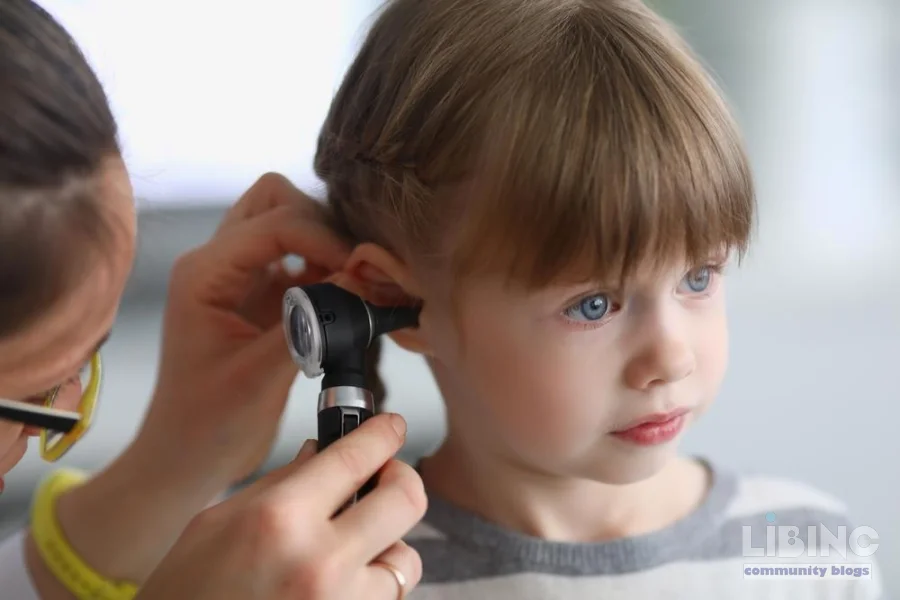
Pediatric Hearing Health: Early Screening and Development as a Strategic Imperative
Table of contents
- Analytics: The Hidden Costs of Untreated Pediatric Hearing Health
- Contrast: Screening and Intervention Pathways in Pediatric Hearing Health
- Cause-and-Effect: How Early Identification Alters Developmental Trajectories
- Expert Reconstruction: Integrated Protocols for Pediatric Hearing Health
- Practical Pathways and Next Steps
Healthy hearing is more than the ability to detect sounds. In early childhood, hearing shapes how a child learns language, negotiates attention, and forms social bonds. Even mild, untreated hearing loss can ripple through vocabulary growth, listening comprehension, and classroom participation. The result is not only slower speech but wider gaps in literacy and confidence later on. For parents and clinicians, recognizing and protecting hearing becomes a strategic lever for long-term development.
Yet many families assume that normal screening equals normal outcomes. The hidden conflict is that quiet, subtle deprivation can accumulate while a child copes, widening gaps when language demands rise. The path forward combines universal newborn hearing screening, precise assessment by pediatric audiology specialists, and timely interventions. This article maps the evidence, contrasts approaches, and translates it into a practical plan for early intervention and ongoing monitoring.
Analytics: The Hidden Costs of Untreated Pediatric Hearing Health
Untreated mild hearing loss reduces daily exposure to speech sounds, limiting phonemic discrimination, morphological learning, and grammar acquisition. The brain relies on rich auditory input in the first years; even small deficits tighten the timing windows for parsing language, which translates into slower vocabulary bursts and delayed syntax. This is not merely a hearing problem; it is a developmental signal with cascading effects on literacy, math readiness, and self-efficacy.
In pediatric audiology practice, early identification changes the path: amplification, devices, and therapy can restore crucial input. The data suggest that children who receive timely interventions tend to catch up with peers in expressive language and comprehension trajectories. These gains are not perfectly linear; they depend on consistent device use, family engagement, and integration with classroom supports. This is where the strategic value of pediatric hearing health becomes clear: prevention of long-term gaps starts with timely action.
Key channels through which untreated hearing loss harms development include language acquisition, auditory processing, and social communication. Family dynamics, schooling environments, and access to services amplify or mitigate these effects. Without targeted attention, subtle deficits become entrenched, creating a widening gulf in academic readiness and social participation. The economic and psychosocial costs accumulate across early childhood and beyond, underscoring the need for proactive screening and support systems.
Cost considerations are not only about devices and therapy. They include the opportunity costs of lost language-rich interactions, delayed literacy milestones, and the downstream impact on confidence and peer relationships. When systems fail to identify and address issues early, children face compounded barriers to learning. Proactive pediatric hearing health reframes these costs as preventable, actionable risks rather than intractable problems.
Contrast: Screening and Intervention Pathways in Pediatric Hearing Health
There are two dominant models for identifying and managing hearing issues in childhood: universal screening followed by standard audiologic care, and selective, problem-driven approaches anchored in symptomatic concerns. Each pathway shapes the timeliness of intervention, equity of access, and eventual developmental outcomes. In practice, the choice of pathway interacts with healthcare infrastructure, family resources, and school supports, producing distinct trajectories for language development and literacy.
Universal newborn hearing screening, when implemented with fidelity, serves as a foundational scaffold for pediatric hearing health. It creates an early alert system and increases the probability that infants who need amplification or therapy begin these services within the critical windows of language acquisition. In contrast, selective screening often depends on later recognition of delays, which can compress the window for optimal neural plasticity and complicate remediation strategies. This contrast matters for policy design and clinical workflows alike.
Access to follow-up diagnostics, amplification devices, and speech-language therapy means the difference between parallel trajectories to typical development and persistent gaps. When screening is coupled with robust pediatric audiology pathways—comprehensive assessment, family education, and integrated school supports—the probability of favorable developmental outcomes improves markedly. The gap between universal and selective approaches is not merely timing; it is the quality and cohesion of care across settings.
From a systems perspective, the most effective model blends universal screening with streamlined access to corrective interventions, ongoing monitoring, and caregiver coaching. Such a model aligns clinical practice with educational expectations, reducing the risk that cognitive and social delays translate into underachievement. The key is not only identifying who needs help but ensuring that help is timely, consistent, and contextually integrated with a child’s daily life.
Cause-and-Effect: How Early Identification Alters Developmental Trajectories
Early identification creates a cause-and-effect sequence that starts with reliable access to accurate diagnostic information. When a child’s hearing status is clarified soon after birth or in early infancy, care teams can map a precise management plan that includes amplification, where appropriate, and targeted language therapies. The effect is a more faithful representation of the child’s auditory world, enabling better linguistic experimentation and cognitive engagement. This reorganizes the child’s developmental trajectory toward typical language and literacy gains.
Effective early intervention translates into measurable enhancements in language development, phonological awareness, and expressive-receptive vocabulary balance. When families engage with tailored strategies—home language activities, structured hearing-aid routines, and consistent therapy attendance—the child’s auditory processing skills stabilize earlier, reducing the likelihood of phonemic confusions, mispronunciations, and poor decoding in reading. The causal chain from screening to academic readiness becomes increasingly reliable with ongoing monitoring and adaptation.
Auditory processing and attention are tightly linked to classroom performance. Children who receive timely support often show improved task switching, better listening comprehension in noisy environments, and greater sustained attention during instructional time. These improvements reduce the cognitive load associated with decoding speech, freeing working memory for higher-order tasks like problem solving and narrative construction. The long-run payoff appears in interval measures of literacy, mathematics readiness, and social participation.
Another critical linkage is family engagement. Early identification should activate families as partners in the rehabilitation process, ensuring that hearing devices are used consistently at home and that therapists translate clinical strategies into daily routines. When families are empowered with knowledge about device management, communication strategies, and school collaboration, the child’s developmental arc bends toward resilience and achievement. The cause-and-effect picture thus encompasses medical, educational, and familial dimensions working in concert.
Expert Reconstruction: Integrated Protocols for Pediatric Hearing Health
An integrated protocol for pediatric hearing health begins with a birth-to-infancy screening framework that feeds into a continuous loop of assessment, amplification decisions, therapy, and school-based support. The core elements include standardized screening at birth, timely diagnostic follow-up, and access to pediatric audiology services. Beyond devices, the protocol emphasizes family coaching, consistent device wear, and collaboration with educators to create acoustically supportive learning environments. This is not a single intervention but a coordinated system that sustains language development and cognitive growth.
Effective protocols place the child’s developmental goals at the center of decision making. Clinicians balance the potential benefits of amplification with the realities of device use in daily life, monitoring adherence and adjusting plans as the child grows. Regular re-evaluations ensure that hearing technologies remain aligned with evolving language needs, educational demands, and social functioning. The outcome is a dynamic, scalable model that supports healthy hearing health across contexts—home, clinic, and classroom.
Practically, this reconstruction translates into concrete steps and checklists for teams and families. At birth: document family history, initiate screening, and plan follow-up. At 3–6 months: complete diagnostic testing if screening indicates risk, start amplification if needed, and begin language therapy coordination. At 1–2 years: reassess hearing, adapt devices, and intensify school collaboration to support auditory access in learning environments. At early school years: monitor progress, adjust therapy goals, and reinforce family engagement for sustainable outcomes.
These expert reconstructions are not theoretical; they are operational blueprints that health systems can adopt to ensure every child benefits from healthy hearing health. By aligning medical protocols with educational supports and family empowerment, the child’s developmental potential is maximized while preventing avoidable delays and ensuring equity across populations. This integrative approach underpins sustainable improvements in language, cognition, and social competence throughout childhood.
Taking action on pediatric hearing health demands a clear, coordinated plan. If you are a parent or a clinician, prioritize early screening, seek specialized auditory evaluation, and engage families in ongoing strategies that support language-rich interactions. By embedding healthy hearing as a standard of care, we give children the foundation they need to thrive across language, learning, and life.
Closing the Practical Gap: Structured Home and School Pathways
Across clinics and classrooms, the leap from knowledge to routine is the hard part. This section translates evidence into a compact, repeatable plan that families and schools can implement now, without specialized tools.
Table: Pediatric Hearing Health Pathway provides a concise overview of stages, actions, and measures to track progress.
| Stage | Purpose | Typical Age | Intervention | Success Metric | Example Outcome |
|---|---|---|---|---|---|
| Screening | Early alert | Birth–3 mo | Universal newborn screening | Completion rate; time to follow-up | All newborns screened prior to discharge; rapid triage for those with risk markers |
| Diagnostics | Confirm status | 0–12 mo | Audiologic evaluation | Time to diagnosis; accuracy | Diagnosis within 6 weeks for suspected cases |
| Amplification | Restore input | 3–24 mo | Hearing aids or implants | Device wear time; satisfaction | Consistent wear during daily activities |
| Therapy | Build language skills | 12–60 mo | Speech-language therapy; parent coaching | Language milestones; attendance | Language growth aligns with peers |
| Monitoring | Track progress | 24+ mo | Regular re-evaluations; school data | Re-evaluation cadence; functional gain | Quarterly progress check in school; device adjustments |
Analysis: The table aligns medical steps with classroom and home contexts, making it easier to monitor adherence and outcomes across settings.
Visual Highlight
Note: Consistent device use and strong home–school coordination are critical to realizing these gains.
Integrated Protocol Checklist
- Birth–3 months
- Screening completed; caregiver education delivered; follow-up plan set
- 0–2 years
- Diagnostic follow-up; amplification decisions; early language activities
- 3–6 years
- Re-evaluation; classroom accommodations; teacher collaboration
Analysis: The checklist translates protocols into actionable steps with clear owners and timeframes, supporting shared accountability across families, clinics, and schools.
Effective deployment requires ongoing data sharing, equity strategies, and caregiver education to sustain improvements in language, literacy, and social participation.
What is universal newborn hearing screening and why does it matter?
Universal newborn hearing screening is a standard procedure performed shortly after birth to identify potential hearing issues. This initial check creates a fast track to diagnostics and early intervention, which in turn supports language development and literacy milestones. Early identification allows families to access amplification, therapy, and classroom supports sooner, reducing the risk of long-term gaps in communication and academic readiness. In practice, a newborn who passes screening but shows subtle signs may still benefit from proactive follow-up and monitoring. Early action helps align a child’s auditory experience with typical developmental timelines, promoting stronger expressive and receptive language outcomes over time.
Analytically, this approach increases the probability that treatment begins within neural plasticity windows, improves family engagement, and enhances collaboration between clinicians and educators. It also sets a standard of care that supports equity by reducing delays for families with fewer resources or unfamiliarity with the health system.
How can families recognize the need for earlier evaluation beyond newborn screening?
Families should seek evaluation if a child shows persistent listening difficulties, delayed word growth, or trouble following spoken instructions in noisy settings. Even mild deficits can hinder phonemic awareness and vocabulary development if left unaddressed. Early re-assessment by a pediatric audiologist helps determine whether amplification or therapy would support language development milestones. The practical takeaway is to trust both screening results and ongoing listening experiences at home and school, and to pursue care promptly when concerns arise.
From an analytical view, timely follow-up reduces remediation complexity later and supports more efficient school integration by providing stable auditory access from the start.
What home activities best support language development for children with hearing loss?
Engaging in daily, language-rich routines such as shared reading, naming objects during play, and explicit turn-taking conversations at child’s ear level with devices in use can accelerate language growth. Parents should pair these activities with predictable device routines (e.g., same time daily, batteries checked, cleaning planned) to maximize exposure to sound. Schools can reinforce this with structured listening activities and clear communication about acoustics in the classroom. The combined effect is a smoother arc of vocabulary growth and better decoding skills in early readers.
Analytically, consistent home practice and school reinforcement multiply the benefits of amplification and therapy, reducing the cognitive load of speech decoding during lessons.
Which classroom accommodations most reliably support children with hearing loss?
Key accommodations include preferential seating position, sound-field amplification where available, minimized background noise, clear speech guidelines, and visual supports for instruction. Teachers should provide advance description of tasks, repeat key points, and check comprehension periodically. When implemented consistently, these measures improve listening access, reduce fatigue, and support participation in group activities.
From a systems perspective, classroom accommodations narrow the performance gap and enable more accurate monitoring of language and literacy growth in real settings.
How is progress tracked over time for a child using amplification and therapy?
Progress tracking combines device wear data, therapy attendance, and language milestone assessments into a simple dashboard shared between family, clinician, and school. Regular re-evaluations help adjust amplification settings, therapy goals, and classroom supports as the child grows. A transparent cadence (e.g., quarterly reviews) reduces uncertainty and keeps all stakeholders aligned on next steps.
Analytically, ongoing data sharing enhances responsiveness, enabling timely plan updates and improved educational planning for durable outcomes.







Add a comment
To comment, you need to register and authorize
Comments
The equity challenge is central. Universal screening must be paired with accessible diagnostics, devices, and therapy, but also with translation services, flexible appointment times, and community anchors that meet families where they are. Tele-audiology and home-based coaching can extend reach, yet they depend on reliable connectivity and digital literacy. What are the best ways to build trust with families who have historically faced barriers to consistent health care, and how can schools join forces to normalize listening environments as part of daily learning? The conversation should also examine how to document and share progress in a way that feels hopeful rather than punitive for children who learn at different paces.
Finally, we should ask how success is defined. Is success primarily measured by device wear and test scores, or should we privilege authentic communication, classroom engagement, and social participation as core outcomes? If we adopt a holistic metric, what data collection practices are necessary to protect privacy while capturing meaningful change across home, clinic, and school settings? This leads to a practical challenge: designing an integrated pathway that remains adaptable as a child grows, language exposure expands, and educational demands shift, ensuring that the child’s auditory access is reliable, intelligible, and genuinely supportive of development.