

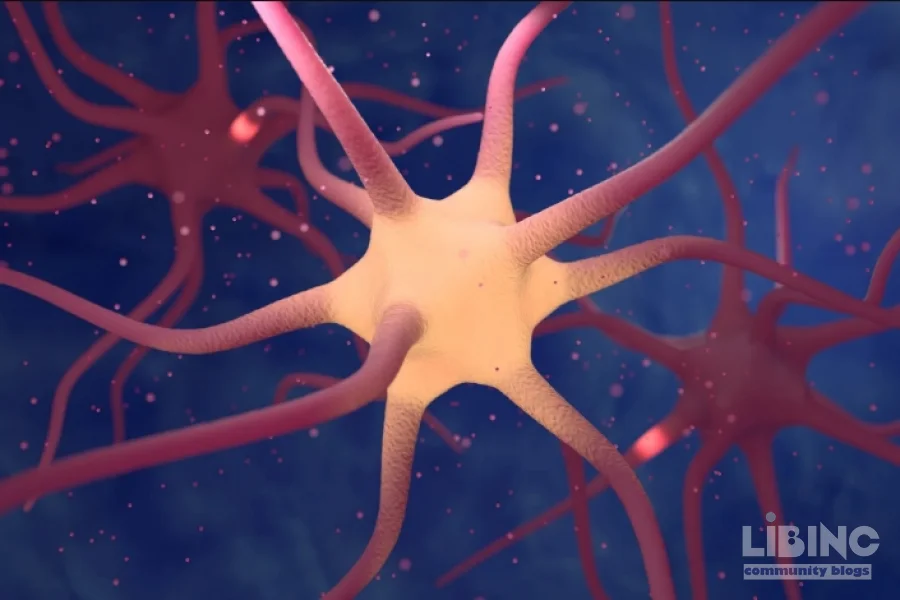
Neuropeptides: Central Mediators of Brain-Body Communication, Signaling, and Therapeutic Potential
Neuropeptides are tiny chemical signals that orchestrate mood, pain, metabolism, and immune responses. Within the brain, neurons synthesize these peptides as large precursors and sharpen their messages through extensive processing and selective packaging. Unlike neurotransmitters that act locally, neuropeptides diffuse through extracellular space or travel in the bloodstream, producing effects that can outlast seconds to minutes and ripple across neural networks. The stakes are high: dysregulation of neuropeptide systems intersects with major health challenges, from depression and chronic pain to obesity and neurodegenerative risk. Yet translating this biology into precise therapies remains arduous, constrained by receptor multiplicity, peptide stability, and barriers to delivery. This article analyzes how neuropeptides operate, contrasts their roles across systems, traces causal chains from signaling to disease, and sketches a roadmap for next‑generation interventions.
Table of contents
- Analytical perspective on neuropeptide signaling
- Contrasts in neuropeptide roles
- Cause-and-effect relationships in health and disease
- Expert reconstruction: therapeutic futures
Analytical perspective on neuropeptide signaling
Neuropeptides are produced within the neuronal soma as large precursor proteins. They are trafficked into the endoplasmic reticulum and Golgi apparatus, where enzymatic cleavage and packaging generate large granular vesicles (LGVs). As LGVs travel along the axon to terminals, additional post‑translational modifications yield the active peptides. This architecture supports signaling modalities that range from autocrine to endocrine, enabling rapid modulation of nearby circuits as well as longer‑lasting influences through circulating messengers. The core consequence is a system designed for both specificity and breadth: a single peptide can shape discrete synapses and distant networks depending on receptor distribution and clearance kinetics.
Key features of neuropeptide signaling shape its functional reach and interpretive challenges.
- Low endogenous concentrations demand high-affinity receptors and sensitive detection methods, complicating clinical measurement.
- Short‑term stability with diverse post‑translational modifications create a moving target for assays and therapeutics alike.
- Diffuse spread through extracellular space or circulation enables wide‑scale network effects that can outlast the initial release event.
- Dominant GPCR signaling governs most mammalian neuropeptide effects, though peptide‑gated ion channels contribute in select contexts.
From a systems perspective, neuropeptides coordinate activity across the limbic and hypothalamic regions to regulate autonomic tone, endocrine axes, and immune tone. Their release patterns often set the state of neural networks for seconds to minutes, biasing plasticity and reactivity in ways that accumulate over time. In the central nervous system, this translates into mood modulation, stress resilience, and cognitive processing; in the peripheral nervous system, it shapes vascular tone, gastrointestinal motility, and inflammatory responses. Importantly, the same peptide can evoke different outcomes in different circuits because receptor expression, downstream coupling, and local milieu vary across brain regions and peripheral tissues.
The dominant mechanism, for most mammalian neuropeptides, is G-protein‑coupled receptor (GPCR) signaling. GPCR engagement triggers intracellular second messenger cascades that modulate ion channel activity, synaptic strength, and transmitter release probability. Some peptides can act through peptide‑gated ion channels, but these pathways are comparatively limited. This signaling architecture supports both rapid corrections and slower, enduring adjustments in neural function, explaining why neuropeptide disruptions are linked to persistent emotional states, chronic pain sensitivity, and metabolic dysregulation. The clinical implication is clear: successful therapeutic strategies must respect signaling duration, receptor specificity, and regional expression patterns to avoid broad, off‑target effects.
In the nervous system, neuropeptides concentrate in limbic and hypothalamic hubs where autonomic and endocrine control intersect. Peripherally, sensory neurons and sympathetic terminals carry neuropeptides to regulate vascular tone, GI motility, and immune responses. The functional mapping matters: a peptide’s impact is not merely about its presence but about where and when it acts. The interplay between neuropeptide signaling and mood is underscored by correlations between oxytocin activity and social behavior, trust, and anxiety levels. Yet these correlations do not prove causation alone; they motivate mechanistic studies that trace how receptor engagement translates to phenotypic change across tissues. This analytic frame guides how we interpret both normal physiology and disease states.
From a methodological vantage, measuring neuropeptides challenges researchers and clinicians alike. Their low abundance, rapid degradation, and structural heterogeneity complicate quantification. Experimental designs therefore rely on receptor‑targeted pharmacology, genetic models, and integrative readouts that combine neurochemical, electrophysiological, and behavioral data. The goal is not merely to catalog what peptides do, but to connect signaling events to specific outcomes in mood, pain processing, metabolism, and immunity. In this sense, neuropeptide science demands a causal lens: what changes in signaling produce what changes in function, and under what conditions do those changes become maladaptive?
Contrasts in neuropeptide roles
Neuropeptides do not operate in a vacuum; they define a spectrum of actions that can appear paradoxical when viewed in isolation. One clear contrast lies between central and peripheral functions. Central neuropeptide signaling in limbic circuits can sculpt emotional responses and stress reactivity, while peripheral signaling modulates vascular tone, gut motility, and inflammation. This dichotomy helps explain why identical peptides can exert opposite effects depending on the tissue context and receptor landscape. The translation of these patterns into therapy requires careful dissection of location‑specific actions and off‑target risks.
Another salient contrast centers on the balance between prosocial, anxiolytic signals and pro‑stress signals. Oxytocin promotes social bonding and trust and can counterbalance some anxiogenic properties of vasopressin and CRH. In patients with mood disorders, however, salivary or circulating oxytocin levels may be elevated or dysregulated, reflecting compensatory mechanisms or altered receptor sensitivity rather than straightforward causation. The takeaway is not simple causation but conditional influence: timing, context, and receptor distribution determine whether a peptide uplifts mood or amplifies stress responses. This complexity matters for trials aiming to leverage oxytocin or related pathways for treatment of depression or anxiety.
Neuropeptide signaling also displays contrasts in gastrointestinal and immune regulation. VIP, NPY, and substance P illustrate the gut‑immune interface: VIP influences GI motility and circadian rhythms while also participating in neuroimmune signaling; neuropeptide Y and substance P modulate intestinal inflammation and motility in concert with immune cells. Genetic abnormalities in VIP receptors (VIPR1) have emerged in associations with neural development and autism spectrum disorder, highlighting how subtle changes in receptor signaling can yield broad neurodevelopmental consequences. These examples emphasize that peptides act at the intersection of systems, where subtle shifts in signaling can yield outsized phenotypic changes.
A final axis of contrast concerns energy balance and feeding behavior. Orexigenic signals, notably neuropeptide Y (NPY) and agouti‑related peptide, stimulate appetite and can suppress energy expenditure. In contrast, anorexigenic signals derived from pro‑opiomelanocortin (POMC) and melanocortin receptors promote satiety and reduce intake. This push‑pull shapes long‑term metabolic health and vulnerability to obesity, suggesting that therapeutic modulation of these pathways must navigate a delicate balance between appetite control and reward signaling. The result is a nuanced regulatory landscape where different neuropeptides can produce convergent outcomes (reduced intake) via distinct routes, each with unique side effects and patient subgroups that may respond differently.
Cause-and-effect relationships in health and disease
Disease emerges when signaling cascades misfire and network dynamics lose resilience. A canonical chain begins with stress signaling: corticotropin‑releasing hormone (CRH) initiates HPA axis activation, driving cortisol release and influencing glucose metabolism, memory processes, and mood regulation. Chronic CRH activity can alter synaptic plasticity and bias neural circuits toward heightened threat perception, contributing to anxiety disorders and depressive phenotypes. These effects illustrate a fundamental causal logic: early neuropeptide cues shape long‑term network states, creating a substrate for persistent dysfunction when homeostatic control fails. The real challenge is linking a transient neurochemical event to lasting behavioral outcomes in diverse individuals with distinct genetic and environmental contexts.
Neuropeptides also shape nociception and pain hypersensitivity through central mechanisms. Peptides such as calcitonin gene‑related peptide (CGRP) and substance P amplify excitatory signaling in the central amygdala and dorsal horn, raising pain thresholds and promoting neurogenic inflammation. Endogenous opioids, including beta‑endorphin and enkephalins, provide intrinsic analgesia by dampening nociceptive signaling. In fibromyalgia, elevated cerebrospinal fluid substance P and downregulation of mu‑opioid receptors are implicated in central sensitization and widespread allodynia. This situation exemplifies how competing peptide systems can recalibrate pain perception, create persistent symptoms, and resist standard analgesic strategies, underscoring the need for targeted, mechanism‑driven therapies rather than one‑size‑fits‑all approaches.
Beyond pain and mood, neuropeptide signaling intersects metabolic and neurodegenerative processes. Opioid peptide systems influence insulin and glucose handling, linking stress and reward signaling to metabolic dysfunction. Although amyloid beta is not a classical signaling neuropeptide, its processing and clearance reveal how peptide metabolism can influence neurodegenerative risk. The APOE4 genotype reduces amyloid clearance, amplifying accumulation and pathology, thereby connecting peptidergic pathways to disease trajectories in Alzheimer’s disease. This example illustrates a larger principle: peptide production, processing, and clearance create feedback loops that can either protect networks or propel degeneration, depending on genetic background and life course exposures.
Neuropeptide systems also modulate immune function and neuroinflammation, interweaving neural and immune health. Through diverse receptors on glia and immune cells, peptides regulate microglial activity, cytokine release, and tissue repair. The bidirectional dialogue between nervous and immune systems means that peptide signaling can shape susceptibility to infections, autoimmune phenomena, and chronic inflammatory states. This integrative perspective helps explain why neuropeptide perturbations may contribute to a wide spectrum of disorders, from PTSD to inflammatory bowel disease, and why therapeutic strategies must consider multi‑system endpoints rather than single‑axis readouts.
Expert reconstruction: therapeutic futures
The therapeutic landscape for neuropeptides targets multiple layers of biology, from peptide design to delivery to receptor engagement. Engineered peptides, peptidomimetics, and small molecule mimetics aim to improve stability, receptor selectivity, and blood‑brain barrier (BBB) penetration. Yet not all targets are amenable to traditional pharmacology; some require novel delivery platforms that protect peptides from degradation and direct them to specific brain regions or peripheral tissues. The overarching objective is to decouple beneficial signaling from maladaptive cascades while minimizing peripheral side effects. Achieving this balance demands a deep appreciation of receptor pharmacology, signaling bias, and tissue‑specific expression patterns.
Delivery challenges dominate the translational agenda. BBB crossing, rapid enzymatic degradation, and systemic exposure limit practical applicability. Strategies such as receptor‑mediated transcytosis, nanoparticle carriers, prodrugs, and localized delivery are being explored to achieve sufficient concentration at target sites without broad off‑target exposure. The field increasingly recognizes that success hinges on rational design guided by neuroanatomy, receptor distribution, and dynamic signaling states, rather than on high‑level hypotheses alone. In this sense, delivery science and peptide engineering become inseparable partners in advancing neuropeptide therapeutics.
Genetic variation informs precision approaches. Variants in VIPR1, OXTR, CCK, GALR1, and related genes modulate receptor function and downstream signaling, suggesting that patient stratification could refine therapeutic response. Similarly, natural differences in NPY, POMC, and melanocortin pathways may explain variability in appetite control and energy expenditure. Moving forward, trials will increasingly incorporate genetic and epigenetic profiling to tailor peptide or receptor‑targeted interventions, aiming to maximize efficacy while reducing adverse effects. This shift toward personalized neuropeptide medicine requires integrated designs that combine genomics, proteomics, neuroimaging, and behavioral phenotyping.
A practical roadmap for the field combines four elements. First, deepen mechanistic maps that link specific peptide–receptor pairs to circuit dynamics and behavioral outputs. Second, advance delivery technologies that achieve region‑ and cell‑type specificity with robust safety margins. Third, develop selective modulators that capture signaling bias, enabling preferential engagement of therapeutic pathways while avoiding pro‑inflammatory or dysphoric effects. Fourth, implement translational studies that harmonize human genetics, neuroimaging, and longitudinal clinical endpoints to identify responder subgroups. Taken together, these directions could unlock neuropeptide systems as precise, durable targets for mood disorders, chronic pain, obesity, and neurodegenerative risk, transforming our ability to intervene at the level of core signaling architecture.
In the broader clinical landscape, the promise of neuropeptide‑based therapies rests on delivering stability, selectivity, and targeted reach. The challenges are real—translational gaps, complex receptor topologies, and heterogeneity across patients—but the potential gains are substantial. By integrating analytic rigor, cross‑system contrasts, causal reasoning, and expert reconstruction, researchers can chart a course from basic discovery to transformative therapies that align with the nuanced biology of neuropeptide signaling.
Ultimately, neuropeptides reveal how minute chemical cues orchestrate wide‑ranging health outcomes. They are not mere modulators but central mediators that knit together mood, pain, metabolism, and immunity. As we refine our tools to measure, model, and modulate these signals, we move closer to therapies that respect the body's intrinsic signaling logic while delivering targeted, durable benefits to patients with complex, multi‑system disorders.
Conclusion
Note: The article presents a cohesive synthesis of neuropeptide biology, emphasizing mechanism, context, and translational potential. Progress hinges on bridging delivery, stability, and targeting challenges with a principled, mechanism‑driven research program that integrates genetics, neurobiology, and clinical science. By doing so, the field can realize the promise of neuropeptides as precise mediators of health and disease rather than as isolated molecular curiosities.
Перетворення знань в практику: практичні шляхи застосування нейропептидів
Головний розкритий пробіл полягає в тому, що основна частина знань лишається на рівні механізмів, тоді як клінічна реалізація потребує чіткої дорожньої карти: які саме рецептори, який напрямок сигналу та які платформи доставки забезпечать відчутний ефект з мінімальними побічними реакціями. Нижче подано практичні рамки, які зчитують механізми зі структур керування та translate їх у проєкти надходження в клініку: від підбору пептидів до моніторингу відповіді пацієнта.
Практичні сценарії. 1) Пацієнт із депресивним розладом: розглядають окремі підтипи рецепторів окситоцину та вазопресину з акцентом на зони лімбічної системи; використання стабілізаторів та напрямних пептидних сигнатур може збільшити відповідь при мінімальній системній активації. 2) Хронічний біль: упор на CGRP-центричні та субстанція P шляхи з акцентом на селективність до хроностратегій болю, щоб зменшити гіперчутливість. 3) Метаболічні розлади: поєднання пептидів регуляторів апетиту з контролем венозного вмісту та регуляцією глюкозного обміну забезпечує більш збалансований вплив на енергію та ситість.
Етапи реалізації в клінічному напрямку з акцентом на персоналізацію. 1) Структурація механізмів: створення сигнальних карт для конкретних пар пептид–рецептор із зв'язками до дій у мозку та тканинах. 2) Технології доставки: використання маршрутизації через BBB, нанотранспорт та локалізована подача для цільових областей. 3) Терапевтичні модулатори: розробка селективних модуляторів, які активують корисні сигнали без провокування запалення чи дисфорії. 4) Персоналізація: інтеграція генетики та нейровізуалізації для визначення резонансних підгруп. Такі кроки дозволяють рухатись від теорії до дійсних клінічних протоколів.
У підсумку, інтеграція глибокої аналізи з доставкою та персоналізацією формує шлях до точкових, довгових впливів для розповсюджених станів, пов'язаних з настроєм, болем та обміном речовин. Це вимагає скоординованої роботи між лабораторією, клінікою та регуляторними структурами.
Як нейропептиди впливають на настрій та емоційну стабільність?
Відповідь приблизно на 100 слів: нейропептиди діють як хронометристі в кишені мозку, регулюючи активність лімбічної системи та гіпоталамуса через специфічні рецептори, що впливають на внутрішню реакцію на стрес, відчуття безпеки та мотивацію. Такий вплив віддзеркалюється в змінах вивільнення серотоніну та дофаміну у відповідних колах, що знижує або підвищує тривогу та настроєві реакції. У клініці це означає можливість персоналізувати підхід: підбір пептидів для конкретних профілів відповідності та часу доби, що підсилює терапевтичний ефект і зменшує побічні реакції. Розуміння контексту дій дозволяє розробляти більш точно напрямлені препарати та алгоритми поведінкової терапії. Додатково, зваження на індивідуальні відмінності в рецепторній експресії та біохімічних шляхах дозволяє прогнозувати, хто з пацієнтів може отримати максимальну користь від певних пептидних стратегій, що зменшує час до відповідної відповіді та підвищує загальну ефективність лікування.





Add a comment
To comment, you need to register and authorize
Comments