

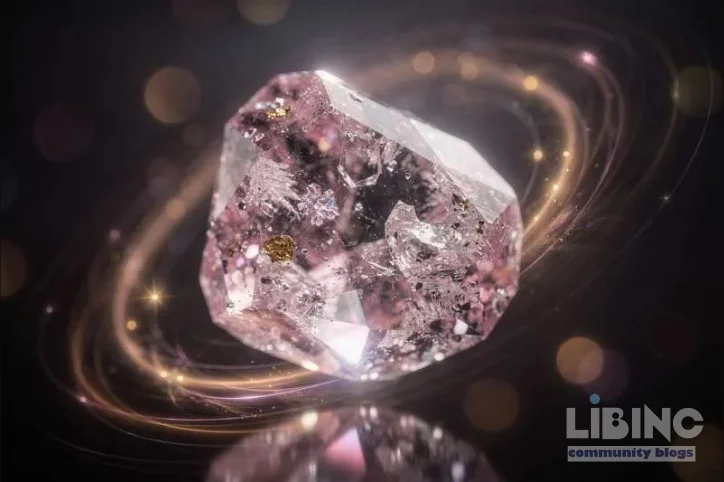
Lithium Quartz: An Analytical Exploration of a Crystal Born for Balance
- Analytics: Lithium Quartz as a Bridge between Body and Mind
- Contrast: Lithium Quartz vs Other Calming Crystals
- Cause and Effect: Practices That Activate Lithium Quartz Energy
- Expert Reconstruction: Mineralogy, Authenticity, and Practice
In a world of constant stimuli, many seek a stable anchor for the nervous system. Lithium quartz presents a natural option that claims to synchronize the tumult of modern life with inner stillness. The question for practitioners and skeptics alike is whether a crystal can meaningfully affect emotional equilibrium or simply offer a psychological anchor. This article dissects lithium quartz with a rigorous eye, balancing mineral science, energy-work perspectives, and practical application to separate anecdote from plausible effect.
Pushed through a framework of emotional balance, lithium quartz is described as a bridge between the nervous system and the heart. Proponents claim it modulates energy frequencies to soften anxiety and improve sleep quality, while skeptics demand measurable outcomes. By examining its chemistry, its energetic claims, and real-world practice, we can assess how this stone fits into a balanced wellness approach.
Analytics: Lithium Quartz as a Bridge between Body and Mind
Lithium quartz forms when quartz crystals incorporate lithium oxide during geological processes, creating a lattice that can influence energy resonance. This section explores at a mineralogical level how such incorporation might manifest as a stabilizing energy signature. We track the logic from atomic bonds to experiential impressions. The core question is not purely metaphysical; it is a chain from crystal chemistry to perceptual experience, and that chain has measurable implications for how the stone is used in practice.
- Lithium oxide within the quartz lattice alters vibrational modes, potentially shaping how the crystal interacts with human energy fields.
- The pink to peach coloration arises from trace lithium chemistry, signaling a particular lattice environment that some practitioners interpret as energy-friendly for the emotional body.
- Energetic resonance tends to align with the heart chakra and solar plexus, where emotional regulation and autonomic balance are centered.
- Energy impressions often correlate with subjective reports of calmer cognitive processing and steadier mood baselines.
- Authenticity matters: natural lithium quartz with clear zoning and pink tones is more likely to carry a distinct energetic signature than synthetics or altered stones.
From a practical standpoint, the energy signature of lithium quartz is thought to settle the nervous system by balancing the heart chakra and solar plexus. The cause-and-effect chain is proposed as follows: a calmer mind enables clearer thinking, which reduces reactive patterns and improves sleep cycles, thereby reinforcing emotional balance. This analytical view does not claim pharmacological equivalence; it frames energy work as a pathway to more resilient self-regulation, not as a substitute for medical treatment. The net effect is a consistent, if subtle, shift toward steadier emotional processing in daily life.
Contrast: How Lithium Quartz Compares with Other Calming Crystals
To evaluate lithium quartz in a practical setting, it helps to place it alongside other stones with established reputations for emotional support. Amethyst, rose quartz, lepidolite, and blue lace agate each offer distinct energy profiles. The contrast reveals not just preference but functional differences in how one might approach emotional regulation, cognitive clarity, and interpersonal communication.
- Amethyst often emphasizes mental clarity, spiritual alignment, and soothing reverie, but its focus may be more metaphysical than somatic than lithium quartz, which tends to anchor nervous-system regulation through a heart-centered channel.
- Rose quartz centers on self-love and compassionate resonance, which can complement lithium quartz by softening affective reactivity while lithium quartz provides a stabilizing baseline.
- Lepidolite is highly lithium-rich and frequently cited for long-term mood regulation; its energy can be more sedating and introspective, whereas lithium quartz offers a lighter, more balanced field that supports action without agitation.
- Blue lace agate emphasizes calm, peaceful communication, pairing well with lithium quartz to reduce internal noise while easing outward expression.
In practical terms, lithium quartz holds a unique middle ground: it neither over-relaxes the nervous system nor injects hyperactivity; it tends to dampen extremes of reactivity, creating a stable platform for decision-making. This middle path makes it attractive for daily wear, meditation, and bedside use where balancing the heart and mind matters as much as achieving mental clarity. It is not the sole solution for emotional imbalance, but it is a complementary anchor that can be integrated with other stones and practices for a cohesive approach to emotional working.
Cause-and-Effect: Practices that Activate Lithium Quartz Energy
Effective use hinges on how you engage with the stone. The following practices are commonly recommended to harness lithium quartz energy in a way that aligns with daily life, sleep, and emotional rhythm. The logic is simple: deliberate contact with the stone tunes attention, which in turn modulates perception and response to stressors, gradually shifting behavioral patterns toward greater steadiness.
- Meditation with lithium quartz held near the heart creates a somatic cue that signals the nervous system to downshift, supporting calmer mental states during sessions and after waking.
- Carrying lithium quartz in daily life provides a tactile reminder of steadiness during tense moments, enabling more deliberate responses rather than knee-jerk reactions.
- Restful sleep rituals—placing the stone near the pillow or on the nightstand—are reported to reduce cognitive chatter, contributing to more restorative sleep cycles.
- Juxtaposing lithium quartz with other calming stones can enhance the overall field of balance, as long as the energetic signatures are complementary rather than conflicting.
- Regular cleansing and recharging in moonlight or with sound helps maintain a clear energy field, ensuring the stone remains an effective conduit for balance rather than a reservoir of stale energy.
For those in highly stimulating environments, lithium quartz can act as a compact, portable anchor that preserves an inner center even as external demands spike. This effect manifests as a steadier baseline mood and more resilient responses to stress, rather than dramatic shifts in emotion. Sleep quality is often the signal most people notice first — a quieter mind at night can cascade into more stable daytime function and better emotional stamina.
Expert Reconstruction: Mineralogy, Authenticity, and Practice
From an expert perspective, lithium quartz sits at the intersection of mineral science and energy-work traditions. Mineralogists emphasize provenance, crystal habit, and trace-element profiles, while energy-work practitioners focus on resonance, intent, and alignment with the body’s subtle systems. The synthesis of these viewpoints yields practical guidelines for selecting, using, and authenticating lithium quartz in a way that respects both science and holistic practice.
- Origin matters: stones from reputable deposits with clear zoning and natural pink hues are more likely to display a distinctive energy signature than heavily treated specimens.
- In-hand evaluation focuses on texture, weight, and color balance; a stone that feels harmoniously weighted is typically considered preferable for everyday wear or sit-down practice.
- Authenticity checks may include documentation of geological origin and, where feasible, independent gemological testing of lithium content and Quartz quality.
- Pairing strategies involve harmonizing lithium quartz with stones that address complementary facets of emotional life, such as amethyst for mental clarity or rose quartz for self-compassion.
- Care and handling matter: avoid harsh chemicals and sudden temperature changes; gentle cleansing reinforces the stone’s capacity to hold an energy signature without degradation.
In practical terms, the value of lithium quartz lies in how reliably it helps maintain an accessible sense of inner peace, especially during demanding tasks or emotionally charged moments. Experts emphasize that the most meaningful use comes from consistent, mindful engagement—whether through meditation, placement on an altar, or daily jewelry—rather than sporadic, sensational claims. The resulting energy environment can support emotional regulation, clearer cognition, and a more compassionate self-dialogue, all of which contribute to a resilient nervous system and a steadier heart-centered response to life.
In the end, lithium quartz is best understood as a sophisticated tool that requires thoughtful handling. Its appeal rests not on a miracle cure but on a calibrated, experiential framework that respects both mineral properties and human psychology. When used with intention and care, lithium quartz can become a dependable partner in the ongoing work of balancing emotion and grounding the nervous system in daily life.
Long-term practice with lithium quartz also invites ongoing observation. Users often report that the effect deepens with time, particularly when the stone is integrated into a consistent routine—daily meditation with the stone near the heart, deliberate breathwork, and regular cleansing rituals. This gradual alignment supports sustained emotional balance, enhanced sleep quality, and a more deliberate, less reactive approach to stressful situations.
Ultimately, lithium quartz offers a measured, responsible approach to emotional wellness. It does not replace professional care for chronic mood disorders, but it can complement evidence-based strategies by providing a physical anchor for practices that cultivate resilience, mindfulness, and compassionate self-regulation.
With this holistic understanding, readers can approach lithium quartz with both skepticism and curiosity. The most meaningful outcomes emerge from disciplined practice, accurate sourcing, and an ongoing willingness to observe how the stone interacts with one’s own nervous system and emotional patterns over time.
In summary, lithium quartz embodies a balanced energy field that can support the nervous system and heart through daily life. Its true value lies in how its energy signature is engaged—through mindful contact, purposeful intention, and a commitment to inner balance rather than sensational claims. Used with care, it becomes a practical ally for emotional regulation and personal equilibrium in a hectic world.
Ultimately, lithium quartz invites a nuanced dialogue between mineral science and experiential wisdom, a collaboration that honors both the natural world and the human need for steady emotional ground. It is a stone for those who seek not merely relief from stress but a durable framework for living with greater ease, attention, and kindness toward themselves.
Practical Protocol for Measured Use
To bridge theory and daily life, implement a structured routine paired with a simple journal to capture observable outcomes in emotional regulation and sleep quality. The following 4‑week protocol is designed to be skeptical‑friendly and actionable, focusing on nervous system balance rather than promises of dramatic shifts.
| Crystal | Primary Benefit | Energy Profile | Best Use |
|---|---|---|---|
| Lithium Quartz | Heart-centered steadiness | Balanced | Daily wear, meditation |
| Amethyst | Mental clarity, calm | Cool, airy | Meditation, focus |
| Rose Quartz | Self-compassion | Warm, comforting | Self-care, journaling |
| Lepidolite | Mood regulation | Sedating | Evening use, sleep |
| Blue Lace Agate | Calm speech | Gentle | Interpersonal communication |
| Clear Quartz | Energy amplification | Neutral | Cleansing, stacking |
Week-by-week actions anchor attention and measure changes in emotional processing. Week 1: hold lithium quartz during 5 minutes of diaphragmatic breathing with focus on the chest and solar plexus. Expect subtle shifts in perceived stress and cognitive quiet. Week 2: place the stone on the nightstand and perform a 10‑minute wind‑down routine (dim lights, box breathing). Track sleep onset and morning calm. Week 3: wear or carry the stone during daytime tasks; jot one sentence daily about emotional reactions to key events. The aim is more deliberate responses, not fewer events. Week 4: integrate a second supportive crystal (for example, rose quartz for self‑compassion or blue lace agate for calm speech) and review weekly notes to identify trends. Finally, verify authenticity by sourcing from reputable origins and inspecting natural zoning; if no noticeable change occurs after several weeks, reassess use and expectations rather than force outcomes.
- Week 1: Heart grounding
- Week 2: Sleep anchoring
- Week 3: Daily cognitive‑emotional journaling
- Week 4: Pairing with another crystal
Crucially, fidelity to sourcing and careful, mindful engagement matter. The goal is nervous system balance and heart–brain coherence through regular, transparent practices, not sensational claims.
What is lithium quartz and how does it differ from other calming crystals?
Lithium quartz is a natural quartz crystal that contains trace lithium within its lattice. This composition is thought, in practice, to create a distinct energy resonance tied to heart‑centered regulation and nervous system balance. Compared with amethyst, rose quartz, or lepidolite, lithium quartz is positioned as a stabilizing field that supports steady cognitive processing and measured emotional responses, rather than solely promoting mental clarity or self‑love. The effect is subtle and experiential, not pharmacological, and benefits tend to show up as improved everyday regulation when used consistently.
Analytically, the claim rests on how trace elements might influence vibrational patterns perceived by energy‑work perspectives, with emphasis on real‑world routines and careful self‑monitoring to distinguish perception from placebo.
Can lithium quartz replace medical treatment for anxiety or mood disorders?
Direct answer: no. It is best used as a complementary tool within a broader wellness plan that includes sleep hygiene, mindfulness practices, and professional care when needed. If clinical symptoms persist or worsen, seek medical or psychological support immediately. The stone offers a tactile anchor for routines that promote resilience, not a substitute for evidence‑based therapies.
Depth: users report that regular engagement can support self‑regulation and stress tolerance, but these outcomes vary and depend on individual contexts, routines, and expectations.
How do I verify the authenticity of lithium quartz?
Look for natural zoning, a pink or peach hue, and unaltered surfaces. Ask for origin documentation and, where feasible, gemological testing that confirms quartz quality and lithium content. Avoid stones that show heavy dyeing, resin repairs, or unusual energy signatures that don’t align with provenance.
Depth: authentic stones tend to perform more consistently in practice; however, energy experience remains subjective and should be considered alongside other wellness tools.
What is a simple daily routine to use lithium quartz for emotional balance?
A practical routine includes a 4‑week protocol: (1) daily 5‑minute heart‑centered breathwork with the stone at the chest; (2) a 10‑minute wind‑down ritual before bed with the stone nearby; (3) daytime use during stress‑heavy tasks with a brief journaling note; (4) weekly cleansing and, if possible, pairing with a complementary crystal. Track mood and sleep changes to gauge trends rather than expecting instant shifts.
Depth: consistency and context matter; the routine is a tool to explore nervous system balance over time.
What are common signs that lithium quartz is working for me?
Direct: tangible signals include quieter cognitive chatter, a steadier morning mood baseline, smoother sleep onset, and more deliberate responses under stress. These signs are subjective and accumulate with ongoing practice, not from a single event.
Depth: maintain a log to differentiate genuine shifts from transient placebo effects, and adjust usage if expectations misalign with experience.
Are there safety considerations or care tips for lithium quartz?
Handle with gentle care: avoid extreme temperature changes and harsh chemicals. Cleanse periodically using moonlight or gentle sound, and store separately from high‑heat sources. Regular cleansing helps maintain a clear energy field and prevents stale energy from accumulating in the stone.
Depth: responsible handling supports long‑term reliability of the stone as an energy anchor.





Add a comment
To comment, you need to register and authorize
Comments