

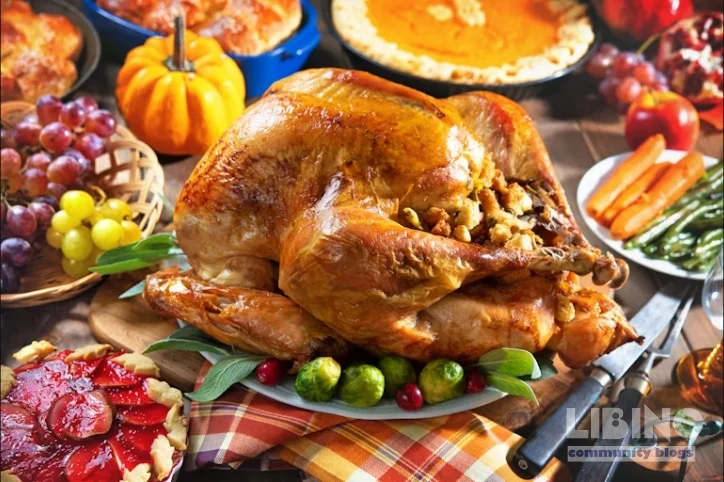
Thanksgiving Food Safety: A Data-Driven Guide to Prevent Illness During the Holiday Feast
Table of contents
Thanksgiving presents a paradox: the feast binds family and friends, yet the kitchen can become a vector for harm if precautions slip. Foodborne illnesses sicken millions every year, and holiday spreads magnify opportunities for cross-contamination, improper cooling, and undercooking. As an immunologist and infectious disease expert, I study how germs spread and how to interrupt their routes without turning hosts into germophobes. This analysis looks at the biggest risks at large gatherings, buffet-style service, and mingling guests, and translates that knowledge into practical actions you can enforce at every stage of a Thanksgiving meal. From thaw to leftovers, the aim is flavor with health preserved. Thanksgiving food safety is not a limiting factor on joy; it is a necessary condition for it.
The stakes are high because the same conditions that foster sociable abundance—a big crowd, prepared dishes in large batches, and extended serving times—also create multiple avenues for microbial guests. If we mismanage raw poultry, stuffing, or leftovers, we invite pathogens such as Salmonella, Campylobacter, and Clostridium perfringens to spread. The core problem is not a single mistake but a chain: a lapse in temperature control, a moment of cross contamination, a misstep in handling ready-to-eat foods, or a failure to verify internal temperatures. The direction of analysis here is to identify where those chains tend to form and sever them with evidence-based steps you can adopt without sacrificing flavor or tradition.
What follows combines epidemiology, culinary science, and practical kitchen tactics. You will see how data shapes risk assessments for Thanksgiving, how contrasts between common habits and best practices reveal actionable gaps, and how cause-and-effect thinking clarifies which interventions break the transmission chain. The framework is designed for experts and informed home cooks alike, offering a clear pathway from theory to tangible actions that reduce microbial risk without increasing anxiety in the kitchen.
In the end, Thanksgiving should elevate gratitude, not gastroenteritis. The core message is straightforward: identify the high-risk steps, apply precise temps and hygiene, and manage time and space to minimize exposure. With disciplined planning and disciplined practice, you can preserve the convivial spirit of the holiday while keeping foodborne illness at bay. Thanksgiving safety is a discipline of its own, and the payoff is a healthier, happier table for everyone.
Analytics perspective on Thanksgiving food safety
When we translate food safety into numbers, the picture becomes concrete. Foodborne illnesses affect about 48 million Americans each year, with roughly 3,000 deaths attributed to these illnesses annually. The holiday period amplifies risk because large quantities of food sit in the danger zone for longer periods, buffet-style serving expands opportunities for cross contamination, and people mingle while food is in play. In analytics terms, the hazard function rises with batch size, time-at-table, and the number of distinct food preparation tasks happening concurrently. The main drivers are not a single bad habit but the convergence of several risk factors that compound each other during a Thanksgiving service.
Pathogens such as Salmonella, Campylobacter, and Clostridium perfringens frequently appear in the data as the leading culprits behind holiday illness. Salmonella and Campylobacter commonly inhabit raw or undercooked poultry and can hitch rides on raw drippings, utensils, and hands. Clostridium perfringens thrives when large portions of meat or gravy cool slowly, allowing time for toxin production that is not eliminated by reheating. The reality is that most illnesses arise from foods that have been mishandled at scale rather than from a single misstep by a single person. A robust risk model, therefore, emphasizes temperature management, separation of raw and cooked foods, and rapid cooling of leftovers.
Temperature control is the cornerstone of risk management. The canonical “danger zone”—40°F to 140°F (4°C to 60°C)—is a moving target during Thanksgiving, when dozens of dishes converge on one table and hot foods rest under heat lamps or warming trays. Bacteria multiply rapidly in this range, so the goal is twofold: keep hot foods hot (above 140°F) and keep cold foods cold (below 40°F) from the moment cooking ends until serving and storage are complete. The implication for practice is straightforward: do not rely on appearance or time alone; verify temperatures with a calibrated thermometer and implement strict time limits for table presence. The data also show that relying on pop-up thermometers can be misleading; they often fail to capture hot spots or can malfunction, leading to undercooked pockets in a dish.
Cross contamination, especially in the tempo of a Thanksgiving prep, serves as a hidden amplifier of risk. Without deliberate separation, raw turkey contact with surfaces, cutting boards, or utensils used for ready-to-eat foods can seed the entire kitchen. The probability of transfer increases with shared equipment, a common issue in family kitchens that juggle multiple tasks simultaneously. Analytics increasingly favor practices that compartmentalize the workflow, enforce color-coded or dedicated tools, and minimize the number of times a utensil touches multiple food types. The lesson is not rigidity for its own sake, but a rational allocation of safety resources where the data show the greatest return on investment—proper surfaces, dedicated tools, and sequence-aware task design.
Another high-leverage factor is the handling of stuffing, both inside the bird and as a separate component. Stuffing inside the turkey is a known high-risk configuration because the interior can fail to reach 165°F, even when the outer turkey does. This mismatch creates a zone in which bacteria can survive and produce toxins that the heat does not always destroy. Conversely, cooking stuffing separately allows you to regulate its temperature independently and ensure it reaches a safe internal temperature. In analytics terms, stuffing is a product-level risk that benefits strongly from process-level controls, such as cooking the stuffing apart and only combining the stuffing with the turkey at the table if necessary and safe to do so.
The data also support a practical stance on leftovers. Clostridium perfringens, in particular, thrives when roasted meats stay in large blocks and cool slowly. If you prepare large roasts and leave them in the refrigerator in big chunks, the bacterium can produce toxins before refrigeration is complete. Those toxins are not neutralized by reheating. The hazard thus shifts from the moment of cooking to the period of storage and reheating. The implication is clear: portion large roasts into smaller containers for rapid cooling and avoid overheating leftovers in ways that could create cold or warm pockets. The combination of rapid cooling, small portions, and thorough reheating is where data converge on a simple, actionable rule set.
To summarize the analytics: the greatest returns come from identifying and controlling the few most influential variables—the danger zone duration, cross contamination opportunities, stuffing handling, and the effectiveness of reheating. This is not about overhauling a family tradition; it is about applying core food safety science to guide practical decisions that align with the realities of a busy holiday kitchen. A thermometer, a plan, and a disciplined routine can dramatically reduce the odds of illness without sacrificing taste or sociability.
Contrasts between traditional and safe practices
The contrast approach highlights not just what to do, but how it changes outcomes when you swap a habit for a safer alternative. In practice, the difference is often a few well-chosen tactics that ripple through the entire meal. The key is to see safety as a sequence, not a single decision at the moment of serving. When you view Thanksgiving through this lens, the obvious non-safety practices collapse into simple, measurable actions that can be adopted without sacrificing flavor.
Traditional practice often relies on intuition or routine. For example, many hosts rinse poultry as a reflex from older recipes. The reality is that washing raw turkey does not remove bacteria; it spreads them around the kitchen through splashes. The safer approach is clear: do not wash poultry. If you still choose to rinse, immediately disinfect surrounding surfaces and wash hands afterward. The contrast here is practical: an unhelpful ritual versus a proactive disinfection protocol that prevents cross contamination and protects nearby foods from bacterial transfer. The outcome is a kitchen that remains clean despite the busy tempo of holiday preparation.
Stuffing presents another sharp contrast. Prestuffing the bird is a traditional practice in some households, but it is a high-risk route to undercooked stuffing pockets and failure to reach 165°F. The safe alternative is to stuff separately or to stuff the bird immediately before roasting and ensure the interior temperatures meet safety thresholds. The contrast reveals a simple truth: a small change—shifting stuffing to a separate vessel or timing the fill correctly—dramatically lowers the risk of toxin formation and bacterial survival. The result is a more reliable, safer cooking process that preserves the stuffing’s texture and flavor when properly heated.
Buffet-style serving demonstrates another variance with significant consequences. A table crowded with dishes, repeated utensil use, and extended exposure of hot and cold items increases opportunities for contamination and growth of microbes. A safer practice emphasizes dedicated serving utensils, a two-hour limit for hot foods on the table, and rapid turnover to ensure foods remain out of the danger zone. The practical yield is straightforward: the speed and discipline of service trump the allure of a grand, self-serve spread. Guests enjoy the same variety, with markedly reduced microbial risk due to controlled serving times and utensils sanitation.
Hand hygiene and utensil discipline illustrate a broader contrast. In traditional kitchens, handwashing often happens sporadically, if at all. The safety-oriented alternative enforces regular hand washing—before handling food, after touching raw meat, and after using the restroom—with clear, visible reminders for guests. The effect is not merely compliance; it is a structural reduction in contaminant transfer for every dish touched by multiple hands. This shift from casual habit to procedural discipline changes the entire risk landscape and is easier to implement than many people expect.
Cause-and-effect relationships in holiday food safety
Understanding the chain of events that leads to illness clarifies where to intervene. The causal chain begins with a raw ingredient carrying pathogens. If the next step—thawing, cutting, or cross contact—occurs without safeguards, those organisms gain access to many foods. The subsequent step—cooking—must deliver a lethal temperature throughout the food, including any dense centers. If any link in the chain fails, illness can follow. The cause-and-effect logic is not abstract: each link represents a tangible point where a simple action can disrupt transmission.
Consider turkey as the prototypical container of risk. The bird can harbor Salmonella or Campylobacter; when the interior of the bird fails to reach 165°F, bacteria survive. The outcome is not merely a culinary shortcoming but a health hazard that can manifest within hours to days with nausea, vomiting, cramps, and diarrhea. The corrective action is precise: ensure the internal temperature hits 165°F in the thickest part, verify with a calibrated thermometer, and avoid relying on visual cues alone. This is not about perfection, but about closing gaps that data show are most likely to permit bacterial persistence.
Stuffing adds a specific mechanism to the chain. When stuffing sits inside the bird, the interior can remain undercooked even if the outer meat is safe. The toxins produced by bacteria in stuffing do not reliably degrade with heat, posing a hidden hazard. The causal remedy is to cook stuffing separately or to remove it from the bird after cooking and reheat it thoroughly before serving. This intervention interrupts the chain at a critical point, reducing the probability of toxin formation that survives reheating. In causal terms, addressing stuffing transforms a multi-step risk into a discrete, controllable process.
Leftovers illustrate a classic cause-and-effect pattern. Large-chunk leftovers cool slowly, allowing Clostridium perfringens to multiply and produce toxins. Reheating does not always neutralize those toxins, so the risk remains even after hot foods are warmed. The practical antidote is rapid cooling, portioning into shallow containers, and prompt refrigeration. Reheating should reach 165°F, with a focus on uniform heating to avoid cold pockets. In this chain, a single change—smaller containers for faster cooling—breaks the progression toward toxin formation and illness.
Cross contamination serves as a recurring cause across multiple pathways. When raw meat contacts cutting boards, knives, or surfaces used for ready-to-eat items, we seed nearly all dishes with microbes. The effect is not limited to one dish; contamination spreads through the kitchen to sauces, sides, and desserts. Implementing color-coded cutting boards, dedicated utensils, and a disciplined hand-washing routine interrupts this causal chain at the source. The result is a kitchen where each step has a defined safe boundary, and the spread of pathogens becomes unlikely rather than probable.
In short, the causal networks that drive Thanksgiving illness share a common structure: risk arises where raw and cooked foods mingle, where temperatures linger in the danger zone, or where toxins can accumulate. Break any one link with a simple, repeatable action—thermometer checks, separation of raw and cooked items, rapid cooling, or controlled serving—and you push the system back toward safety. The cause-and-effect perspective makes the plan actionable and emphasizes that safety is the sum of disciplined, repeatable practices rather than a single heroic effort.
Expert reconstruction of a safe Thanksgiving workflow
From the laboratory to the kitchen, the expert reconstruction translates theory into a practical workflow you can implement in real life. The emphasis is on structure, timing, and verifiable safeguards that keep food out of the microbial danger zone while preserving the rituals that make Thanksgiving meaningful. The plan below is designed to be adaptable to households of all sizes, and it highlights the most impactful steps with concrete actions that experts routinely recommend.
- Plan and organize: establish a clear sequence for thawing, prep, cooking, cooling, and serving. Assign dedicated tools for raw meat and ready-to-eat foods. Create a chilled staging area for cold items and a hot zone for dishes that must stay above 140°F.
- Thaw safely: the refrigerator method remains the safest option. Allow 24 hours per 4–5 pounds of turkey. If you must use a cold-water method, keep the water below 40°F and change it every 30 minutes to prevent rapid bacterial growth. The key is controlled temperatures and constant attention to the process.
- Prepare and season with care: prevent cross contamination by using separate boards and knives for raw poultry and vegetables. Wash hands frequently and dry with a clean towel. Use pre-measured seasonings to minimize handling of the raw turkey after it touches other items.
- Stuffing strategy: stuff separately or stuff immediately before roasting, ensuring the interior of the turkey reaches 165°F and the stuffing itself is heated to 165°F. Prestuffing is not recommended due to the risk of uneven heating and toxin formation that heat cannot reliably destroy.
- Cook with verification: rely on a calibrated digital thermometer, not only on the appearance of color. Check the thickest part of the breast and the innermost part of the thigh for 165°F. Do not rely on pop-up thermometers, which can miss hot spots or fail to trigger at the right moment.
- Serve with discipline: keep hot foods above 140°F and cold foods below 40°F on the table. Limit the time any dish spends on the table to two hours or less, replacing serving utensils with clean ones after guests have tasted. Provide separate utensils for each dish and educate guests about double-dipping and cross-contact risks.
- Storage and leftovers: refrigerate leftovers promptly in shallow containers, dividing large quantities into smaller portions to speed cooling. Reheat leftovers to 165°F, ensuring even heat distribution. Label and date containers and check expiration dates to avoid serving spoiled foods.
- Hygiene and awareness: maintain hand hygiene as a continuous safeguard. Encourage guests to wash hands before serving and to avoid tasting directly from communal dishes. Consider posting a brief safety reminder at the food area to reinforce best practices without dampening the mood.
For the kitchen professional and the home cook alike, the overarching pattern is stability through controlled steps: controlled thawing, strict separation of raw and cooked foods, rigorous temperature verification, rapid cooling of leftovers, and mindful serving. The return is not merely fewer illness cases; it is a more reliable, enjoyable feast that honors tradition while protecting family and friends from preventable harm. Thanksgiving food safety, in practice, comes down to a few repeatable rituals executed with care and discipline.
Implementation can start small: begin by introducing one or two of the high-impact actions this year—such as using a thermometer for the turkey and ensuring separate utensils for raw and cooked foods. As confidence grows, expand to include separate prep areas and a defined two-hour rule for hot foods on the table. The cumulative effect is a kitchen that remains vibrant and social while maintaining a robust barrier to microbial threats.
In this way, science serves the dinner table. The blend of analytic insight and practical steps creates a sustainable model that can be adapted for future holidays and large family gatherings. The goal is not a sterile kitchen but an informed one—where tradition and safety coexist and where the joy of sharing a meal does not come at the cost of health. Thanksgiving food safety is an intelligent craft, and the craft pays off in peace of mind and healthier celebrations for years to come.
Practical quick-checks for your Thanksgiving planning
- Thermometer test: verify your thermometer reads correctly in boiling water (212°F / 100°C) and at room temperature before use.
- Color is not enough: measure internal temperatures, not the color of meat or gravy to judge safety.
- Separate zones: designate distinct zones for raw and cooked foods, with color-coded tools.
- Leftovers strategy: cool quickly in shallow containers and refrigerate within two hours of cooking.
- Guest guidance: politely remind guests about hand hygiene and avoid double-dipping in communal dishes.
By adopting this reconstruction of a safe Thanksgiving workflow, you give your guests a feast that satisfies appetite and science alike. The result is a holiday that remains deeply social while reducing the risk of foodborne illness—an outcome aligned with the spirit of gratitude that defines Thanksgiving.
Final takeaway: the best Thanksgiving tables balance generosity with rigorous, repeatable safety steps. Small, disciplined actions—thawing properly, cooking to the right temperatures, preventing cross contamination, and managing leftovers—produce outsized benefits in health and enjoyment. When safety becomes a well-practiced routine, the joy of the holiday can shine without reservation.
Closing the critical gap: a practical, field-tested Thanksgiving safety workflow
Experience shows the most impactful gains come from a compact, repeatable sequence that keeps the turkey, stuffing, and sides out of the danger zone. The following practical timeline and tool kit translate science into action for kitchens of any size, from a single home chef to a multi-cook gathering.
| Stage | Temperature Target | Safe Time | Key Actions | Common Pitfalls | Example |
|---|---|---|---|---|---|
| Thawing | 40°F (4°C) or below | Up to 24 h per 4–5 lb | Refrigerator thaw; leak-free | Room-temp thawing; bag leaks | 12-lb turkey: ~2–3 days in fridge |
| Raw Prep & Cross-contact | Keep surfaces ≤40°F until use | — | Separate boards, knives; sanitize | Drips onto ready-to-eat foods | Use color-coded tools |
| Roasting Turkey | 165°F in thickest part | Ensure entire muscle reaches | Use calibrated thermometer; check multiple points | Hot spots in center | Breast and thigh read 165°F |
| Stuffing | 165°F (separate or fully cooked) | Fully heated | Cook separately or ensure interior reaches 165°F | Undercooked pockets | Stuffing heated to safe temp |
| Serving & Holding | Hot ≥140°F; Cold ≤40°F | ≤2 h on table | Dedicated utensils; limit exposure | Long table time | Turnover in batches |
| Leftovers Cooling | ≤40°F in fridge | Within 2 h | Shallow containers; label | Stacking hot containers | Chill in shallow pans |
| Reheating | 165°F | Uniform heat | Heat to 165°F; stir to even heat | Cold spots | Reheat leftovers fully |
| Storage Duration | Keep 3–4 days max | — | Date, discard after expiry | Older meals | Freeze where possible |
These targets are presented as a compact rule set that applies regardless of kitchen size. The critical action is reliable thermometer use and strict separation of raw and ready-to-eat areas.
Key Safety Metrics
Most progress comes from three metrics that data consistently emphasize:
- Danger zone exposure on a plate or tray: limit to 2 hours total on the table.
- Internal temperature for turkey and stuffing: 165°F minimum.
- Cold hold and hot hold: 40°F and 140°F respectively.
Practical takeaway: plan serving turns to keep most items out of the dangerous zone, and verify temperatures with a calibrated thermometer.
This visual snapshot complements the timeline and emphasizes the most consequential levers: temperature control, rapid cooling, and disciplined serving. Apply the rule of two hours, then verify with a thermometer rather than guessing by appearance.
| Area | Purpose | Tools | Sanitation Rule |
|---|---|---|---|
| Raw prep zone | Handle poultry with no ready-to-eat foods | Separate boards, knives | Wash hands after raw use |
| Cooking zone | Roast to proper temp | Thermometer, probe | Monitor temps at multiple points |
| Serve zone | Keep hot items hot, items rotated | Dedicated serving utensils | Minimize time on table |
| Storage zone | Cool leftovers quickly | Shallow containers | Label and date |
With this zoning, the workflow becomes predictable, reducing cross-contact and ensuring even cooking and cooling across all dishes.
Final note: by embracing a compact set of rules, families can keep the table convivial while protecting health.
What is the most important temperature guideline for Thanksgiving safety?
The core answer is straightforward: turkey and stuffing should reach an internal temperature of 165°F in the thickest part, while hot foods on the table should stay above 140°F and cold foods should stay below 40°F. This trio of targets minimizes microbial growth and toxin risks during the meal and across leftovers. In practice, use a calibrated digital thermometer for multiple checks and coordinate serving so no dish lingers in the danger zone.
Analytically, temperature verification is the simplest, most powerful control point. Relying on color or time alone overlooks heat distribution and hot spots, especially in large roasts or casseroles. Implement a short checklist: probe both the thickest breast and the innermost thigh for poultry; check at least one dense mass for casseroles; recheck after resting. This reduces uncertainty and aligns with epidemiological risk data.
Is washing poultry necessary or advisable?
No. Washing raw poultry spreads bacteria via splash and aerosols to surfaces, utensils, and other foods. The direct answer is that washing should be avoided, and if you must rinse, you should sanitize surrounding surfaces and wash hands immediately afterward. The broader lesson is process discipline: prevent cross-contamination by using dedicated boards and tools for raw meat, followed by thorough cleaning. In-depth, this practice minimizes the most common transmission pathway and is consistently supported by food safety guidance. The result is a cleaner prep area and safer, more predictable outcomes at the table.
How should stuffing be prepared to stay safe?
Cook stuffing separately or only stuff the bird just before roasting, ensuring the interior reaches 165°F. The direct guidance is simple: don’t rely on the bird to heat stuffing through reliably. If you do stuff the bird, verify both the turkey and the stuffing reach 165°F. The analytic takeaway is that internal pockets inside a bird can remain undercooked even when the exterior appears done, making separate preparation the safer pathway.
What is the best way to cool and store leftovers?
Cool leftovers quickly by dividing into shallow containers and refrigerating within two hours. Reheat to 165°F, ensuring even heating to eliminate cold pockets. For longer-term safety, label and date containers and use best-by guidelines (typically 3–4 days). The practical rationale is to reduce the time that food spends in the danger zone and to prevent toxin formation by Clostridium perfringens during slow cooling.
How can serving be organized to minimize risk in a buffet-style setup?
Limit hot foods on the table to short intervals, replace serving utensils between batches, and keep separate utensils for each dish. The direct answer is to implement a two-hour turnover rule and to enforce clean-hand practices at the serving line. Analytically, this curbs cross-contact and cross-contamination, especially when multiple dishes share serving equipment or are touched by many guests. A simple signage or brief reminder can improve compliance without dampening celebration.





Add a comment
To comment, you need to register and authorize
Comments