

Table of contents
Lead
Redesigns rarely rewrite the rulebook in the mid-size luxury sedan class, but the 2026 Audi A6 aims to tilt the balance toward a more dynamic driving experience without surrendering refinement. The A6 rides on Audi's Premium Platform Combustion architecture, shared with the A5, Q5, and SQ5, and it introduces a revised torque-vectoring rear differential, rear-axle steering, and a sport-tuned suspension. In practice, those elements work together to arrest momentum in a corner and redirect it with precision. Yet the real-world appeal hinges on the ability to unlock the driver-focused hardware, which is gated behind the top Prestige trim—and that gating has real price consequences. This piece examines how engineering nuance translates into on-road feel, what those choices mean for value, and how the A6 stacks up against peers and its predecessor.
Engineering analytics
The mechanical core of the 2026 A6 moves the sedan squarely into the performance-conscious corner of the segment. The familiar turbocharged 3.0-liter V-6 gains a meaningful healthy bump in output, rising to 362 horsepower and 406 lb-ft of torque, with standard all-wheel drive helping textiles of grip during acceleration and cornering alike. The powertrain is paired with Audi's 7-speed dual-clutch automatic, a setup that prioritizes rapid gear changes without the sluggishness that can plague some dual-clutch implementations in luxury sedans. The combination yields a claimed sub‑five-second 0-60 mph sprint in the right configuration, and independent testing shows the A6 keeping pace with peers at wide-open throttle while offering more linear response than a traditional brute-force sport sedan.
- Powertrain and torque: The turbocharged V-6 delivers broad torque across the rev range, which helps with mid-candor acceleration and confident passing power on the highway. The dual-clutch transmission keeps the delivery crisp, avoiding the late-arc lurch that can plague less-sophisticated setups.
- Drivetrain dynamics: Standard AWD ensures that the thrust is put to the pavement effectively, especially when the chassis is loaded in a corner. The torque-vectoring rear differential further refines corner entry by distributing torque across the rear axle to balance understeer and oversteer tendencies.
- Handling hardware The chassis benefits from a sport-tuned suspension on the Prestige line, along with optional rear-axle steering that can actively shorten the wheelbase at lower speeds and expand it in high-speed lanes for stability. The effect is a car that behaves more nimbly at the limit than atypical luxury sedans, yet remains civil and composed on daily commutes.
In this generation, the A6 is built on the Premium Platform Combustion architecture that underpins the brand’s other modern platforms. The platform’s multi-material construction and tuning emphasis deliver a more rigid chassis, improved crash structure integration, and reduced unsprung mass in certain configurations. The result is not merely straight-line speed; it’s a more predictable handling envelope at the limit. The chassis response is guided by a variable-ratio steering system that sharpens turn-in without becoming twitchy, especially when paired with the sport-oriented springs and dampers that appear on the higher trims.
Weight and aero are always trade-offs in this class. The current A6 weighs in around 4,350 pounds (C/D estimate), sitting between traditional mid-size sedans and the weightier luxury entries in the class. The heavier mass makes the car less nimble than a true sports sedan, but the chassis tuning, tire choices, and adaptive dampers compensate by improving high-speed stability and ride quality. The suspension can be soft enough for long-distance comfort, yet firm enough to hold a line through a canyon. The adaptive dampers and the available air-spring system, in particular, allow the A6 to settle into a refined ride in normal mode and transform its demeanor under sportier driving conditions.
Beyond the mechanicals, the interior is a clear stage for the new tech. The redesigned dashboard is anchored by an 11.9-inch digital instrument cluster and a 14.5-inch touchscreen that respond with swift graphics and intuitive menus. In practice, the interface is quick to learn, with wireless Apple CarPlay and Android Auto standard across trims, and a navigation system that takes advantage of the larger display to deliver crisp map visuals and contextual information. The A6’s cabin is quiet, with updated door seals, revised acoustic materials, and foam inserts in the tires at certain trims to dampen road noise. All of this helps the 2026 A6 feel more like a luxury lounge when cruising, while still delivering the energy of a well-driven sport sedan when the moment demands it.
Why this matters: the engineering balance—engine performance, drivetrain finesse, and ride quality—defines the A6’s core value proposition. Audi’s goal is to offer a refined sedan that can also entertain on a winding road, not a one-trick pony that looks the part. The Prestige-level hardware delivers the critical performance tools that alter the dynamic equation, but the question remains: does the price premium justify the upgrade in daily use and long-term ownership? The next section weighs the design and market positioning, including how the A6’s looks and features compare with its peers and its predecessor.
Design and market contrast
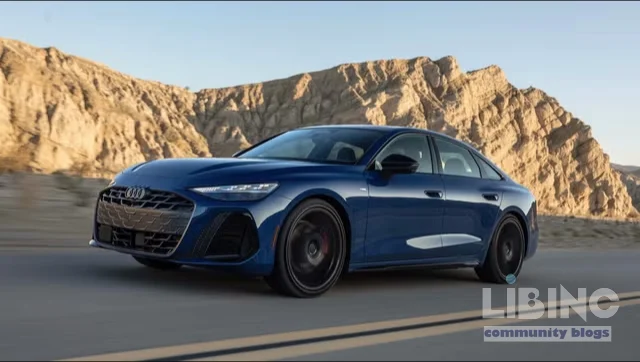
From a design standpoint, the 2026 A6 embraces a familiar silhouette that remains recognizably Audi, but the design language has evolved to emphasize sharper sculpting of bumpers and flank lines. Optional black wheels and accents sharpen the visual stance, though the overall shape maintains a restrained elegance. The exterior dimensions show a modest increase in length (about 2.4 inches) and a slightly narrower width, preserving a more lidded, cohesive profile that reads as a refined evolution rather than a dramatic step forward. The look communicates intent without shouting, a deliberate choice that mirrors the interior’s balance of technology and restraint.
The interior trades some of the analog warmth of earlier generations for a modern, digital-first cockpit. The instrument cluster and central touchscreen are among the largest in Audi’s lineup, providing a broad canvas for information without inundating the driver with graphical noise. Ambient lighting helps create a premium ambiance, and Audi’s optional Bang & Olufsen 3D sound system with up to 20 speakers elevates the sensory experience for music lovers. A panoramic glass roof, with six individually dimmable segments, floods the cabin with light and enhances the perception of space. The back seat remains adult-friendly, and the trunk offers a practical 14 cubic feet, preserving real-world utility in a segment that often prizes comfort over cargo capacity.
In markets where premium luxury sedans compete aggressively, the A6’s platform and interior tech are designed to keep pace with rivals like the BMW 5-series and Mercedes E-Class, while the engineering focus on chassis dynamics gives Audi a potential edge in handling finesse. Yet the most meaningful differentiation remains the trim-based gating of driving dynamics. The base and mid-range trims gain a wealth of safety and luxury features, but the headlining hardware that most drivers will wish for—rear-axle steering, a bespoke sport suspension, and higher-end materials—appears most readily in Prestige. That division is not merely a price tier; it’s a strategic decision about whether the A6 should be seen as a daily luxury cruiser or a dynamic performance instrument.
Why this matters: the A6’s design and market positioning reflect Audi’s intent to offer a spectrum that can satisfy two very different buyer personas within a single model line. The trim ladder means a buyer can start with a well-equipped sedan and step up to a more focused driving machine, but it also creates an ownership narrative where value hinges on access to the most engaging hardware. The last-generation A6 nudged the market with a respectable performance envelope, but this generation doubles down on technical specificity—an approach that invites owner ambiguity about long-term maintenance costs and residual values, a topic we explore in the ownership section that follows.
To further illustrate the value dynamics, consider the pricing structure: the base Premium starts at $65,395, with Premium Plus and Prestige climbing to $69,295 and $73,495, respectively. The Sport Plus package, which ties into the Prestige tier, adds a comprehensive upgrade to the suspension and chassis along with 21-inch wheels and exclusive styling cues. The price ladder is not trivial; it signals a clear preference for buyers who demand tighter handling, more aggressive aesthetics, and premium infotainment. The question becomes whether the incremental performance and luxury justify the incremental cost for typical daily use, or if the real value resides in the broader feature set that ships with the mid-range trims.
Cause-and-effect dynamics
The 2026 A6’s performance envelope is a function of deliberate engineering choices that interact in predictable, observable ways. The V-6’s 362 horsepower is not a vanity metric; it is intended to pair with an advanced driveline to deliver confident acceleration and stable highway overtakes. The 406 pound-feet of torque is most valuable at low-to-mid engine speeds, ensuring strong response without the necessity of frequent revving. This is complemented by a rear-differential vectoring strategy that uses torque distribution to reduce understeer and improve mid-c corner grip. In practical terms, you feel direct and predictable steering input translating into precise vehicle behavior through corners, a quality that many luxury sedans claim but few deliver as consistently across trim levels.
Air springs with adaptive dampers on the Prestige-grade suspension create a measurable impact on ride height and body control. In Normal mode, the system contributes to a planted, quiet ride by isolating road irregularities; in Dynamic mode, it tightens the body and reduces pitch through corner transitions. The ability to lower the car by up to 0.8 inches in Dynamic mode, or raise it on command via voice control, changes the center of gravity virtually on the fly, improving handling balance at speed. The Sport Plus package takes this a step further: it lowers the car by another 0.8 inches, adds firmer coils and dampers, standardizes the 21-inch wheel selection with performance tires, and equips rear-axle steering with up to 5 degrees of swivel. The aggregate effect is a car that feels more agile in mid-corner transients and more confident at the limit, albeit with a stiffer highway ride if you push the Dynamic settings too far for daily driving.
But there is a cost to these cause-and-effect relationships. The more dynamic the chassis and the more aggressive the aero dynamics, the higher the potential for ride harshness and component wear. The Prestige setup sacrifices some of the base car’s ride compliance in exchange for sharper handling, and the optional wheels and tires contribute to higher operating costs, especially if the car spends a lot of time on rough pavement. The design intent becomes a balancing act: deliver a driving experience that excites in a canyon road context while keeping daily practicality intact for the typical commuting patterns of luxury sedan buyers. This is where the A6’s value proposition is tested in the real world—by the intersection of performance capability, comfort, and lifecycle costs that the market ultimately weighs against competing models.
Finally, the decision to gate the driver-focused hardware behind the Prestige trim functions as a behavioral nudge. Audi appears to assume that a subset of buyers will be willing to pay a premium for the ultimate handling machine, while others will adopt the car as a sophisticated cruiser with abundant technology and safety features. The new head-up display, the passenger display, and OLED taillights exclusive to Prestige reinforce this segmentation. The efficiency of this approach depends on how many buyers consciously align their value perception with the Prestige package, rather than perceiving the A6 as a single, cohesive product that should offer the best features across trims. In other words, the consumer psychology around what constitutes ‘premium’ drives the math behind the model’s most controversial choices.
Expert reconstruction and ownership outlook
The 2026 A6’s price ladder, feature separation, and performance-oriented options create a distinct ownership narrative. The base Premium at $65,395 is a compelling entry point for buyers who want Audi’s latest tech stack, a robust V-6, and all-wheel drive, but the real performance credentials begin with the Prestige and the Sport Plus package. The Prestige at $73,495 bundles adaptive dampers, height-adjustable air springs, and a set of exclusive visual cues while reserving the eyes-on feature set—including animated LED headlights and OLED taillights—for the top tier. For drivers who want the maximum dynamic bite—squaring off the chassis, sharpening the steering, and enjoying the full spectrum of sport-oriented touches—the premium becomes a rational investment. For those who primarily need a refined sedan with modern conveniences, the mid-range trims still deliver a high-quality experience with less exposure to the upscale upcharge.
- Ownership costs: The A6’s pricing structure implies higher total cost of ownership for Prestige-level configurations, due to the inclusion of optional performance hardware, sport wheels, and premium interior trim. The car’s powertrain and chassis components should be well insulated from the immediate mechanical depreciation that plagues performance-focused variants in some brands, but maintenance and tire costs can be steep given the 21-inch wheels and performance tires that come with the Sport Plus option.
- Technology and usability: The interior tech package—largest screens, wireless connectivity, and high-end audio—appeals to buyers who value digital instrumentation and cabin experience. The head-up display’s capacity to adjust vehicle and infotainment settings in a brand-first implementation represents a meaningful step in user interaction. The value of this tech is reinforced when combined with the cabin’s quietness and the panoramic roof’s sense of openness.
- Riding experience vs. ride quality: The Sport Plus configuration is where a large fraction of the A6’s driving verve lies. It delivers crisper responses, more precise body control, and a more aggressive stance, but it compromises ride comfort on rough surfaces. The base and Premium Plus trims provide better daily comfort with a more subdued handling character, which is exactly what a large portion of the luxury sedan buyer pool expects from a premium daily driver.
If you value a balanced approach, the A6 undercuts several rivals on base pricing while offering a comprehensive feature set. If you crave the most agile, track-minded temperament, the Sport Plus package, when paired with Prestige, delivers a quasi‑S‑series experience in a four-door package—without stepping into the more costly S6 territory. The key question remains: will the market respond to a performance‑leaning A6 with a top-trim price that mirrors high-end competitors, or will buyers perceive the value as condensed into a single, optional upgrade? The answer will unfold as real-world ownership data, reliability metrics, and resale values emerge over time, but the current package clearly aims to give Audi the most potent A6 in a generation while preserving the brand’s emphasis on luxury and technology integration.
Closing thought: the 2026 Audi A6 does not pretend to be a budget sports sedan. It is a well‑rounded, technically sophisticated luxury car that offers a real performance edge when equipped with the right hardware, and it makes a clear case for why some buyers will happily pay a premium for the privilege of that experience. For others, the mid-range trims still provide a compelling blend of comfort and capability that aligns with everyday driving demands. In either case, the A6 deserves serious consideration among mid-size luxury sedans for its balanced approach to speed, refinement, and technology—tempered by the reality of trim-based feature gating that defines its value proposition.
Closing assessment
The redesigned 2026 Audi A6 marks a decisive step for Audi in marrying performance with refinement through a sophisticated, technology-packed cabin. Its mechanical upgrades on the Prestige line deliver a meaningful lift in dynamics, while the broader trim ladder ensures that a wide range of buyers can access that capability—albeit at different price points. The car’s handling, steering precision, and ride quality reflect a thoughtful calibration aimed at a niche that wants both comfort and capability in one package. The principal risk is the price barrier created by trim gating; the question for buyers becomes whether the Prestige’s price premium translates into a commensurate upgrade in daily usability and long-term ownership experience. For enthusiasts, the Sport Plus configuration offers an appealing route to a more charismatic A6 without stepping into a dedicated performance model; for mainstream buyers, the standard trims still provide a compelling, well-executed luxury sedan with cutting-edge tech and a refined ride. The 2026 A6 thus positions Audi to capture buyers seeking a rare blend of quiet luxury and engaged driving—provided they are comfortable navigating the option structure that unlocks its most engaging dynamics.
Ownership economics and daily practicality
Beyond peak performance, the A6’s real-world value hinges on ownership costs, tire life, and how the trim ladder influences long-term expenses. Buyers who chase dynamic handling must weigh potential premiums against daily usability, reliability, and resale outcomes. This section closes the gap by translating spec sheets into lifecycle realities, using practical scenarios that mirror typical ownership patterns for a mid‑size luxury sedan.
| Trim | MSRP (est.) | Est. annual maintenance | Notable costs |
|---|---|---|---|
| Premium | $65,395 | $1,200–$1,800 | Standard tires, basic suspension |
| Premium Plus | $69,295 | $1,400–$2,000 | Upgraded electronics, intermediate wheels |
| Prestige | $73,495 | $1,800–$2,400 | Adaptive dampers, air springs, premium trim |
| Sport Plus | Included with Prestige | $2,000–$2,600 | Performance tires, 21-inch wheels |
These figures illustrate how the cost of ownership scales with hardware upgrades. The base car offers compelling value with a modern tech stack, while Prestige and Sport Plus elevate ride dynamics, but at higher tire and maintenance costs. Consider how often you’ll replace wheels or tires and the impact of premium parts on resale or certified maintenance coverage. For a buyer who prioritizes daily comfort with occasional spirited driving, the Premium or Premium Plus remains a strong baseline; the Prestige line is where performance economics become a meaningful consideration for long-range ownership.
Annual ownership costs rise notably with 21-inch wheels and sport-focused dampers; plan for higher tire replacement and premium maintenance on Sport Plus models.
In practice, a daily commuter who rarely pushes the car will likely favor the base or mid-tier trims for daily cost efficiency, while a buyer who values dynamic handling and tech exclusivity may justify the higher TCO with the Prestige package. The decision hinges on how much the driver values on-road persuasion versus long‑term cost control, and how resale values trend as market perceptions of the A6 evolve around its gated performance options.
- Scenario 1 — Daily driver: Regular potholes and commutes, prioritizing ride quality and tech without the premium wheels. Costs stay closer to Premium estimates; a balanced ownership path.
- Scenario 2 — Weekend enthusiast: Occasional canyon runs with Sport Plus wheels; higher tire wear but improved steering precision and grip. Accept higher annual costs for stronger engagement.
- Scenario 3 — Long road trips: High-speed stability with adaptive air springs; fuel economy and maintenance remain predictable, but premium tires and wheels affect depreciation.
In short, the A6 delivers strong base value with compelling flagship options that prestige buyers, but the financial upside depends on aligning driver expectations with the corresponding hardware. The car remains a premium midsize sedan that blends luxury with capable dynamics, and the choice of trim should reflect both lifestyle and budget trajectory.
What is the 0-60 mph time for the 2026 Audi A6 with Prestige and Sport Plus?
Approximately 4.8 seconds in optimal configurations, reflecting the V-6’s 362 horsepower paired with the sport-tuned chassis. This is a real performance edge for a luxury midsize sedan, yet the exact figure depends on trim, tires, and ride mode selection. Practically, you’ll notice brisk acceleration in daily overtakes and confident highway bursts, especially when the vehicle is equipped with the sport suspension and larger wheels. This performance is balanced by ride stiffness in Dynamic modes, so everyday driving remains a consideration.
The measured capability supports confident merging and passing without the lax lag some luxury sedans exhibit. For buyers comparing to rivals, the A6’s blend of speed and refinement remains a key differentiator in its class, particularly when paired with all-wheel drive and the rear differential vectoring that helps steer power effectively.
How does rear-axle steering influence road manners?
Rear-axle steering enhances agility at low speeds and stability at highway speeds. In practice, the system shortens the effective wheelbase at parking and tight turns, while widening it at speed for improved stability. You’ll feel quicker steering inputs in city driving and a more planted feel on spirited bends, reducing understeer and increasing driver confidence. This technology complements the sport-tuned suspension and torque-vectoring rear diff by delivering balanced turn-in behavior across the speed spectrum.
For everyday use, it means smoother lane changes and a calmer ride in high-speed highway transitions. For enthusiasts, it contributes to a more nimble feel without sacrificing high-speed stability, reinforcing the A6’s dual identity as a refined cruiser and a capable corner-carver.
Is the base A6 worth buying versus Prestige?
Yes, for buyers who prioritize value, comfort, safety tech, and a balanced driving experience without the gating premium. The base A6 offers strong performance, AWD grip, and a robust tech stack, with a ride that remains comfortable in most conditions. Prestige adds adaptive dampers, a sport-tuned setup, and exclusive materials, which translate into sharper handling and a more engaging experience—at a higher price. The decision hinges on how much you value dynamic capability and exclusivity relative to the budget impact and potential maintenance costs.
In real terms, most daily drivers will find the base or mid trims compelling, while enthusiasts who want maximum engagement will appreciate Prestige with optioned sport features, accepting the cost trade-offs as part of ownership.
What maintenance and tire costs should a buyer expect?
Maintenance costs rise with ongoing wear of high-performance tires and the potential for more frequent alignment checks on sport-tuned suspensions. Expect annual maintenance in the $1,200–$2,400 range depending on trim, tire wear, and region, with tires costing notably more for 21-inch wheels. Regular service intervals align with typical luxury-brand schedules, but the premium wheels, tires, and advanced dampers can push the total year-over-year figure higher for Prestige and Sport Plus configurations.
Setting aside tires, the A6’s technology stack and powertrain are designed for reliability, but maintenance costs tend to reflect the hardware you choose, making trim selection a practical factor in total ownership cost.
Is Sport Plus practical for daily driving?
Sport Plus delivers sharper throttle response, stiffer suspension, and enhanced cornering grip, which elevates engagement. The trade-off is a firmer ride on imperfect pavement and higher tire wear. For a daily driver who values comfort most days, Sport Plus remains enjoyable in spirited moments but may be less forgiving on rough urban roads. If daily comfort dominates, a Prestige with standard damping or Premium Plus offers a more balanced routine with occasional driving excitement when desired.
Thus, Sport Plus is ideal for drivers who want a dynamic edge during weekend outings while still using the A6 as a practical daily car. The choice should align with how often you’ll push the car beyond moderate driving and whether the extra ride firmness fits your commuting corridors and driveway setup.
How does the A6 compare to BMW 5-Series and Mercedes E-Class in tech and ride?
In tech, the A6 stacks up with large digital displays, wireless connectivity, and a strong infotainment system that rivals both rivals. Ride quality and chassis tuning emphasize a balance between refinement and sportiness. The 5-Series and E-Class offer similar tech breadth, with different steering and suspension tunes shaping their handling personalities. Audi emphasizes a more composed, tech-forward interior with a distinctive brand feel, while BMW and Mercedes often skew slightly more aggressive or plush, depending on configuration. Overall, the A6 sits mid-pack—strong in tech and handling, with its own unique blend of luxury and performance.






Add a comment
To comment, you need to register and authorize
Comments