

The Wadden Sea Unpacked: Ecology, Travel, and Tides on Norderney and the East Frisian Islands
- Analytical view of the Wadden Sea
- Contrasts among East Frisian Islands
- Cause-and-effect dynamics
- Expert reconstruction
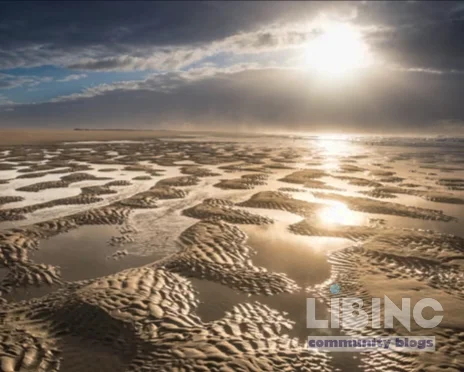
Can you hear that? I ask as the mud settles around my toes and the wind quiets, replaced by a crackling chorus rising from the Wadden Sea mudflats. This sound is Wattknistern—a natural chorus produced by tens of thousands of mud shrimp that inhabit the soft bottom. We are on Norderney, one of Germany's East Frisian islands, where the tide reveals a hidden world beneath the surface. The Wadden Sea is not just scenery; it is a dynamic ecosystem, a UNESCO World Heritage site, and a national park that demands informed, disciplined exploration. My journey across Norderney and its neighbors tests how travel can observe without dominating, how a landscape can be both refuge and classroom for those who listen and learn.
Analytical view of the Wadden Sea
The Wadden Sea is a tidal flats network where cycles of inundation drive ecological productivity. Its status as a UNESCO World Heritage site reflects the exceptional tidal dynamics that fuel nutrient cycling, primary production, and a suite of specialized organisms that depend on the mud, sand, and salt marsh interfaces. This system is not a backdrop; it is a living, responsive organism that responds to wind, water, and human presence with measurable change in habitat quality and species composition. The ecological links extend from microfauna in the ooze to migratory shorebirds that rely on the Wadden Sea as a staging ground during long journeys.
On the ground, however, the narrative is not merely about biota but about how humans interact with a continually reshaped coastline. The Wadden Sea ecosystem is a web of habitats: tidal flats, salt marshes, sand dunes, and shallow bays. Each component supports a different facet of biodiversity, from filter-feeding bivalves that purge waters to burrowing worms that alter sediment structure. The connectivity among these zones means disturbance in one area reverberates through the whole system, influencing bird populations, fish recruitment, and even coastal protection against storm surges. This is why management relies on precise zoning and guided access rather than freewheeling exploration.
The region is not static: it has evolved through climate-driven sea-level changes, human settlement, and evolving protection regimes. The Wadden Sea has long been a human-nature interface—an arena for seasonal migrations, fishing, and increasingly, nature-based tourism. The challenge is to balance a rich human experience with the ecological needs of a coastline that already bears the imprint of centuries of interaction. Recognizing the mudflats as a living laboratory reframes travel from passive observation to active stewardship, where timing, routes, and pacing matter as much as sighting opportunities.
Within this framework, coastal protection emerges as a keystone. The mudflats absorb wave energy and reduce inland flooding, yet their capacity hinges on maintaining natural sediment dynamics. In practice, this translates to controlled access in sensitive zones, seasonal restrictions, and the integration of scientific monitoring with visitor guidelines. Shoulder seasons, for example, offer opportunities to observe migratory birds in relative quiet, while also avoiding peak crowds that clog fragile habitats. The takeaway is clear: a successful Wadden Sea encounter rests on disciplined observation paired with sound ecological reasoning.

Contrasts among East Frisian Islands
The East Frisian Islands are not a single, uniform coastline. Norderney, Juist, Baltrum, Borkum, Langeoog, Spiekeroog, and Wangerooge each wear a different face: some embrace motorized transport and bustling seaside villas, others lean toward car-free, historic townscapes and long-standing social rituals. Juist, for instance, is famous for horse-drawn transport and a deliberately tranquil tempo, while Norderney blends Victorian seaside retreats with contemporary hotel design. This spectrum illustrates how protected coastlines and tourism can coexist with variety in infrastructure and visitor experience.
On Norderney, the balance leans toward a hybrid model: cars are allowed, yet most exploration along the dunes and tidal fringes occurs by bike or on foot. The island’s patches of dunes, the Marienhöhe pavilion perched above the foredune, and the scent of brine in the air all contribute to a distinctive atmosphere. Across the channel, Langeoog presents a quieter, more tactile sense of place—featuring pristine beaches and a slower rhythm that invites long, patient birdwatching. Spiekeroog, with its historic red brick houses, feels like a residence for memory and nature alike. These contrasts are not mere curiosities; they reveal how policy, culture, and geography shape the visitor’s experience and the site’s ecological resilience.
In practical terms, this means that each island offers different access rules and interpretive opportunities. The Ruhezone on Norderney—a quiet/restricted zone with limited footpaths—highlights how protected areas can be navigated without destroying core habitats. Juist’s car-free model reduces local emissions and traffic noise, creating a different acoustic signature for wildlife and humans. The diversity of governance and layout across the islands demonstrates an important principle of ecotourism: variety in management fosters broader learning and helps protect fragile ecosystems by distributing pressure and resource use more evenly.
For visitors seeking a balanced itinerary, a practical guide emerges from these contrasts. The most compelling experiences are often built around guided Wattwanderungen, salt marsh walks, and birding excursions, rather than aimless wandering. The newly renovated visitor centre at Norderney harbour consolidates ecological interpretation and reinforces the idea that understanding precedes appreciating. In short, the East Frisian Islands teach that nature and culture can flourish together when visitors follow well-timed paths and respected boundaries.
Cause-and-effect dynamics in the Wadden Sea
At the heart of the Wadden Sea is a causal chain: tides shape exposure times, which creates feeding opportunities for shorebirds and filter-feeding organisms, which in turn sustains higher trophic levels and a resilient coastal economy dependent on sustainable tourism. The cause is not only natural; human actions—whether through habitat modification, footpath construction, or guided access—determine how effectively these processes function. When access is well managed, ecological integrity supports stable bird populations, robust fish recruitment, and reliable protection against erosion and inundation during storms. These outcomes, in turn, sustain a travel economy that emphasizes conservation and education rather than exploitation.
Climate change compounds these dynamics by altering sea level, wind patterns, and storm frequency. Higher water levels can submerge low-lying feeding grounds and agricultural margins, shifting the timing and location of feeding and resting sites for migratory birds. Warmer air and water temperatures may alter species composition, enabling some invaders while stressing others adapted to cooler waters. The cascading effects ripple through the tourism sector: rental demand, seasonality, and the viability of guided programs depend on predictable wildlife patterns and navigable, undisturbed habitats.
The policy response to these pressures is not simple; it requires precise zoning, continuous monitoring, and adaptive management. Ruhezone designations, seasonal closures, and the availability of official guides for Wattwanderungen are examples of how to translate ecological knowledge into practical protections. The objective is not to halt curiosity but to align it with the long-term health of the ecosystem. If visitors understand why certain areas are off-limits at certain times, they will be less tempted to circumvent rules, and the habitat will retain its capacity to support both wildlife and people.
Ultimately, the Wadden Sea demonstrates a fundamental cause-and-effect principle: the health of a dynamic coastline hinges on the interplay between natural processes and human stewardship. When this balance tilts toward restraint and education, the mudflats remain productive, the birds keep arriving in millions, and the coastline remains a living classroom for generations of explorers. The shoulder season becomes not a concession but a deliberate strategy to observe, learn, and contribute to conservation while still enjoying authentic coastal experiences.
Expert reconstruction: reimagining sustainable exploration
Experts converge on a shared vision: to experience the Wadden Sea with disciplined curiosity that respects its rhythms. The encounter is not a spectacle but a study in timing, routes, and minimal interference. The critical lesson is that sensory immersion—listening for Wattknistern, watching for distant silhouettes of birds, feeling the wind in your jacket—must be balanced with a clear set of constraints designed to protect the habitat. Guided Wattwanderungen, salt marsh walks, and boat trips to observe seals are not merely activities; they are structured engagements that maximize learning while limiting ecological disturbance.
From Andrea Wellmeyer to Fiona Wettstein, expert voices emphasize how travel can sharpen perception without diminishing what is being observed. The goal is to cultivate an ethic of observation: to recognize the limits of human impact, to respect restricted zones, and to recognize the coastline as a shared commons with a finite capacity for visitors. The practical upshot is a set of habits that travellers can adopt: plan around weather windows, book licensed guides, stay in ecologically aware accommodations, and minimize waste and noise. This is how the Wadden Sea remains a living laboratory rather than a memory of untouched beauty.
- Choose shoulder-season itineraries to reduce crowding and pressure on habitats.
- Book official guides for Wattwanderungen and birding excursions to ensure safety and ecological sensitivity.
- Respect Ruhezone boundaries and marked footpaths; avoid stepping on tidal flats outside designated routes.
- Support accommodations with explicit conservation programs and local ecological commitments.
- Observe quietly, document responsibly, and participate in citizen-science initiatives when offered by guides.
The synthesis is straightforward: responsible travel is not about tightening restrictions, but about aligning curiosity with ecological wisdom. When rules and expertise guide the journey, the Wadden Sea reveals itself as a dynamic, teachable landscape—one that rewards patient observation, disciplined movement, and a willingness to let nature lead the way.
In sum, the experience on Norderney and the broader Wadden Sea emerges as a model for sustainable coastal travel. Visitors learn to hear the sea on its own terms, to respect the signs of vulnerability, and to let the landscape shape their own understanding of time, tide, and place. The result is not merely a vacation; it is a purposeful encounter with a fragile but thriving coastal realm.
Targeted planning for wildlife-friendly visits
Effective exploration of the Wadden Sea hinges on timing, discipline, and a clear plan that aligns curiosity with conservation. Visitors should map weather and tide windows, choose guided Wattwanderungen, and respect Ruhezone boundaries to support migratory birds, crustaceans, and sediment dynamics. In practice, this means checking local tide tables, booking licensed guides, and adopting a light footprint across the mudflats. A family day on Norderney might start at dawn low tide to see Wattknistern, while a research-oriented visit can pair citizen science with bird counts at salt marsh edges.
| Island | Primary Access | Restricted Periods | Highlights | Practical Tip |
|---|---|---|---|---|
| Norderney | Bike/foot; car in limited zones | Seabirds nesting May–July | Fore dune trails; Ruhezone | Book guides for Wattwanderungen |
| Juist | Car-free paths | Bird migration peaks spring/fall | Quiet streets; horse culture | Arrive early to avoid crowds |
| Langeoog | Bike-friendly; walks | Shorebird counts summer | Wide beaches | Respect marked routes |
| Spiekeroog | Limited vehicle access | Bird roosts autumn | Historic village; marshes | Follow licensed guides |
| Wangerooge | Pedestrian zones | Breeding season | Quiet dunes | Carry modest gear |
Mid-section planning relies on seasonality. A clear dawn low tide in spring reveals mudflat life and feeding windows for shorebirds, while autumn winds test shelter and visibility. By coordinating with stewards and local guides, visitors shape memorable moments that are also ecologically gentle. These patterns, when seen through the lens of coastal dynamics, become practical rules for responsible travel. LSI keywords: Wadden Sea tides, Wattwanderungen, bird migration, sustainable travel, salt marsh ecosystems.
Wadden Sea timing infographic
After observing the mid-season patterns, the last element offers a concise reminder. Etiquette and safety checks ensure a low-impact experience while keeping personal safety intact in sometimes slippery mud. Guides emphasize pace, gear, and quiet observation so that wildlife can carry on with minimal disturbance. Key principles like staying on marked paths and respecting Ruhezone boundaries translate into steadier wildlife interactions and calmer human experiences.
- Walk slowly, listen for signs of life, and avoid rushing across flats.
- Keep voices low and minimize waste; carry out what you bring in.
- Follow licensed guides and respect restricted zones.
What is Wattwanderung and how should I prepare?
Wattwanderung is a guided intertidal walk that follows tides, mud, and life across the flats, requiring careful preparation such as checking tide tables, wearing grippy footwear, packing water and a small waste bag, and booking a licensed guide. The preparation also includes reviewing safety rules, staying on designated paths, and coordinating with guides who know the local Ruhezone boundaries. This approach ensures safe navigation of slippery mud, respectful observation of wildlife, and a calm, educational pace that enriches the experience rather than compromising the habitat.
Analytically, preparation translates into predictable schedules and lower risk, enabling meaningful wildlife encounters without disturbing sensitive areas. It also helps families and researchers align expectations with ecological rhythms, from the timing of feeding to the emergence of Wattknistern at dawn.
How do the East Frisian Islands differ in access and visitor experience?
The islands vary from car-free Juist with tranquil streets to Norderney’s hybrid model that blends bikes, walking, and limited cars, creating distinct acoustic footprints and wildlife responses. These differences influence where visitors walk, when to visit, and how to observe birds and tidal life. Understanding the governance and road rules across islands helps travelers design balanced itineraries that distribute pressure and support ecological resilience while still offering rich cultural experiences.
What role does seasonal timing play in wildlife watching and safety?
Seasonal timing governs bird migration, shorebird feeding, and sediment dynamics. Spring mornings often reveal higher bird activity as migratory species pause, while late autumn offers broader visibility with calmer seas. Safety considerations include avoiding high-tide exposure, wearing proper footwear, and respecting restricted zones during nesting or roosting periods. Planning around these windows yields clearer observations and reduces disturbance to habitats.
How can visitors contribute to conservation while traveling?
Visitors contribute by booking licensed guides, staying in ecologically aware accommodations, minimizing waste, and supporting citizen-science initiatives when offered. Participating in structured activities helps researchers track wildlife responses to seasonal changes and human pressure, while small acts like carrying a compact bag for waste and choosing low-emission transport support sustainable tourism that benefits local communities and ecosystems alike.
What practical etiquette should accompany a Wadden Sea visit?
Etiquette centers on restraint and respect: stay on marked paths, avoid stepping on tidal flats outside designated routes, keep noise to a minimum, and observe wildlife from a respectful distance. This simple discipline protects feeding and nesting sites, reduces stress on birds, and preserves the mudflat’s role as a living classroom. By observing boundaries, visitors help maintain a landscape where both people and wildlife can learn from each other in balance.





Add a comment
To comment, you need to register and authorize
Comments