

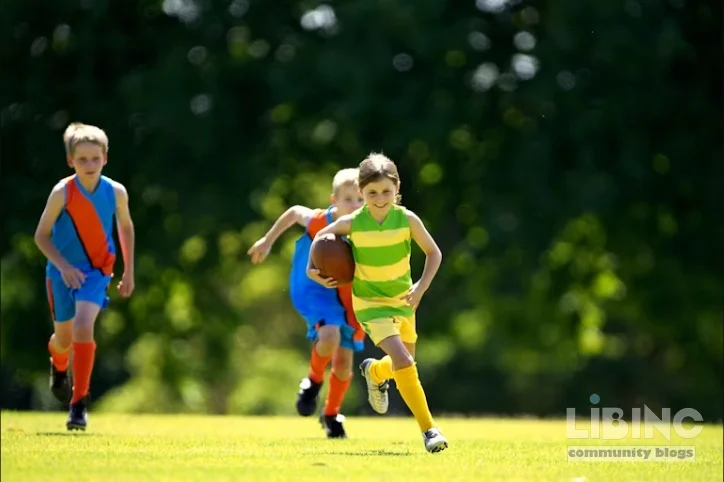
Concussion in Kids: An Epidemiologist's Guide to Maximizing Benefits and Minimizing Harms in Youth Sports
Table of contents
Concussion in kids is not a single risk or a single outcome. The central question for parents is not whether children should play sport, but which sports and what safeguards maximize health benefits while minimizing brain injuries. As an epidemiologist studying concussion in kids, I examine data with a precautionary mindset: act to protect learning, development, and long-term well‑being, even as we celebrate physical activity and social engagement. The stakes are significant: sport offers cardiovascular, musculoskeletal, cognitive, and social gains, yet brain injuries can alter schooling, behavior, and life trajectories. This lead lays out how to navigate the trade-offs with evidence, humility, and practical steps that families can implement today.
The problem is layered. Headlines amplify dramatic events, but the underlying risk picture for concussion in kids is nuanced and age‑dependent. The precautionary principle matters: when the evidence points to plausible harms that could affect schooling or development, cautious choices should guide participation. Yet the data also show that activity delivers broad public health benefits, particularly for cardiovascular health, motor skills, mood, and social connectedness. Understanding how these elements interact helps parents craft a plan that keeps kids safe while preserving the advantages of sport.
In this analysis, I anchor decisions in three questions: What is the true baseline risk of brain injuries in youth sports? How does risk change with age and with the type of sport? And what practical steps can families take to tilt the risk-benefit balance toward long-term resilience and academic success? The answers require looking beyond headlines and considering both current and future risk, as well as the real-world burden of injuries that do not lead to hospital admission. The result is a framework that supports informed choices about participation in activities such as football and other popular youth sports.
Analytics-driven perspective on concussion in kids
The data reveal a landscape where brain injuries are a subset of broader sport-related harm. When parents ask, “How big is the concussion risk for my child?” the answer depends on age, sport, and exposure. In Australia, the annual tally of sport-related fatalities hovers around sixty, with about one-third involving children and young people. Wheeled motor sports (motorcycling and ATVs) and wheeled non-motor sports (cycling, skateboarding) account for the vast majority of fatalities, while Australian rules football and rugby together contribute less than 1% each. This context matters because fatalities, while salient, represent the far end of a spectrum; the much larger burden lies in non-fatal injuries that drive hospital admissions, emergency department visits, and subsequent health and educational consequences.
The non-fatal injury picture is where concussion in kids becomes a central concern. Data show that wheeled motor and non-motor sports are top drivers of sports injury–related hospitalisations among Australian children. Rugby and Australian rules football rank lower but are still meaningful contributors, with injury-related hospitalisation rates around four per 1,000 child participants per year. The disparity between hospitalisations and overall injuries is instructive: for every admitted child, five to six more are treated in ED and many more receive care from primary or allied health providers or go untreated. This distinction matters for public health planning and for families trying to estimate real-world risk.
From a population perspective, the risk profile shifts with age. Among 15–17-year-olds, injury-related hospitalisation rates for wheeled motor and non-motor sports decline, while those for rugby and Australian rules football rise by two to three times relative to younger children. In practical terms, adolescents may face a different balance of benefits and harms than younger children, underscoring the need for age-specific decisions and surveillance. The central question for parents becomes not only “Is concussion in kids a threat?” but “How does the threat evolve as my child grows, and how can we adapt our sport choices over time?”
- Key takeaway: Brain injuries are not the sole indicator of sport harm. The broader injury burden, hospitalisation patterns, and the downstream effects on schooling are essential to understanding true risk.
- LSI: Pediatric concussion sits at the intersection of acute injury, recovery trajectory, and educational impact, reinforcing the importance of integrated surveillance and school-based supports.
Contrasting headlines with reality
Media coverage often emphasizes dramatic, rare events, which can distort public perception of risk. The reality for concussion in kids requires a tempered view: the most serious outcomes are not the only or even the most frequent, but they still warrant vigilance. The fact that a child experiences a concussion can trigger short-term consequences for schooling and behavior that extend well beyond the immediate recovery period. In contrast, the everyday risk of less dramatic injuries across a broad set of activities often goes underappreciated, even though it shapes the overall health burden for families and health systems.
Consider the dual realities of risk: high-profile cases of brain injury in contact sports attract attention, yet the data show that non-contact or low-contact sports can still yield concussion and related brain injuries, albeit at different rates. The trend of age-dependent risk adds another layer: for adolescents, some high-contact sports show elevated concussion risk compared with younger children, which suggests that swifter transitions into age-appropriate contact levels should be coupled with stronger safety protocols. This is not a call to abandon sport; it is a call to align exposure with evidence-based safeguards and to diversify activities to spread risk and build resilience.
When assessing risk, two questions are essential: What is the absolute risk for a given child in a given sport? And what are the long-term costs of concussion, including academic and social outcomes? The data suggest that brain injuries are often not isolated events; they interact with educational attainment, cognitive development, and psychosocial growth. The upshot is that parents should not rely on sensational headlines but should rely on a balanced risk assessment that includes both acute injury risk and potential downstream effects on learning and life opportunities.
- LSI: Public understanding benefits from framing concussion in kids within the broader spectrum of pediatric injuries and educational outcomes, rather than as a solitary, sensational risk.
- Another practical takeaway is that risk is dynamic and sport-specific; decisions should reflect current evidence and local safety culture.
Cause-and-effect relationships in pediatric brain injury
Exploring cause and effect requires more than listing injuries; it demands tracing how concussion in kids translates into functional outcomes. The data show a chain from acute head trauma to recovery trajectories, school performance, and longer-term learning and life chances. Hospital concussion cases correlate with a measurable risk of poorer school outcomes, not just during the aftermath of the injury but potentially across years of schooling. This is a critical link for parents who worry about short-term rest but also want to protect long-term educational potential.
Short-term schooling effects are tangible. Children hospitalized with concussion are about 30–40% more likely not to achieve the national minimum standard on NAPLAN literacy and numeracy assessments in years 3–9, compared to matched uninjured peers. They are about 77% more likely not to finish year 12. These figures matter because academic performance strongly influences future opportunities, including university access, career prospects, and lifetime earnings. The mechanism is multifactorial: cognitive load during recovery, disruptions to cognitive development, and psychosocial stressors all contribute. The takeaway is that brain injuries do not merely pause a season; they can alter a child’s developmental trajectory.
Another cause-and-effect dimension concerns the broader injury burden beyond hospital admissions. For every child admitted to hospital for brain injury, five or six more will present to ED without admission, and many more will seek care from primary or allied health services or go unreported. This information matters for risk assessment because it reveals a large pool of subclinical or mild concussions that accumulate risk across a school year or a sports season. From this perspective, concussion in kids should be viewed as part of a spectrum of neurotrauma and its cumulative effect on learning, behavior, and social outcomes.
What drives these effects? Several causal channels deserve attention. First, the neurobiological impact of concussive injuries during critical periods of brain development can alter attentional control, working memory, and processing speed, which in turn affect learning. Second, school absences and medical leave disrupt continuity of education and social integration, compounding academic risk. Third, the psychosocial consequences of injuries—stress, anxiety about returning to play, and peer dynamics—can further impede schooling. Recognizing these pathways helps families design interventions that mitigate harm while preserving the benefits of sport participation.
- Key causal pathways: neurocognitive disruption, school disruption, and psychosocial stress intersect to shape long-term educational outcomes after concussion in kids.
- LSI: Understanding mechanisms informs targeted supports, such as cognitive accommodations and gradual return-to-play protocols, to minimize educational damage.
Expert reconstruction and practical guidance for parents
Putting evidence into practice requires a coherent framework that translates data into daily decisions. The goal is to select sports and safety practices that maximize benefits while minimizing harms, especially brain injuries that can affect schooling and development. The practical plan rests on four pillars: prudent sport selection, progressive exposure and return-to-play, safety culture, and data-informed monitoring and adaptation.
Prudent sport selection starts with transparent risk-benefit weighing for each activity. The data show that bromide of risk exists across most popular youth sports, but the magnitudes differ. Wheeled motor and non-motor activities carry relatively higher brain injury–related hospitalisation rates than many non-contact or low-contact sports. Rugby and Australian rules football show intermediate risk—lower than contact-heavy adult leagues but higher than non-contact alternatives in some age groups. The central message is not to stigmatize any sport but to choose environments with well-implemented safety practices, such as coaching emphasis on safe technique, proper equipment, and restricted contact exposure for younger children.
Progressive exposure and return-to-play protocols are essential. After a concussion, the fastest route to safe re-engagement is a structured, symptom-guided recovery with a graded return-to-activity plan. Return-to-play should be staged, with medical clearance at key milestones, to minimize recurrence risk and to protect school functioning. In practice, this means not rushing a child back to full practice or competition and ensuring that cognitive rest and academic accommodations are integrated into the recovery process. These steps reduce the likelihood of a secondary injury and support continued learning during recovery.
Safety culture and education are foundational. Coaches, parents, and athletes should share a common language about concussion, reporting symptoms promptly, and adhering to return-to-play rules. Schools can play a critical role by providing assessment resources, academic flexibility during recovery, and ongoing monitoring of cognitive and emotional well-being. A robust safety culture reduces underreporting, accelerates appropriate care, and maintains the child’s trajectory in both sport and schooling.
Data-informed monitoring and adaptation complete the cycle. Families should track injury history, exposure patterns, and recovery progress, updating sport choices as the child grows and as new evidence emerges. Ongoing surveillance at the school and community level helps identify higher-risk activities and informs policy changes, equipment standards, and coaching education. The precautionary principle is not anti-sport; it is a compass for smarter sport participation that protects brain health while preserving physical and social benefits.
- Actionable steps for families:
- Diversify sports to spread exposure and reduce repetitive head impacts.
- Prioritize non-contact or low-contact versions in early years and taper contact as risk evolves with age.
- Implement and enforce return-to-play protocols with medical oversight.
- Educate caregivers, coaches, and children about concussion symptoms and reporting.
- Coordinate with schools to support academic recovery and minimize learning disruption.
- LSI: Effective policies depend on collaboration among families, schools, clubs, and healthcare providers, all aligned around child safety and educational success.
In summary, concussion in kids is a manageable risk when approached with data-driven strategies that align sport participation with developmental considerations and educational outcomes. The essential stance is to choose sports that maximize the positive health and social benefits while embracing safeguards that reduce brain injury risk. For every child, the question is not whether to play, but how to play in a way that sustains health, learning, and long-term potential. And yes, kids usually have more fun when they are playing safer, and when the head is protected from unnecessary knocks.
As parents, you can build a flexible, evidence-informed plan that evolves with your child. The core idea is to maintain momentum toward healthy development while avoiding unnecessary brain injuries. The result is a healthier, happier child who benefits from sport, learning, and social growth without paying a heavy price for risk. By integrating analytics, critical appraisal of headlines, an understanding of cause and effect, and expert-driven strategies, families can navigate the complex landscape of concussion in kids with confidence and care.
Closing the practical gap: age-appropriate return-to-play and return-to-learn plans
Turning data into daily practice requires explicit, age-graded protocols that couple sport choices with learning safeguards. This section adds concrete steps you can use now.
Figure: Concussion risk by sport (illustrative)
| Sport category | Concussion risk level | Age focus |
|---|---|---|
| Wheeled motor | High | All ages |
| Wheeled non-motor | Medium | Middle school |
| Non-contact | Low–Medium | Early years |
| Contact-heavy games (rugby, football) | Medium | Older youth |
Key insight: risk varies by sport and age, and school supports must run in parallel with medical care.
In pediatric concussion, 30–40% of hospitalized cases fail to reach basic literacy/numeracy standards in years 3–9, and about 77% do not finish year 12, underscoring the need for academic planning alongside medical care.
Implement a staged return-to-activity protocol and a parallel return-to-learn plan tailored to your child’s grade and school policy.
Practical steps for families
- Diversify sports to reduce repeated head impacts.
- Choose non-contact or low-contact versions in early years.
- Use a graded return-to-activity protocol with medical oversight.
- Coordinate with schools for cognitive accommodations.
- Track injuries and adapt sport choices over time.
With clear plans, families can keep kids active, safer, and academically on track.
1. What is return-to-play and why is it important?
Return-to-play is a staged, symptom-guided process that ensures medical clearance before resuming activity. It reduces the risk of a second head injury and protects recovery and schooling. Practically, it means starting with light activity, advancing only when symptoms stay absent, and ending with full return under supervision. This approach supports safe participation without sacrificing learning or fitness. In many cases, success hinges on consistent communication among parents, clinicians, coaches, and schools to set realistic milestones and timelines that respect both health and development.
Analytically, this framework minimizes recurrence, preserves academic engagement, and aligns athletic goals with medical recovery. A clear plan reduces ambiguity, improves symptom monitoring, and helps families anticipate needs such as cognitive rest, school accommodations, and gradual resumption of practice. It is a practical, collaborative process rather than a single event.
2. How should schools support concussion recovery and learning?
Return-to-learn principles emphasize tailored educational supports alongside medical recovery. Schools should offer flexible scheduling, temporary workload adjustments, and supervised study options. Regular updates from healthcare providers inform pacing and cognitive demands. The overarching aim is to keep students engaged academically while avoiding fatigue or cognitive overload that could prolong recovery. Through proactive planning, schools help protect long-term learning trajectories and facilitate a smoother return to active sport when medically appropriate.
From an analytic perspective, school-based accommodations correlate with better academic continuity, lower dropout risk, and improved psychosocial adaptation. Coordination with families and clinicians is essential to ensure that accommodations reflect evolving recovery milestones and classroom realities.
3. Which youth sports pose higher concussion risk and how can risk be reduced?
Higher-risk activities include both wheeled/vehicle-related sports and contact sports with repetitive head impacts. Risk can be mitigated by age-appropriate rule changes, emphasis on safe technique, limiting full contact in younger groups, and rotating to lower-risk activities. A safety culture that prioritizes prompt symptom reporting, proper equipment, and coach training further lowers risk. Diversifying activities helps distribute exposure and reduces cumulative risk in a single sport over a season or year.
Practically, clubs should adopt standardized safety protocols, ensure certified coaches, and maintain equipment checks. This integrated approach yields safer environments without eliminating the benefits of sport participation.
4. How can parents monitor recovery at home and decide when to resume sport?
Parents should track symptom trajectory, sleep patterns, school performance, and functional capacity with medical guidance. If activity triggers or worsens symptoms, the plan should pause and reassess. Clear milestones—such as, no symptoms with light activity, then tolerance to moderate cognitive load—guide progression. Regular school updates support timely decisions. This data-driven approach helps maintain safety while preserving motivation to return to sport.
In practice, families benefit from keeping a simple recovery log, coordinating with school nurses, and ensuring a gradual return that aligns with clinical approvals and academic readiness.
5. What roles do coaches and clinicians play in concussion safety?
Coaches create a safe training environment, enforce protective rules, and recognize symptoms early. Clinicians diagnose, guide recovery, and authorize progression through return-to-play testing. A coordinated team—parents, schools, clinicians, and coaches—ensures consistent messaging and safety. This collaboration reduces underreporting and supports a balanced recovery that respects both health and development.
6. What practical steps can families take to diversify sports and minimize risk?
Diversification spreads exposure and reduces repetitive head impacts. Prioritize non-contact options for younger kids, and rotate activities seasonally to avoid peak exposure in a single sport. Maintain an evidence-informed plan, log injuries, and review choices yearly as the child grows. This approach keeps kids active, supports motor-skill development, and protects learning and long-term health.





Add a comment
To comment, you need to register and authorize
Comments
The article also highlights that non fatal injuries accumulate risk across a season and that hospital admission rates reveal only the tip of the iceberg. If we want families to make informed choices, we need accessible, locally relevant data on exposure, symptoms, and educational outcomes. How do we translate population level findings into practical decisions at the level of a youth league or a classroom? What tools exist or could be developed to help parents compare not only the sport itself but the safety culture of clubs, coaches, and medical support?
A fruitful discussion would explore diversification of activities and the meaning of skill development in this context. If a child rotates through multiple sports, does that lower repetitive head exposure or simply move risk to a different arena? How can communities ensure that non contact options for younger players are genuinely available and supported, while preserving pathways for skill progression as children grow? Finally, how do we measure success in this balancing act beyond the absence of a concussion, by monitoring learning outcomes, attendance, and social engagement during and after sport participation?
In addition, we should consider how to communicate risk in plain language to families with varied health literacy, language backgrounds, and time constraints. The article’s framework invites clinicians, educators, and coaches to collaborate in a shared safety culture, where symptoms are reported promptly and recovery goals are clear. The practical question for you as a reader is this: what is your community doing now to connect medical guidance with classroom realities, and how would you redesign a season to emphasize safety without dampening the joy and camaraderie that sports provide?