

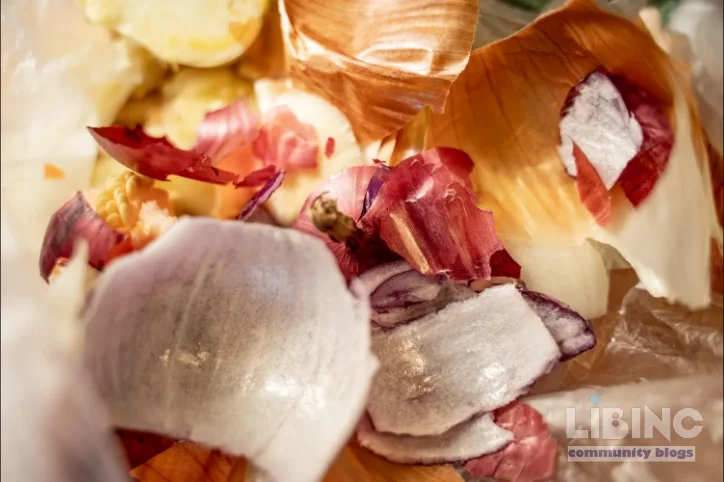
- Analytical view: onion skins as nutrients and pest deterrent
- Contrasts: limits and cautions
- Cause‑and‑effect: how onion skins transform soil and plant health
- Expert reconstruction: practical playbook
Kitchen scraps returned to the soil should be chosen with care. Onion skins in the garden, though often discarded, carry nutrients and compounds that feed soil life as they break down. They supply sulfur, potassium, and phosphorus that support plant health and disease resistance. Yet their pungent aroma travels beyond the compost pile, potentially deterring pests while also affecting beneficial insects and nearby crops like roses and strawberries. The challenge for organic gardeners is clear: maximize nutrient return without triggering unintended consequences. This analysis examines how onion skins behave in compost and soil, how to convert them into usable inputs, and how to integrate them safely with other kitchen scraps. We will map practical workflows—from compost heaps to in‑soil systems and even a simple onion‑based fertilizer—and offer expert‑tested guidelines for using onion skins in the garden responsibly.
Analytical view: onion skins as nutrients and pest deterrent in the garden
Onion skins in the garden contribute organic matter that slowly mineralizes into plant‑available nutrients. When they break down, the soil gains organic matter that feeds the microbial community and improves soil structure. In this context, their content of sulfur, potassium, and phosphorus matters because these elements influence disease resistance, plant vigor, and root development. Sulfur supports antimicrobial properties in the soil ecosystem; potassium enhances plant water regulation and overall vigor; phosphorus drives root growth and bloom potential.
Beyond macronutrients, onion skins contribute micronutrients and trace elements that sustain the soil food web. As microbes metabolize the organic matter, they release minerals accessible to plant roots. The result is a more resilient plant that can weather stress and recover faster after disturbances. The practical implication for onion skins in the garden is to view them as part of a broader nutrient cycling strategy, not a lone amendment. With that perspective, the garden gains a dynamic input that supports continuous mineralization and microbial diversity, especially when blended with a mix of greens, browns, and other compostable material.
- Mineralization: the conversion of organic sulfur, potassium, and phosphorus into plant‑available forms
- Soil structure: organic matter improves porosity, water retention, and aeration
- Soil microbiome: microbes metabolize the skins and accelerate nutrient release
To maximize the value of onion skins in the garden, gardeners should monitor decomposition and ensure that these scraps join a balanced compost pile. A pile with adequate browns (carbon‑rich materials) and moisture within an optimal range discourages anaerobic conditions that can cause odors or slow breakdown. The combination of onion skins with other plant matter supports a robust nutrient cascade that ultimately enhances root growth and resilience. For best results, introduce onion skins in small, chopped portions and allow time for microbial action to do its work before transplanting roots or sowing seeds nearby.
Contrasts: limits and cautions when using onion skins in the garden
Despite their potential, onion skins in the garden require careful placement and timing. The same compounds that help plant health can shift the soil‑plant dynamic if misused. The most immediate risk is odor‑driven deterrence. While onion scents can repel some pests, they can also hamper beneficial insects that help keep pest populations in check. The result is a potential imbalance in the local ecosystem if skins are overapplied or placed too close to flowering or beneficial species. In addition, the scent and compounds can seep into nearby plants, so gardeners often avoid applying onion skins near roses or strawberries where a perfume‑like effect may alter flavor or plant physiology.
Guidance for onion skins in the garden also points to crop family sensitivities. In particular, peas and beans show reduced growth when exposed to onion residues. This observation aligns with broader organic gardening best practices: avoid excessive allium residues near legume crops that depend on symbiotic soil bacteria for nitrogen fixation. The general recommendation is to treat onion skins as a supplementary input within a diverse composting strategy, not a stand‑alone treatment that drives bed‑level outcomes.
- Odor and insect balance: onion skins can deter pests but disrupt beneficial insect activity
- Plant‑family cautions: avoid pea and bean beds where residues accumulate
- Plant aroma diffusion: scent can affect nearby crops such as roses and strawberries
- Decomposition rate: while onion skins break down faster than many organics, not all scraps share the same pace
Cause‑and‑effect relationships: how onion skins transform soil and plant health
The core mechanics of onion skins in the garden hinge on cause and effect in nutrient cycling. As onion skins break down, they feed soil microorganisms that mineralize sulfur, potassium, and phosphorus. The immediate effect is a localized pulse of nutrients around the decomposing material, followed by longer‑term improvements in soil structure as humus forms. That sequence translates into healthier roots, improved drought tolerance, and better uptake of micronutrients.
Direct soil addition versus composting
Directly burying onion skins into bed soil creates a micro‑zone of decaying matter that slowly releases nutrients into the surrounding root zone. The advantage is immediacy at the site of plant roots, but the rate depends on soil temperature, moisture, and microbial activity. In contrast, adding onion skins to a well‑managed compost heap ensures a more uniform mineralization and a stable humus input that raises soil organic matter over time. The net effect is a more predictable nutrient release profile and improved soil structure across a broader area once the finished compost is spread.
In‑soil composting: a living, worm‑assisted system
The in‑soil compost approach blends the line between mulching and vermicomposting. Bury an old colander or steamer in the soil, add onion skins, and let worms and soil organisms perforate the container to digest the scraps. The worms enter through the holes and help to rot them down into accessible nutrients for your plants. This method creates a localized nutrient hotspot and accelerates decomposition while maintaining soil structure. The resulting feedstock, once fully broken down, becomes a more readily available input for root systems and creates a resilient soil food web with higher microbial diversity.
Onion‑based fertilizer: turning skins into a liquid feed
Onion skins can actually serve as the basis for a simple fertilizer. Steep the skins in a covered half bucket of water, using at least three or four onions worth of skins for a few days. The concentrate captures soluble sulfur compounds and minerals. Strain and bottle, then add a dash to your watering can once a week. This liquid input provides a gentle, recurring nutrient boost while avoiding clumping from raw scraps. Used with care, it complements compost outputs and can be applied near root zones without overwhelming sensitive crops.
Deter pests as an added bonus
Beyond nutrient benefits, onion skins contribute to pest deterrence through their scent and phytochemicals. Roughly chop onion scraps and scatter them around the base of your plants to repel some pests. For a more controlled approach, you can water with an onion tea after steeping scraps in a jar or bucket for a couple of hours. Then bury the leftovers or push them into a compost heap. The key is to integrate this practice sparingly and in combination with a broader pest management strategy that includes plant diversity, crop rotation, and habitat for beneficial insects.
- Chili and garlic: can deter aphids when used independently or together
- Crushed eggshells: supply calcium and improve soil health when added to compost
- Coffee grounds: provide nutrients and stimulate beneficial soil microorganisms
- Root vegetable scraps: carrots, beets, and lettuce stumps can regrow leaves and contribute to new plantings
Expert reconstruction: practical playbook for using onion skins in the garden
From expert experience, the value of onion skins in the garden lies in careful choreography with other inputs. Treat onion skins as part of a diverse soil amendment plan and coordinate their use with composting cycles, crop timing, and plant‑specific preferences. Below is a concise playbook that integrates onion skins in the garden with balanced outcomes.
- Start with a healthy compost: shred onion skins, mix with browns and greens, and ensure proper aeration and moisture to promote steady mineralization
- Direct‑bed integration: when you lack a compost heap, sprinkle chopped skins around the root zone at low volumes and keep bed moisture even to avoid odors or slow decomposition
- In‑soil composting system: install a buried worm‑friendly container in a test bed to foster localized breakdown and steady nutrient delivery
- Onion tea routine: dilute onion fertilizer with water and apply weekly during active growth, focusing on root zones and soil surface near perennials
- Pest management balance: combine onion‑based strategies with a diverse plant palette, habitat for pollinators, and beneficial insects to maintain ecological balance
- Scrap synergies: pair onion skins with chili, garlic, eggshells, coffee grounds, and root scraps to diversify nutrient inputs and avoid overreliance on a single amendment
- Crop‑specific cautions: avoid placing onion skins near peas and beans; keep skins away from roses and strawberries to minimize aroma transfer
Putting this into practice requires a disciplined routine and attentive observation. Track decomposition rates, watch for odor, and note plant responses after applying onion skins in the garden. In time, you will build a nuanced sense for when and where these scraps deliver the most value, and you will refine your methods to fit your climate, soil type, and crop mix. The overarching lesson is simple: onion skins in the garden are a resource, not a magic cure. They work best when embedded in a broader strategy of soil health, biodiversity, and circular nutrient flows.
In sum, onion skins in the garden represent a practical, nutrient‑rich input that supports soil life and plant health when used with care. Pair them with other kitchen scraps, monitor crop compatibility, and blend your approach with robust composting and soil‑management practices to maximize yields and resilience without sacrificing ecological balance.
Turning onion skins into reliable soil inputs
To move from general ideas to dependable results, apply concrete inputs and monitor plant responses. The following focused guidance translates theory into practice for soil health and composting onion skins, with a simple benchmark you can apply this season.
| Input | Role | Recommended ratio | Moisture | Notes |
|---|---|---|---|---|
| Onion skins (shredded) | Nutrient input | 1 part | 55–60% | Pairs with browns |
| Browns (leaves, straw) | Carbon source | 3–4 parts | Moderate | Prevents odors |
| Greens (kitchen scraps) | Nitrogen input | 1 part | – | Faster breakdown |
| Soil microbes (worm castings) | Biological boost | Optional | – | Accelerates mineralization |
| Water | Moisture | As needed | 55–60% | Keep evenly moist |
| Turn/air | Aeration | Regular | – | Prevents compaction |
| Temperature | Activity | 10–25°C | – | Slow, steady pace |
Inline application in beds can work, but start small and avoid high onion residues near peas or beans. In vermicomposting, bury a small capsule under leaf litter and let worms mix and digest. For liquid input, onion tea—steep 2–3 onions worth of skins in 5 L of water for 24–48 hours, strain, then dilute 1:5 for root-zone irrigation. Use sparingly and observe plant responses. A diversified approach that includes plant variety, habitat for beneficials, and rotation yields the best long‑term soil health within soil health and composting onion skins practices.
Practical benchmark
- For a 1 m² bed, add a small handful of shredded onion skins weekly, mixed across 3–4 spots.
- Combine with browns to maintain a soil texture that remains crumbly and well‑drained.
- Monitor for odor and for changes in root growth over 3–4 weeks; adjust input accordingly.
In practice, onion skins contribute to soil health by supporting mineralization of sulfur, potassium, and phosphorus and by enhancing microbial activity. They should be integrated with caution, within a broader composting and crop plan, to avoid unintended aroma diffusion or impacts on sensitive crops.
Six‑step quick playbook
- Start with a balanced compost batch; shred onion skins and mix with browns and greens, ensure aeration.
- Direct‑bed use: if compost isn’t available, sprinkle skins around root zones at low volumes and maintain moisture.
- In‑soil composting: install a buried worm‑friendly container to promote local breakdown.
- Onion tea: steep in water, dilute, and apply near roots weekly during active growth.
- Pest management: pair with crop diversity and habitat for beneficial insects.
- Scrap synergies: combine with chili, garlic, eggshells, coffee grounds, and root scraps.
What benefits do onion skins offer to soil health?
Onion skins contribute organic matter that slowly mineralizes into plant‑available nutrients such as sulfur, potassium, and phosphorus, while feeding the soil microbial community and improving soil structure. This supports stronger roots, drought tolerance, and more resilient crops. In practice, couple onion skins with a diverse compost mix to avoid overloading the system and to sustain microbial diversity over time. As a result, you gain a more robust soil food web that enhances nutrient cycling and plant performance.
Beyond direct nutrients, the skins foster a balanced ecosystem when used as part of a layered soil management plan, not as a stand‑alone solution. Always monitor responses in your own beds and adjust inputs to fit climate and crop mix.
Can I put onion skins directly into garden beds?
Yes, but best done in moderation and with awareness of crop proximity. In beds, distribute shredded skins in several small patches rather than a single layer to prevent odor buildup and to limit any local pH shifts. For sensitive crops, test on a small area first and keep skins away from peas, beans, roses, and strawberries where aroma or sulfur compounds may influence plant physiology or flavors. Layering skins within a balanced composted mulch yields more predictable results than direct dumping.
How should I balance onion skins with other compost materials?
Target a carbon‑rich to nitrogen balance that mirrors classic composting ratios. A practical rule is 3–4 parts browns to 1 part onion skins and other greens. Maintain soil moisture around 55–60% and aerate regularly. If the pile becomes too wet or smelly, add more browns and turn to restore airflow. This approach stabilizes materials, enhances humus formation, and supports a steady nutrient release to roots.
What crops should I avoid using onion skins near?
Peas and beans are the main exception; allium residues can interfere with nitrogen‑fixing bacteria in some soils. Also test aroma transfer near roses and strawberries, since sulfur compounds can subtly alter scent or flavor. When in doubt, keep onion skins inside a dedicated compost or away from these crops and rotate closely related beds to minimize risk while maintaining overall soil health.
How do I make an onion skin tea fertilizer?
Steep 2–3 onions worth of skins in 5 L of water for 24–48 hours, strain, and dilute 1:5 with water. Apply to the root zone after watering to avoid leaf burn. Use weekly during active growth to keep a steady but mild nutrient pulse. This approach complements compost outputs and reduces the risk of clumping from raw scraps.
How can I monitor the impact of onion skins over time?
Track soil texture, moisture, and microbial activity (smell, crumb structure) and observe plant responses such as root depth, vigor, and disease resistance. A simple 8–12 week observation window helps identify whether onion skins are supporting the desired outcomes in your climate. Document changes in yields, leaf color, and pest pressure to fine‑tune the input level.





Add a comment
To comment, you need to register and authorize
Comments