

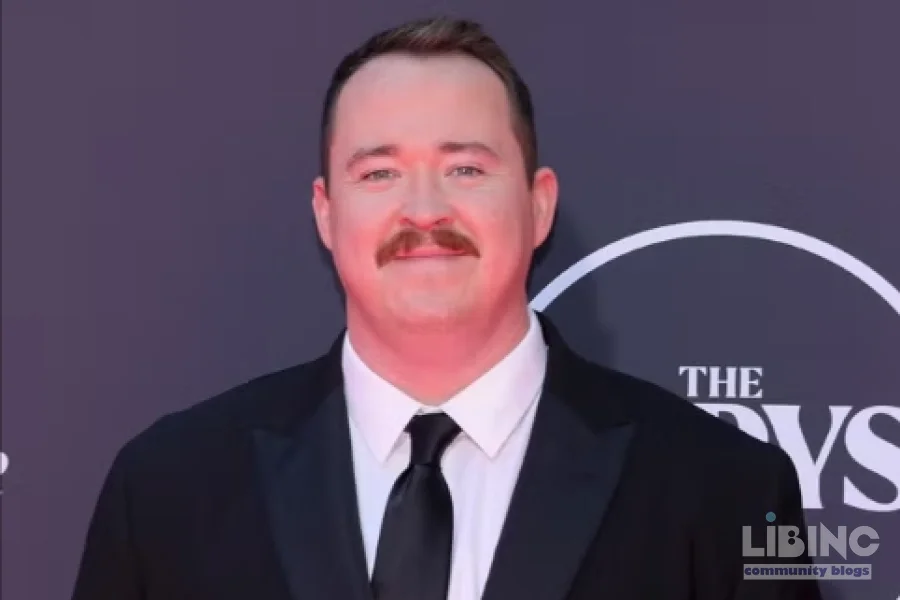
Shane Gillis: An Analytical Portrait of a Rising Comedian from Small-Town Beginnings to Netflix Tires
Table of contents
- Analytics lens: mapping career signals
- Contrasts shaping public perception
- Cause-and-effect arc: events and outcomes
- Expert reconstruction and future trajectory
Shane Gillis stands at the intersection of raw comedic risk and mainstream platform success. A Pennsylvania-born performer who pivoted from football and car sales to stand-up, he rode a meteoric rise through Netflix-approved specials and an SNL firing that became a brand pivot rather than a derailment. This article analyzes his career through four lenses: analytics of career signals, contrasts between public reception and artistic intent, cause-and-effect of major events, and expert reconstructions of his future trajectory in a changing comedy ecosystem. We will examine how Gillis defies easy narratives, leveraging controversy into a durable, if polarizing, presence on streaming and arenas.
From Mechanicsburg to the national stage, Gillis built a practical toolkit for modern stand-up: high-energy delivery, dense wordplay, and a willingness to wade into taboo terrain. The result is a brand built on dark humor that invites both loyalty and critique, a dynamic that maps cleanly onto Netflix's embrace of edgy voices and SNL's complicated historical relationship with boundary-pushing comics. This ascent follows a familiar pattern in contemporary comedy where risk is monetized through streaming platforms and live events, but Gillis adds a singular flair that makes traditional career milestones feel optional rather than mandatory.
Analytics lens: mapping Gillis's career signals
The analytic frame begins with a simple premise: modern comedy careers hinge on signal quality as much as signal volume. Gillis’s trajectory provides a textbook case. His early success in regional circuits demonstrated sustainability, while later moves showed a capacity to scale brand value beyond a single club circuit. The data points cluster around three core signals: audience resonance, platform fit, and market timing. Stand-up momentum travels fastest when a performer couples hard-edged material with the ability to pivot toward digital and live audiences without sacrificing core identity. Netflix collaboration signals comfort with long-form storytelling and the endurance of a character-based persona, not just a series of punchlines. And public controversy acts as a lever for visibility, testing whether the act of risk-taking becomes an asset or a liability in a crowded attention economy.
Key signals driving Gillis’s career calculus include the following:
- Regional breakout and relocation to major markets: Gillis’s 2016 Philly s Phunniest win and subsequent move to New York foreshadowed a television-friendly growth trajectory.
- Strategic partnerships and independent projects: co-creating Tires and Gilly and Keeves demonstrates a move from performer to producer, widening control over content and distribution.
- Platform compatibility: Netflix’s investment in stand-up specials and scripted comedies aligns with Gillis’s dark observational style, allowing a durable relationship with a global audience.
- Controversy as a growth vector: The SNL casting episode, followed by a decisive network response, framed Gillis as a case study in risk management under public scrutiny.
- Live-audience endurance: An arena tour and live-hosting duties (the ESPYs) extend his appeal beyond streaming, reinforcing real-world familiarity with his act.
The synthesis reveals a pattern: Gillis wins when he controls narrative and leverages controversy without surrendering artistic core. This dynamic is not unique in modern entertainment, but his specific blend of high-velocity punchlines and a willingness to tackle sensitive topics creates a distinctive resonance with a broad, globally distributed audience. The analytics lens thus explains not only where he rose, but why the ascent has endured despite setbacks that would derail other careers. The takeaway is not triumphalist optimism; it is a calibrated understanding of how risk, platform alignment, and audience trust interact in a compressed, media-saturated environment. Dark humor and a production mindset together form a durable foundation for Gillis’s ongoing relevance in stand-up, television, and film projects.
Contrasts shaping public perception
Contrasts define Gillis’s public profile as much as his punchlines do. He operates in a space where fans celebrate audacity while critics flag the boundaries he routinely tests. The tension between boundary-pushing humor and the risk of alienating audiences explains much of the ambiguity surrounding his reception. In a streaming era that rewards niche expertise, he embodies the paradox: a comedian who thrives on incursions into uncomfortable topics yet must navigate corporate risk controls and media scrutiny that seek to moderate those incursions for broader platforms.
To illuminate this tension, consider how Gillis differs from peers who ride similar waves of controversy. The contrasts can be parsed into four axes:
- Medium: live stand-up’s immediacy versus the slower cadence of streaming and edited clips. The immediate feedback loop powers braver material, but it also heightens backlash potential.
- Audience targeting: Gillis engages both regional fans and a global audience through Netflix, balancing local ethos with universal, sometimes abrasive, humor.
- Brand alignment: his association with Gilly and Keeves and Tires positions him as a creator who scales beyond stand-up into scripted formats, creating a more resilient brand.
- Public accountability: SNL’s firing and the subsequent public discourse illustrate how corporate gatekeepers constrain or redirect a comedian’s career path.
These contrasts reveal a strategic logic: fans reward authenticity and fearlessness, while institutions demand responsibility and risk containment. Gillis navigates that logic by preserving a core voice while expanding his playgrounds—podcasts, sketch formats, and eventual film or television roles—so that controversy becomes a component of a broader, more diversified portfolio. The result is a brand that travels across platforms, rather than being tethered to one stage or one audience segment. The challenge remains keeping the edge while sustaining scale, an interplay that will define his future projects and audience loyalty for years to come.
Cause-and-effect arc: events and outcomes
Understanding Gillis requires tracing cause-and-effect relationships rather than treating milestones as isolated incidents. The sequence from SNL casting to the Netflix Tires phenomenon demonstrates how early career decisions, public reactions, and platform choices cascade into lasting shifts in perception and opportunity. The firing, while painful in the moment, catalyzed a shift from a single‑show trajectory to a multi‑project strategy that leverages independent content creation, streaming exclusives, and live performances. This pivot exemplifies how modern comedians survive platform instability by diversifying revenue streams and control over content.
The explicit causal chain can be summarized as follows:
- SNL casting signals mainstream recognition and risk appetite; causal effect: Gillis attains national visibility but faces unanticipated backlash because clips surface and public sentiment splits along lines of taste and accountability.
- Firing and reassessment forces a brand redefinition; causal effect: Gillis doubles down on independent ventures (podcast, co-created Tires) and cultivates a loyal, engaged following ready for streaming opportunities.
- Tires on Netflix reframes Gillis from a controversial figure to a creator with a proven audience appeal; causal effect: the series becomes a flagship project that garners renewal and drives cross-pollination with live tours and appearances.
- ESPYS hosting broadens appearance beyond stand-up into mainstream entertainment; causal effect: mood shifts toward a more versatile public persona capable of handling high-profile, live red-carpet events.
- Rumors and film/franchise work (Madden biopic context, Easy s Waltz) signal continued diversification; causal effect: Gillis expands into film and high-profile collaborations, stabilizing revenue and brand presence.
Each link in this chain reinforces the others. The SNL incident triggered a re-reading of his material’s intent, which the Tires project then reframed as evidence of range rather than risk. The ESPYs hosting extended his audience into sports and mainstream entertainment while the ongoing stand-up circuit preserved a direct line to his core fans. The causal logic implies that Gillis’s future viability rests on maintaining both edge and accessibility, ensuring that new projects amplify rather than dilute his distinctive voice. This is a pragmatic model for a comedian navigating a hybrid ecosystem of streaming, live performance, and cinema.
Expert reconstruction and future trajectory
Industry observers tend to describe Gillis as a case study in adaptive branding under pressure. The consensus is not a guarantee but a plausible scenario: Gillis will continue to diversify content and seek roles that leverage his recognizable voice while mitigating risks through strategic collaborations. The expert view centers on several likely axes of growth:
- Continued streaming presence: more stand-up specials with tighter thematic arcs and a few scripted projects that capitalize on his natural persona.
- Film and high-visibility gigs: potential roles in biographical or ensemble projects that align with his now-established audience expectations.
- Live-event expansion: bigger arena engagements and cross-promotional appearances that monetize the live dynamic and extend brand resonance.
- Content entrepreneurship: leveraging Tires’ success into additional co-created series or spin-offs within Netflix or partner platforms.
Experts also caution that Gillis’s long-term success will depend on how well he navigates evolving norms around humor and accountability. The industry recognizes the value of risk-taking but insists on responsible storytelling that can translate across diverse audiences. If Gillis preserves the core of his dark humor while refining delivery, he can sustain relevance as platforms recalibrate what counts as acceptable offense and what constitutes artistic edge. The most probable path combines consistent stand-up rhythm with selective film and streaming work that showcases range without diluting brand identity.
In practical terms, the near-term roadmap includes: additional Tires-related spin-offs or promotional partnerships, a potential second Netflix special, a return to high-profile live events, and continued collaboration with producing partners who share a taste for audacious material. The strategic takeaway is that Gillis’s value rests less on a single breakout moment than on a durable engine of content creation, platform versatility, and audience trust. If executed with discipline, the arc will reflect a modern comedian who can endure the volatility of fame while maintaining a signature voice that resonates across generations of fans. The result is a career that remains dynamic and defensible against the ebbs and flows of the entertainment market.
Shane Gillis’s journey illustrates a broader pattern in contemporary comedy: talent aligned with platform autonomy can outlast controversy when the creator owns the content and the audience remains engaged. His path thus far underscores a practical lesson for aspiring comedians and industry watchers alike: invest in control, diversify distribution, and cultivate a live audience that travels with the performer beyond any single show or scandal. The trajectory is not predetermined, but the current trajectory suggests continued influence in both streaming and stage arenas, anchored by a distinctive voice and a portfolio that remains adaptable to an ever-shifting media landscape.
In summary, Gillis’s career offers a compact case study in resilience through diversification. He embodies a modern hypothetical: a comedian who refuses to anchor himself to one platform or one audience segment, instead building a multi-faceted presence that can weather controversy while capitalizing on ongoing demand for provocative, smartly crafted humor. The combination of Netflix collaboration, live-event leadership, and independent content creation points to a durable, if polarizing, footprint in 2026 and beyond.
As the industry observes the next chapters, Gillis’s blueprint may influence how other comics approach risk, platform strategy, and audience engagement. The equilibrium between edge and accessibility will determine whether his brand becomes a lasting pillar or a momentary spike in the rapidly evolving world of comedy. Either way, his story offers a revealing lens on how modern entertainment negotiates talent, controversy, and opportunity in a streaming-first era.
Through this analytical lens, Shane Gillis emerges less as a single headline and more as a persistent dynamic in the comedy ecosystem. His evolution—from local clubs to streaming behemoths, from isolated controversy to multi-platform resilience—maps a path that others will study as they navigate the blurred lines between risk and reward in the entertainment business.
Ultimately, the question is not whether Gillis will continue to push boundaries, but how effectively he will translate boundary-pushing into a durable, scalable brand that thrives across stages, screens, and platforms. If the past is any guide, the answer lies in maintaining control over content while embracing opportunities that expand his audience without diluting the core that makes his voice unmistakable.
Shane Gillis stands at the intersection of raw comedic risk and mainstream platform success. A Pennsylvania-born performer who pivoted from football and car sales to stand-up, he rode a meteoric rise through Netflix-approved specials and an SNL firing that became a brand pivot rather than a derailment. This article analyzes his career through four lenses: analytics of career signals, contrasts between public reception and artistic intent, cause-and-effect of major events, and expert reconstructions of his future trajectory in a changing comedy ecosystem. We will examine how Gillis defies easy narratives, leveraging controversy into a durable, if polarizing, presence on streaming and arenas.
From Mechanicsburg to the national stage, Gillis built a practical toolkit for modern stand-up: high-energy delivery, dense wordplay, and a willingness to wade into taboo terrain. The result is a brand built on dark humor that invites both loyalty and critique, a dynamic that maps cleanly onto Netflix's embrace of edgy voices and SNL's complicated historical relationship with boundary-pushing comics. This ascent follows a familiar pattern in contemporary comedy where risk is monetized through streaming platforms and live events, but Gillis adds a singular flair that makes traditional career milestones feel optional rather than mandatory.
| Signal | Impact | Examples | Next steps |
|---|---|---|---|
| Audience resonance | High | Philly Phunniest win; regional to national appeal | Expand with thematically linked specials and regional tours |
| Platform alignment | Strong | Netflix collaboration; long-form formats | Develop multi-arc streaming projects and co-productions |
| Controversy leverage | Mixed | SNL casting episode and subsequent discourse | Craft controlled messaging and frame risk as range |
| Content diversification | High | Tires; Gilly and Keeves | Spin off ancillary formats and cross-platform storytelling |
| Live performance engine | Strong | Arena tours; live hosting | Increase cross-promotions with streaming releases |
| Brand resilience | Developing | Independent content creation; steady fan base | Maintain core voice while exploring formats |
The synthesis reveals a pattern: Gillis wins when he controls narrative and leverages controversy without surrendering artistic core. This dynamic is not unique in modern entertainment, but his specific blend of high-velocity punchlines and a willingness to tackle sensitive topics creates a distinctive resonance with a broad, globally distributed audience. The analytics lens thus explains not only where he rose, but why the ascent has endured despite setbacks that would derail other careers. The takeaway is not triumphalist optimism; it is a calibrated understanding of how risk, platform alignment, and audience trust interact in a compressed, media-saturated environment. Dark humor and a production mindset together form a durable foundation for Gillis’s ongoing relevance in stand-up, television, and film projects.
Contrasts shaping public perception
Contrasts define Gillis’s public profile as much as his punchlines do. He operates in a space where fans celebrate audacity while critics flag the boundaries he routinely tests. The tension between boundary-pushing humor and the risk of alienating audiences explains much of the ambiguity surrounding his reception. In a streaming era that rewards niche expertise, he embodies the paradox: a comedian who thrives on incursions into uncomfortable topics yet must navigate corporate risk controls and media scrutiny that seek to moderate those incursions for broader platforms.
To illuminate this tension, consider how Gillis differs from peers who ride similar waves of controversy. The contrasts can be parsed into four axes:
- Medium: live stand-up’s immediacy versus the slower cadence of streaming and edited clips. The immediate feedback loop powers braver material, but it also heightens backlash potential.
- Audience targeting: Gillis engages both regional fans and a global audience through Netflix, balancing local ethos with universal, sometimes abrasive, humor.
- Brand alignment: his association with Gilly and Keeves and Tires positions him as a creator who scales beyond stand-up into scripted formats, creating a more resilient brand.
- Public accountability: SNL’s firing and the subsequent public discourse illustrate how corporate gatekeepers constrain or redirect a comedian’s career path.
These contrasts reveal a strategic logic: fans reward authenticity and fearlessness, while institutions demand responsibility and risk containment. Gillis navigates that logic by preserving a core voice while expanding his playgrounds—podcasts, sketch formats, and eventual film or television roles—so that controversy becomes a component of a broader, more diversified portfolio. The result is a brand that travels across platforms, rather than being tethered to one stage or one audience segment. The challenge remains keeping the edge while sustaining scale, an interplay that will define his future projects and audience loyalty for years to come.
- Netflix stand-up specials: 2
- ESPN/awards hosting: 1
- Tires co-created spin-offs: 2
- Live arena engagements: ongoing
Cause-and-effect arc: events and outcomes
Understanding Gillis requires tracing cause-and-effect relationships rather than treating milestones as isolated incidents. The sequence from SNL casting to the Netflix Tires phenomenon demonstrates how early career decisions, public reactions, and platform choices cascade into lasting shifts in perception and opportunity. The firing, while painful in the moment, catalyzed a shift from a single‑show trajectory to a multi‑project strategy that leverages independent content creation, streaming exclusives, and live performances. This pivot exemplifies how modern comedians survive platform instability by diversifying revenue streams and control over content.
The explicit causal chain can be summarized as follows:
- SNL casting signals mainstream recognition and risk appetite; causal effect: Gillis attains national visibility but faces unanticipated backlash because clips surface and public sentiment splits along lines of taste and accountability.
- Firing and reassessment forces a brand redefinition; causal effect: Gillis doubles down on independent ventures (podcast, co-created Tires) and cultivates a loyal, engaged following ready for streaming opportunities.
- Tires on Netflix reframes Gillis from a controversial figure to a creator with a proven audience appeal; causal effect: the series becomes a flagship project that garners renewal and drives cross-pollination with live tours and appearances.
- ESPYS hosting broadens appearance beyond stand-up into mainstream entertainment; causal effect: mood shifts toward a more versatile public persona capable of handling high-profile, live red-carpet events.
- Rumors and film/franchise work signal continued diversification; causal effect: Gillis expands into film and high-profile collaborations, stabilizing revenue and brand presence.
Each link in this chain reinforces the others. The SNL incident triggered a re-reading of his material’s intent, which the Tires project then reframed as evidence of range rather than risk. The ESPYs hosting extended his audience into sports and mainstream entertainment while the ongoing stand-up circuit preserved a direct line to his core fans. The causal logic implies that Gillis’s future viability rests on maintaining both edge and accessibility, ensuring that new projects amplify rather than dilute his distinctive voice. This is a pragmatic model for a comedian navigating a hybrid ecosystem of streaming, live performance, and cinema.
Expert reconstruction and future trajectory
Industry observers tend to describe Gillis as a case study in adaptive branding under pressure. The consensus is not a guarantee but a plausible scenario: Gillis will continue to diversify content and seek roles that leverage his recognizable voice while mitigating risks through strategic collaborations. The expert view centers on several likely axes of growth:
- Continued streaming presence: more stand-up specials with tighter thematic arcs and a few scripted projects that capitalize on his natural persona.
- Film and high-visibility gigs: potential roles in biographical or ensemble projects that align with his now-established audience expectations.
- Live-event expansion: bigger arena engagements and cross-promotional appearances that monetize the live dynamic and extend brand resonance.
- Content entrepreneurship: leveraging Tires’ success into additional co-created series or spin-offs within Netflix or partner platforms.
Experts also caution that Gillis’s long-term success will depend on how well he navigates evolving norms around humor and accountability. The industry recognizes the value of risk-taking but insists on responsible storytelling that can translate across diverse audiences. If Gillis preserves the core of his dark humor while refining delivery, he can sustain relevance as platforms recalibrate what counts as acceptable offense and what constitutes artistic edge. The most probable path combines consistent stand-up rhythm with selective film and streaming work that showcases range without diluting brand identity.
In practical terms, the near-term roadmap includes: additional Tires-related spin-offs or promotional partnerships, a potential second Netflix special, a return to high-profile live events, and continued collaboration with producing partners who share a taste for audacious material. The strategic takeaway is that Gillis’s value rests less on a single breakout moment than on a durable engine of content creation, platform versatility, and audience trust. If executed with discipline, the arc will reflect a modern comedian who can endure the volatility of fame while maintaining a signature voice that resonates across generations of fans. The result is a career that remains dynamic and defensible against the ebbs and flows of the entertainment market.
Shane Gillis’s journey illustrates a broader pattern in contemporary comedy: talent aligned with platform autonomy can outlast controversy when the creator owns the content and the audience remains engaged. His path thus far underscores a practical lesson for aspiring comedians and industry watchers alike: invest in control, diversify distribution, and cultivate a live audience that travels with the performer beyond any single show or scandal. The trajectory is not predetermined, but the current trajectory suggests continued influence in both streaming and stage arenas, anchored by a distinctive voice and a portfolio that remains adaptable to an ever-shifting media landscape.
Ultimately, the question is not whether Gillis will continue to push boundaries, but how effectively he will translate boundary-pushing into a durable, scalable brand that thrives across stages, screens, and platforms. If the past is any guide, the answer lies in maintaining control over content while embracing opportunities that expand his audience without diluting the core that makes his voice unmistakable.
Through this analytical lens, Shane Gillis emerges less as a single headline and more as a persistent dynamic in the comedy ecosystem. His evolution—from local clubs to streaming behemoths, from isolated controversy to multi-platform resilience—maps a path that others will study as they navigate the blurred lines between risk and reward in the entertainment business.
Ultimately, the question is not whether Gillis will continue to push boundaries, but how effectively he will translate boundary-pushing into a durable, scalable brand that thrives across stages, screens, and platforms. If the past is any guide, the answer lies in maintaining control over content while embracing opportunities that expand his audience without diluting the core that makes his voice unmistakable.
How did Shane Gillis pivot after the SNL controversy?
Shane Gillis pivoted by diversifying his content portfolio and leaning into independent ventures, notably co-creating Tires and pursuing multi-platform opportunities. This shift moved him from a single platform focus to a broader entertainment strategy that includes streaming, live events, and scripted formats. The direct effect was a more resilient revenue stream and greater control over narrative and timing. In practice, he invested in podcasting, spin-offs, and collaborations that allowed his distinctive voice to reach new audiences while reducing reliance on any one gatekeeper. This approach illustrates a pragmatic path for high-visibility comedians navigating platform risk.
Analytically, the pivot demonstrates how a controversial moment can be reframed into a durable brand asset when the creator expands content ecosystems and secures ownership of content. The broader lesson for performers is to diversify distribution and invest in relationships that sustain audience engagement beyond a single moment.
What is Tires and Gilly and Keeves?
Tires is a co-created project that blends stand-up with sketch-comedy formats, expanding Gillis’s creative control and productizing his voice across a franchise model. Gilly and Keeves is another content venture that puts Gillis in producer and co-creator roles, enabling tighter thematic arcs and cross-pollination across formats. Together, these ventures diversify revenue, reduce platform dependency, and offer fans a more immersive universe beyond traditional stand-up. The strategic value lies in building a portfolio that travels across streaming, live events, and merchandise, reinforcing brand resilience in a shifting market.
How has Netflix influenced his career?
Netflix provided a scalable platform for Gillis to reach global audiences with long-form specials and series concepts that align with his dark observational humor. The streaming giant’s investment in stand-up and limited scripted formats creates a durable pipeline for content and cross-pollination with live tours. Practically, Netflix exposure amplifies fan reach, unlocks new monetization opportunities, and legitimizes a broader career beyond local clubs. The risk is platform dependence, so Gillis’s strategy emphasizes independent content creation and live engagement to hedge against any single platform’s policy shifts.
What is his live performance strategy?
Gillis leverages a dual track: high-velocity, boundary-pushing stand-up for live audiences and selective, well-timed live-hosting appearances (such as events like the ESPYs) to broaden mainstream visibility. The live strategy emphasizes pacing, audience testing, and the ability to pivot material quickly based on reception. Practically, this means ongoing arena tours, seasonal specials, and cross-promotional gigs that pair with streaming releases. The objective is to convert streaming viewership into live attendance and vice versa, creating a feedback loop that sustains demand across formats.
What are the main risks of controversy in his career?
The primary risk is audience fragmentation and corporate pushback that can limit platform access. Gillis mitigates this by diversifying formats, maintaining a strong core voice, and aligning with production partners who share his appetite for edgy material. The analysis indicates that risk can be transformed into an asset when there is a clear narrative, consistent branding, and a robust cross-platform distribution plan. Ongoing risk management includes careful messaging and a portfolio approach to content that can travel across streaming, live, and film.
What is the likely trajectory for his future?
Experts project continued streaming presence, selective film roles, and expanded live-event operations. The trajectory hinges on sustaining edge while broadening appeal through scripted formats and co-productions. The practical expectation is a mix of Netflix or partner-platform specials, a few high-visibility film or biographical projects, and larger arena engagements that leverage a loyal fan base. The overarching goal is to balance audacious material with accessible storytelling to maintain relevance in an evolving media landscape.




Add a comment
To comment, you need to register and authorize
Comments
One path is to deepen the Tires model by producing spin offs and cross platform collaborations with Netflix and potentially other partners. A second avenue is to pursue a second Netflix special that centers a coherent arc rather than a string of punch lines, allowing room for character development and social commentary that resonates across generations. A third is to expand live event presence into larger arenas, leveraging the actor comedian hybrid role to access more diverse audiences in different geographies. The synergy between stand up rhythm and staged formats could yield new fans who discover Gillis through a special and stay for live tours and film projects.
On the production side, embracing co creation with partners who share his taste for audacious material could create robust pipelines of content that are not solely dependent on one project. This implies a culture of experimentation grounded in audience trust rather than shock as a constant. It will be essential to monitor the evolving norms around humor at scale and to adapt material without diluting the core voice. The future could also involve biographical or ensemble projects that place Gillis within larger narratives about the changing face of comedy as a hybrid industry.
Finally the strategic takeaway is that the arc relies on a durable engine of content creation and platform versatility. If Gillis can maintain a steady cadence of stand up, secure a slate of diverse streaming projects, and cultivate live audiences that travel with him, the brand may endure beyond the volatility of controversy. The potential risks include overexposure, cross cultural misreads, and a backlash that intensifies as platforms push for greater inclusivity and sensitivity. Yet the present analysis argues that the path forward remains plausible if the comedian continues to own his content, cultivate a trusted audience, and align with producing partners who value bold material while enforcing responsible storytelling. In the end, the future rests on a delicate balance between edge and accessibility, a balance that Gillis has already started to demonstrate through the layered ecosystem that now supports his career.
The ESPN hosting and the escalation of cross platform presence serve as evidence that the pivot has worked. Yet it raises questions about long term sustainability. If a single controversial moment can catalyze a wider portfolio, what happens if new controversies emerge that do not easily translate into fresh project opportunities? The article hints at a pragmatic path where controversy can be metabolized into content creation, brand partnerships, and diverse revenue streams. But the real test lies in maintaining a thread of coherence across stand up, scripted work, and live appearances.
Discussions of metrics for success could enrich the analysis. Beyond ticket sales and streaming renewals, consider loyalty indicators such as repeat engagement with Tires materials, cross platform following, and the ability to convert casual viewers into fans who actively seek out new projects. How does Gillis maintain a consistent energy and voice when the format is shifting from high velocity stand up to longer form storytelling or to a live sports event with a different audience dynamic? The causal arc is not simply about surviving a setback but about inventing a sustainable logic that translates risk into ongoing opportunity while protecting the core artistic mission that defines his comedy.
The dynamic invites several strategic questions. If the core appeal is consumption of danger in a safe package, how does one preserve the risk while ensuring accessibility across diverse cultures and regulatory environments? When a comedian moves from stand up to scripted formats and reality style events such as high profile host duties, what does accountability look like in practice and who sets the acceptable threshold for offense? The article implies that Gillis manages this by selecting projects that frame the edge as craft rather than shock value alone. The risk then becomes not losing authenticity but losing the capacity to navigate shifting audience expectations and platform policies.
In terms of audience segmentation, one might ask how the same material lands differently on a streaming platform with a global reach versus a live audience with a local memory and a fixed city. The Netflix audience might value production quality and pacing that sustains long form storytelling, while live crowds crave immediate energy and a willingness to push boundaries in the moment. The contrast also suggests a branding advantage when a comedian is not tied to a single stage. Gilly and Keeves and Tires widen the canvas and protect Gillis from being defined by a single clip or controversy, enabling cross pollination across formats, tours, and festivals. Yet this strategy requires ongoing calibration to ensure that the edgy core remains legible across formats and geography.
If readers are curious about the future, they may wonder how Gillis will balance unpredictable backlash with the growing demand for responsible storytelling. Will he continue to push at the margins or will he gradually recalibrate material to fit broader audiences without surrendering the essence of his voice? The tension between risk and responsibility is not a failure to be provocative but a test of how a modern comedian can convert provocation into sustainable value. Understanding that balance may illuminate the broader arc of comedy in a streaming heavy era where audience trust and creator control are the new currency.
This framing invites a broader question: to what extent is controversy simply a means of signal amplification versus a strategic asset used to test and expand an audience? The article suggests the latter, arguing that controversy can be leveraged responsibly when paired with evergreen skills in timing, delivery, and brand consistency. But it also implies risk management: corporate gatekeepers and platform policies can accelerate or derail a career depending on how risk is framed. Gillis’s ability to maintain core identity while diversifying into co productions, live events, and streaming exclusives is what stabilizes his trajectory. It is not enough to be provocative; one must translate provocation into durable value, a fanbase that follows across platforms, and opportunities that do not hinge on a single controversial moment.
The piece implicitly asks readers to weigh a paradox typical of modern entertainment: edge drives attention, but platform autonomy and audience trust sustain it. In Gillis’s case, the edge remains a central asset, yet the developer side of his career — the content creation, the brand partnerships, the cross platform presence — provides redundancy against the caprice of any one venue. The discussion could profit from a closer examination of how audiences segment this risk. Are the Netflix viewers primarily drawn by the stand up arc and the persona, or by the production quality and the surprising willingness to push boundaries within a scripted format? How does the live touring audience interpret the Tires material compared to the streaming audience who may have encountered him first through SNL’s controversy or ESPY hosting?
Exploring those questions would help illuminate whether Gillis’s model is replicable for other comics navigating a hybrid ecosystem. It would also be interesting to compare him to peers who faced similar micro bursts of notoriety and either folded or innovated differently. The core argument remains compelling: in a landscape where attention is cheap and platform risk is real, owning content and cultivating a portable, multi platform persona offers a route to resilience. The real test will be whether future material can keep the edge sharp while expanding the audience in ways that feel organic rather than opportunistic, and whether the brand can continue to monetize risk as a long term strategy rather than a temporary spike in visibility.