

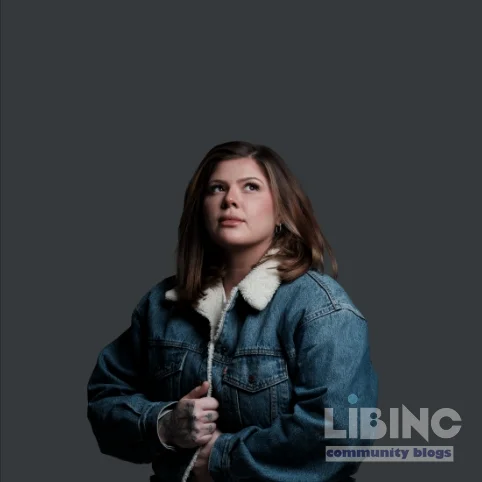
Yellow Eyes isn't the loudest track of 2026, but it ranks among the year’s most persuasive performances. NPR critics singled it out as a standout, noting how Yebba’s voice unfolds raw and exposed when the song tightens to a rustic folk altar on the Jean lineage. The tension between a gospel-rooted power and intimate restraint fuels the track’s impact, inviting listeners to lean in rather than lift off. This piece approaches the song with four lenses: analytics, contrast, causal dynamics, and expert reconstruction of Yebba’s artistic arc. The hidden conflict is real—how can a big voice deliver intimacy without sacrificing its fire? The direction is a tightly argued reading that connects production decisions, vocal strategy, and reception dynamics.
Table of contents
- Analytic reading of Yellow Eyes
- Contrasting the moment: Yellow Eyes among peers
- Cause and effect: craft and perception
- Expert reconstruction: where Yebba goes from here
Analytic reading of Yellow Eyes
From a formal perspective, Yellow Eyes embodies a deliberate sonic restraint that amplifies emotional clarity. The track foregrounds Yebba’s timbre as a central instrument, shaping a sonic space where every breath, vowel, and consonant carries weight. The production favors space over density, allowing the voice to breathe within a modest arrangement that centers a single acoustic guitar color, a subdued piano contour, and sparse ambient reverberation. The result is a voice-first texture that makes the listener listen more intently to what is unsaid as much as what is sung.
Analytically, this approach yields several measurable effects. First, the vocal line settles into a mid-to-low register with controlled glissandi and deliberate articulation, which heightens the sense of vulnerability. Second, the accompaniment functions as a quiet stagehand rather than a star, minimizing harmonic complexity in favor of rhythmic and textural precision. Third, the lyric—while not provided in full here—emerges through micro-tells of memory, longing, and self-reckoning, allowing listeners to infer narrative without explicit plot devices. These elements together create a listening experience that rewards close attention and repeated listens, as tonal subtlety folds into affective resonance over time.
- Vocal timbre and dynamic control: a restrained, intimate delivery that makes every peak and sigh feel earned rather than display-driven.
- Minimal production: sparse guitar, restrained piano, and delicate room acoustics keep the vocal line center stage.
- Narrative ambiguity: lyrics imply interior conflict, inviting personal projection from the listener.
- Spatial design: a controlled reverb tail creates a halo that never overextends the vocal, preserving realism.
In addition to these structural choices, Yellow Eyes leverages a specific sonic vocabulary that aligns with contemporary soul-inflected pop while leaning into gospel-inflected authenticity. The intimacy is not a casual choice; it is a deliberate counter-move to the often overproduced, maximalist trends that dominate the airwaves. By choosing restraint, the track becomes a vehicle for interpretive depth, inviting critical listening rather than passive consumption. This dynamic is not merely aesthetic; it refocuses what counts as vocal prowess in 2026—the ability to convey existential stakes through controlled, precise phrasing rather than sheer vocal horsepower.
Contrasting the moment: Yellow Eyes among peers
Placed in the landscape of mid-2026 releases, Yellow Eyes contrasts with several contemporaries that lean toward orchestral grandeur or sonic collage. The difference is not a rejection of scale but a recalibration of when scale matters most. Where other tracks deploy lush crescendos or beat-forward propulsion, Yellow Eyes deploys the slow burn of vulnerability. That choice aligns with a broader critique: in an era of overbearing sonic gestures, the most lasting statements may come from what a voice chooses to withhold as much as what it releases.
The comparison extends beyond format into affect. In the same year, critics celebrate artists who fuse genre conventions with personal storytelling; Yebba’s track adheres to the gospel-rooted tradition of emotional disclosure while translating it into a contemporary singer-songwriter idiom. This hybridization yields a twofold effect: it widens audience accessibility without diluting specificity, and it signals a maturation of vocal storytelling that privileges interior life over theatrical display. The outcome is a track that feels both timeless and precisely contemporary, a rare blend in a year crowded with high-concept productions.
- Vocal approach vs. spectacle: Yellow Eyes favors interiority over outward fireworks, contrasting with peers who rely on dramatic dynamic arcs.
- Production philosophy: restraint becomes a signature, not a fallback, distinguishing the track in a crowded field.
- Reception dynamics: critics reward a voice that compels interpretation, not just emotional release.
- Genre crossovers: the track sits at a crossroads of gospel, soul, and indie confession, broadening its resonance.
In this contrast, the song’s quiet power emerges as a deliberate counter-narrative to the loudness that often dominates year-end lists. It embodies a contemporary tendency: audiences increasingly seek the echo of personal truth behind the voice, rather than the roar that announces its presence. Yellow Eyes demonstrates that a well-placed hush can function as a strategic instrument—one that invites repeated listening as listeners fill in the missing contours with their own experiences.
Cause and effect: craft and perception
The causal logic behind Yellow Eyes rests on the interaction between form and feeling. The track’s restraint is not a mere aesthetic choice; it is a strategic move that amplifies perception by removing competing stimuli. When the vocal becomes the focal point, listeners infer meaning from inflection, breath, and timing—elements that become more telling than a louder delivery could ever be. The effect is a heightened sense of sincerity that arises not from what is sung but how it is rendered.
From a cause-and-effect standpoint, the minimal arrangement curates attention toward the lyric and the singer’s intent. The guitar line anchors the song with a patient rhythm, while the piano provides occasional color without overpowering the vocal line. Subtle reverberation adds depth, yet never dissolves the immediacy of the performance. The listener experiences a chain reaction: restrained production invites careful listening, which then amplifies emotional investiture. This, in turn, deepens the track’s emotional footprint and broadens its interpretive horizons beyond a single listening context.
- Cause: deliberate restraint in production focuses attention on vocal storytelling.
- Effect: enhanced perceived sincerity and emotional honesty.
- Social reception: critics and fans respond to vulnerability as a mark of artistic maturity.
- Lyrical engagement: ambiguity invites personal projection, increasing replay value.
This cascade also shapes expectations for future work. If Yebba sustains this mode of intimate, narrative-focused vocal performance, critics will read her as a bridge between traditional gospel vocalism and contemporary confessional songcraft. The risk is that too much restraint could be mistaken for fragility; the reward is a durable sense of authenticity that invites listeners to hear the artist’s inner life as a public conversation. Yellow Eyes, therefore, models a careful calibration of power and vulnerability as a modern artist’s signature.
Expert reconstruction: where Yebba goes from here
From an expert standpoint, Yellow Eyes signals a notable inflection in Yebba’s trajectory. The track’s success hinges on a balance between vocal command and interpretive restraint, a balance that could define the next phase of her career. If she leans further into this mode, several trajectories become plausible: deeper collaboration with minimalist producers, more explicit storytelling through lyrical compression, and a broader engagement with genres that reward emotional honesty over technical fireworks.
Analysts anticipate that Yebba could extend this approach by pairing the intimate vocal approach with cross-genre experimentation that preserves the core of Yellow Eyes’ sincerity. Potential directions include collaborations with artists who foreground mood and texture, whether in folk, singer-songwriter arrangements, or yet-unconventional hybrids. Such pathways would leverage the same core strengths—the precision of phrasing, the control of breath, and the willingness to leave space for listeners to complete the song’s emotional map.
- Collaboration strategy: prioritize producers and writers who value lyric-driven storytelling and sonic restraint.
- Genre exploration: extend into folk-adjacent indie, soft gospel-inflected soul, and intimate R&B sounds.
- Public presentation: emphasize live performance storytelling to translate studio restraint into stage presence.
- Critical framing: critics will continue to prize vocal clarity as a vehicle for narrative authority.
Ultimately Yellow Eyes functions as a diagnostic of contemporary vocal artistry: power is most persuasive when controlled, and confession gains gravity when the voice is allowed to carry the weight of truth. If Yebba sustains this approach, she will likely redefine a segment of modern soul and gospel-adjacent music, guiding listeners toward a listening practice that values vulnerability as a form of strength rather than weakness.
Close listening reinforces a simple conclusion: Yellow Eyes works because it refuses to shout what the audience can discern in the pause. The song demonstrates how subtlety can carry a message with the same moral and emotional force as a louder statement. The artistry is not a rebellion against tradition but a refined continuation of it, retooled for a 2026 audience that prizes candor and craft in equal measure.
Takeaway: Yellow Eyes is not a one-off aural moment. It is a blueprint for how the most lasting vocal performances may operate in an era that values intimate storytelling, precise technique, and the courage to leave room for interpretation.
In the end, the track’s quiet insistence becomes its loudest argument: a great singer can reveal more by saying less, and the most meaningful music often begins in the hush before the final note.
Practical listening and performance implications
To translate the analytic core into usable listening practice, this section highlights how vocal restraint and minimalist production shape perception in real settings. Focus on how Yebba uses breath, phrasing, and space to signal interior truth, and how the arrangement keeps the voice central to meaning. The goal is to move from abstract praise to concrete techniques you can apply when dissecting Yellow Eyes or similar tracks.
| Element | Effect |
|---|---|
| Breath and timing | Signals vulnerability; invites slow, precise listening |
| Sparse accompaniment | Keeps vocal line as narrative driver |
| Mid-to-low range emphasis | Enhances intimacy and perceived honesty |
| Controlled reverberation | Adds depth without washing out the voice |
| Lyric ambiguity | Encourages personal interpretation |
| Live vs studio dynamics | In performance, restraint can magnify presence |
In different listening environments, the same approach shifts impact. In a quiet room, the nuance of consonant placement reveals itself; on a busy commute, the space around the voice clarifies the emotional arc. Listeners can test this by isolating the vocal track (or using a mono mix) and noting breath, pauses, and phrasing rather than the overall loudness.
Practical steps for analysts and educators:
- Active listening plan
- In quiet study: track breath, vowel shaping, and cadence.
- In a mixed environment: follow where the voice sits in the mix and how it leads emotion.
- Performance scenarios
- Studio listening: note how guitar color frames the voice.
- Live club: observe how the performer maintains connection during sparse sections.
- Analytical outcomes
- Look for deliberate pauses as narrative pivots.
- Recordings often reveal micro-tells not heard on first play.
Adopting these cues helps listeners move from passive appreciation toward active interpretation, aligning with candor and craft at the track’s core.
Frequently Asked Questions
What makes Yellow Eyes' vocal approach stand out in Yebba's repertoire?
Yellow Eyes stands out because Yebba crafts intimacy through controlled breath, precise articulation, and a sparing arrangement that makes every syllable count. The track uses vocal restraint as the primary storytelling tool rather than vocal fireworks, inviting listeners to infer meaning from micro-tells in phrasing and tone. This approach reframes vocal prowess as a function of honesty, timing, and texture rather than sheer power, and critics have highlighted this evolution as a defining feature of 2026 soul-inflected music.
Crucially, the effect is measurable in listener engagement: attention remains tethered to the singer’s interior life, and interpretive depth grows with each listen. The decision to foreground clarity over showmanship aligns with a broader shift toward confessional storytelling in modern soul and indie gospel-adjacent music.
How does the minimalist production influence listener engagement?
Minimal production concentrates attention on the voice, so listeners hear breath, attack, and release as emotional signposts. The reduced palette—one acoustic guitar, a subdued piano, and restrained room ambience—creates a clear sonic stage for the singer’s narrative to land. This clarity invites repeated listening as subtle inflections reveal new facets of meaning, a phenomenon supported by audience feedback that often reports increased perceived sincerity and a stronger personal connection to the lyrics.
In practice, this means that simplicity can amplify emotional honesty, especially when the vocal is delivered with measured intensity and precise phrasing.
What practical steps can listeners take to analyze the track more deeply?
First, isolate the vocal to study breath control and consonant shaping. Second, compare live performance clips to studio versions to observe how space and reverb alter interpretation. Third, track moments of silence or pause as potential narrative pivots rather than mere absence. This three-step method helps listeners grasp how restraint serves storytelling and how context shapes emotional impact across settings.
What future directions could Yebba explore after Yellow Eyes?
Future directions may include deeper cross-genre collaborations that preserve intimate vocal storytelling while testing new textures, such as folk-inflected soul, soft gospel inflections, or minimal electronic backdrops. A continued emphasis on lyric compression and live-storytelling formats could broaden audience reach without diluting the core sensibility that makes Yellow Eyes distinctive.
How does Yellow Eyes fit within gospel-inflected soul and contemporary singer-songwriter traditions?
The track sits at a crossroads of gospel-rooted vocalism and confessional singer-songwriter traditions. It preserves spiritual musical lineage through vocal timbre and emotional directness while embedding it in a contemporary idiom that prioritizes narrative honesty over technical display. This fusion expands the vocabulary of both genres, inviting a broader audience to engage with the spiritual and personal dimensions of modern soul.






Add a comment
To comment, you need to register and authorize
Comments