

Reducing Food Waste in Australian Kitchens: A Root-to-Stem Approach to Stretch Groceries and Preserve Nutrition
Table of Contents
Australian households are feeling the squeeze of rising grocery prices. Families trim budgets where they can, yet vast amounts of edible food still end up in the bin. The waste isn't just a moral issue; it's a direct hit to household budgets and the environment. The problem is real, immediate, and personal for many kitchens across the country.
The twist is that many leftover parts—broccoli stems, leek tops, herb stems, even bread crusts—are nutritious, versatile, and affordable when used creatively. This piece maps practical ways to rescue those parts, showing how root-to-stem and other waste-minimizing techniques can stretch groceries while advancing health and flavor. The analysis blends culinary pragmatism with economic realities, not rhetoric. If you want to bend your grocery bill without sacrificing nutrition or taste, the path is in what you already buy and how you use it.
Analytics lens: why reducing food waste matters
Reducing food waste is not merely an ethical stance; it is a tangible lever on the household budget and on broader resource use. In practical terms, waste undermines the value of every dollar spent at the supermarket and drains energy from the supply chain. When a family discards edible parts, they also discard the nutrients, flavor compounds, and potential stock that could have enriched future meals. This is not a one-off loss; it compounds across a week, a month, and a season, eroding resilience in the face of price volatility.
Waste reduction hinges on understanding shelf life, storage practices, and the ways that each ingredient can contribute beyond its primary use. Poor management of produce, dairy, and bakery items often leads to premature spoilage or the need to discard partially used ingredients. The core mechanism is simple: better planning plus smarter use of every edible part extends the life of groceries and preserves nutrients, mitigating spikes in weekly costs. In this sense, waste reduction is a practical form of food preservation that aligns nutrition, taste, and economy.
Consider liquids and staples that users commonly overlook. Aquafaba—the liquid from canned beans—demonstrates how stored staples can provide functional benefits in cooking, from emulsification to leavening. By recognizing these latent values, households can avoid throwing away useful fluids and textures that would otherwise be discarded. The broader implication is that waste reduction should be embedded in daily routines, not treated as a separate concern. This approach enables a more robust food system at the household level and a more resilient food budget for families navigating price pressure.
To act on this, households should measure and adjust around four practical levers: storage accuracy, portioning discipline, creative reuse of edible byproducts, and timely freezing of reusable components. Effective waste reduction relies on a mindset shift from “finish the meal” to “maximize each ingredient's potential.” In this sense, reducing food waste becomes a continuous loop of planning, execution, and reflection that strengthens both budget and palate.
- Identify waste streams: track which parts are routinely discarded and why.
- Prioritize reuse: start with stems, leaves, and skins that offer nutrition and flavor.
- Make stock and broths: roast bones and carcasses to build foundational flavors for soups and risottos.
- Preserve with freezing: freeze portions for future meals rather than letting them spoil.
In short, the analytics point toward a simple proposition: when households treat leftovers as opportunities, the combination of nutrition, flavor, and financial relief becomes a sustainable habit rather than a rare outcome. This framing supports a practical path for households to respond to price pressures without compromising meals’ quality.
Contrast: common patterns vs. practical waste-reduction practices
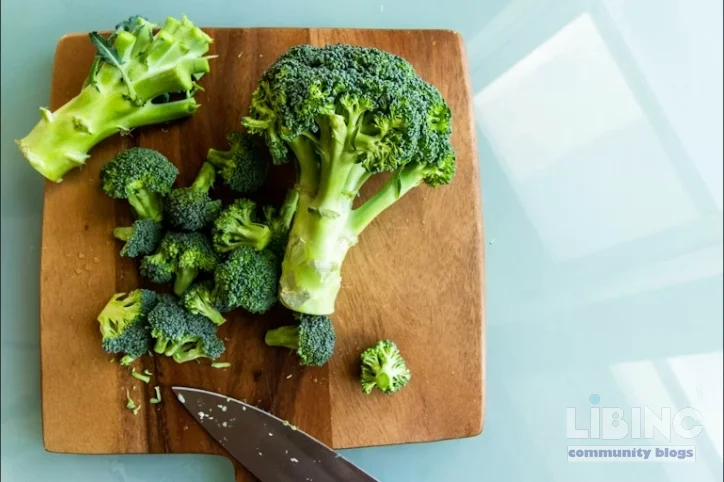
Many cooks trim broccoli to eat the florets and discard stems and leaves. This pattern persists because recipes often spotlight the most tender portions, while the rest remains underutilized. The consequence is wasted plant material that still carries valuable fiber, minerals, and phytochemicals. Seeing leftovers as waste rather than potential ingredients reflects a missed opportunity for zero-waste cooking and a narrower set of flavor-building options.
In contrast, a root-to-stem mindset expands the usable spectrum of what stays in the cart and what ends up on the plate. For instance, leek tops—traditionally discarded—provide compounds that support health and can be integrated into soups, stocks, or lightly sautéed with aromatics. Herb stems, even when woody, can be floated in stocks or minced into sauces; chicken carcasses can yield a rich stock base for risottos or noodle soups; and stale bread can become the backbone of croutons, breadcrumbs, or bread pudding. These shifts do not require more money, just a different approach to planning and execution. The practical payoff is meaningful flavor diversity and more meals from the same purchase.
Another clear contrast appears in the handling of pantry liquids. Aquafaba is not only a vegan baking substitute; it’s a tool for emulsification and texture that reduces the need to buy extra ingredients. Reframing liquids and byproducts as resources rather than waste transforms everyday cooking into a more creative process with financial and nutritional dividends. The overarching lesson is straightforward: when you reimagine every component, you unlock more menu options without expanding the grocery bill.
- Broccoli stems and leaves become salads, pestos, or sautéed greens rather than trash.
- Leek tops enrich soups and stocks, adding depth and nutrition.
- Herb stems contribute brightness to curries, marinades, and sauces.
- Woody herb stems impart flavor to grilled meats when used as infusions or skewers.
- Chicken carcasses form the base of rich stocks for soups and risottos.
Stale bread, once written off, becomes a versatile ingredient in both savory and sweet dishes. The contrast between wasteful habits and waste-aware practices lies in a few deliberate steps: plan, repurpose, preserve, and enjoy. When households adopt these steps, the kitchen turns into a laboratory of resourcefulness rather than a theater of impulse purchases that quickly go bad.
Cause-and-effect dynamics: how leftovers change budgets and flavor
Each edible component repurposed into a new dish creates a chain reaction that benefits flavor, nutrition, and cost. When stems, tops, skins, and crumbs are routinely integrated, households experience a broader flavor palette with less reliance on convenience items that cost more per unit. The immediate effect is tastier meals with fewer trips to the store for missing ingredients, which cuts impulse buys and reduces overall spend.
From a nutritional perspective, leaves and stems often carry antioxidants, fiber, and micronutrients that are otherwise sidelined. Incorporating them into soups, salads, and sautés increases dietary diversity and supports gut health through higher fiber intake. The cumulative effect is a more resilient diet that can weather price fluctuations without sacrificing nutrition.
In practice, stock-making from leftover bones or carcasses provides a twofold benefit: it creates a flavorful foundation for soups and risottos and ensures that no meat-based byproduct goes unused. The technique also lowers the need for stock sachets or premade broths, which can be pricier and less transparent in ingredient quality. Aquafaba, the starch-rich liquid from canned beans, offers an occasion to reduce egg reliance in baking and emulsified sauces. When used in place of eggs, it can redefine the texture and moisture content of prepared dishes, extending the reach of affordable staples into more sophisticated results.
Cost dynamics hinge on portion control and strategic cooling. Small, well-timed freezes preserve flavors and textures, preventing spoilage and enabling batch cooking. Bread breadcrumbs or croutons are a simple case: stale bread becomes texture and aroma, enriching soups and salads. These patterns create virtuous cycles: better planning reduces waste, which preserves budget, which in turn expands the possibility space for flavorful meals. The result is a kitchen that thrives on reuse rather than one that cycles discarded items through waste streams.
- Stock from carcasses broadens meal options while reducing waste and reliance on store-bought stocks.
- Aquafaba provides egg alternatives that support budget-friendly, plant-forward recipes.
- Bread remnants become breadcrumbs or croutons, enhancing texture without extra cost.
However, the causal chain has limits. If safety checks fail—spoiled smells, visible mold, or improper temperatures—discarding remains the prudent choice. The goal is to maximize value while maintaining safety and taste, not to push risky eating habits. When applied judiciously, leftovers amplify flavor and economic resilience rather than depleting resources through careless waste.
Expert reconstruction: practical guidelines from chefs and nutritionists
Experts emphasize that reducing waste starts with routine, not luck. A structured weekly plan minimizes both overbuying and forgetful storage. The core recommendation is to adopt a root-to-stem mindset: treat every edible component as a potential ingredient rather than a discardable byproduct. This approach aligns cooking skill with budget discipline, yielding meals that are both nourishing and economical.
Key guidelines from culinary and nutrition professionals include:
- Plan your week around leftovers: map meals to reuse ingredients before they spoil. This reduces waste and sustains flavor variety.
- Master core stocks: keep a small repertoire of stocks from carcasses and trimmings to anchor soups and risottos.
- Use stems, leaves, and skins: incorporate broccoli stems, leek tops, herb stems, and peels into soups, sautés, sauces, and baked goods.
- Preserve with freezing: portion and freeze for later use; labeled containers prevent confusion about what’s in the freezer.
- Transform stale bread: convert into croutons, breadcrumbs, or bread puddings to add texture and richness.
- Tame safety risks: if odors, molding, or temperature breaches occur, discard promptly to avoid foodborne illness.
Practical weekly patterns include a stock-based soup night, a bread-friendly pasta night, and a veggie-forward curry that uses stems and tops as flavor boosters. Chefs also propose short, repeatable recipes that maximize texture and nutrition, such as broccoli stem pesto or leek-top infused oils, to keep waste minimal while delivering consistent results. In nutrition terms, these practices often raise fiber intake and micronutrient density without requiring expensive ingredients.
Finally, storage discipline matters. Rinse, dry, and seal greens; keep herb stems in the freezer for later use; and label everything with the date. Small organizational habits compound into meaningful reductions in waste over time, making waste-aware cooking a durable habit rather than a temporary tactic.
Closing thoughts
The Australian grocery landscape may feel unforgiving, but the kitchen offers a counterbalance. By reimagining leftovers as assets—stems, tops, skins, and stale bread—families can maintain nutrition, preserve flavor, and protect budget against price shocks. The path combines practical techniques with a mindset shift toward resourcefulness. It is not about perfection; it is about creating systems that consistently salvage value from what would otherwise be wasted.
Adopt a simple cycle: plan, store, reuse, and preserve. Start with a weekly audit of what you throw away, then implement a few high-impact practices—stocks from carcasses, aquafaba for baking, and stale bread into croutons. Over time, this approach expands your culinary repertoire, improves meal quality, and strengthens financial resilience in the face of rising prices.
Closing the loop: budgeting with root-to-stem cooking
In Australian kitchens, turning stems, tops, skins, and stale bread into meals delivers measurable gains in nutrition, flavor, and weekly spend. A compact, repeatable routine makes this feasible for busy households and price-aware shoppers.
| Component | Typical waste | Reuse strategy | Example dish |
|---|---|---|---|
| Broccoli stems | woody cores; soft flesh | Sautés, pestos, salads | Broccoli stem pesto with pasta |
| Leek tops | tough greens | soups, stocks | Leek-top broth for minestrone |
| Herb stems | woody | infusions, sauces | Herb-stem oil |
| Bread crusts | dry crusts | breadcrumbs, croutons | Croutons for soup |
| Aquafaba | bean liquid | baking, emulsions | Vegan meringue |
| Carcass bones | bones | stock base | Chicken stock for risottos |
Plan around leftovers, portion-control, and freezing; small wins compound.
- Mon: broccoli stem pesto with pasta
- Tue: leek-top broth; add remaining greens
- Wed: herb-stem oil to finish roasted veg
- Thu: breadcrumbs on baked chicken or fish
- Fri: aquafaba-based dessert or mousse
- Sat: stock from carcass for soup
- Sun: repurpose leftovers into a frittata or veggie bake
- Plan meals around leftovers
- Label and freeze portions with dates
- Audit weekly to identify recurring waste streams
Frequently asked questions
How can I start reducing food waste at home?
Begin with a simple weekly audit of produce, bread, and dairy and plan meals to reuse leftovers. This creates a routine that cuts waste while preserving nutrition and flavor.
By mapping leftovers to daily meals and freezing portions, you lock in value from groceries and reduce spoilage across the week.
What are the best root-to-stem techniques for Australian groceries?
Focus on stems, leaves, peels, and crusts; simmer stocks from bones; freeze portions; use aquafaba in baking. This expands usable parts of staples and reduces waste.
These practices support nutrition, cost control, and kitchen creativity, especially when budgets tighten.
How can aquafaba help cut costs and waste?
Aquafaba substitutes eggs in many recipes, reducing grocery needs and extending staples. It emulsifies and whips, enabling lighter textures with lower ingredient counts.
Experiment with aquafaba in meringues, mayonnaise, and creamy sauces to replace higher-cost ingredients.
How do I store leftovers effectively to extend shelf life?
Use labeled, airtight containers; portion into meal-sized sizes; freeze for later; keep greens dry and refrigerated; rotate items by date to avoid spoilage.
What quick weekly plan can I follow to reuse stems, skins, and crusts?
Implement a stock night, a bread-based dish night, and a vegetable-forward curry; each uses a different byproduct. This structured rotation minimizes waste while delivering variety.
How can I measure the impact of waste reduction on my grocery budget?
Track waste, monitor weekly spend, and compare before/after periods. The numbers typically show lower impulse buys, fewer spoiled items, and steadier grocery costs over time.






Add a comment
To comment, you need to register and authorize
Comments