

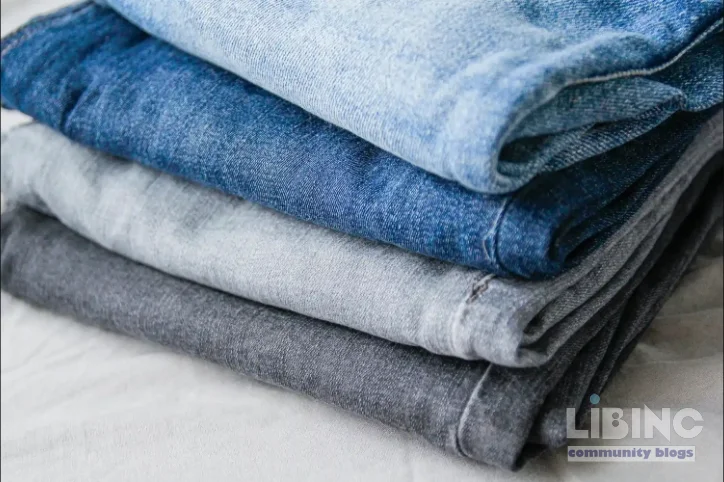
Repurposing Old Denim for Cleaning: How to Turn Jeans into Durable Household Tools
Table of contents
- Analytics of repurposing denim for cleaning
- Denim versus alternatives: a practical contrast
- Cause and effect: preparing denim for use
- Expert reconstruction: turning denim into household tools
Old denim holds a quiet, enduring promise for household cleaning. The fabric’s rugged weave makes it a natural ally for heavy scrubbing and oil- or grime-heavy tasks. Yet the same durability comes with caveats: denim can bleed indigo, rub delicate surfaces raw, and shed fibers if not prepared properly. This analysis synthesizes insights from cleaning professionals who routinely repurpose jeans into practical tools such as rags, aprons, scrubbing pads, and pet wipes. The aim is to minimize waste while maximizing usefulness, without compromising finishes or surfaces. The path forward blends disciplined prep, strategic application, and a respect for denim’s limits.
We examine not only the how-to but also the why behind each choice. When used correctly, repurposed denim offers a blend of grip, absorbency, and longevity that few disposable options can match. The hidden conflict is simple: the same ruggedness that makes denim effective can scratch soft plastics or high-shine finishes if you skip the prep step. This article lays out clear steps and tested strategies from practitioners who turn old jeans into reliable, everyday cleaning assets, with practical caveats and evidence-based routines.
Analytics of repurposing denim for cleaning
Denim is resilient because of its fiber structure and dense weave. The cotton twill in most jeans resists tearing under abrasion and soaks up liquids efficiently, which translates into strong performance as DIY cleaning rags and scrubbing pads. But resilience is a double-edged sword: the indigo dye used on most denim can transfer or stain surfaces if the fabric isn’t prepared. In practice, that means a deliberate washing protocol before reuse and surface testing on inconspicuous areas. When treated properly, denim becomes a long-lasting work tool rather than a disposable wipe.
From a density and friction perspective, denim’s texture provides predictable scrubbing action while still maintaining some pliability. This is why denim excels as a surface barrier in paint avoidance or as rough support under heavy items. The practical takeaway is that durability alone does not guarantee suitability for every task; the fabric must be dialed in through washing and selective use. For heavy-duty tasks such as cement or paint spills, denim rags remain a reliable option, provided you’ve washed out most of the dye and ensured the surface won’t suffer scratching.
Denim versus alternatives: a practical contrast
Compared with microfiber or cellulose-based cloths, denim offers superior abrasion resistance and longevity. It holds up to repeated scrubbing and dries reasonably quickly, but its abrasive character can damage soft plastics, glossy coatings, or delicate screen surfaces. Microfiber tends to leave less residue and is gentler on finishes; denim, by contrast, handles oil-rich messes and rough grime with aplomb. The difference matters in workflows: use denim for heavy-duty work and reserve microfiber or soft cotton for delicate areas and lint-free surfaces.
Another contrast point is dye transfer. While microfiber and disposable paper towels are designed to minimize color transfer, denim requires a deliberate washing regimen to minimize dye bleed. The Indigo in raw denim can migrate with moisture, so a hot wash with detergent is often recommended prior to reuse. A quick surface test after washing helps confirm readiness and reduce the risk of staining, especially on kitchen counters, polished wood, or glass surfaces.
Cause and effect: preparing denim for use
Processing denim for cleaning breaks into a few linked steps, each with measurable outcomes. The goal is to maximize cleaning power while minimizing risk to surfaces and hands. The key causes are washing protocol, dye stability, and the choice of tasks matched to denim’s texture. The primary effect is a reduced chance of dye transfer and fiber shedding during use, paired with improved grip and scrubbing performance.
First, wash hot with a robust detergent, particularly for dark washes, to expel loose dye. Hot water helps rinse out residual indigo and can prevent color bleed on surfaces you’re cleaning. After washing, confirm there is no blue staining when the fabric is wet by doing a quick wipe on an inconspicuous surface. The test is critical before committing denim to high-scrub tasks or contact with soft plastics or glass. If dye transfer is detected, repeat the wash cycle or select a lighter denim piece for sensitive areas.
Second, assess the denim’s abrasiveness for the task at hand. For delicate surfaces, pair denim with microfiber or a softer cloth to reduce the risk of scratching. The same rough weave that makes denim effective for grime clearance can scratch glossy finishes if applied with excess pressure or used on surfaces not worth the risk. The practical implication is to create a decision matrix: reserve denim for tough cleaning where grit and friction are expected; use gentler textiles for fragile items.
Expert reconstruction: turning denim into household tools
Steve Evans, owner of Memphis Maids, argues that denim’s durability makes it a practical material to keep on hand. He emphasizes repurposing jeans into sturdy rags and floor-cleaning tools for heavy-duty spills and paint-related tasks. In his view, denim’s thickness and woven texture provide a reliable barrier against splashes and stains when used as a temporary surface cover or as a cleaning rag that won’t tear easily. Evans also notes that jeans pockets can be repurposed as convenient aprons or organizers for small tools and brushes, turning a single garment into multiple functional items.
Ryan Knoll, owner of Tidy Casa, highlights denim’s indigo dye characteristics and suggests using old jeans to wax a car exterior and wipe mirrors. He points out that unlike microfiber towels, denim tends to leave less lint behind, which is valuable for polishing surfaces without leaving fibers scattered across the work. Knoll also stresses testing on inconspicuous areas and choosing a denim with a compatible texture for the task to avoid scratching sensitive finishes.
Karina Toner, operations manager of Spekless Cleaning, recommends creating a layered scrubbing pad by stitching several denim pieces together. The result is a thicker, more durable wipe that bites into stuck-on grime without tearing. She also suggests converting inner denim lining into pet paw wipes. The rough-but-not-too-sharp texture lifts dirt from paws while avoiding shredding or leaving fibers behind on delicate paw pads.
Practical workflows drawn from these experts translate into concrete options:
- Rags and aprons: turn jeans into durable rags for floors, vehicles, and workshop messes; pockets can become handy apron pockets.
- Scrubbing pads: layer and stitch denim to form a thicker pad for baked-on grime on stoves, ovens, and tubs.
- Dusting mitts: sew edges to form a glove-like mitt for blinds, vents, and railings where tight, textured fibers excel.
- Flat mop reuse: use denim as a pad on Velcro mops; it adheres well and can pick up chemicals while delivering a slight polish.
- Pet wipes: cut inner lining into small squares for damp paw cleaning, balancing abrasion with surface safety for paws and pads.
From adoption to routine, the critical thread is consistency: prewash, test, and select tasks that leverage denim’s rugged texture while avoiding fragile finishes. Denim’s real value is not just in a single grand use but in a suite of practical applications that replace disposable alternatives with durable, reusable tools. This approach reduces waste and expands your cleaning toolkit without complicating your workflow.
In practice, implement a simple kit: keep a stash of washed denims cut into rags, a couple of denim layers stitched for scrubbing pads, and a small section reserved for pet wipe squares. This setup gives you ready-to-use assets for quick spill control, routine maintenance, and occasional deep-clean sessions. The result is a more resilient cleaning routine that’s powered by repurposed denim rather than single-use products.
To summarize, repurposing denim for cleaning is not just about saving money; it’s about building a collection of tools that resist wear and tear while remaining adaptable to a wide array of chores. The essential steps—wash hot, test dye bleed, pair with appropriate surfaces, and choose the right denim grade for the task—transform a common garment into a set of durable, reusable household instruments. Executed well, denim-based tools deliver consistent performance across floors, surfaces, automotive care, and pet maintenance, turning waste into functional value.
To translate insights into action, a practical prep protocol closes the gap between analysis and real-world use. The visuals below summarize how denim prep supports tough tasks and where microfiber remains preferable, followed by a focused, repeatable setup to ready denim tools.
| Task | Denim prep | Microfiber prep | Notes |
|---|---|---|---|
| Oil and grease cleanup | Heavy, durable; prep reduces dye transfer | Gentler, lint-free | Use denim for stubborn grime; microfiber for delicate finishes |
| Grimy kitchen surfaces | Rugged scrubbing; potential dye bleed | Low residue, less risk of staining | Test first on inconspicuous area |
| Polishing metal or glass | Good bite, but may leave fibers | Excellent lint control | Finish with microfiber after denim |
| Rags and pads longevity | Long-lasting if prepped; dye bleed must be controlled | Excellent for light scrubs; shorter life on grit | Match task to fabric weight |
Analysis: Denim shines in heavy grime and brush-like scrubbing, provided dye transfer is mitigated. Microfiber excels on delicate surfaces with minimal lint. The matrix guides when to pick each tool for balance between durability and surface safety.
Closing the prep gap: a practical denim readiness protocol
In practical terms, ready-to-use denim tools start with disciplined prep that translates to cleaner results and fewer surface mishaps. Core steps: hot wash (60-90°C) with a sturdy detergent to strip loose indigo; full rinse; repeat wash if needed until water runs clear. After washing, run a dye bleed check: wipe a damp white cloth across an inconspicuous seam; if blue transfers, repeat washing until no color shows. Dry completely before cutting into rags or pads. For strength, heavier denim (12-16 oz) suits scrubbing, lighter denim (8-12 oz) for dusting mitts. Cut rags to 6x9 inches; stack 2-4 layers for pads; edges sealed with simple stitching. Store kits dry away from sunlight. This routine minimizes indigo transfer and fiber shedding, delivering reliable, reusable cleaning tools for kitchens, garages, and baths. Keep a simple log to track dye behavior and task mapping—over time you’ll identify the best denim pieces for each job.
Practical build: cut rags into 6x9 inch sheets, layer several pieces for durable scrubbing pads, and stitch edges to prevent fraying. Create a compact kit: a stack of washed denims for rags, a small batch of layered pads for baked-on grime, and inner lining squares for pet wipes. When in doubt, pair denim with microfiber for delicate finishes, or with cellulose cloths when lint must be minimized. Store the kit dry and away from sunlight to preserve colorfastness. This ready-to-use setup reduces waste and yields consistent performance across garages, kitchens, and bathrooms, while keeping costs in check and turning denim into practical, eco-friendly cleaning tools.
Tool life: up to 8 weeks with regular use
Linting: low to moderate depending on weave
Analytical takeaway: The metrics quantify readiness rather than just capability. Results vary with denim weight, dye depth, and washing rigor; tracking results helps refine your kit over time.
- Rags and aprons
- Cut 6x9 in pieces
- Stich edges to prevent fraying
- Layered scrubbing pads
- 2–4 denim layers
- Sheath edges; test grip
- Pet wipes from inner lining
- Squares sized for paw pads
- Damp with safe solution
The kit approach standardizes prep, reduces waste, and accelerates setup time for routine cleanup and occasional deep cleans. This disciplined workflow positions denim as a durable, reusable option within a broader cleaning toolkit.
Should denim be washed hot before use to avoid dye transfer?
Yes. Washing hot (60-90°C) with a sturdy detergent removes loose indigo and substantially reduces color transfer during initial cleanups. This prep step also energizes the fabric against future stains. After washing, test on an inconspicuous area with a damp white cloth; if any blue rubs off, repeat the wash cycle until the rinse water stays clear. The fabric must be completely dry before use to ensure the fibers flexibilize properly and do not mark surfaces. This practice improves the reliability of denim as reusable cleaning tools and protects surfaces from dye residue.
Analytical note: Hot washing disrupts indigo bonds more effectively than cold washing, minimizing post-use staining. Over-washing can wear denim; balance is key for life span and performance.
Which denim weight works best for heavy-duty scrubbing?
Heavier denim (12-16 oz) provides the most durable scrubbing surface and resists tearing when facing stuck-on grime. Lighter denim (8-12 oz) is better for dusting and wiping tasks where flexibility matters. The direct answer is to pair weight with task: use heavy denim for baked-on messes and lighter weight for gentler surfaces. This pairing extends tool life and keeps surfaces safer from scratches while maintaining grip and absorption. Doing quick field tests on inconspicuous areas helps tailor weight choice to your routine.
Analytical note: Weighing denim against task complexity reduces the risk of fiber shedding or dye transfer on delicate finishes.
Are denim tools safe on polished surfaces or soft plastics?
Denim can scratch polished finishes or soft plastics if used with high pressure or on sensitive coatings. For such surfaces, restrict denim to light agitation combined with a softer cloth, or use microfiber for the final pass. A simple rule is to test on a hidden corner first and then proceed with deliberate, low-pressure strokes. In practice, denim shines for heavy grime, while microfiber or soft cotton preserves delicate surfaces. This approach enhances surface safety while preserving denim’s advantages in absorbency and durability.
Analytical note: Surface testing mitigates risk and informs optimal material choice for each cleaning stage.
How can I test denim on surfaces before heavy use?
A quick dye-bleed test works well: dampen a white cloth, wipe an inconspicuous area, and inspect for color transfer. If blue appears, wash again and re-test. This routine should be part of your prep process before any significant work on kitchen counters, glass, or finished wood. Once the test passes, begin with lower-pressure scrubbing and gradually increase intensity as needed. Document results to refine denim selection for routine tasks and avoid surprises.
Analytical note: Early testing reduces the risk of staining and helps protect valuable surfaces during routine and deep-clean sessions.
How should I care for denim cleaning tools to maximize life?
Routinely air-dry denim tools, avoid high-heat cycles after initial prep, and wash after heavy use to remove residues. Store rags, pads, and wipes in a dry, shaded area to preserve colorfastness and texture. Periodically inspect seams and hems for wear; re-stitch or trim as needed to extend life. A dedicated kit with clearly labeled rags, pads, and pet wipes can simplify maintenance and reduce cross-contamination between tasks. This care routine supports long-term performance and cost efficiency.
Analytical note: Proper drying and storage proportionally extend tool life and preserve surface safety over time.
What are the best use cases for denim cleaning tools?
Denim excels in heavy-duty scrubbing, oil and grease control, and as a durable barrier on floors or-work surfaces where grit is expected. It is less ideal for fragile finishes or high-gloss surfaces unless paired with gentler textiles like microfiber. Use denim for workshop spills, garage floors, and automotive tasks, and reserve microfiber for delicate surfaces and lint-sensitive finishes. This division ensures you maximize each material’s strengths while maintaining a minimal footprint.
Analytical note: Task-specific material pairing offers predictable outcomes and reduces risk to surfaces.





Add a comment
To comment, you need to register and authorize
Comments