

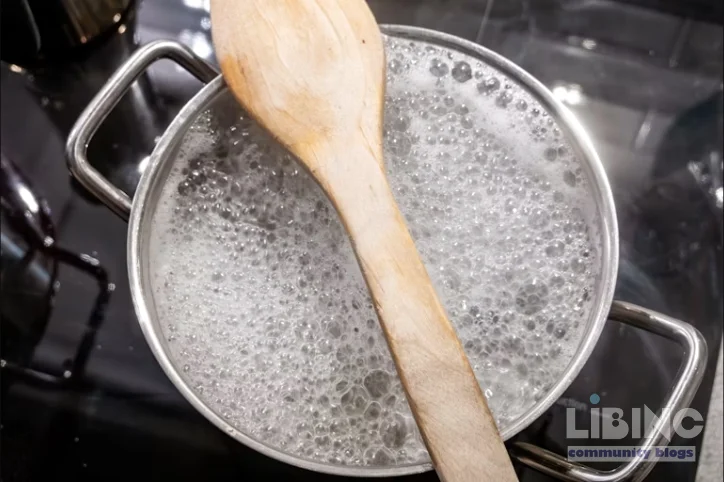
Pot Boiling Over Demystified: How the Wooden Spoon Hack Works and Its Limits
- Analytical framing
- Contrast-driven insights
- Cause-and-effect dynamics
- Expert reconstruction and practical guidance
Pot boiling over is a kitchen moment that reveals the stakes of heat, liquid chemistry, and attention. A bubbling pot can transform a simple pasta night into a fatigue-inducing cleanup and a potential scald hazard in seconds. The question isn’t merely whether you can stop it, but how the physics of the pot changes when you introduce ingredients, heat, and surfaces that promote foam. The wooden spoon hack—placing a dry spoon across the top of the pot—gets glances on social media for appearing to tame the foam. In reality, the method works, but only for a brief window. Understanding why requires a closer look at the interplay between heat, liquids, and colloidal particles. This article analyzes the phenomenon with a focus on reliability, not superstition, and it distills actionable advice you can apply in everyday cooking.
In pure water, a rapidly boiling liquid tends to stay within the liquid phase and does not aggressively climb the pot’s sides. The messy overflow emerges when other molecules ride along with the water, changing its behavior as heat intensifies. Plant starches from pasta, rice, porridge, or other grains, together with milk proteins like casein, create colloidal suspensions that destabilize surface tension and stabilize bubbles. As bubbles accumulate, a sticky gel forms around their surfaces, and this gel can stiffen the bubble network so it resists popping. The result: a rising, foamy sheet that climbs the pot’s sides and spills over. The wooden spoon acts as a temporary pressure-release and surface-disruption tool, but it’s not a panacea; its effectiveness fades as heat continues and the spoon itself heats to the liquid’s temperature. The key is to use the spoon strategically and to implement better, more reliable prevention measures where possible.
Analytical framing: why pot boiling over happens and how the wooden spoon works
To understand pot boiling over, we need to map the causal chain from heat input to overflow. The core idea is that boiling is not a singular event but a dynamic process in which bubbles nucleate, grow, and coalesce. In pure water, bubbles form and detach with relative ease, but they do not persist long enough to climb the pot wall unless the liquid is agitated. When you add ingredients, several physics and chemistry factors come into play:
- Colloidal particles from starches and milk proteins are suspended in the water. These particles do not fully dissolve; they create sites for bubble surfaces to anchor, stabilizing foams on a micro scale.
- Gel formation around bubbles can occur as heat drives starches through gelatinization or as casein forms thin films around air pockets. This gel network makes bubbles more rigid and less prone to popping, allowing them to persist and accumulate.
- Surface-active films created by starch-protein complexes reduce surface tension locally, enabling smaller bubbles to form and coalesce into larger foam layers that resist bursting.
- Heat transfer and nucleation dynamics shift with added ingredients. The presence of solids can alter the heat transfer efficiency, promoting vigorous bubbling at the surface rather than uniform, gentle boiling.
With these factors in play, the pot becomes a site where foam stability competes with bubble rupture. The result is a foam cap that feeds on itself as heated liquid moves upward. The extent of overflow depends on several controllable conditions:
- Pot size and shape influence how easily foam can spread to the rim. Wide, shallow pots offer more surface area for bubble growth and spillage than tall, narrow ones.
- Fill level matters. A pot that is too full presents less vertical room for the bubble column to expand before spilling.
- Heat intensity is the primary driver. High heat accelerates bubble formation and gel-encapsulation processes, increasing overflow risk.
- Liquid composition matters most. Pure water behaves differently from pasta water, porridge, or milk-based mixtures because starches and proteins modify bubble dynamics.
Why does the spoon intervention work briefly? The dry wooden spoon offers a porous surface and a thermal sink. As bubbles rise, air escapes through the spoon’s pores, rupturing bubble films and interrupting the foam cascade. The effect cools a tiny patch of the liquid surface and introduces a local disruption in bubble growth. But the spoon loses porosity as it heats and becomes more like the liquid itself, erasing the last advantage it provided. This is why the hack buys time but does not terminate the risk of boil-over entirely. In practical terms, the spoon acts as a temporary gas-escape valve rather than a steadfast barrier to overflow.
Contrast-driven insights: how the spoon hack behaves across different liquids and setups
Not all boil-overs are created equal. The spoon hack’s effectiveness depends on the composition and physical state of the liquid. Here's how different scenarios compare:
- Pasta and starchy liquids: Pasta water contains suspended starch granules that gelatinize when heated. The resulting starch gel increases bubble stability. A dry spoon across the pot can fracture surface bubbles and slow overflow, but only until the liquid dries or the temperature drives a stronger gel network around new bubbles.
- Porridge or grain-based brews: Similar to pasta water, porridge involves high starch concentrations. The gel formation becomes more pronounced, causing the foam layer to thicken and adhere more stubbornly to the surface. The spoon hack loses effectiveness more quickly in these conditions because the gel becomes less porous than plain water.
- Milk-based liquids: Casein and fat interact to form rich foams. Milk skin can harden into a film over the surface, which traps air and bubbles. The spoon can still pop some bubbles, but a persistent film reduces the tool’s ability to interrupt bubble growth, making overflow more likely if heat remains high.
- Plain water: The absence of starches and proteins reduces bubble stabilization. A pot of plain water is less prone to rapid overflow than starchy liquids, and the spoon hack tends to be more effective for a longer duration, provided you do not overfill the pot or crank up the heat.
These contrasts highlight a practical point: the wooden spoon is not a universal antidote. Its success depends on the liquid’s chemistry and the pot’s physical geometry. The more complex the liquid, the shorter the window of effectiveness becomes. The best practice, therefore, combines tool choice with sensible cooking parameters rather than relying on a single hack.
Cause-and-effect dynamics: from heat to mess and how the spoon interrupts the process
Understanding the chain of cause and effect clarifies both why boil-overs happen and how to prevent them more reliably. The sequence below maps the core transitions from input to outcome:
- Step 1: heat input drives water toward boiling. Temperature rises, and thermal energy reaches the liquid’s surface, enabling vapor formation.
- Step 2: bubble nucleation and growth vapor bubbles form at nucleation sites on the pot’s surface and dissolve into the liquid if the surface tension is not sufficiently high.
- Step 3: colloidal stabilization starch granules and proteins migrate to bubble surfaces, forming a protective coating that stabilizes the bubble walls.
- Step 4: gel formation and film development on bubble surfaces, creating a sticky gel network that resists rupture, allowing bubbles to persist and coalesce into foam layers.
- Step 5: upward growth and overflow large foam sheets rise to the rim, spill over, and create the mess we seek to avoid.
Where does the wooden spoon fit in this chain? In the moment of contact, the spoon’s porous surface provides microchannels for air to escape, enabling bubble rupture and surface cooling. This reduces the local bubble stability and interrupts the upward foam cascade. But this stopgap collapses once the spoon heats to the liquid’s temperature and its porosity is compromised by sticky residues from starch and casein. In effect, the spoon buys time rather than delivering a durable preventive barrier. A more robust approach blends the spoon’s momentary intervention with structural adjustments—larger pot, gentler heat, and careful liquid management.
Expert reconstruction: practical guidance for reliable prevention
Robust prevention combines an understanding of the physics with pragmatic kitchen practice. The following recommendations synthesize the evidence and translate it into repeatable steps you can apply in real time:
- Choose the right vessel—a pot with a wide opening but a tall, rigid wall reduces the surface area where foam can spread and provides more headroom for bubbling before overflow.
- Limit fill level—do not fill beyond two-thirds of the pot’s capacity when cooking starchy foods or milk-based liquids. More headroom means more space for foam to dissipate without reaching the rim.
- Moderate heat—start with medium heat and adjust slowly. A sustained high boil creates persistent bubbles and promotes gel stabilization. Bring to a boil, then reduce to a lively simmer to keep foaming under control.
- Strategic stirring—stir early and intermittently to disrupt initial bubble formation and homogenize temperature distribution. Stirring reduces localized hotspots where nucleation is strongest and can dampen foam growth.
- Use the spoon as a practice aid, not a fix—keep a dry wooden spoon handy as a quick interruptive tool, but rely on the pot’s size and heat management for long-term control. If you must rely on the spoon, do so within a short window and resume preventive steps promptly.
- Staggered addition and agitation—consider adding starch-containing ingredients gradually rather than all at once. Gentle stirring during addition reduces abrupt bubble formation and helps limit foam buildup.
- Milk-based preparations—watch for film formation on the surface. If you see a skim-like layer developing, reduce heat and stir to break the film before it becomes a barrier to bubble rupture.
- Prevention routine—before heat, prepare for overflow by ensuring you have a clear path away from the hot surface. Turn off the burner temporarily if overflow appears imminent and adjust the pot’s position as needed.
These practices together form a reliable approach to managing boil-overs. The spoon hack remains a helpful cue and a temporary ally, but it does not replace thoughtful heat control, vessel choice, and volume management. The overarching message is simple: control the variables you can control—pot size, fill level, heat intensity—and use the spoon as a brief, tactical aid rather than a guaranteed solution.
Takeaway: Pot boiling over is a symptom of balance shifting between bubble formation and rupture. The horizontal line of safe cooking rests on disciplined heat, appropriate vessel size, and mindful stirring, with the wooden spoon serving as a short-lived assist rather than a cure.
In practice, the most dependable method combines these principles: avoid overfilling, moderate heat, and monitor the pot. If you do drift away and the pot starts to foam up, move the pot off the heat, lower the flame, and allow the foam to subside before returning to cooking. The idea that a written rule will prevent every spill is a myth; the reality is a dynamic system that rewards attentiveness and proactive adjustments over passive reliance on any one hack.
In the kitchen, vigilance is a form of discipline. The phrase a watched pot never boils doesn’t fully apply here, but a watched pot is certainly less likely to boil over. By combining an informed understanding of the science with practical steps, you can reduce mess, improve safety, and keep cooking moving smoothly.
Practical prevention framework: translating theory into kitchen-ready steps
The spoon hack is useful but insufficient without a repeatable workflow. The critical improvement is a practical framework that combines vessel choice, heat management, and staged addition to curb foam formation and reduce spill risk.
| Liquid type | Foam stability | Gel formation | Practical tip |
|---|---|---|---|
| Plain water | Low | Minimal | Moderate heat, watch for minor foam |
| Pasta water | Medium | Moderate | Stir early, limit headroom |
| Milk-based liquids | High | Pronounced | Heat lowers sooner; skim surface if needed |
| Poridge/grain brews | High | Strong | Add gradually, stir during addition |
Across scenarios, the goal is to maintain control of the foam frontier. In plain water, the window is longer and adjustments are gentler. In starch-rich mixtures, foam forms faster and more stubbornly, requiring steadier heat management and proactive stirring. A practical workflow pairs a suitable vessel with vigilant heat reduction and deliberate ingredient management to keep foam below the rim without sacrificing speed or flavor.
Structured steps for reliable prevention
- Choose the right vessel — a wide opening provides room for foam to dissipate; tall walls reduce the chance of immediate spill when foam rises.
- Limit fill level — keep liquids to two-thirds of pot capacity when cooking starches or dairy-based mixtures.
- Moderate heat — bring to a boil on medium, then drop to a steady simmer as soon as bubbles form to limit foam stabilization.
- Strategic stirring — stir early to distribute heat and disrupt early bubble formation, dampening foam growth.
- Gradual addition — add starch-containing ingredients slowly with gentle stirring to avoid abrupt nucleation events.
In practice, combine the spoon as a brief aid with these fundamentals. If overflow looms, remove from heat, lower the flame, and resume once foam subsides. This integrated approach yields a dependable routine for everyday cooking, balancing quick results with safety and cleanliness.
What causes boil-overs and how does the spoon hack work?
Boil-overs occur when the heat-driven liquid forms persistent bubbles stabilized by starches and proteins, creating a foam cap that climbs the sides; the wooden spoon trick works momentarily by disrupting surface bubbles and cooling a tiny patch, but as the liquid continues to heat and the film reformulates, the effect fades, so a reliable prevention relies on controlling heat, limiting fill height, and using the spoon as a brief interruptive aid rather than a guaranteed shield. In practice, combine moderate heat with proper vessel size and staged additions to keep foam in check.
In what liquids is the spoon hack most effective?
In plain water the window to intervene is longer and the spoon can act more effectively because there are fewer stabilizing colloids; in pasta water, porridge, or milk-based liquids the foam stabilizers (starch gels and casein films) are stronger, so the hack provides only a brief respite and must be paired with heat control and smaller additions. The context matters: the more complex the liquid chemistry, the shorter the effective window.
What are the best practices to prevent boil-overs?
The best practices combine vessel choice, fill level, and ongoing monitoring. Start with a wide, tall pot and fill to two-thirds; heat to a gentle boil, then maintain a lively simmer; stir intermittently to break early bubbles; add ingredients gradually; and keep the wooden spoon as a temporary aid, not a cure. By managing heat and volume, you reduce reliance on a single hack and improve consistency across meals.
How should I manage heat when cooking starch-based foods?
Starch-rich dishes stabilize foam quickly; use lower heat once bubbling begins, and prioritize gradual addition with stirring. If foam approaches the rim, reduce heat further and consider briefly lifting the pot from the burner to allow a momentary drop in temperature. Maintaining a modest boil instead of a full rollboil is a reliable tactic for avoiding overflow during pasta or porridge prep.
Can the spoon hack cause any safety issues?
Used correctly, the spoon hack poses minimal risk, but it should never replace attentive supervision. A dry wooden spoon can be a temporary vent, yet overheating might cause the spoon to heat up and warp, and it cannot counteract an overfilled pot or sustained high heat. Safety comes from proactive heat management, not prolonged reliance on the hack.




Add a comment
To comment, you need to register and authorize
Comments