

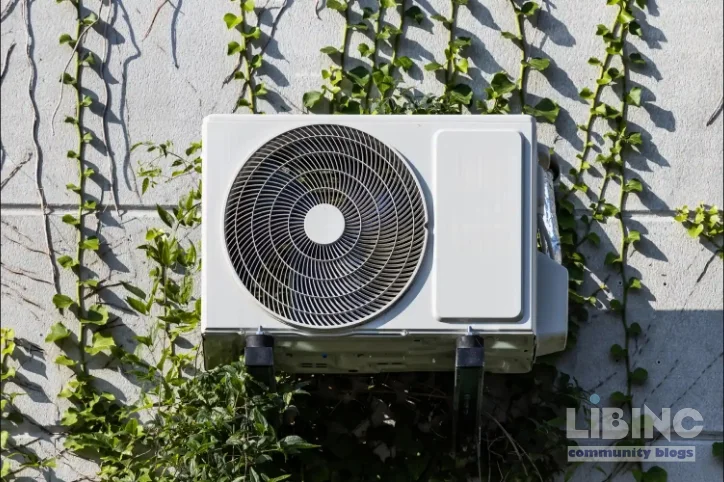
Air Conditioner Lifespan Demystified: How Long Do AC Units Last and How to Extend It
Homeowners often assume an air conditioner's life is a fixed horizon—ten to fifteen years, whichever comes first. In reality, the air conditioner lifespan depends on a web of variables: unit type, maintenance cadence, installation quality, climate, and how hard the system is pushed during peak season. If cooling performance declines or bills rise without a clear cause, the question shifts from is it time to replace to how long can it still perform efficiently and at what cost. To shed light, we consulted Elena Chrimat, founder of Ideal Air Conditioning and Insulation, and Tyler Lewis, CEO of Air Master HVAC and Electrical. This article analyzes typical lifespans by system type, flags early warning signs, and offers concrete steps to prolong useful life.
Understanding lifespan is not just about a unit age; it is about health, efficiency, and the hidden costs of neglect. A central air system often carries a warranty window of roughly 10 to 12 years, yet real world experience shows many units outlive or underperform beyond that when installation is correct and annual maintenance is robust. Window units, portable models, and mini splits each follow different trajectories shaped by brand quality, usage patterns, and service history. The stakes are tangible: reduced comfort, higher energy bills, and a replacement decision that could be far more expensive than timely upkeep. The path to clarity begins with a disciplined assessment of current performance and future risk.
Table of Contents
- Block 1 — Through analytics
- Block 2 — Through contrast
- Block 3 — Through cause-and-effect relationships
- Block 4 — Through expert reconstruction
- Warning signs your AC is near the end
- Extend your AC lifespan in four steps
Block 1 — Through analytics
Central systems are commonly built to last the duration of manufacturer warranties, typically 10 to 12 years. However, real world experience shows many units exceed 15 years when they are installed correctly and supported by regular annual maintenance. Rare cases of 30 plus years exist, but they prove the exception rather than the rule. The decisive factors are installation quality and ongoing service as much as component quality. A properly charged refrigerant, correctly sized ductwork, and low static pressure reduce compressor wear and sustain efficiency, extending the useful life of the unit.
Window and portable units typically carry modest warranties, often only one year, yet many run effectively for five to seven years or longer with attentive care. Mini split systems present wide variability: reputable brands such as Mitsubishi can reach 10 to 15 years, while lower end models often fail within five to seven years. The key takeaway is that brand reputation and installation matters just as much as the core equipment when predicting life expectancy.
Warning signs your AC is near the end
- Declining cooling performance despite a consistent thermostat setting indicates wasted energy and strain on components.
- Unusual noises or grinding from the outdoor unit or blower suggest worn bearings or loose parts.
- Ice buildup on the coils points to airflow or refrigerant issues that accelerate wear if not addressed.
- Thermostat drift and large discrepancies between thermostat reading and actual temperature imply control or sensor problems.
- Sudden energy bill spikes during cooling season often signal refrigerant leaks or compressor inefficiency.
Block 2 — Through contrast
When we compare system categories, the difference in lifespan becomes a function of design, exposure, and maintenance reality. Central air, with its ductwork and larger refrigerant circuit, embodies higher upfront risk if installed poorly, but offers greater long term life potential with meticulous setup and routine service. Window and portable units are simpler, with fewer moving parts and easier access to service, yet they endure harsher handling and exposed elements that can hasten failure. Mini splits combine compact indoor units with outdoor condensers; their longevity hinges on outdoor unit protection and coil care, but modern models from established brands tend to offer the strongest balance of performance and durability if installed correctly.
Block 3 — Through cause-and-effect relationships
The health of any air conditioning system links directly to installation and maintenance decisions. Correct refrigerant charge prevents compressor stress that otherwise accelerates wear and raises energy use. Properly sized ductwork lowers static pressure, reducing fan motor load and extending component life. Regular maintenance—especially annual inspections—keeps coils clean, filters clear, and refrigerant seals intact, which preserves cooling efficiency and mitigates the risk of unexpected failures. Conversely, a rushed installation, neglected filter changes, dirty coils, or poor drainage dramatically shorten life by forcing the system to work harder and fail sooner. The result is a classic feedback loop where neglect compounds thermal and mechanical stress, hastening the end of useful life.
Block 4 — Through expert reconstruction
Across their experiences, Chrimat and Lewis converge on a compact framework for extending AC life without overinvesting in early replacement. First, keep the system clean and quantifiably efficient through four proven actions. Second, ensure that installation quality and refrigerant handling meet professional standards. Third, adopt a proactive maintenance schedule that aligns with the cooling load and climate. Fourth, plan and price the choice between repair and replacement based on total cost of ownership, not just current comfort. The four steps to extend the life of an air conditioner are:
- Clean or change the filters. Regular replacements or cleanings remove particulate matter that can choke the system and raise energy consumption, reducing strain on the blower and coil.
- Drain properly. Keep window units level and, for portable units, empty the water tank regularly to prevent corrosion and water damage to internal parts.
- Deep clean the coils. Clean coils maintain heat transfer efficiency and keep the compressor from overworking, preserving lifespan.
- Prep your home. Use blackout curtains on hot days, update seals and weatherstripping around doors and windows, and minimize open doors and windows to limit outdoor air infiltration and reduce cooling load.
Expert insight underlines that regular maintenance does not merely fix symptoms; it preserves the underlying thermodynamics of the system. With disciplined care, even mid-range central systems can approach the longer end of their expected lifespans, while premium brands with proper installation often outperform generic expectations on the same model.
In practice, the air conditioner lifespan is less a single number and more a curve shaped by installation, maintenance, and usage. Planned maintenance and quality installation yield durable cooling with manageable replacement costs, while neglect accelerates wear and spikes energy bills. By reading the system age in terms of health indicators rather than calendar years, homeowners can act decisively and economically when signs emerge.
Extend your AC lifespan in four steps
Drawing from expert guidance, here is a concise action plan to push lifespan without sacrificing comfort or reliability.
- Four actionable steps to extend the life of an air conditioner:
- Clean or change the filters. Keep airflow unobstructed and minimize energy waste by ensuring regular filter maintenance.
- Drain properly. Ensure correct orientation and drainage to avoid moisture damage and electrical issues.
- Deep clean the coils. Annual coil cleaning preserves heat transfer and reduces compressor load.
- Prep your home. Use shading, sealing, and minimized air leakage to reduce cooling demand and extend component life.
These steps are supported by the observed realities of installations and maintenance. A disciplined routine reduces total cost of ownership and delays replacement without compromising comfort.
The end result is a practical framework for understanding and extending the air conditioner lifespan. By prioritizing proper installation, consistent maintenance, and intelligent load management, homeowners can achieve reliable cooling well beyond the bare minimum expectations while avoiding unnecessary turnover.
Closing the gap: practical cost framework for replacement decisions
A core limitation of many guides is translating age into action. The following compact framework blends repair costs, energy savings, and climate effects to help decide when to repair or replace.
Table and figures below illustrate how lifespan shifts with installation quality and maintenance, and how a focused cost view can guide smarter choices.
| System | Lifespan | Maintenance focus | Common risks | Best for |
|---|---|---|---|---|
| Central AC | 10–15 yrs | Annual tune-ups | Leaks, duct issues | Long seasons |
| Mini-split | 10–15 yrs | Outdoor unit care | Exposure, corrosion | Zoned cooling |
| Window | 5–10 yrs | Regular cleaning | Element exposure | Budget installs |
Analysis: proper install and consistent service shift the curve most for central and mini-split systems, while window units remain more sensitive to exposure and handling.
- Annual maintenance reduces surprises and extends life by ~20–30%.
- Energy savings from higher SEER can shorten payback to 4–7 years, depending on local rates.
Use this snapshot to map local energy prices and climate to a repair or replacement path, aligning with total cost of ownership.
Maintenance cadence by season
- Spring: check airflow, clean outdoor coil
- Summer: filter changes every 1–3 months during heavy use
- Fall: inspect coils and seals
- Winter: drain checks, prep for heating
Seasonal care preserves performance and lifespan without disrupting comfort.
FAQ
How long do central air conditioners last?
Central air conditioners typically last about 10 to 15 years with proper installation, regular maintenance, and a focus on efficiency; in practice some systems push beyond 15 years while others fail sooner. The exact number depends on climate, usage, refrigerant handling, duct integrity, and the quality of components. In hot, humid regions with long cooling seasons, the wear on compressors and coils increases, whereas milder climates with moderate usage can extend the useful life, particularly when filters are changed every 1–3 months, coils are cleaned annually, and the system is sized correctly.
Depth: The life expectancy is connected to the combo of design quality, installation standards, and ongoing care rather than calendar age alone.
What factors affect AC lifespan?
The main factors are installation quality, proper refrigerant charge, ductwork integrity, and a disciplined maintenance schedule. Climate and usage patterns, such as the duration of peak cooling and local humidity, also drive wear on compressors and coils. A well-sized system with clean coils and regular filter changes typically sustains efficiency and health longer than a neglected unit, even if the equipment is mid-range in cost.
Depth: Regular inspections help catch refrigerant leaks, drainage issues, and sensor drift before they accelerate wear.
When should you repair vs replace an AC unit?
Repair is often sensible when the repair cost is a fraction of the replacement plus future energy savings, and when the unit is within its typical lifespan and under robust maintenance. Replacement makes sense when repairs repeatedly recur, the system’s efficiency is far below current standards, or climate and energy prices justify upgrading to a higher SEER model. A total cost of ownership view, including energy costs, provides clarity beyond immediate comfort.
Depth: Consider the payback period and the reliability of current parts when deciding to upgrade.
How much does it cost to replace vs repair an AC?
Replacement costs vary widely by system type and efficiency, ranging from a few thousand dollars for window units to $5,000–$12,000 for central systems with high-efficiency refrigerants and proper ductwork. Repair costs are typically lower per incident but can accumulate if failures recur. A clear estimate that includes installation, refrigerant handling, and potential duct work helps prevent over-investing in late-life repairs.
Depth: A high-efficiency upgrade can deliver energy savings that shorten the payback window significantly.
What maintenance tasks most extend AC life?
The top tasks are regular filter changes, keeping condensate drainage clear, deep cleaning coils, and sealing the home to reduce cooling load. Seasonal checks for refrigerant pressure and duct leakage also pay back by maintaining efficiency. These actions lower compressor strain and keep heat transfer close to design specifications.
Depth: Small, consistent actions accumulate into meaningful lifespan extension.
Do mini-splits last as long as central systems?
Mini-splits often reach 10–15 years with proper outdoor unit protection, coil care, and correct installation. They can outperform poorly installed central systems in some climates, but outdoor exposure and improper refrigerant handling can shorten life. Regular maintenance and using reputable brands help maximize longevity.
Depth: Compared to central systems, mini-splits add complexity via outdoor units but benefit from modularity and easier service.





Add a comment
To comment, you need to register and authorize
Comments