

Home Decor Investments: An Analytical Guide to Elevating Spaces with Unique Pieces
Anyone who has redesigned a space knows the problem: rooms can feel flat, even when you own nice furniture. The missing ingredient is rarely more furniture; it is the right combination of rare, characterful pieces that tell a story. The stakes are real: without a curated approach, even a well-lit living room reads as showroom-y, cold, and forgettable. The conflict is subtle: you want impact without clutter, scarcity without exorbitant pricing, and a plan that scales with your life. This article maps a four-block framework for turning home decor investments into a living, personal design system, showing how select pieces—lampshades, mirrors, antique books, original art, and vintage stools—become the rhythm of a room rather than an afterthought.
Analytics: Why home decor investments pay off
The concept of home decor investments reframes decoration as a design asset with measurable impact on space perception. Rather than random add-ons, you curate around scarcity, provenance, and function, so each acquisition raises the bar for the entire room. When a single piece carries distinct character, it acts as a fulcrum that elevates the palette and enhances coherence across textiles, surfaces, and light — reinforcing a sense of intentional living and investment value.
Provenance and patina are not decorative luxuries; they are signals of time, handwork, and narrative. For example, a well-timed purchase of a leather-bound edition or a patinated metal lamp base can anchor a color story and serve as a reference point for other acquisitions. Books, in particular, encode personality because they reveal what genuinely inspires the residents. These elements become anchors for the design logic and reduce the risk of a feckless, disposable look.
Nina Lichtenstein, a New York designer and principal of her studio, emphasizes that books are among the most personal decorative elements in a home because they reveal what genuinely inspires the people who live there. Layered on shelves or displayed beside meaningful objects, they become evidence of lived experience and curiosity, not mere filler. This is how decor stops feeling purchased and starts feeling earned.
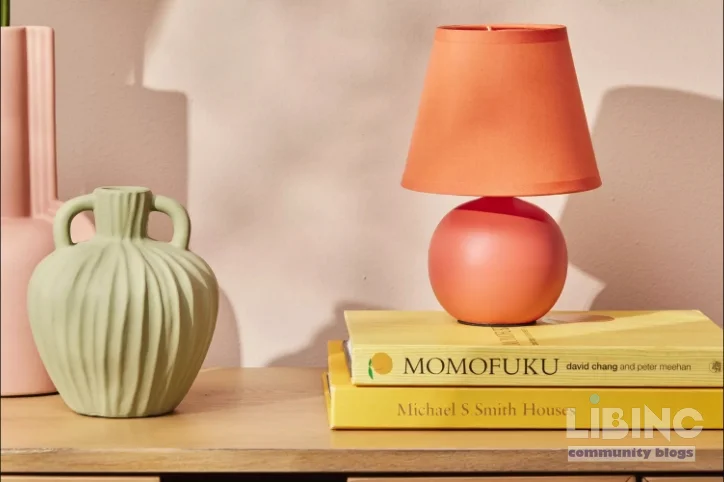
Another anchor is lighting and its accompaniments. A well-chosen lampshade can change the diffraction of light, alter color perception, and transform a dim corner into a warm, inviting niche. The base can be modest, but the shade creates the room’s tonal heartbeat. When a shade is paired thoughtfully with a base, the result is a visually cohesive vignette that anchors the entire arrangement. In practice, you don’t need a perfect base to begin; you need a compelling shade that compels the rest of the room to harmonize with it.
Staging the transition between spaces matters as much as the pieces themselves. A single on-sale lampshade, for instance, can catalyze a full color pivot across adjacent textiles and wall finishes, pulling a room toward a more unified mood without a costly overhaul. The key is to see the shade as a conversational starter, not a final chapter, which allows you to expand the narrative later as plans crystallize.
Finally, the role of books as decorative objects deserves emphasis. Antique or leather-bound volumes are not merely aesthetic; they contribute tactile warmth, scent, and a sense of history that modern, mass-produced décor cannot match. They function as space fillers, coffee-table decor, and small risers for objets d art, while anchoring color and texture across a shelf or stack. This is why a deliberate, paced approach to book acquisitions can pay long-term dividends for interior cohesion.
Contrast: Minimalism with a few strategic punctuation points
Minimalist spaces benefit from strategic punctuation: a few pieces with high character can create contrast without tipping into visual chaos. The trick is to choose items that read as intentional, not accidental, and that anchor the room’s narrative while leaving enough negative space for the eye to rest. These punctuation pieces should be selected for their ability to tell a story more vividly than a dozen generic accessories could.
Layering textures is the fast track to warmth in a pared-down space. A pleated lampshade can soften glare, a patinated metal base adds weight, and a wool or linen throw introduces tactility that reads as luxury rather than clutter. The goal is to create tactile rhythm that invites lingering, not a surface that begs to be photographed and left behind.
Repetition without sameness is essential. Use scale, color, and material families to create rhythm while preserving interest. A single sculpture, a distinctive mirror, or a rare textile can become a visual chorus around which other elements gather, ensuring the room feels curated rather than accidentally assembled.
Consider the value of handcrafted frames and unique finishes as you expand a collection. A wall of art becomes more legible when each piece sits in a frame with a distinctly crafted edge rather than identical commercial moldings. These small choices provide a signature that keeps the room from feeling manufactured and helps the collection read as a thoughtful ensemble.
Be disciplined about purchases to avoid drift. Lampshades and small objects are seductive on sale, yet their cumulative effect can overwhelm a space. The aim is to maintain a balanced tempo: acquire core anchors first, then allow supporting pieces to arrive as the space evolves. With careful pacing, you preserve room for future additions without sacrificing coherence.
Color stories unify disparate items. Start with a disciplined palette—warm browns, soft ivories, charcoal accents—and let scarce pieces borrow from that arithmetic. Color consistency is the quiet force that makes antique leather books and modern sculptures speak a common language, rather than competing for attention in a crowded room.
Cause and effect: How decor choices shape mood and behavior
Space psychology shows that warmth, texture, and light shape daily mood. When a few historically rich pieces slip into a calm field, a room becomes an environment that invites memory, curiosity, and ritual rather than mere function. The effect is not cosmetic; it changes how people inhabit and interpret the space over time.
Layering textures is again central to mood. A velvet armchair, a linen shade, and a soft wool rug can transform a room into a microclimate that guides movement and attention. This tactile layering produces a sense of coziness that invites ongoing use, a core signal of a space that truly feels lived-in.
Scale and proportion matter. An oversized mirror in a small entry, or a petite sculpture on a broad shelf, communicates volume and balance. When pieces are too large or too small for their setting, they create visual tension that distracts from the space’s purpose. Thoughtful scaling guides the eye and maintains harmony across furniture and decor elements.
One-of-a-kind pieces operate as mood beacons. A singular lamp, an irregularly shaped mirror, or a rare sculpture can decisively set a room’s tone, clarifying the overall narrative the space is meant to convey. This is why such pieces often deserve a deliberate purchase path rather than a spontaneous impulse buy.
Provenance adds narrative worth beyond aesthetics. Knowing where a piece came from, who made it, and how it has lived contributes depth that mass-produced items cannot match. This historical thread helps residents connect the space to broader stories, increasing emotional resonance and a sense of place.
Books with aged bindings contribute a readable timeline across spaces. They anchor shelves and coffee tables with texture, scent, and implication of long use. The presence of such volumes invites conversation about taste and memory, transforming a room from a display into a memory palace in motion.
Expert reconstruction: A practical framework to implement the four-block analysis
With analytics, contrast, and cause echoing through your spaces, the final step is translating insights into a repeatable, living buying process. The aim is to build a design system that evolves with life, not a one-off spree that burns out.
First, audit what you own and identify gaps. A few well-chosen anchors — an eye-catching shade, a standout mirror, a singular piece of art — establish the room’s tone. Handcrafted frames and patinated surfaces become tactile anchors for your story and provide a tangible reference point for future acquisitions.
Second, source with discipline. Seek pieces that enhance your palette and scale, not simply accumulate objects. A practical rule is to limit new acquisitions to two or three anchor items per season, with supporting items integrating into the established color and texture fabric.
Third, budget with clarity. Allocate a dedicated portion of the decor budget to scarce or original pieces that carry provenance. The remainder can be classics, durable reproductions, or new textiles that echo the theme without competing with the anchors’ narrative power.
Fourth, test placements and iterate. Use temporary arrangements, photograph outcomes, and rotate as needed. This prevents the showroom impulse from locking you into a static look, ensuring the space remains dynamic and responsive to life changes.
- Anchor pieces — lampshades, mirrors, standout art
- Supporting items — textiles, small sculptures, plant stands
- Scale and proportion — ensure each item relates to room dimensions
- Rotation plan — schedule occasional swaps to refresh the space
In the end, the provenance of each piece, the layering of textures, and the pace of acquisition converge to create spaces that feel grown, not showroomed. A thoughtful approach to home decor investments translates taste into daily, lived experience—a room that ages gracefully with its inhabitants.
As you apply these principles, you’ll find that the most successful decor systems are not about owning everything at once but about curating a coherent, evolving library of pieces. The result is a home that communicates who you are, what you value, and how you want to inhabit your life day to day.
Whether you are just starting or refining an established collection, the practice of deliberate acquisition, mindful placement, and ongoing reevaluation will keep your spaces feeling fresh, purposeful, and unmistakably yours.
Ultimately, the goal is not to chase newness but to create environments where your daily routines become meaningful rituals, and the rooms you inhabit invite you to linger, notice, and return.
In practice, the four-block framework—analytics, contrast, cause, and expert reconstruction—provides a replicable path for transforming ordinary rooms into expressive spaces that remain relevant for years to come.
With thoughtful selection and disciplined pacing, you can build a collection of home decor investments that ages gracefully, retains intrinsic value, and elevates everyday living without ever tipping into clutter.
Enduring spaces are not born from maximalism or minimalism alone; they emerge from a calibrated blend of personality, restraint, and layered texture—anchored by well-chosen anchors and a clear vision of how the room should feel across moments of daily life.
One clear gap in the current framework is a practical budgeting and sourcing routine that translates theory into action. The following compact guide closes that loop with concrete examples and workflows to sustain a living design system.
Anchor versus Supporting Items: Practical Sourcing Table
| Piece Type | Example Item | Character | Typical Cost (USD) | Placement | Rotation Frequency |
|---|---|---|---|---|---|
| Lampshade | Pleated ivory shade | Softens glare, tonal heartbeat | 40-180 | Living room end table, reading nook | Seasonally |
| Leather-bound books | Antique volumes | Narrative warmth, scent | 60-400 | Shelves, coffee-table risers | Ongoing; refresh quarterly |
| Vintage mirror | Patinated brass frame | Adds space perception, reflection | 120-600 | Entry, corridor | Twice a year |
| Original art | Limited-edition print | Anchors color story | 150-1200 | Accent wall, console vignette | Annual or biannual |
| Textile | wool throw | Texture and warmth | 50-300 | Sofa, bed layer | Seasonal |
The table offers a compact reference to plan anchors, manage budgets, and schedule rotations to sustain cohesion without overloading the room.
Contrast: Minimalism with a few strategic punctuation points
Minimalist spaces benefit from strategic punctuation: a few pieces with high character can create contrast without tipping into visual chaos. The trick is to choose items that read as intentional, not accidental, and that anchor the room’s narrative while leaving enough negative space for the eye to rest. These punctuation pieces should be selected for their ability to tell a story more vividly than a dozen generic accessories could.
Layering textures is the fast track to warmth in a pared-down space. A pleated lampshade can soften glare, a patinated metal base adds weight, and a wool or linen throw introduces tactility that reads as luxury rather than clutter. The goal is tactile rhythm that invites lingering, not a surface that begs to be photographed and left behind.
Repetition without sameness is essential. Use scale, color, and material families to create rhythm while preserving interest. A single sculpture, a distinctive mirror, or a rare textile can become a visual chorus around which other elements gather, ensuring the room feels curated rather than accidentally assembled.
Consider handcrafted frames and distinctive finishes as you expand a collection. A wall of art reads more legible when each piece sits in a frame with a crafted edge rather than identical commercial moldings. These small choices provide a signature that keeps the room from feeling manufactured and helps the collection read as a thoughtful ensemble.
Be disciplined about purchases to avoid drift. Lampshades and small objects are seductive on sale, yet their cumulative effect can overwhelm a space. Acquire core anchors first, then allow supporting pieces to arrive as the space evolves—this preserves room for future additions without sacrificing coherence.
Color stories unify disparate items. Start with a disciplined palette—warm browns, ivory tones, charcoal accents—and let scarce pieces borrow from that arithmetic. Color consistency is the quiet force that makes antique leather books and modern sculptures speak a common language rather than compete for attention.
Cause and effect: How decor choices shape mood and behavior
Space psychology shows that warmth, texture, and light shape daily mood. When a few historically rich pieces slip into a calm field, a room becomes an environment that invites memory, curiosity, and ritual rather than mere function. The effect is not cosmetic; it changes how people inhabit and interpret the space over time.
Layering textures is again central to mood. A velvet armchair, a linen shade, and a soft wool rug can transform a room into a microclimate that guides movement and attention. This tactile layering produces a sense of coziness that invites ongoing use, a core signal of a space that truly feels lived-in.
Scale and proportion matter. An oversized mirror in a small entry, or a petite sculpture on a broad shelf, communicates volume and balance. When pieces are too large or too small for their setting, they create visual tension that distracts from the space’s purpose. Thoughtful scaling guides the eye and maintains harmony across furniture and decor elements.
One-of-a-kind pieces operate as mood beacons. A singular lamp, an irregularly shaped mirror, or a rare sculpture can decisively set a room’s tone, clarifying the overall narrative the space is meant to convey. This is why such pieces often deserve a deliberate purchase path rather than a spontaneous impulse buy.
Provenance adds narrative worth beyond aesthetics. Knowing where a piece came from, who made it, and how it has lived contributes depth that mass-produced items cannot match. This historical thread helps residents connect the space to broader stories, increasing emotional resonance and a sense of place.
Books with aged bindings contribute a readable timeline across spaces. They anchor shelves and coffee tables with texture, scent, and implication of long use. The presence of such volumes invites conversation about taste and memory, transforming a room from a display into a memory palace in motion.
Expert reconstruction: A practical framework to implement the four-block analysis
With analytics, contrast, and cause echoing through your spaces, the final step is translating insights into a repeatable, living buying process. The aim is to build a design system that evolves with life, not a one-off spree that burns out.
First, audit what you own and identify gaps. A few well-chosen anchors — an eye-catching shade, a standout mirror, a singular piece of art — establish the room’s tone. Handcrafted frames and patinated surfaces become tactile anchors for your story and provide a tangible reference point for future acquisitions.
Second, source with discipline. Seek pieces that enhance your palette and scale, not simply accumulate objects. A practical rule is to limit new acquisitions to two or three anchor items per season, with supporting items integrating into the established color and texture fabric.
Third, budget with clarity. Allocate a dedicated portion of the decor budget to scarce or original pieces that carry provenance. The remainder can be classics, durable reproductions, or new textiles that echo the theme without competing with the anchors’ narrative power.
Fourth, test placements and iterate. Use temporary arrangements, photograph outcomes, and rotate as needed. This prevents the showroom impulse from locking you into a static look, ensuring the space remains dynamic and responsive to life changes.
- Anchor pieces — lampshades, mirrors, standout art
- Supporting items — textiles, small sculptures, plant stands
- Rotation plan — schedule occasional swaps to refresh the space
- Scale and proportion — ensure each item relates to room dimensions
In the end, the provenance of each piece, the layering of textures, and the pace of acquisition converge to create spaces that feel grown, not showroomed. A thoughtful approach to home decor investments translates taste into daily, lived experience—a room that ages gracefully with its inhabitants.
As you apply these principles, you’ll find that the most successful decor systems are not about owning everything at once but about curating a coherent, evolving library of pieces. The result is a home that communicates who you are, what you value, and how you want to inhabit your life day to day.
Ultimately, the goal is not to chase newness but to create environments where your daily routines become meaningful rituals, and the rooms you inhabit invite you to linger, notice, and return.
In practice, the four-block framework—analytics, contrast, cause, and expert reconstruction—provides a replicable path for transforming ordinary rooms into expressive spaces that remain relevant for years to come.
With thoughtful selection and disciplined pacing, you can build a collection of home decor investments that ages gracefully, retains intrinsic value, and elevates everyday living without ever tipping into clutter.
Enduring spaces are not born from maximalism or minimalism alone; they emerge from a calibrated blend of personality, restraint, and layered texture—anchored by well-chosen anchors and a clear vision of how the room should feel across moments of daily life.
Four-block Activation: Rotation and Review
- Audit items by category — furniture, textiles, art, lighting
- Define a rotation cadence — seasonal anchors, quarterly reviews
- Measure mood changes — note warmth, cohesion, and flow
- Set budget guardrails — reserve a share for rare pieces
- Maintain a signature palette — allow variety within a fixed language
These steps anchor the practice in action, ensuring a design system that evolves with life while remaining coherent.
How can I start building a decor investment plan?
Begin with a quick room audit, define a restrained palette, and choose 2-3 anchor items. This creates a narrative foundation and avoids clutter.
Analytical note: anchors guide future purchases, helping you maintain coherence as you expand textiles and lighting.
What makes a piece a good anchor item?
A strong anchor has provenance, appropriate scale, and a clear role in the palette. It should harmonize with lighting and textures rather than compete with them.
Analytical note: anchors provide reference points that stabilize color and pattern decisions across the room.
How should I budget for rare versus mass-market items?
Allocate a dedicated portion for scarce or original pieces with provenance, and use durable reproductions or textiles for the rest. This maintains a premium feel without inflating the budget.
Analytical note: budgeting around anchors reduces impulse buys and preserves room narrative over time.
How can I test placement before committing?
Use temporary layouts, take photos, and observe how the space feels in different lighting and activities. Avoid permanent mounting until the mood is confirmed.
Analytical note: testing placements prevents costly mistakes and supports iterative refinement.
How does provenance influence space mood?
Knowing where a piece came from adds story and texture that mass-produced items lack. Integrate labels or shelf notes to reinforce the narrative.
Analytical note: provenance can deepen emotional resonance and elevate perceived value.
How can I rotate pieces without losing coherence?
Establish a rotation plan with a fixed palette and a handful of exchangeable anchors. Track mood changes and adjust to maintain a consistent design language.
Analytical note: a disciplined rotation keeps the space fresh while preserving its design DNA.





Add a comment
To comment, you need to register and authorize
Comments