

Table of contents (quick navigation):
- 1. Analytics-driven view
- 2. Contrast across landscapes
- 3. Cause-and-effect pathways
- 4. Expert reconstruction and actions
Analytical view on bumblebee mortality drivers
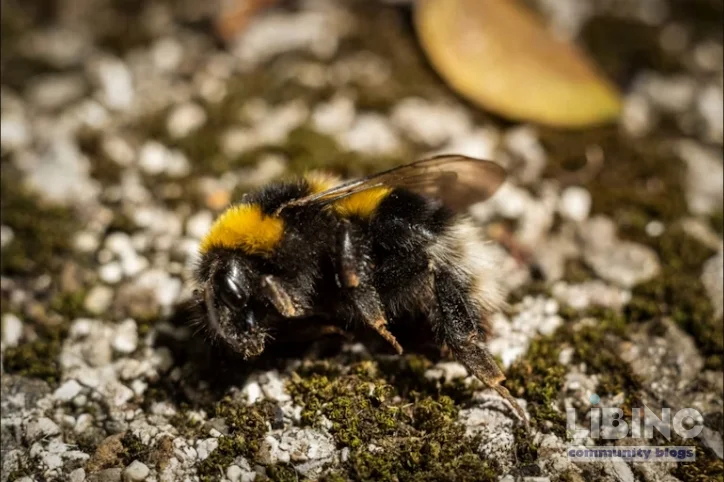
The summer pavement shows of dead bumblebees are not random. They reveal systemic stress signals in a pollinator group that supports a large fraction of global crop production and wild flora. Bumblebees live in colonies where workers have short lifespans, typically 4–6 weeks, and the colony relies on rapid turnover to limit disease spread. When heat spikes arrive, energetic demands rise, and mortality climbs as flight and foraging efficiency decline. This is not merely a weather event; it is a stress multiplier that amplifies other pressures facing pollinators.
Thermal stress from extreme heat is more than a numbers game. It shifts energy budgets, reduces foraging windows, and alters brood development in ways that can lower colony growth year over year. Urban heat islands, farmland margins, and even small garden microclimates shape the microhabitats bees must exploit. The result is a balance sheet of risks that leans toward population decline when heat aligns with habitat constraints and chemical exposures. Phenological mismatch—the misalignment between when flowers bloom and when bees are active—emerges as a key mechanism linking heat to reduced nectar availability and lower reproduction. This is a clear indicator of how climate dynamics intersect with ecological timing to drive pollinator decline.
Pesticide exposure compounds heat stress. Organophosphates, synthetic pyrethroids, and phenylpyrazoles can paralyze insects and disrupt navigation. Even when lethal doses are rare, sublethal exposures degrade foraging efficiency, reduce navigation accuracy, and erode the bees’ ability to locate reliable nectar sources. While the most harmful neonicotinoids have been restricted in the EU and the UK, other chemicals remain in routine use and have measurable impacts on pollinator fitness and colony resilience. Such chemical pressures interact with heat to magnify mortality in hot summers.
In parallel, habitat loss and fragmentation erode the landscapes bees rely on. Housing development, intensive agriculture, and road networks remove floral resources and nesting sites, forcing bees to travel longer distances and exposing them to more hazards. The availability of nectar and pollen sources is a limited currency; when it dries up or becomes irregular, colonies cannot sustain brood production or maintain foraging in the hottest parts of the day. The ecosystem services bees provide—especially pollination—are acutely sensitive to these constraints.
To illustrate the practical implications, consider how a single hot spell can cascade through a landscape. Heat reduces bee activity during peak daylight hours when many flowers open, shifting foraging to marginal periods where nectar densities are lower. Pesticide residues accumulate in floral resources and in the bee’s tissues, leaving colonies less able to recover from heat exposure. The net effect is a higher likelihood of dead bees on pavements and a measurable drop in pollination services in nearby crops and wild plant communities.
Key takeaway: the drivers of mortality are interlinked. Heat stress, pesticide exposure, and habitat loss do not act in isolation; their combinations intensify risk. Understanding these interactions is essential to identify actionable interventions that reduce bee losses and preserve pollination services across landscapes.
Links between heat, foraging, and navigation
Bees regulate body temperature in flight and use visual cues to navigate. When temperatures exceed optimal ranges, wing cooling and heat dissipation become less effective, limiting flight endurance and nectar collection. Navigation errors induced by chemical exposure can cause misnavigation, leading bees away from productive foraging grounds. Taken together, these factors create a feedback loop that reduces colony vigor and increases worker mortality during hot spells.
LSI emphasis: ecosystem services and pollinator decline
Climate extremes and chemical exposures threaten pollination services, which underpin agricultural production and plant diversity. This systemic risk translates into a broader ecosystem service gap that communities cannot easily replace with artificial inputs. The pattern is clear: pollinator decline will accelerate if adverse drivers persist without targeted, ecosystem-based responses.
Contrast across landscapes and times
Not all environments impact bumblebees equally. Urban settings often provide durable floral resources through gardens and street plantings, yet they also present intense heat pockets and fragmented nesting sites. Agricultural margins can offer abundant nectar during bloom, but pesticide regimes and monocultures reduce temporal availability and plant diversity. Rural habitats may support richer floral mosaics, but fragmentation and soil disturbances can still erode nesting opportunities. The consequence is a landscape mosaic in which bumblebees experience very different risk profiles, yet the shared trend is vulnerability during prolonged heat and systemic disturbance.
In cities, pollinator-friendly planting can create continuous nectar corridors if managed with seasonal variety. But if plantings rely on non-native ornamentals or are mowed aggressively, the net nectar supply can shrink. In agricultural contexts, nearby hedgerows and wildflower margins can act as lifelines for bee populations, buffering them from pesticide exposure and heat by offering shelter and alternate foraging routes. The practical implication is that landscape design choices directly influence the probability of bee survival during hot summers and long dry spells.
LSI: Habitat loss and urban planning choices determine bee exposure to heat and toxins, shaping the local pollination services and the resilience of crops and wildflowers in the area.
Cause-and-effect pathways: from stress to mortality
The pathways from stress to mortality in bumblebees are multi-layered. Heat increases energy demands during foraging, narrows the foraging window, and reduces brood production. Pesticides disrupt key neurological functions, reducing flight precision and limiting food intake. Habitat loss reduces the spatial and temporal availability of nectar and nesting sites, forcing bees to adopt riskier foraging strategies and exposing them to harsher conditions. Phenological mismatch compounds these effects by misaligning nectar availability with bee activity windows.
When heat, pesticides, and habitat loss align, colonies face a combinatorial stress load. The immediate effect is higher daily mortality, visible as more dead individuals on pavements in the hottest hours of the day. The longer-term effect is reduced brood output, smaller colony sizes, and a diminished capacity to recover after disturbance. This cascade reduces the population stock and undermines pollination supply across native flora and crops.
In this context, even small improvements in habitat quality or reductions in chemical exposure can have outsized effects on colony success. Protecting diverse nectar sources across seasons, maintaining nesting habitat, and using pesticides sparingly are practical levers that can shift the trajectory away from decline toward stability. The key is to act on both micro- and macro-scale drivers in concert.
Phenological mismatch remains a particularly knotty problem, because it depends on climate trends and plant–pollinator interactions that unfold over years, not days. If future springs bring earlier flowering while bees fail to emerge in time, nectar scarcity becomes chronic and population recovery slows. Conversely, aligning flowering times with bee emergence helps sustain brood production and maintains population baseline even during heat spells.
LSI: The timing mismatch between flowering plants and bee activity is a critical driver of reduced nectar availability, threatening long-term pollen dynamics and crop yields.
Expert reconstruction and actionable steps
Experts converge on a set of practical, evidence-based steps designed to strengthen bumblebee resilience. First, reduce the ecological load from pesticides by adopting integrated pest management and non-chemical controls where feasible. Second, increase habitat diversity by planting a wide range of native flowering species that bloom across the season, and by leaving some lawn unmown to provide nesting opportunities and nectar sources. Third, create and connect habitat corridors that enable safe movement across urban and rural landscapes, reducing the need for bees to cross hazardous areas. Fourth, monitor local bee populations and flowering phenology to detect mismatches early and respond with targeted habitat adjustments.
From a policy perspective, supporting nature-friendly farming models and urban planning that prioritizes pollinator-friendly margins and green infrastructure can magnify benefits. Homeowners play a pivotal role: their garden choices can create micro-habitats that sustain bees during heatwaves, while communities can implement flowering corridors that stabilize food supply across seasons. In all cases, actions should be proportionate, locally appropriate, and informed by ongoing monitoring data.
Emerging research emphasizes the importance of preserving a mosaic of floral resource types to minimize exposure risks and maximize resource continuity. This includes limiting the use of harmful pesticides, prioritizing native nectar sources, and ensuring habitat patches are large enough to support viable colonies. The long-term payoff is a resilient pollination network that sustains crops, biodiversity, and the broader ecosystem services that society relies on every day.
LSI: Integrating habitat restoration, reduced chemical inputs, and habitat connectivity supports pollination services and enhances ecosystem resilience to climate variability.
Closing perspective
Bees are not a single species problem but a landscape-scale indicator of ecological health. The actions above are feasible, locally adaptable, and capable of altering the current trajectory of bumblebee mortality. By treating heat stress, pesticides, and habitat loss as connected challenges, communities can safeguard pollination services essential to food security and biodiversity.
Bridging the gap: practical, scalable actions for resilience
Even as heat, pesticides, and habitat loss interact to stress bumblebees, there are concrete actions communities can implement now. The strongest results come from linking home gardens, farms, and public spaces into a continuous nectar and nesting network that supports habitat connectivity and resilient brood development. This compact plan emphasizes native nectar plants, low-chemical management, and season-long resources so foraging during hot spells remains productive without exposing bees to unnecessary toxins.
| Intervention | Change | Setting | Example |
|---|---|---|---|
| Native nectar corridors | Continuity of foraging across seasons | Urban and rural | Seed native bloomers from early spring to late summer |
| Integrated pest management | Lower chemical exposure | Fields, gardens | Biocontrols, pheromone traps, targeted timing |
| Nesting habitat mosaics | More reliable brood sites | Margins, yards | Leave tussocks, standing grass patches |
| Seasonal flowering plan | Steady nectar density | All settings | Early, mid, late bloom species |
| Habitat-rich margins | Buffer against heat and toxins | Agricultural land | Wildflower strips, hedgerows |
Understanding how these pieces fit yields practical gains. A city garden that links to a schoolyard meadow and a hedgerow buffer can deliver nectar during heat spikes when farms nearby pause spraying. That continuity supports brood growth and reduces the chance of sudden colony losses. When home owners implement a mix of native bloomers and nesting spots, pollination services extend into fall and even early winter in milder climates, supporting both crops and wildflowers.
Final steps emphasize a layered approach: plan for habitat connectivity, diversify nectar sources, and minimize chemical inputs. The goal is a resilient pollination network that supports crops and biodiversity even as climate patterns shift. Below are structured actions to guide communities and households.
- Short-term: replace broad-spectrum sprays with targeted controls and plant a diverse mix of native flowering species.
- Medium-term: create continuous nectar corridors by connecting existing greenspaces and margins.
- Long-term: maintain and monitor habitat patches, adjust plantings to flowering phenology, and scale up successful models across districts.
What are the main drivers of bumblebee mortality during heat waves?
During heat waves, bees face multiple stresses: high energy demand and reduced foraging windows, direct thermal stress that limits flight and brood development, and increased toxin exposure from residues on flowers. Habitat loss compounds these effects by shrinking nectar sources and nesting sites, while mismatches between flowering and bee activity amplify nectar shortages. Collectively, these pressures raise daily mortality and reduce brood production, lowering colony resilience over successive seasons. Understanding these drivers helps target actions that reduce risk without sacrificing crop yields.
In practice, residents can pair habitat expansion with pesticide-reduction strategies to blunt the heat-driven energy drain and keep colonies productive across summers.
How can urban planning improve pollinator resilience?
Urban planning that prioritizes continuous nectar sources, nesting habitat, and reduced chemical use can dramatically stabilize pollination services. Key moves include planting native flowering species in public spaces, creating connected greenways that link parks to schools, installing bee-friendly roofs, and maintaining less-mowed margins for nesting. Data-driven watering and seasonal bloom calendars ensure floral resources persist through heat waves. By weaving pollinator support into zoning, transportation corridors, and public spaces, cities become buffers against climate variability and pesticide exposure, sustaining crops and biodiversity alike.
What practical actions can homeowners take this season?
Homeowners can contribute immediately by selecting a layered mix of native bloomers that cover the full growing season, avoiding broad-spectrum sprays, and leaving small nesting pockets in unmown patches. Combining these with a simple water source and a windbreak plant cluster reduces heat stress and supports foraging. For example, a small yard can host spring bulbs, summer perennials, and autumn wildflowers, while a recessed bed provides shelter for ground-nesting bees. These steps are low-cost, scalable, and compatible with existing garden designs, delivering meaningful gains in pollination services locally.
What is the role of habitat connectivity and floral diversity?
Habitat connectivity lowers energy costs for foraging by reducing travel distances between nectar sources and nesting sites, which boosts brood production and colony survival year after year. Floral diversity ensures bees have access to nectar and pollen across different weather conditions and flowering windows, buffering against climate variability. When connectivity and diversity are combined, pollination services remain steadier, supporting crops and wild flora even during heat spells. This integrated approach strengthens the whole pollinator network rather than relying on a single intervention.
How can monitoring mitigate mismatches between flowering times and bee activity?
Monitoring phenology and bee activity enables early detection of mismatches and guides timely adjustments to plantings. Citizen science platforms, local botanical calendars, and seasonal bloom maps help managers align nectar supply with peak bee activity. When mismatches are detected, responses can include adding late-blooming species, shifting planting dates, or adjusting mowing schedules to preserve critical forage. Regular data sharing across neighborhoods builds a feedback loop that sharpens regional resilience to shifting climate patterns.







Add a comment
To comment, you need to register and authorize
Comments