

World Cup Fashion Marketing: An Analytical View on the 2026 Football-Tashion Convergence
Table of contents
- Analytics perspective
- Contrasts: Nike, Adidas, and the luxury spectrum
- Cause and effect: from jersey fever to MIV spikes
- Expert reconstruction: paths forward for fashion-football marketing
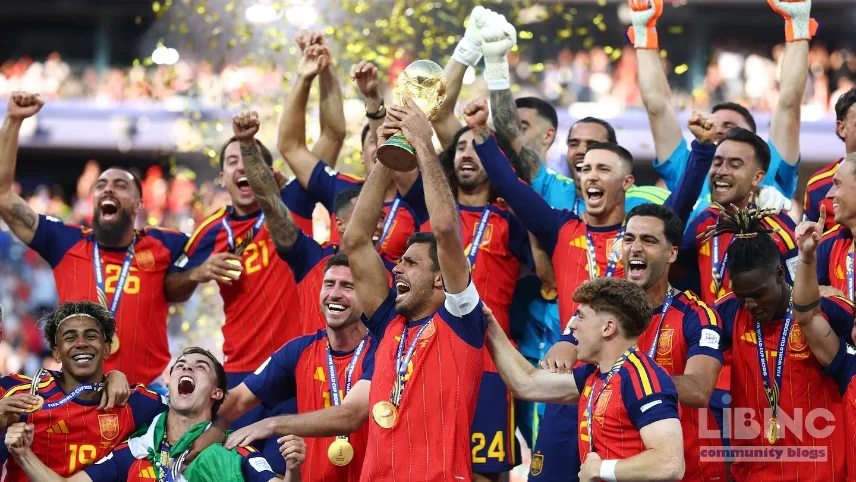
The FIFA World Cup has long been a stage for athletic achievement, but this year the event also functioned as the industry’s most significant sports marketing spectacle since the 2024 Paris Olympics. Spain’s on-field success coincided with a fashion and luxury cross-pollination that turned stadiums, venues, and social feeds into catwalks and product drops. This is not mere novelty; it signals a structural shift in how brands build presence, meaningfully extend reach, and translate global sports hype into durable cultural capital. The central question is not just who wore what, but why these fashion moments matter for brand equity and long-term consumer relationships. The World Cup fashion marketing phenomenon deserves careful, multi-dimensional analysis because it reveals how sport, luxury, and street culture converge to redefine value in real time.
At the core is a simple but powerful dynamic: the event functions as a global laboratory for brand activations, sponsorship orchestration, and cross-media storytelling. The scale is staggering. Nike and Adidas led the charge, turning the tournament into a living advertisement that bridged performance, culture, and celebrity. Nike’s Rip The Script, a six-minute campaign bridging athletes with mainstream icons from Travis Scott to Kim Kardashian, generated a reported 60.7 million dollars in media impact value (MIV). Adidas countered with a five-minute Backyard Legends spot featuring Timothée Chalamet and Bad Bunny, achieving about 22.4 million in MIV. These figures are not just numbers; they map a strategic logic: tie sport to pop culture, create repeatable moments, and measure uplift in real time. The fitness-to-fashion axis becomes a lever of brand heat, not a stand-alone campaign.
Beyond the giants, brands at every tier leveraged the World Cup platform. Levi’s orchestrated a reactive marketing moment by capitalizing on FIFA’s signage rules, wrapping the Levi’s Stadium sign so the logo remained visible while social channels echoed the same visual constraint. This move exemplifies how a brand can bend, rather than break, the regulatory frame to generate a visible “hook” that travels across digital and retail ecosystems. The result was a tangible demonstration of how constraints can catalyze creativity in marketing design and social storytelling. In an era where authenticity is currency, Levi’s approach showed that brands do not need to violate rules to win attention; they can reinterpret them aesthetically.
As the World Cup footprint leaned heavily toward the United States, brands found the world’s largest luxury market acting as both backdrop and amplifier. The convergence of high-end fashion houses with football culture yielded a broader lesson: luxury brands can translate athlete-facing prestige into consumer-accessible signals without diluting core identity. This is important because it reframes the typical risk of “luxury on the field” into an integrated, omnichannel expression that resonates with both hardcore fans and casual observers. The question then becomes how to sustain this momentum through 2030 and beyond, turning momentary spectacle into enduring brand equity.
Analytics perspective on World Cup fashion marketing
The analytics frame centers on how the World Cup catalyzes value creation across media, sponsorship, and product distribution. In this sport-marketing ecosystem, data points illuminate patterns that are not immediately visible from the on-pitch drama alone. The numbers drive a narrative about where impact actually lives: in the alignment between what fans want to wear, what the brand promises, and how those promises are delivered across channels.
From a data angle, three clusters emerge as the most informative for World Cup fashion marketing analysts:
- Campaign resonance and media impact – MIV (media impact value) serves as a proxy for the effectiveness of cross-media storytelling. Nike’s Rip The Script demonstrates how a six-minute spot can form the backbone of a broader campaign, with spillover effects into social, retail, and experiential activations. The measured MIV signals not only reach but also the quality of engagement that translates into brand heat and future equity.
- Official vs. non-official sponsorship dynamics – Adidas, as FIFA Partner, benefits from pervasive in-game visibility—from the ball to referee attire—producing a different quality of exposure than Nike’s pop-cultural approach. But brands like Levi’s found alternative routes that circumvent or reinterpret signage restrictions, suggesting that the “economic moat” of official sponsorship can be complemented by agile, culturally resonant activations off the field.
- Product-layer performance and consumer demand – Jersey sales, drops, and collaborations provide a window into consumer sentiment and demand elasticity. For instance, Mexico-branded Adidas merchandise saw strong activity, while Nike leveraged collabs with Patta, the Virgil Abloh Archives, and Travis Scott to sustain momentum in fashion-forward segments. These patterns underscore the dual-requirement of performance-based branding and fashion-forward product strategy.
The analytics story also highlights how retail ecosystems respond to events. StockX’s data showed that the top two apparel releases in early 2026 were Nike soccer jerseys, including a Ronaldinho Barcelona reissue and a Team England jersey from the X2 collection designed by Palace. Adidas countered with designer-driven collaborations. This two-way traffic—high-fashion crossovers meeting authentic team apparel—illustrates how the market rewards fashion-forward interpretations of national and club identities. In short, the World Cup again proves that fashion-football marketing is not a single-channel play; it’s an integrated, consumer-sensing system that rewards nimble product and narrative alignment.
Why this matters is not simply about a spike in sales during the event. It matters because it reveals how brands can structure long-term relationships with fans by creating rituals around drops, premieres, and limited editions that live beyond the tournament window. The consequence is a more resilient brand architecture that tolerates the volatility of sports cycles yet remains culturally relevant in between events. The takeaway: the most successful campaigns do not chase attention for six weeks; they convert attention into ongoing consumer preference through repeatable, culturally resonant moments that survive the heat of a single season.
Contrasts: Nike, Adidas, and the luxury spectrum
The World Cup put Nike, Adidas, and luxury fashion on a comparative treadmill that exposed both strengths and vulnerabilities. Nike’s strategy leveraged pop culture crossovers to generate widespread visibility and social conversations. Adidas, with an official status that guarantees high on-pitch presence, created a different kind of monetizable visibility—one that is deeply embedded in the match experience and official assets. Meanwhile, luxury brands discovered a complementary path: leveraging players and off-pitch moments to build prestige without compromising on-field control or sponsorship constraints.
Several contrasts emerge from the data and observed tactics:
- Visibility vs. affinity – Adidas dominated in-game visibility through official channels, while Nike built cultural affinity through celebrity associations and creative storytelling that resonated with younger audiences. The result is two modes of impact: one anchored in formal rights and the other in cultural relevance.
- Brand control vs. brand magnetism – Official partners maintain control over how and when assets appear. Celebrities and collaborations, in contrast, generate magnetism that travels across disparate platforms without direct sponsorship leverage. This dichotomy matters for marketers planning the next cycle: either tighten rights-based control or cultivate a more fluid, culture-driven ecosystem.
- Mass-market demand vs. luxury signaling – The World Cup created spikes in jersey sales and casual-wan jewelry for mass-market fans, while luxury brands leaned into the spectacle through luxury-labeled accessories and player-fan moments. The synergy here sits in cross-pollination: luxury aura elevates mainstream items, and mainstream demand expands luxury reach in a sport context.
Levi’s episode is instructive: a denim brand can stage a clever, symbolic action that aligns with a global event’s aesthetics without violating FIFA’s signage rules. That approach demonstrates how a brand can participate in a high-stakes global moment without being a top-tier sponsor. The broader implication is that the most effective World Cup fashion marketing blends official rights with creative, legally permissible, and culturally salient work that travels through social and retail ecosystems.
From a product-design perspective, the interest lies in how on-pitch gear and off-pitch fashion inform each other. The Team USA jersey’s “wave” motif, which captured collector attention, sparked a secondary effect: design inspiration crosses into lifestyle apparel and streetwear partnerships. Nike’s collaborations with Patta and Virgil Abloh’s archives point to a strategy where the brand’s street-fashion credibility spills over into performance-wue. Adidas’ cross-brand drops with Willy Chavarría, Bape, and Brain Dead expand the conversation of what “football fashion” means in a global marketplace. What matters is not merely the artifact but the story around it and where that story travels next.
These contrasts illustrate a broader trend: luxury fashion is not cloistered within couture confines; it thrives when it participates in the ritual of sport and spectacle. The players’ personal moments—whether Haaland attending a Dolce & Gabbana show after a World Cup run, or a rising star like Jules Koundé becoming a style reference—create a halo effect that accrues to the brands associated with those moments. The business logic is simple: fashion-football marketing succeeds when it aligns with the passions of fans and the credibility of players, while preserving a sense of belonging across both sport and style communities.
Cause and effect: from jersey fever to MIV spikes
The World Cup’s marketing effects extend beyond immediate impressions and short-term sales. The event’s ability to generate durable interest depends on the cascade of cause-and-effect relationships it triggers across consumer behavior, media ecosystems, and brand strategy.
One key mechanism is the reinforcement loop between on-field performance, off-field fashion moments, and consumer purchase behavior. When a nation’s team is successful, its jersey becomes a symbol of national pride and a garment associated with aspirational identity. The resulting demand drives retail activity, which then reinforces the brand’s cultural relevance across global markets. The pairing of cultural moments and performance creates a double lift: a boost in brand heat and a deeper emotional connection between fans and the brand’s narrative.
- Media amplification – Campaigns anchored by cultural ambits (pop icons, music collaborations) generate broader reach and conversation beyond the stadium. This amplification creates spillover effects that improve a brand’s search visibility, social sentiment, and earned media value across geographies.
- Collaborative ecosystems – The partnerships with streetwear labels, artists, and archives create multi-faceted product lines that appeal to diverse consumer segments, expanding the brand’s addressable market within the World Cup context and beyond.
- Signage and regulatory strategies – Branded activations that navigate FIFA’s signage rules demonstrate how teams, retailers, and brands can maintain visibility without infringing sponsorship agreements, enabling a broader narrative about brand creativity in restricted environments.
The consequence of this dynamic is a more resilient, culturally attuned branding approach. Brands that can translate the energy of a live match into tangible design language—whether through apparel drops, digital-first campaigns, or experiential events—build a durable connection with consumers that persists past the final whistle. In practical terms, marketers should view World Cup fashion marketing as a long-tail strategy: start with a surge of attention, then convert it into ongoing affinity via content, collaborations, and inclusive storytelling that encompasses fans at every level of fandom.
The question for 2030 is not merely how to replicate this success but how to enhance it by aligning more closely with emerging style icons and regional markets. Haaland’s cross-sector appeal hints at a template where athletes serve as style ambassadors without compromising the integrity of the brand or the sport. Brands that experiment early with authentic, culturally grounded collaborations while maintaining performance credibility will likely outperform those that treat the World Cup as a one-off event.
Expert reconstruction: paths forward for fashion-football marketing
Looking ahead, the next World Cup cycle should progressively emphasize a framework that blends authenticity, culture, and measurable business impact. The core premise is that fashion-football marketing must feel earned, not engineered, and must deliver value across multiple touchpoints, including product, media, retail, and fan experiences.
Key strategic directions for brands, teams, and agencies include:
- Authentic partnerships over opportunistic stunts – Align with designers, artists, and creators who have genuine resonance with the sport’s communities. The most durable collaborations come from shared values and long-run commitments rather than episodic drops.
- Long-term brand architecture – Build a wardrobe narrative around national teams and club identities that can evolve across seasons. Move beyond event-driven capsules to year-round collections and co-created lines that reflect evolving style icons and fan identities.
- Data-informed creativity – Use MIV, consumer sentiment analysis, and real-time social listening not just to measure impact but to steer creative direction. The goal is to improve both immediate engagement and the probability of future conversion.
- Regional specialization within a global framework – The US market’s prominence requires culturally nuanced fashion storytelling that respects local tastes while remaining globally coherent. Regional flexibility should be built into the strategy from the outset.
- Sustainability and supply chain transparency – As fans demand more responsible fashion, marketing must foreground ethical sourcing, circular design, and transparent messaging about product life cycles, especially for limited editions and high-cost collaborations.
From a measurement perspective, the value of World Cup fashion marketing should be assessed through a composite of metrics beyond traditional MIV. Consider brand lift studies, share of voice in football and fashion conversations, cross-channel attribution, and long-term impact on brand equity scores. The champions will be those who blend rapid, media-driven moments with durable, culturally attuned product lines that fans can wear beyond the stadium.
In conclusion, the World Cup has evolved into a dynamic marketplace for fashion and luxury brands. The era of the single-silo sports campaign is fading as brands become adept at weaving football identity into broader cultural narratives. The next cycle promises richer collaborations, deeper regional resonance, and a more sophisticated approach to measuring impact—one that captures both the thrill of the game and the enduring appeal of style.
| Region | Strategy | Example | Outcome (illustrative) |
|---|---|---|---|
| North America | Regional fashion-forward drops | US-market jersey capsule with local designers | Lift in regional relevance; approximate uplift 8–12% |
| Europe | Cross-cultural partnerships | Designer collabs tied to football heritage | Sustained engagement, ~5–9% uplift |
| Asia-Pacific | Local streetwear blends | Tokyo/Seoul artist labs with football cues | Broader appeal, ~4–8% uplift |
| Latin America | Community-driven activations | Local signings and regional drops | Deep fan loyalty, around 6–10% uplift |
Key idea: Treat the World Cup as a year-round regional engine, not a single window. Build wardrobes that tell local stories, while maintaining a global spine that keeps the brand coherent across markets. This approach supports the LSI concepts of regional marketing strategy and sustainable fashion without losing the core performance narrative.
The missing thread is a practical, region-specific playbook that blends authentic partnerships with clear sustainability signals. Below is a concise framework to operationalize this in the coming cycles.
Key metrics snapshot
- Regional forward uplift: NA 8–12% in 12 months
- Cross-market collaboration impact: Europe & LATAM 5–9%
- Sustainability disclosure: 60% of new drops include lifecycle data
Implementation steps include establishing regional design labs, scheduling year-round drops aligned to local football calendars, and ensuring transparent supply chain storytelling. By weaving authentic partnerships with regional cultural cues and sustainable messaging, brands can convert tournament excitement into durable consumer relationships.
Playbook for 2027–2030
| Step | Action | Example | KPI |
|---|---|---|---|
| 1 | Form regional design labs | USA x local streetwear collective | New SKUs per region |
| 2 | Commit to year-round drops | Quarterly capsules in NA, EU, APAC | Sales consistency vs. event peaks |
| 3 | Embed sustainability storytelling | Lifecycle data on product pages | % drops with lifecycle transparency |
| 4 | Measure regional share of voice | Regional sentiment dashboards | Brand lift per region |
In sum, a coherent, regionally tuned, sustainability-forward framework helps convert World Cup energy into enduring brand equity across markets while keeping the storytelling authentic and responsible.
How can brands turn World Cup fashion moments into lasting brand equity?
In practice, the strongest approach treats the World Cup as a launchpad for year-round narratives, aligning authentic partnerships with regional relevance to build ongoing equity across product, media, and retail channels. This strategy emphasizes co-created products, transparent storytelling, and consistent quality across markets. By weaving regional identities into a global brand spine, companies create durable connections that endure beyond the tournament. The result is a broader, more resilient brand presence rather than a single event spike.
More depth comes from metrics, regional experimentation, and long-term collaboration, which turn attention into preference and repeat purchases.
What role do regional markets play in fashion-football marketing?
Regional markets shape the pace, style, and partnerships of campaigns. A regional playbook positions local designers, cultural cues, and sustainability expectations at the center of product development and storytelling. This alignment drives relevance, increases share of voice in diverse communities, and supports year-round demand rather than event-driven surges. When regions see their cultural narratives reflected in drops and activations, brand affinity deepens and lifetime value improves across the global brand ecosystem.
How should sustainability be integrated into World Cup collections?
Sustainability should be embedded in the design and messaging from inception. This includes transparent lifecycle data, responsibly sourced materials, and clear statements about product longevity and recyclability. Use limited editions to showcase circular design, publish supply chain ethics, and partner with credible environmental organizations. Consumers increasingly reward brands that prove accountable practices alongside compelling aesthetics, turning responsible choices into a competitive differentiator.
What metrics beyond MIV best capture impact?
Beyond MIV, track brand lift across regions, share of voice in football and fashion conversations, cross-channel attribution, and long-term equity scores. Monitor regional conversion rates, average order value, and repeat purchase rates tied to specific campaigns. A practical dashboard links creative assets to outcomes, making it possible to optimize drops in real time while building durable brand health over multiple cycles.
What examples demonstrate authentic partnerships that work?
Authentic partnerships emerge when collaborators share values and audience overlap. Examples include designer labs with local brands, athletes who pursue fashion credibility with substance, and artists who understand both football culture and the broader streetwear ecosystem. The most durable collaborations are long-running rather than episodic, blending performance credibility with cultural resonance in ways fans perceive as genuine rather than opportunistic.
How should brands balance official sponsorship with cultural storytelling?
Balance comes from maintaining rights-based visibility while enabling culture-driven moments outside official channels. Use official assets for stadium-scale presence, but cultivate off-pitch activations that travel across social, retail, and experiential platforms. This dual path preserves sponsor value while enabling magnetism through celebrities, artists, and regional creators who deepen emotional engagement with fans.




Add a comment
To comment, you need to register and authorize
Comments