

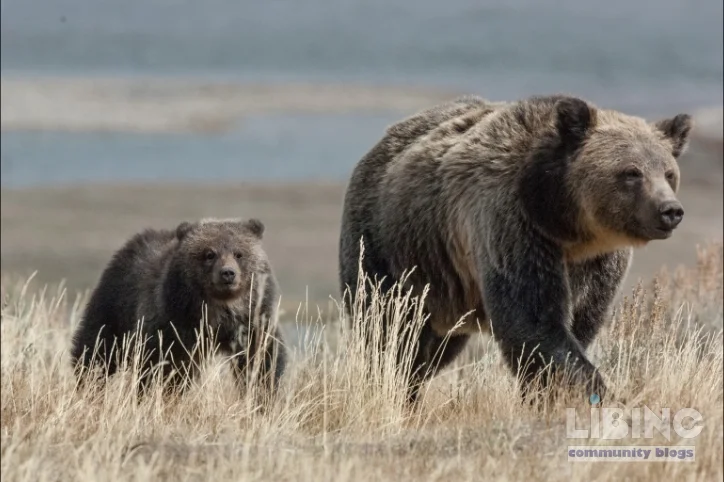
Wildlife safety in national parks: a data-driven guide to reducing encounters and injuries
Summer crowds fill U.S. national parks, and with them rise the chances of encounters with wildlife. The risk is not just about dramatic scenes in jaw‑dropping landscapes; it translates into ER visits, displaced animals, and altered visitor experiences. Wildlife safety in national parks is a shared responsibility that hinges on understanding animal behavior, maintaining distance, and choosing actions that protect both people and wildlife. This article uses an analytical framework, contrasts across ecosystems, cause‑and‑effect reasoning, and expert perspectives to show how to reduce risk while preserving the privilege of witnessing wildlife in its natural setting.
From the bison in Yellowstone to the squirrels at Grand Canyon, safety is not about fear but about discipline. A single misstep—stepping closer for a selfie, feeding an animal, or entering water where an alligator lurks—can escalate danger rapidly. Bear safety in national parks and related guidelines apply across species: distance is the first line of defense, and habituation is the silent accelerator of risk. The stakes are real: injuries, hospitalizations, and long‑term ecological costs when people push boundaries.
The data tell a clear story: the majority of fatal encounters involve dogs and farm animals, with venomous insects following, yet thousands suffer injuries each year from encounters that do not make headlines. In this light, wildlife safety in national parks becomes not a hobbyist concern but a public‑health imperative that requires consistent behavior from visitors and proactive management by park staff.
To navigate this risk, the article unfolds in four analytical moves: a data‑driven look at incidents, a contrast between environments, a cause‑and‑effect explanation of risky behavior, and an expert reconstruction of best practices. By the end, readers will understand not only what to do, but why those actions matter for both humans and wildlife.
Table of contents
- Analytics perspective
- Contrasts across environments
- Cause and effect: how behavior escalates risk
- Expert reconstruction: practices from rangers and researchers
Analytics perspective: mapping risk by species, geography, and behavior
The analytics view treats risk as a function of species behavior, geography, and human actions. The 2018–2023 period records 1,604 fatalities related to animal encounters, with dogs and farm animals responsible for the largest share, and venomous insects such as hornets, wasps, and bees contributing a nontrivial number of fatalities as well. This distribution reveals two layered insights: fatalities cluster where proximity and unpredictable actions combine, and non-fatal injuries occur broadly across many encounters that visitors experience in daily park life. Wildlife safety in national parks thus hinges on understanding where the danger concentrates and how even routine violations compound risk.
Distance emerges as a quantifiable, universally applicable variable. Large herbivores and apex predators can accelerate from stillness to a charged approach in fractions of a second, especially when environmental cues—wind, water, or a sudden noise—redirect their attention toward people. Bison, for example, can run up to 35 mph and pivot rapidly, overturning the assumption that size buys safety. The practical implication is a tiered buffer: roughly 100 yards from bears, wolves, and big cats; approximately 25 yards for most other wildlife; and additional caution around water‑adjacent species such as alligators. This buffer is not arbitrary; it reflects observed reaction times, escape strategies, and the physical realities of different habitats. Implementing such distance guidelines is a core component of wildlife safety in national parks and a reliable predictor of incident reduction across ecosystems.
Habituation remains the most pernicious amplifier of risk. When animals learn that humans can provide food, their behavior shifts: they approach more boldly, test boundaries, and lose the natural wariness that keeps encounters manageable. This pattern is not exclusive to charismatic megafauna; even small mammals can become aggressive or uncooperative when food is involved, creating unpredictable safety outcomes for visitors and staff alike. Kupper and other park officials emphasize that feeding wildlife is illegal, dangerous, and counterproductive for conservation goals. The consequences extend beyond a single moment of risk: habituated populations may become more difficult to manage, increasing the likelihood of relocation or euthanization in extreme cases. Reducing habituation through public education and strict enforcement is therefore central to wildlife safety in national parks, protecting both people and ecological integrity.
Alligators illustrate habitat‑specific risk within a broader food‑web logic. The Arthur R. Marshall Loxahatchee National Wildlife Refuge notes that alligators can be within 10–15 feet on dry ground but remain significantly more dangerous in water, where stealth and ambush dynamics dominate. Splashing near the water’s edge is a known trigger for erratic alligator responses, and the risk profile shifts with weather, season, and prey availability. This exemplifies why a one‑size‑fits‑all rule falls short: effective wildlife safety in national parks requires tailoring guidance to local species and landscapes. Visitors should prefer dry ground whenever possible, avoid verging on animal habitats, and comply with roped or signposted boundaries that mark safe zones. The analytic takeaway is that risk is situational and requires adaptable, place‑based rules rather than rigid universal cautions.
Contrasts across environments: different species, different risk profiles
Different parks present distinctive risk tapestries that shape how visitors should behave. Alaska’s moose, with their mass and sometimes unpredictable behavior during rut, account for more injuries than bears on a yearly basis, underscoring how animal prominence and periodical aggression alter safety dynamics. Yellowstone’s bison are notorious for charges that can occur without obvious provocation, reminding us that apparent slowness can be deceptive when the animal is startled or protecting calves. The core contrast is not the presence of danger alone but the speed, maneuverability, and decision‑making capacity of the animal in its habitat. Wildlife safety in national parks must therefore incorporate regional behavior profiles and field conditions to guide responsible visitor conduct.
Within each region, the same central principle persists: keep a respectful distance, avoid provoking behavior, and do not attempt close‑range photography or selfies. The Grand Canyon area, where even small mammals can injure visitors, illustrates how misinterpretation of risk—thinking a squirrel bite is trivial—can escalate into medical needs in remote settings. The regionally tailored risk messages—from water safety around alligators to buffer zones for large predators—support safer experiences without sacrificing opportunities to observe wildlife in its natural context. In practice, effective wildlife safety in national parks translates to clear, visible guidance, consistent enforcement, and a culture of restraint among visitors that acknowledges animals as sentient inhabitants rather than exploitable moments for social media.
Cause and effect: how behavior escalates risk
Root causes of dangerous encounters are often simple and human‑driven. A moment of curiosity—getting close for a photo, attempting to grab a seemingly harmless object, or disregarding posted warnings—can trigger a defensive or aggressive animal response. The causal chain is legible: human action prompts animal reaction; the human misreads animal cues and advances, increasing the risk of a violent encounter. Recognizing this causal pattern is essential for anyone who wants to reduce harm while enjoying wildlife in national parks. It reframes risk from a random occurrence to a predictable sequence that can be interrupted by prudent decisions at the onset of a potentially risky situation.
Food is the most potent system amplifier in the wildlife safety equation. When people feed animals or leave edible residues, habituation accelerates and animals reconfigure their foraging strategies around humans. A fed animal tends to associate humans with easy meals, loses natural wariness, and becomes a recurring threat to people in adjacent areas. The maxim that a fed animal is a dangerous neighbor holds true across species and habitats, from bears in mountain forests to alligators along riverbanks. This causal chain justifies preventive actions—secure food storage, use of bear canisters or lockers, and strict adherence to food‑storage regulations—as essential components of wildlife safety in national parks and broader conservation ethics. Such preventive steps transform potential incident chains into near misses or non‑events, protecting both visitors and wildlife from unnecessary harm.
Even seemingly minor actions near water bodies can spark a cascading risk. Alligators and other apex predators exploit edge habitats where people tend to linger or wade. A single startled lunge or sudden movement can trigger a quick, forceful response, turning a benign exposure into an emergency. The chain of causation here reinforces the message that risk mitigation rests on maintaining distance, avoiding splash activities, and respecting posted boundaries around aquatic zones. By understanding these cause‑and‑effect relationships, visitors can choose behaviors that minimize harm and preserve ecological balance while still enjoying time outdoors in national parks.
Expert reconstruction: practices from rangers and researchers
Experts converge on a concise set of actionable practices designed to minimize risk and preserve wildlife health. The central rule is discipline: maintain distance, do not feed, and observe wildlife from a safe, respectful vantage. Distance buffers—approximately 100 yards from large predators and herbivores such as bears, wolves, and big cats; about 25 yards for most other wildlife; and extra caution around water edges where alligators or crocodilians may lurk—translate into concrete behaviors, such as stepping back slowly when a bear appears on a trail or hillside, securing food containers, and keeping children and pets under close supervision. These measures are not fear mongering; they are practical guidelines grounded in observed animal responses and risk modeling that minimize human–wildlife conflicts.
The management dimension of wildlife safety in national parks focuses on preventing habituation and ensuring consistent visitor education. Effective food‑handling policies, visible signage, and proactive staff presence near high‑traffic wildlife zones reduce the likelihood that a casual visitor accidentally creates a dangerous interaction. Florida refuges, for example, emphasize ongoing collaboration among staff, volunteers, and scientists to curb alligators’ attraction to human food. The aim is not punitive enforcement alone but preventive programming that makes safe behavior the easier path. This approach preserves opportunities for safe wildlife viewing while maintaining ecological integrity and public health within park boundaries.
Ultimately, the expert view stresses that safety and conservation reinforce one another when visitors act with humility and forethought. The right approach balances opportunity with caution: respect for animal autonomy, clear boundaries, and a plan for emergencies should the unexpected occur. By integrating data, regional knowledge, and field experience, parks can sustain memorable wildlife moments without compromising safety or animal welfare. The practical ethic is straightforward: choose restraint, prepare for risk, and recognize that the privilege of seeing wildlife in its home is best maintained through disciplined, informed action by every visitor.
In sum, wildlife safety in national parks is achievable through a combination of data‑driven rules, regionally tailored guidance, a robust understanding of cause and effect, and practical, expert‑driven procedures. Visitors who internalize these principles will experience the wonder of wildlife while contributing to a safer, more sustainable park system for future generations. The core message is not to fear wildlife but to respect the distance, the rules, and the ecological boundaries that keep people safe and wildlife undisturbed.
Practical encounter steps: a quick decision guide
The most effective risk reduction comes from a brief, repeatable response you can apply in the field. A simple sequence works: pause, assess, distance, act, retreat if needed.
- Pause and lower movement; avoid gestures that trigger startle responses.
- Assess: identify species, current distance, and any agitation signals.
- Distance: keep buffers of about 100 yards from large predators, 25 yards from most wildlife, and more around water edges.
- Act: back away slowly, do not run or turn your back.
- Retreat: create space and give animals a clear escape.
Scenarios: a bear on the trail? Back away slowly; a distant bison herd? Let them pass; an alligator near shore? Move to dry ground and avoid splashing.
| Wildlife | Distance | Notes |
|---|---|---|
| Large predators | ~100 yards | Room to retreat |
| Most wildlife | ~25 yards | Use binoculars |
| Water-edge predators | Keep to dry ground | Avoid splashing |
| Small mammals/birds | Varies | Do not feed |
Habituation remains a key risk amplifier. When animals learn to associate people with food, they approach more boldly. Enforce food storage, educate visitors, and keep pets leashed. This discipline protects people and wildlife alike.
Familiar animals respond more readily to people, underscoring the need for consistent food rules and signage.
Bottom line: respect boundaries, watch for posted warnings, and tailor actions to the local habitat. Consistency across parks keeps people safe and wildlife undisturbed.
| Action | When | Benefit |
|---|---|---|
| Back away slowly | When an animal approaches | Prevents escalation |
| Speak calmly | Within hearing range | Reduces surprise cues |
| Secure food | Never leave it unattended | Stops habituation |
These steps convert knowledge into field-ready behavior that protects visitors and wildlife.
How can I stay safe when wildlife viewing in national parks?
To stay safe while wildlife viewing, you should start with disciplined distance, deliberate observation, and a plan for emergencies, because casual approaches to animals often trigger defensive reactions and can escalate minor situations into dangerous incidents. The most reliable approach is to combine firm boundaries, prepared equipment, and awareness of local species behavior, while staying on established trails and in areas designated for visitor viewing. This first move, then, anchors your actions in safety and conservation, reducing the likelihood of startling an animal or blocking an escape route or forcing an unpredictable response. In practice, preparation includes knowing the park rules, storing food properly, and using viewing aids like binoculars rather than moving in close.
Depth: Ranger briefings, posted guidelines, and real-time observations reinforce the basic rule set. This combination helps visitors act with restraint, even when animals are visible from a distance, and supports conservation goals by limiting human-wildlife interactions that can escalate into harm.
What distance should I keep from bears, bison, or alligators?
Bear and large predator safety starts with distance: keep roughly 100 yards away to allow a clear retreat path and to avoid surprising the animal. For most other wildlife, a buffer of about 25 yards reduces the chance of sudden charges or startled reactions. Close water-edge predators like alligators require extra caution: stay on dry ground and avoid wading or splashing near the edge. These distances are designed to reflect animal behavior, reaction times, and habitat-specific risks, and they should be adjusted to local guidance from park staff and signage. Always err on the side of more space.
Depth: If you find yourself closer than recommended, back away slowly and give the animal space to move away.
Why is feeding wildlife illegal and dangerous?
Feeding wildlife disrupts natural foraging and habituates animals to human presence, increasing the likelihood of aggressive behavior, property damage, and public safety risk. When animals associate people with food, they lose their natural wariness and may approach vehicles, trails, or campsites, creating chronic hazards for everyone nearby. Legally, feeding wildlife is prohibited in most parks to protect both people and ecosystems. Enforcement, education, and clear food-storage rules work together to prevent habituation, safeguard wildlife health, and maintain visitor experiences.
Depth: Protecting wildlife health often requires staff supervision and community education to ensure proper food storage and waste management in high-use areas.
What should I do if a wildlife encounter happens?
Direct answer: pause, assess, and act by maintaining distance, avoiding sudden movements, and retreating slowly if the animal shows aggression or approaches too closely. In practice, keep your group together, avoid running, and use barriers like railings or vehicles for safety. If a close encounter seems inevitable, speak calmly and back away along your existing path to avoid cornering the animal. In many cases the best action is to give the animal an unobstructed escape route and wait for it to move away before continuing.
Depth: Park staff will provide guidance per species, habitat, and season; following their directions reduces risk and supports conservation goals.
How do park rangers help prevent habituation in wildlife?
Rangers implement a mix of education, regulation, and proactive management to prevent animals from relying on humans for food. This includes strict enforcement of food-storage rules, regular public messages about safe viewing distances, and visible staff presence in high-use zones. In practice, these efforts are complemented by community science programs and signage that reinforce the habit of keeping distance and securing attractants. The result is a safer environment for visitors and healthier ecosystems, because animals remain wary and wild, not conditioned to human presence.
Depth: Ongoing training and collaboration with researchers help adapt strategies to local species behavior and changing park conditions.
Are there region-specific safety tips for Alaska, Yellowstone, and Grand Canyon?
Yes. Regional tips reflect species patterns, terrain, and seasonal activity. Alaska emphasizes moose and bears and rugged backcountry safety, including planning for sudden weather shifts and remote emergencies. Yellowstone highlights bison behavior and thermal features, requiring strict distance and staying off closed areas near steam vents. Grand Canyon guidance focuses on water hazards, steep slopes, and wildlife like elk and coyotes, with clear boundaries and leash rules for pets. Across all regions, the core practice remains: observe from a distance, avoid provoking behavior, and respect landscape features that shape risk.
Depth: Local ranger briefings and park-specific maps provide the most actionable guidance for each site.





Add a comment
To comment, you need to register and authorize
Comments