

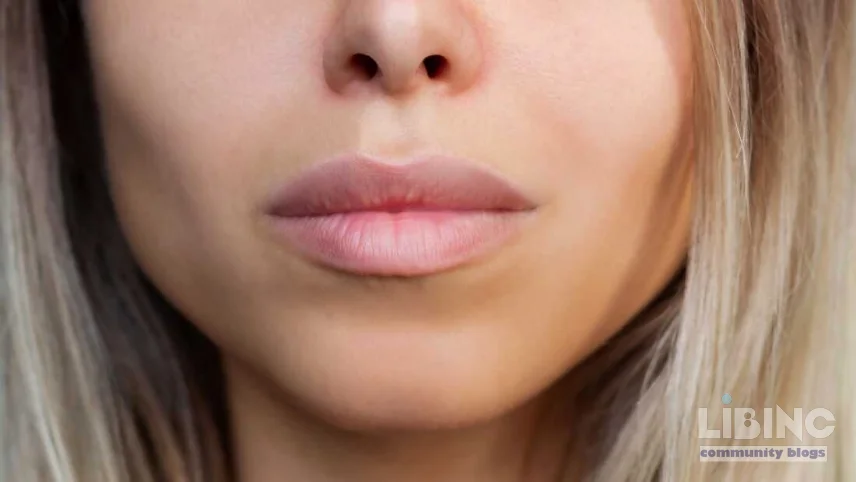
Instagram face, AI-driven beauty standards, and the erosion of reality: An analytical assessment
Instagram face has outlived its origin as a buzzword. Seven years after Jia Tolentino popularized the term, the phenomenon remains at the center of how audiences interpret beauty and reality on social media. It names a process by which filters, editing, and platform-era aesthetics converge with algorithmic optimization to produce a recognizable look: lifted cheeks, fuller lips, and a heart-shaped chin that feels both familiar and strangely provisional. This dynamic is not mere cosmetic trivia; it redefines incentives for young people, beauty professionals, and public figures who perform youth and vitality online. Tolentino argues that the real consequence goes beyond appearance: our relationship to what counts as evidence of a life well lived begins to fray. If faces become projects, what becomes of truth itself?
This analysis treats Instagram face as a symptom of a broader regime: AI-enhanced optimization embedded in social platforms, a mass adoption of looksmaxxing, and a cultural shift where imperfection becomes a problem to be managed rather than a normal facet of humanity. This is not a call to moral panic but a request for methodological clarity. By tracing origins, diffusion, and consequences, we reveal why the term persists and what it hides about power, technology, and self-perception in the digital era. The question is not only what we look like, but what we permit to count as genuine human experience in an image-saturated age.
Analytical overview of Instagram face
To understand why Instagram face endures, we must situate it at the intersection of aesthetics, technology, and market incentives. The term coalesced around a cluster of features that public figures and professional editors popularized, then rapidly became a default expectation for online beauty. The effect is not simply preference; it is a model of perception—what counts as desirable, credible, and alive in a digital stream. The phenomenon is reinforced by the very engines that surface content: novelty, immediacy, and replicability. In this sense, Instagram face is less a static template than a moving target shaped by data-driven taste-making.
The key mechanism behind its persistence is algorithmic amplification: platforms reward high-engagement images that conform to a narrow aesthetic, which in turn invites more creators to mimic that look. This creates a feedback loop where AI-driven optimization makes a specific facial form basketball-quickly normative, while audiences continually converge on a shared, filter-enhanced impression of beauty. The result is a visually recognizable pattern that feels universal, even as it remains curated and synthetic. This dynamic is inseparable from the broader shift toward AI-generated aesthetics that govern much of digital culture today.
The diffusion from celebrities to the general population is not accidental. Over time, overrepresented faces—those that already command visibility—become the standard reference for what “looks like” successful online femininity. The process translates into routine consumer behavior, where individuals chase a moving target—eyes that appear larger, lips that appear fuller, contours that read as youthful—through filters, fillers, and elective procedures. The effect is not only cosmetic; it reframes the very meaning of evidence in a world where imagery can be edited, enhanced, and delivered instantly. The outcome is a landscape where appearance can be optimized, but lived experience becomes increasingly difficult to verify visually.
Why does this trajectory matter for social reality? Because the mass adoption of a highly filtered look transforms everyday interactions. When the baseline of appeal shifts under our eyes, people learn to evaluate their self-worth through a digital metric rather than lived experience. This is not just a mere preference shift; it alters social signaling, workplace expectations, and even how communities negotiate safety, trust, and authenticity online. In short, Instagram face reshapes the social contract between presence and perception, with consequences that ripple through education, work, and personal identity.
From a critical standpoint, the phenomenon reveals a shallow relationship between image and truth. The aesthetic standard—engineered for capture and engagement—contributes to a broader culture of optimization that Tolentino links to a longer history of tech-driven enhancement across industries. When the face becomes a template for performance rather than a record of a lived life, society risks equating vitality with cosmetic alteration, progress with market-ready appearances, and reality with digitally curated versions of ourselves. The stakes are not merely about beauty; they concern how we understand evidence, memory, and personhood in the age of screens.
Historical contrasts: beauty norms across eras
To assess Instagram face, it helps to place it alongside prior beauty paradigms. The Kardashian-Jenner aesthetic, once celebrated as elite glamour, migrated from the page to the feed and then into everyday looks. Its power lay not only in the bodies of the famous but in the aspirational rhetoric that made their images feel attainable—an illusion of proximity built through social proof and repeated exposure. The shift from a niche celebrity ideal to a mass cultural standard underscores a broader trend: the democratization of influence paired with the centralization of digital gatekeeping. In practice, this means that the line between inspiration and imitation grows blurrier, and the cost of nonconformity rises accordingly.
During the late 2010s, the public imagination started to treat airbrushed images as a baseline rather than an exception. The standard was not a single look but a living set of cues—slightly altered proportions, skin-smoothing clarity, and a particular rhythm of facial movement optimized for cameras. The result is a paradox: the more accessible and varied the online world becomes, the more uniform the appearance that performs best within it. This paradox mirrors the cultural logic of the era: power is exercised through visible polish, while authenticity is increasingly discredited as a risky, unpredictable feature. The tension between glamour and realism becomes a new axis of social judgment in digital life.
Political and cultural signals further reinforce this dynamic. The public persona that once demanded a certain gravitas now often negotiates legitimacy through polish, polish that is easier to produce with devices and services rather than through time and lived experience. The comparison to other public-facing eras—whether the polished political theater of the late 20th century or the aspirational youth culture of earlier decades—highlights a continuity: societies use beauty to symbolize trust, competence, and vitality. Instagram face, then, is not an isolated trend but a manifestation of how contemporary culture assigns value to images that project control and immediacy.
This historical perspective clarifies a point Tolentino emphasizes: the insistence on optimization extends beyond aesthetics into social policy and political life. The same impulse that drives a cosmetic procedure or a curated selfie can mirror the governance styles that privilege appearance over nuance. The historical contrast reveals why a term like Instagram face persists: it encapsulates a persistent cultural algorithm in which visual optimization becomes a proxy for credibility, belonging, and even moral authority. Understanding this helps explain why the term has staying power and why its implications extend far beyond vanity.
Causes and consequences: mechanisms and effects
Several intertwined mechanisms propel Instagram face into everyday life. First, platform architectures reward a narrow, instantly recognizable aesthetic. Second, the beauty industry aligns its services and products to that aesthetic, producing a ready-made pipeline from online inspiration to real-world modification. Third, youth cultures internalize a message that self-improvement is ongoing and continual, with looksmaxxing framed as pragmatic self-care and empowerment. The convergence of these factors generates a powerful social drumbeat: optimization is non-optional, and deviation is costly in social currency.
Why do people pursue such optimization? A key answer lies in social validation. Online feedback loops quantify status through likes, comments, and endorsement signals, creating incentives to pursue looks that reliably perform in crowded feeds. The psychology of this dynamic is reinforced by perceived safety—if more people approve of a look, it must be socially safe to emulate—yet it also amplifies risk, since the inputs come from algorithmic curation rather than lived, reciprocal interactions. In this sense, AI-driven aesthetics not only shape tastes but also redefine social risk-reward calculations in real time.
- Algorithmic amplification: Content that matches the prevailing aesthetic gets disproportionately surfaced, shaping taste broadly.
- Industry alignment: Cosmetic and dermatology markets move to fill demand for features associated with the trend, expanding services and products that promise near-instant enhancement.
- Youth exposure: Younger audiences encounter optimized faces early and often, normalizing interventions that were once rare or adult-oriented.
- Racial and aesthetic erasure: Training data and standardization tend to minimize non-dominant beauty traits, narrowing the perceived spectrum of attractiveness.
- Economic incentives: A lucrative feedback cycle rewards those who achieve marketable looks, reinforcing normalization of rapid, repeated alteration.
Why do these mechanisms produce lasting effects? Because they operate at multiple layers of society: individual self-perception, online culture, industry business models, and political rhetoric about appearance and prestige. When a look becomes the most visible form of credibility, audiences assimilate the standard as a social default. The cost of dissent is not just a cosmetic risk; it is the risk of social exclusion in a digital public square where appearance signals belong and power often negotiates through the gaze of the audience.
Another dimension concerns the ethics of care and responsibility. Tolentino points to a tension: if everyone can, and many do, optimize their appearance, what happens to the idea of accepting oneself as inherently valuable? The shift invites reflection on how adults model self-acceptance for younger generations. It also raises questions about medical safety, informed consent, and the long-term psychological impact of pursuing an endlessly adjustable self-image. These are not marginal concerns; they are central to whether a technology-enabled beauty regime can coexist with a healthy sense of self and community trust.
The cumulative consequence is a reconfiguration of reality itself. When the line between natural aging and intentional design blurs, people begin to doubt the authenticity of ordinary photos and everyday faces. The world becomes a stage where appearances are optimized not just for camera clarity but for algorithmic compatibility. This shift has profound implications for how communities build identity, share memory, and judge whether something qualifies as genuine human experience in a media-saturated era.
Expert reconstruction and policy implications
Experts converge on a pragmatic set of responses that acknowledge the pressure points without surrendering to defeatist certainty. The first move is education: empower families, educators, and clinicians with digital literacy that distinguishes lasting self-worth from market-driven optics. The second is stewardship: platforms should increase transparency around how beauty-related content is ranked and how image-editing policies influence user perception. The third is care-oriented guidance: health professionals can frame cosmetic procedures within broader conversations about mental health, self-image, and age-appropriate decision-making for youths. Taken together, these steps aim to reduce harm while preserving autonomy.
From Tolentino’s perspective, the core value to defend is the human imperfection that underpins our humanity. If the online world relentlessly encourages optimization as the baseline, parents and communities must model a different standard—one that foregrounds authenticity, resilience, and the acceptance of aging as a natural, meaningful process. This does not preclude making thoughtful choices about appearance; it questions whether those choices become the primary measure of worth. A more careful culture would treat cosmetic modification as a nuanced option rather than the default script for social belonging or political identity.
Policy and practice suggestions emerge from this stance. First, digital literacy programs should include critical media analysis about beauty standards, including how AI and data influence what we see and value. Second, clinicians and counselors need guidelines for discussing looks-related concerns with young patients, balancing autonomy with protection from exploitation or coercion. Third, platforms should provide straightforward explanations for how content is prioritized and how to opt out of certain optimization streams. These measures aim to preserve agency while curbing the most destabilizing effects of looks-centric culture.
In practice, a constructive approach to Instagram face requires ongoing collaboration among technologists, clinicians, educators, policymakers, and communities. The goal is to foster an information environment where authenticity and self-expression can coexist with responsible use of appearance-enhancing tools. If we can slow the normalization of a single look as the universal standard, we reclaim room for diverse forms of beauty, personal history, and lived experience. The challenge is steep, but the alternative—uncritical acceptance of ever-tightening aesthetic control—threatens not only individuality but the trust that underwrites a healthy, functioning society.
Ultimately, the question remains: what is the value of a face in a world that can optimize it with a tap? The answer depends on how we balance curiosity and caution, enhancement and restraint, aspiration and authenticity. The ongoing dialogue about Instagram face should center not on banning or condemning cosmetic change but on ensuring that choice remains informed, voluntary, and grounded in a broader commitment to human dignity. If we manage to preserve that balance, the online image can continue to reflect the complexity of real life rather than replace it with a perfected illusion.
In closing, the core issue is not a simple trend but a test of social maturity in a time when technology shapes perception as deftly as it shapes capability. Instagram face crystallizes a moment when optimization becomes a social reflex, but it also presents an opportunity to reframe beauty as plural, dynamic, and ethically considered. The path forward will require vigilance, empathy, and structural changes that align digital ecosystems with human flourishing rather than with a narrower standard of appearance.
Practical framework for resilience and transparency
While the analytic portrait clarifies dynamics, tangible actions translate insight into everyday governance. The framework below ties literacy, oversight, and care to concrete steps for families, schools, platforms, and health professionals. It also foregrounds the need for visible cues that distinguish edited images from authentic moments, supporting healthier online social contracts.
Mechanisms and responses
| Mechanism | How it works | Real-world example | Practical action |
|---|---|---|---|
| Algorithmic amplification | Signals that resemble the prevailing aesthetic surface more often, boosting visibility | A cosmetics brand post that mirrors the lifted-cheek look rises in feeds | Creators diversify visuals or test alternative compositions to avoid relying on a single stereotyped look |
| Industry alignment | Markets align products to the trend, creating a pipeline from screen to service | Derm clinics marketing looksmax interventions as routine care | Clinics and brands disclose risks and offer alternatives, including non-invasive options |
| Youth exposure | Young audiences encounter optimized faces repeatedly, shaping expectations | Teens imitate visuals seen in school feeds | Parents and educators set media use guidelines and include critical analysis in curricula |
| Data bias and erasure | Training data narrows beauty variability toward dominant aesthetics | Non-dominant features receive less reach | Support diverse campaigns and require inclusive model audits |
The table frames the interplay and shows how to inoculate the system with diversity, critical analysis, and informed consent. By combining transparency with alternative representations, communities can reduce harm while supporting self-expression.
Key takeaways
Under a broader frame, stakeholders share responsibility. The following nested actions illustrate practical steps for each group involved.
Stakeholders and actions
- Individuals – set boundaries on editing, curate feeds for authentic voices, and practice media skepticism with a simple check: would I trust this image as a memory?
- Educators and families – teach digital literacy skills, analyze edits in class, and build healthy tech habits alongside critical thinking.
- Platforms – improve transparency about how editing and ranking work, allow opt-outs, and present contextual cues on altered images.
- Health professionals – integrate looks-related concerns into counseling, emphasizing autonomy and safety for youths.
- Brands and creators – diversify representation, avoid implying that looks equal success, and disclose when assets are enhanced.
Timeline of changes: a simple three-phase view helps readers track progress from awareness to practice to accountability.
| Phase | What changes | Who leads |
|---|---|---|
| Awareness | Critical media literacy grows in schools and communities | Educators and clinicians |
| Implementation | Platforms publish clear policies; families apply digital literacy tools | Tech platforms, schools |
| Normalization | Authentic representations gain visibility and trust | Communities and brands |
This provides a practical pathway while maintaining an analytical outlook, grounding policy discussions in everyday action.
What is Instagram face and why does it persist?
Instagram face refers to a visually recognizable aesthetic shaped by filters, editing, and platform-driven optimization that has become a common expectation in social feeds. It persists because engagement algorithms reward consistent, highly polished looks, creating a feedback loop where creators imitate the favored appearance to gain visibility and validation. The effect extends beyond vanity; it redefines how credibility, trust, and even authenticity are perceived in image-based communication. In practice, audiences repeatedly encounter similar cues, amplifying their salience and normalization across diverse communities. This creates a moving standard rather than a fixed template, with implications for self-perception and social signaling.
The consequence is a broader shift where appearance becomes a proxy for credibility, influencing not only aesthetics but behavior in education, work, and public life. Understanding this dynamic helps individuals and institutions balance self-expression with critical scrutiny of how images are produced and presented online.
How does algorithmic amplification shape beauty standards and content visibility?
Algorithmic amplification amplifies posts that match an established aesthetic, increasing their reach and perceived popularity. This creates a self-reinforcing cycle where the most visible looks become the most desirable, prompting creators to reproduce those cues to gain attention. It affects not just who gets seen, but what features are prioritized in online discourse and marketing. For educators and clinicians, recognizing the amplification effect supports guidance that emphasizes critical evaluation of images and a healthier relationship with feedback signals rather than knee-jerk conformity to trend-driven appearances.
The result is a social ecology where truth validation can feel contingent on what is algorithmically surfaced rather than on lived experience, underscoring the need for transparent ranking practices and diverse representations.
What practical steps can families and educators take to improve digital literacy around appearance and AI editing?
Families and educators can implement a structured curriculum that contrasts edited images with unedited memories, teaches basic concepts of image editing, and models conversations about when and why people modify appearance. Practical steps include supervising media use, creating reflective checklists (Would I trust this as a memory? Is there disclosure of edits?), and incorporating case studies that analyze real-world examples of looksmaxxing. Encouraging critical questions about credibility, aging, and self-worth helps younger users develop a resilient sense of self, independent of online aesthetics.
Importantly, schools can partner with clinicians to address possible impacts on self-esteem and anxiety, while platforms can provide contextual cues (for example, badges indicating altered content) to support informed consumption.
What governance or transparency measures should platforms adopt regarding image editing and ranking?
Platforms should disclose how content ranking works, including the role of image editing and filters in feed prioritization. Transparent policies, easily accessible opt-out options, and clear signals when images are altered empower users to interpret what they see. Additionally, independent audits of AI-assisted editing and representation practices can help ensure diversity and reduce bias in visual norms. The goal is not to police creativity but to preserve user autonomy and trust by making the mechanisms of visibility legible.
Such measures align with broader digital literacy goals, enabling communities to navigate a visual landscape where appearance can be both intentional and mediated by technology.
What are the mental health risks and how can clinicians respond?
Risks include heightened body dissatisfaction, social comparison, and anxiety around aging or perceived inadequacy. Clinicians can respond with early screening, validation of autonomy in cosmetic decisions, and guidance on balanced media consumption. Integrating looks-related concerns into therapy or counseling helps youths develop resilience, critical thinking, and a healthier baseline for self-worth beyond online appearances.
Family systems and school-based programs can reinforce these supports by modeling nonjudgmental conversations about appearance and emphasizing personal values over cosmetic indicators of success.
What can individuals do to preserve authenticity while enjoying self-expression online?
Individuals can cultivate a personal media protocol that prioritizes real moments, adds context to edited images, and spaces out highly edited posts with unfiltered, candid content. Practicing digital detox periods, seeking feedback from trusted peers, and following accounts that celebrate diverse appearances helps maintain a balanced self-image. Importantly, individuals should use editing tools with awareness of their effects on perception and memory, choosing edits thoughtfully rather than as routine procedure.





Add a comment
To comment, you need to register and authorize
Comments
From there the ethical terrain widens. The diffusion from celebrity to audience intensifies the pressure on individuals to perform youthfulness and control. At the same time, it raises questions about racial and aesthetic erasure, as training data and standardization tend to marginalize non dominant features and repertoires. Political signals thread through the discourse as well: younger publics encounter polished personas as a baseline for legitimacy, which can redefine credibility in political life, career, and community leadership. The result is a continuity with earlier epochs in which visual polish served as a proxy for trust and competence, yet a rupture in the sense that digital polish is amplified, edited, and redistributed with unparalleled speed and reach.
Policy implications demand a research minded, care oriented approach. We need digital literacy that moves beyond deciphering memes to interrogating the mechanisms by which AI and data shape perception. Health professionals and educators should work together to create frameworks for discussing appearance that balance autonomy with protection from exploitation or coercion. Platforms should be transparent about how aesthetic based ranking operates, and provide accessible options to opt out of optimization streams without losing access to the social ecosystem. If we insist on preserving spaces for diverse forms of beauty and lived experience, we invite a more plural and humane digital public sphere. What kinds of governance, literacy, and care infrastructures would most effectively decenter a single look while preserving individual agency and dignity in online life?
The persistence of Instagram face rests on a feedback loop: algorithmic amplification rewards faces that already resemble the dominant aesthetic; those faces set the reference for others; participants adjust their appearance to fit this template; the cycle continues. This is not a conspiracy but a predictable outcome of platform design paired with industry services and youth socialization. It helps explain why nonstandard features are de emphasized or underrepresented in the pool of widely shown images, and why audiences learn to assess self worth by digital metrics rather than by direct, reciprocal interactions. The piece rightly links this to broader concerns about how images shape our sense of reality and the status of truth when appearances can be edited, assigned value, and delivered instantly.
The consequences ripple across education, work, dating, and public discourse. If appearance signals become a faster track to attention and permission, students and workers may feel compelled to pursue a moving target of looks rather than cultivate non visual forms of competence. We also risk normalizing medical procedures and cosmetic modifications as ordinary modes of self improvement rather than personal choice made within informed consent. Crucially, the ethics of care come into view: how do we talk to younger audiences about self worth when the baseline of beauty shifts so rapidly? The article hints at a shift where authenticity becomes discredited as risky or unsophisticated, which could erode the trust that underwrites community life online.
Policy and practice suggestions matter, but they must be pursued with nuance. Digital literacy should include critical media analysis of how AI and data shape what we see, and clinicians should be ready to discuss looks related concerns in a way that respects autonomy while guarding against coercion. Platforms would benefit from clearer explanations of how ranking works and from tools that let users opt out of highly optimized feeds. If we can reframe the design problem from banning cosmetic change to preserving spaces for diverse appearances and lived experiences, we may begin to restore a measure of equilibrium. The question for discussion is this: how can we design a digital ecology that preserves agency without normalizing a single, universal look?