

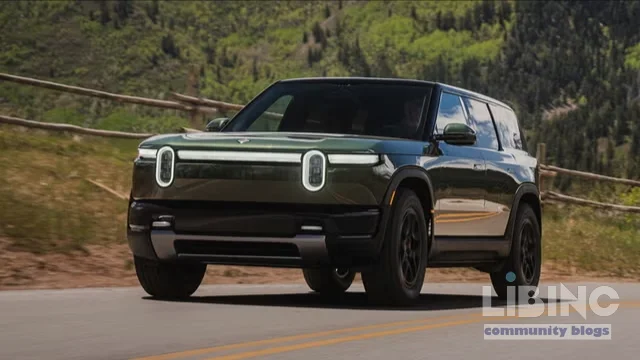
Rivian R2: An Analytical Take on Premium Affordability, Performance, and Off-Road Competence in the New Compact EV SUV
Table of contents
- 1. Through Analytics
- 2. Through Contrast
- 3. Through Cause and Effect
- 4. Through Expert Reconstruction
Rivian’s first wave of halo EVs, the R1T pickup and R1S SUV, positioned the brand as an adventure-forward alternative with distinctive styling and a premium halo price. The new R2 compact SUV shifts the playbook: Rivian starts with higher trims and progressively adds more affordable options, betting on perception of value and software value rather than pure sticker price alone. The gamble rests on a delicate balance between premium branding and broad appeal. This article dissects the R2 through four analytical lenses to reveal not just numbers, but the causal logic that could determine Rivian’s trajectory in a crowded EV field.
Through Analytics
The R2 lineup is built around a clear price ladder and a shared 88 kWh battery pack, with power and performance scaling across configurations. The top-end Performance AWD model anchors the spectrum with a two-motor setup delivering a combined 656 horsepower and 609 lb-ft of torque. The manufacturer quotes a 0–60 mph time of 3.6 seconds for this variant and an EPA-estimated range of up to 330 miles. The fast charging peak of 230 kW enables rapid top-ups, especially useful on longer trips where the 88 kWh pack can keep momentum high. This combination highlights a crucial trend in the EV market: prioritizing software-enabled capability alongside traditional hardware gains.
- R2 Performance AWD — 656 hp, 609 lb-ft, 3.6 s 0–60, 330 miles EPA, 230 kW peak charging, NACS port.
- R2 Premium AWD — 450 hp, 537 lb-ft, 4.6 s 0–60, 330 miles EPA, same 88 kWh pack.
- R2 Standard RWD (2027) — 350 hp, 355 lb-ft, 5.9 s 0–60, 345 miles hypothetical/est. range, single motor.
The pricing ladder mirrors the hardware continuum. The Launch Edition packages Autonomy+ for a lifetime subscription plus exclusive finishes and a tow-capable kit, while the standalone options offer Autonomy+ access with ongoing costs. The four-pronged strategy combines performance面 with capability and software. The real value comes from how Autonomy+ translates into daily convenience and, potentially, safety outcomes across a broad user base. The R2 thus sits at the intersection of hardware efficiency and software-driven value, a space where Rivian seeks to monetize beyond the initial purchase.
In parallel, the range figures reveal an efficiency-to-capability tradeoff. With a large footprint and all-wheel drive, the R2 Performance’s 330 miles is competitive for a compact SUV, but not class-leading against some rivals that trade off off-road capability for range. The 88 kWh battery is central to this balance: it keeps the weight and packaging within acceptable limits while preserving cabin and cargo utility. The effect is a vehicle that can cover daily commutes with confidence yet doubles as a capable long-range adventurer when needed. These numbers, though impressive on paper, hinge on real-world conditions and the software stack that governs range estimation and energy management.
A second analytics lens examines ownership cost of ownership and feature value. The Launch Edition’s Autonomy+ lifetime subscription shifts some ongoing costs into the upfront purchase, effectively subsidizing a portion of the driver-assistance experience. For non-Launch buyers, the monthly or one-time fees create a revenue stream that can sustain ongoing software development and map updates. While this model promises recurring revenue, it also invites scrutiny about total ownership costs compared to rivals that bundle safety and convenience features, sometimes at a lower lifetime cost. In short, the R2’s analytical strength is not only raw numbers but how Rivian monetizes software and services alongside hardware.
Through Contrast
The R2 contrasts strongly with its own predecessors. The R1S used air springs and air suspension, emphasizing a luxe, off-roadable ride height. The R2 replaces that with adaptive dampers and coil springs, delivering a smoother on-road experience while preserving off-road competence. This is not a downgrade in capability; it is a deliberate tuning choice that lowers complexity, reduces weight, and improves packaging for a smaller vehicle. The interior continues Rivian’s design language but scales it to a more approachable footprint, with 12-way power front seats, a nine-speaker audio system, and a panoramic roof that enhances cabin openness. The lack of built-in shade for the glass roof is a missed convenience, but the engineering choices otherwise seem aimed at balancing premium feel with daily usability.
- R1S vs R2 — air springs vs adaptive dampers; larger footprint versus compact practicality.
- Launch Edition vs later trims — exclusivity vs broad access; the anodized key fob and distinctive palette as status signals.
- Interior and UX — Rivian’s human-machine interface evolves with a refined digital gauge cluster and improved physical controls.
The R2’s on-road character is less “halo car” and more “everyday capable,” which matters for a compact family SUV. In the real world, the on-road ride quality, noise levels with Scorpion all-season tires, and the firm yet controlled body motions under sportier driving profiles are meaningful differentiators. Off-road credibility remains, but the emphasis tilts toward efficiency and refinement rather than heavy-duty, high-speed rock crawling. This is a deliberate contrast that broadens Rivian’s appeal without surrendering the brand’s adventurous identity.
In terms of capability, the AWD variants still offer strong towing (up to 4400 pounds with Launch package) and solid performance. The spare tire storage and optional all-wheel-drive upgrade provide practical options for buyers who value flexibility. The R2’s packaging decisions translate into a vehicle that can be comfortable for daily use and prepared for weekend escapes, even if it does not eclipse every competitor in a single metric. The contrast matters because it frames the R2 as a practical extension of the Rivian range rather than a mere re-skin of the R1 family.
Through Cause and Effect
Rivian’s pricing architecture is a deliberate tactic to protect brand equities while growing volume over time. By launching with premium trims, Rivian aims to cultivate early adopters who value software-enabled features and off-road competence as a package. The effect is twofold: it preserves margin on the high end and creates aspirational pull for upcoming, more affordable variants. The 60-day Autonomy+ trial for all R2s, with lifetime options on Launch Editions, is a lever to reduce friction in adopting hands-free capabilities that rivals offer elsewhere. If Autonomy+ proves valuable in practice, Rivian could see higher retention rates and longer software-service lifecycles.
- Launch Edition Autonomy+ ties software value to the initial purchase, creating a halo effect for the brand.
- The 60-day trial lowers adoption barriers for hands-free drive features and keeps the ownership experience sticky.
- Incremental pricing for Autonomy+ and separate tow packages may cushion margins as trims get cheaper over time.
The R2’s lifecycle also shapes the broader EV market dynamics. A successful rollout of the Standard and Premium trims later in 2027 could shift consumer expectations around capability per dollar, influencing how rivals price and package similar features. Yet there are risks: battery supply, manufacturing ramp-up, and the true cost of software development can erode margins if not managed with precision. Rivian’s reliance on a consistent battery pack chemistry and shared architecture across trims reduces complexity, but market volatility and competing products with aggressive price cuts could compress incentives for early-adopting buyers.
The ownership model also carries behavioral implications. With a significant portion of owners reportedly using their Rivians off-road, Rivian must ensure that its software and hardware remain reliable in rough terrain. In practice, the added all-terrain mode, hill-descent capabilities (noted as absent in some reviews), and a robust regenerative braking strategy will determine whether customers rely on the R2 as a credible daily driver or a weekend adventurer. These behavioral outcomes feed back into resale value, maintenance demand, and the overall longevity of the Rivian ecosystem.
Through Expert Reconstruction
The R2 represents a pivotal moment for Rivian. It embodies a calculated shift from a pure premium halo to a more broadly capable, software-enabled everyday EV. The vehicle’s success hinges on four pillars: price discipline, software value, practical capability, and a dependable service network. Price discipline means delivering more trims at lower price points without eroding the brand’s premium status. Software value depends on Autonomy+ delivering real-world safety and convenience features that justify ongoing costs. Practical capability rests on balanced performance, efficient energy management, and off-road competency that resonates with 40 percent of owners who venture beyond pavement. A reliable service and charging network completes the circle, turning a compelling spec sheet into a durable ownership proposition.
- Price discipline requires a clear path from premium to mainstream trims, supported by feature parity and software value.
- Software value hinges on Autonomy+ delivering tangible benefits that justify recurring costs and future map updates.
- Practical capability means consistent real-world range, dependable charging, and robust off-road performance where customers expect it.
- Support network guarantees service accessibility and reliable maintenance, essential for long-term ownership sentiment.
Looking ahead, Rivian’s strategy may unfold in stages. The 2027 introduction of a lower-priced R2 Standard with a smaller battery pack and around 275 miles of range could broaden the addressable market, especially if price points approach the mid-$40k range. The challenge will be maintaining a coherent value narrative across trims while ensuring that software features, towing capabilities, and maintenance costs do not offset lower sticker prices. If Rivian successfully navigates these tensions, the R2 could become a credible alternative to the prevailing compact EV SUV options and a meaningful proof point for premium-becoming-mainstream pricing.
In sum, the R2’s success rests on how well Rivian translates its early-mover credibility into scalable volume, while preserving the distinctive brand attributes that drew enthusiasts to the R1 lineup. The mathematical tightrope—balancing weight, efficiency, power, and software value—will decide whether the R2 becomes a lasting mainstream contender or a refined, niche choice for a broader audience.
Note: All specifications reflect the product information provided for the Rivian R2 and are subject to change as Rivian finalizes trims and options across model years.
Closing the ownership gap: software value and real-world economics
Beyond raw numbers, the R2’s value hinges on how Autonomy+ features translate into daily use and how ongoing costs compare with peers that bundle software and safety into the sticker. The combination of an 88 kWh pack with multiple trims is designed to broaden appeal while preserving premium margins at the high end, making software-driven value a core part of total ownership.
| Trim | Power | Torque | 0–60 mph | EPA Range | Peak Charging |
|---|---|---|---|---|---|
| R2 Performance AWD | 656 hp | 609 lb-ft | 3.6 s | 330 miles | 230 kW |
| R2 Premium AWD | 450 hp | 537 lb-ft | 4.6 s | 330 miles | 230 kW |
| R2 Standard RWD (2027) | 350 hp | 355 lb-ft | 5.9 s | 345 miles est. | 230 kW |
The table clarifies how Rivian maps performance to efficiency and charging readiness across trims, illustrating that the real value comes from software-enabled capability as much as hardware power.
- Launch Editions include Autonomy+ with a lifetime option and exclusive finishes, tying software value to the upfront purchase.
- Standard and Premium trims offer Autonomy+ via ongoing fees or a paid upgrade, affecting total cost of ownership.
- A 60‑day Autonomy+ trial lowers adoption friction; long-term value depends on map accuracy, safety features, and real-world reliability.
Ownership decision guide
- Price discipline
- Bridge premium perception to mainstream trims with consistent feature parity
- Protect brand aura while expanding addressable market
- Software value
- Autonomy+ map updates, safety features, and driver-assist reliability drive long-term satisfaction
- Impact on resale and service demand depends on software performance over time
- Practical capability
- Real-world range vs payload, towing, and terrain handling matters for family use
- Charging network reliability and trip planning influence ownership experience
These elements together illustrate how the R2 can be a compelling daily driver with weekend versatility, provided software and support deliver measurable value over the ownership horizon.
What is the Rivian R2 range and charging speed, and how does it affect road trips?
In practice, the R2 offers EPA estimates up to about 330 miles on the top trims with an 88 kWh pack, and peak charging at around 230 kW, enabling rapid replenishment on long trips; even under real-world conditions, drivers can expect frequent coast-to-coast charging stops to balance time and energy, particularly when using a 230 kW corridor charger. This translates to shorter break times and more predictable schedules during weekend adventures or cross-country journeys.
Analytically, range and charging velocity shape trip planning, battery temperature effects, and availability of fast-charging corridors; the practical takeaway is to factor into daily planning a mix of charging stops and the R2's energy management profile to minimize downtime.
How does Autonomy+ pricing work and is it worth it?
Autonomy+ is offered as a lifetime option on Launch Editions and as a paid subscription on other trims; a direct, long-run cost of ownership comparison depends on usage intensity, but the core benefit is stronger feature availability, regular map updates, and potential safety advantages; for heavy drivers or frequent highway users, Autonomy+ can add meaningful value, while occasional drivers may prefer a smaller total annual cost without it.
From a strategic perspective, the value hinges on whether Rivian sustains software quality and update cadence, which preserves resale value and ongoing convenience.
How does the R2 compare to the R1 lineup in size, capability, and interior tech?
Compared with R1S and R1T, the R2 tightens packaging and tunes suspension for improved on‑road refinement while retaining off‑road ability; interior upgrades include modernized controls, improved seat adjustability, and a more approachable footprint for daily use; the evolution prioritizes software and practicality over brute off-road height in a compact SUV form factor.
The takeaway is that Rivian preserves its adventurous DNA while broadening accessibility and daily usability for families and urban drivers.
What is the release timeline for the R2 Standard trim and its price range?
Rivian has signaled a staged rollout that includes the lower-cost R2 Standard with a smaller battery pack and roughly 275 miles of range; as a mainstream option, price positioning will be crucial to expand addressable market without eroding perceived premium value; this strategy aims to balance upfront affordability with future software value.
For potential buyers, timing and incentives will matter alongside how quickly service and charging infrastructure scale in key regions.
What is the approximate total cost of ownership for the R2 over 5 years, including Autonomy+?
The answer depends on trim choice, usage, and software costs; a practical approach is to compare upfront price plus annual Autonomy+ or monthly fees against similar SUVs with bundled features; for a heavy user, long-term software value can offset higher upfront costs, whereas casual buyers might find a lower upfront price more attractive if software support remains essential rather than optional.
Owners should also factor in maintenance, charging costs, and potential resale value to determine the best fit for their needs.
How reliable is Rivian's service network and charging infrastructure?
Rivian's service footprint and partnerships determine long-term ownership confidence; a robust, easy-access service network and reliable charging infrastructure reduce downtime and reassure owners during trips; while Rivian has advanced planning in place, real-world reliability will depend on regional coverage, parts availability, and ongoing software quality; prospective buyers should review local coverage and recent service experiences.






Add a comment
To comment, you need to register and authorize
Comments