

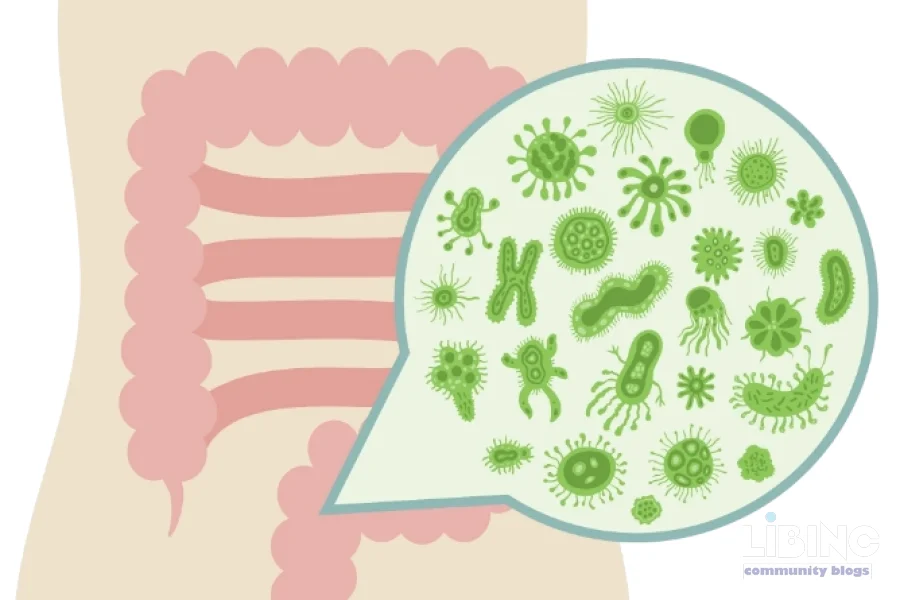
The Non-Bacterial Gut Microbiome: Fungi and Archaea as Key Modulators of Metabolism, Immunity, and Health
- Analytics of the non-bacterial gut microbiome
- Contrasts in multi-kingdom communities
- Cause-and-effect relationships in fungal-archaeal-bacterial networks
- Expert reconstruction and therapeutic horizons
The non-bacterial gut microbiome — comprising fungi, archaea, and other microbial kingdoms — occupies a small but potent niche in the intestinal ecosystem. The biological footprint of bacteria is well established, yet advances in sequencing reveal that the mycobiome and archaeome exert outsized influence on metabolism, immune regulation, and microbial balance. These cross-kingdom interactions with bacteria and the host shape energy harvest, barrier integrity, and inflammatory tone, with implications for obesity, inflammatory disorders, and gastrointestinal disease. This article interrogates how gut fungi and archaea interact with bacteria and host pathways to modulate physiology, and what this means for future microbiome-based therapies. While viruses and bacteriophages are important residents, the focus here remains on fungi and archaea as critical, yet underappreciated, drivers of health.
The non-bacterial gut microbiome is a dynamic, context-dependent system. Fungi may be low in relative abundance, but their signaling molecules, biofilm formation, and nutrient competition yield disproportionate physiological effects. Archaea, especially methanogens, participate in energy metabolism by recycling hydrogen and carbon dioxide into methane, thereby altering fermentation efficiency and substrate utilization. Together, these kingdoms contribute to a network where cross-kingdom communication and metabolic interdependence determine immune tone and disease susceptibility. The stakes are real: dysbiosis that involves fungi or archaea can accompany obesity, inflammatory bowel disease, metabolic syndrome, and even neuroimmune conditions. Understanding these interactions is not merely of academic interest; it underpins the design of therapies that target multiple kingdoms rather than bacteria alone.
In this analysis, we pursue a structured, deep-dive approach that treats the gut as a multidomain ecosystem. We begin with analytical mappings of who is present and how they interact, then contrast healthy and diseased states to highlight what is unique about multi-kingdom dynamics. We move from mechanism to implication, tracing causal pathways from microbial activity to host outcomes. Finally, we reconstruct a forward-looking view in which expert consensus, methodological rigor, and multi-kingdom interventions converge to improve metabolism, immunity, and gastrointestinal health. The aim is to move beyond observational associations toward mechanistic, testable hypotheses that guide personalized microbiome management.
Analytics of the non-bacterial gut microbiome
The analytical landscape for the non-bacterial gut microbiome has expanded with multi-omics and improved sequencing. This enables researchers to move from cataloguing who is there to deciphering how they function in situ and how they influence neighboring kingdoms. The central questions are not merely who is present, but how cross-kingdom networks shape metabolism, immune signaling, and resilience to perturbations.
Key observations from contemporary analytics include the following themes. Each theme reveals a why behind observed associations, not just a list of correlations.
- Prevalence and variability — Fungi such as Candida spp., Saccharomyces spp., Malassezia, Cladosporium, and Aspergillus appear in most adult guts but at low relative abundance. The archaeome frequently centers on Methanobrevibacter and related methanogens. The numbers vary widely between individuals and over time, driven by diet, antibiotics, and immune status. This variability is not noise; it reflects a dynamic equilibrium that can tip toward dysbiosis under stress.
- Functional impact despite low abundance — Fungi influence barrier integrity, immune signaling, and nutrient competition with bacteria. Archaea participate in hydrogen economy and energy extraction, thereby modulating substrate utilization and transit times. The functional footprint of these kingdoms arises from signaling molecules, metabolites, and biofilm interplays, not sheer population size.
- Cross-kingdom signaling — Fungal beta-glucans and mannans interact with host receptors such as Dectin-1, shaping cytokine milieus. Bacteria exchange metabolites with fungi, creating feedback loops that stabilize or destabilize the ecosystem. Archaea respond to bacterial byproduct flux, notably hydrogen, which in turn influences bacterial fermentation efficiency.
- Diet as a modulator — Carbohydrate-rich diets tend to support higher Candida activity, while protein- and amino-acid-rich diets shift fungal and archaeal prevalence and activity. These dietary effects help explain part of the link between nutrition, gut ecology, and metabolic disease risk.
- Therapeutic implications — Probiotic fungi such as Saccharomyces boulardii can blunt bacterial toxin effects and intestinal inflammation in some settings, whereas antifungal strategies may have unintended consequences on host immunity or microbiome balance. Methanogens influence energy harvest and stool characteristics, linking methane production to constipation in some individuals.
Across studies, Methanobrevibacter emerged as a common archaeal genus in healthy adults, with roughly a third of samples testing positive in some sequencing cohorts. This prevalence underlines the potential for cross-kingdom metabolic coupling to modulate energy extraction and host energy balance. Yet the causal role of methanogens in obesity or metabolic disease remains debated; associations are robust, but causality requires interventional trials that manipulate archaea in situ while controlling for bacterial and host factors.
Fungal diversity tends to be lower than bacterial diversity, but the functional consequences of specific fungi can be profound. Candida overgrowth associates with inflammatory markers and metabolic disturbances, whereas Saccharomyces boulardii exerts anti-inflammatory effects and can modulate bacterial toxin damage. The analytics also reveal that dysbiosis is rarely a fungus-alone story; it often involves shifts in bacterial actors and the host’s immune regulatory circuits, all embedded within a complex network where cross-kingdom links matter for disease trajectories.
To translate analytics into actionable insights, researchers increasingly adopt longitudinal designs, multi-omics integration, and cross-kingdom network modeling. This helps separate cause from effect and identifies candidate biomarkers that reflect ecosystem state rather than single-species abundance. In practical terms, analytics illuminate how shifts in methanogenesis, beta-glucan signaling, or fungal-bacterial biofilm formation may portend disease progression or therapeutic response. The challenge remains to move from observational associations to mechanistic, testable models that guide precision interventions within a multi-kingdom framework.
Contrasts in multi-kingdom communities
Viewing the gut through a bacteria-centric lens misses crucial dynamics. The multi-kingdom perspective reveals contrasts between healthy multi-kingdom balance and dysbiotic cross-kingdom disturbance. These contrasts illuminate why interventions targeting bacteria alone may fail or even backfire when fungi and archaea are ignored.
- Healthy baseline vs dysbiosis — In healthy individuals, bacteria, fungi, and archaea occupy complementary niches with stabilizing feedbacks. Dysbiosis often manifests as disproportionate fungal blooms, methanogen shifts, or altered biofilm architecture that destabilizes barrier function and amplifies inflammation.
- Fungal dominance vs stability — A relative rise in Candida or other opportunists can drive immune activation and metabolic perturbations, especially after antibiotic exposure that removes bacterial checks. In contrast, a balanced mycobiome coexists with bacteria and archaea, modulating host immunity without provoking chronic inflammation.
- Archaea and methane vs hydrogen economy — Methanogens siphon hydrogen to produce methane, relieving hydrogen pressure and enabling continued bacterial fermentation. When methanogenesis is excessive, methane can slow gut transit and contribute to constipation; when reduced, hydrogen accumulation can dampen fermentation efficiency and alter energy harvest.
- Dietary responses differ across kingdoms — Carbohydrate-heavy diets can favor fungi that thrive on simple sugars, potentially tipping the balance toward pro-inflammatory signaling. Protein- and amino-acid-rich diets can shift both bacterial and archaeal communities in ways that modify energy yield and barrier integrity, illustrating how diet interacts with a multi-kingdom network to influence health outcomes.
Crucially, the contrasts reveal that interventions must account for cross-kingdom dependencies. For example, antibiotic strategies that suppress bacteria without addressing compensatory fungal overgrowth may precipitate dysbiosis with inflammatory consequences. Likewise, targeting methane production without monitoring fungal responses could yield mixed outcomes on motility, energy balance, and microbial composition. The nuanced picture suggests that multi-kingdom equilibrium is a better predictor of health than any single kingdom alone.
To operationalize these insights, researchers use systems-level models that integrate bacterial, fungal, and archaeal data with host immune and metabolic readouts. Such models explain why two individuals with similar bacterial profiles may diverge in disease risk based on their fungal or archaeal configurations. The contrast underscores the danger of oversimplified microbiome paradigms and points toward diagnostics and therapies that reflect ecosystem-wide dynamics rather than isolated taxa.
Cause-and-effect relationships in fungal-archaeal-bacterial networks
Understanding cause-and-effect in the gut requires tracing how microbial metabolism translates into host physiology. The following causal pathways illustrate how fungi, archaea, and bacteria interact to shape energy harvest, immune function, and disease risk. Each pathway links a microbial feature to a host outcome, clarifying the logic behind observed associations.
- Hydrogen transfer drives fermentation efficiency — Bacterial fermentation of complex carbohydrates releases hydrogen. Methanogenic archaea consume hydrogen and CO₂ to produce methane, reducing hydrogen partial pressure and enabling more complete carbohydrate fermentation. Why it matters: more efficient fermentation increases energy extraction from the same diet, potentially contributing to weight gain in susceptible individuals. The chain is: bacterial fermentation → hydrogen buildup → archaeal methanogenesis → enhanced energy harvest → obesity risk in some cohorts.
- Methane production and gut transit — Methane is linked to slower intestinal transit in many people, which can manifest as constipation. Why it matters: slower transit changes nutrient absorption windows, alters microbiome timing, and can influence satiety signals. The cause-effect link is methane output from methanogens shaping motility, which in turn modulates energy balance and gut ecology.
- Fungal components trigger innate immune signaling — Fungal cell wall molecules like beta-glucan and mannan engage host receptors such as Dectin-1, activating pro-inflammatory pathways (e.g., IL-17, TNF-α). Why it matters: sustained activation can tilt toward inflammatory states that damage the gut barrier and promote metabolic disturbances. This pathway provides a mechanism by which fungi directly influence immune tone beyond simple colonization density.
- Fungal-bacterial signaling reshapes community structure — Fungi supply or scavenge nutrients and metabolites that bacteria use for growth, while bacteria reciprocally influence fungal growth via competition and cross-feeding. Why it matters: these exchanges stabilize beneficial interactions or drive dysbiosis. A shift in one kingdom propagates through the network, altering energy metabolism, toxin production, and barrier integrity.
- Probiotic fungi and barrier protection — Saccharomyces boulardii can strengthen mucosal integrity and dampen inflammatory responses in some models by modulating bacterial toxin effects and host signaling. Why it matters: this demonstrates potential therapeutic leverage by targeting cross-kingdom interactions, not just bacteria. However, the benefits are context-dependent and may differ by disease state and host genetics.
- Archaea as regulators of energy balance — Archaea influence overall energy yield from dietary substrates by altering the hydrogen economy and fermentation efficiency. Why it matters: in susceptible individuals, shifts in archaeal activity could contribute to obesity risk or metabolic syndrome through altered caloric extraction and lipid metabolism, even when macronutrient intake remains constant.
These causal chains are not merely hypothetical constructs. They align with observations that antimicrobial or dietary interventions produce cascade effects across kingdoms. For example, antibiotics that disrupt bacterial populations can reduce hydrogen availability for methanogens, which paradoxically may decrease methane production but alter fermentation dynamics and immune signaling in ways that affect inflammation and barrier function. The implication is clear: interventions framed solely around bacteria miss critical causal routes that run through fungi and archaea, and possibly through virome-mediated reshaping of the bacterial milieu.
The causal logic also highlights the importance of timing and host context. An immune system in a pro-inflammatory state, a gut barrier that is functionally compromised, or a diet rich in rapidly fermentable carbohydrates can amplify or dampen these cross-kingdom effects. Understanding who drives what in a given host requires longitudinal, multi-omics data and carefully designed interventional studies that monitor microbial shifts alongside host responses in real time. Only then can we confidently assign cause to effect within multi-kingdom networks.
Expert reconstruction and therapeutic horizons
What follows is a synthesis of expert perspectives, grounded in current evidence, about how to translate knowledge of the non-bacterial gut microbiome into practice. The argument centers on multi-kingdom strategies that acknowledge interactions across fungi, archaea, and bacteria, while carefully weighing risks and benefits in different disease contexts.
From a therapeutic standpoint, several avenues deserve attention. These are neither exhaustive nor universally applicable but illustrate a pragmatically multi-kingdom approach to microbiome management.
- Dietary modulation as a first-line lever — Diet shapes microbial ecology across kingdoms. Strategies that reduce excess simple sugars may restrain opportunistic fungi, while balanced protein and fiber intake supports metabolic flexibility across kingdoms. Why it matters: nutrition acts as a primary, controllable variable that can recalibrate cross-kingdom interactions and improve barrier function without pharmacological side effects.
- Targeted probiotics and postbiotics — Saccharomyces boulardii and other beneficial fungi have shown promise in reducing gut inflammation and dampening toxin effects in certain contexts. Postbiotics—soluble metabolites produced by microbes—may offer a safer route to harness cross-kingdom signaling without introducing live organisms. Why it matters: these interventions can modulate immune tone and microbial balance with potentially fewer risks than broad-spectrum antifungals or antibiotics.
- Antifungal strategies with caution — Antifungal medications can restore fungal balance but may disrupt intertwined networks and worsen inflammation in some models. Why it matters: therapies must be disease-specific and informed by multi-kingdom diagnostics to avoid unintended disruption of protective interactions.
- Fecal microbiota transplantation and beyond — FMT has shown microbiome-modulating potential, yet multi-kingdom outcomes remain variable. Emerging approaches aim to guide FMT with donor selection and preconditioning that consider bacteria, fungi, and archaea, rather than focusing on bacteria alone. Why it matters: aligning donor ecosystem profiles with recipient needs could enhance efficacy and safety.
- Metabolite-inspired therapies — Targeting microbial metabolites such as short-chain fatty acids, methane, or other kingdom-specific compounds may provide precise means to influence host energy metabolism and immune responses. Why it matters: metabolite-based strategies offer a functional readout of ecosystem activity, enabling personalized interventions that reflect actual microbial performance rather than static composition.
- Diagnostics for multi-kingdom states — Robust biomarkers that capture fungal diversity, archaeal activity, and bacterial networks are essential for predicting disease risk and treatment response. Why it matters: multi-kingdom diagnostics move us toward precision medicine by linking ecosystem state to clinical trajectories, not just taxa counts.
Reality check: we are far from universally validated clinical tools for multi-kingdom microbiome management. Observational links abound, but causal proof and standardized diagnostics are still evolving. Therapeutic manipulation of the mycobiome and archaeome must proceed with disease-specific evaluation, patient safety, and comprehensive monitoring. The immediate value of multi-kingdom thinking lies in reframing problems, guiding research priorities, and informing cautious, evidence-based clinical exploration.
Looking ahead, the field aims to deliver multi-kingdom diagnostics that forecast disease risk and guide personalized interventions. This requires coordinated efforts across microbiology, immunology, nutrition, and clinical medicine. Longitudinal studies with integrated sequencing, metabolomics, host immune profiling, and careful phenotyping will be essential. As sequencing technologies continue to mature, we will gain more precise maps of fungal and archaeal roles in health and disease, enabling targeted, patient-specific strategies that optimize metabolism, immune regulation, and gut barrier integrity through coordinated cross-kingdom action.
In sum, the non-bacterial gut microbiome — especially its fungal and archaeal constituents — is not a fringe curiosity but a central axis of host physiology. Its interactions with bacteria and the host define energy harvest, inflammation, and disease risk in ways that neither kingdom can accomplish alone. A disciplined, multi-kingdom perspective promises more accurate diagnostics, safer therapies, and better health outcomes as we move toward an integrative understanding of the gut ecosystem.
If future studies succeed in disentangling causality within cross-kingdom networks, clinicians may soon tailor interventions to an individual’s unique fungal, archaeal, and bacterial constellation. Until then, leveraging diet, targeted probiotics, cautious antifungal use, and multi-kingdom diagnostics offers a plausible path to healthier gut ecology and improved metabolic and immune homeostasis.
Key takeaways — The non-bacterial gut microbiome matters beyond its numerical footprint because fungi and archaea participate in energy metabolism, immune signaling, and ecosystem stability. Cross-kingdom networks explain why simple bacterial-centric interventions often fail to deliver durable results. A multi-kingdom approach, grounded in robust analytics and carefully designed trials, holds promise for tomorrow’s personalized microbiome therapies.
Glossary of core terms
- Mycobiome — Fungal community within the gut.
- Archaeome — Archaeal community within the gut, including methanogens.
- Methanobrevibacter — A common gut archaeon involved in hydrogen metabolism and methane production.
- Dectin-1 — A host receptor that recognizes fungal beta-glucan and initiates immune signaling.
- Cross-kingdom networks — Interactions among bacteria, fungi, and archaea that influence ecosystem function.
- Fecal microbiota transplantation — A therapy to transfer a donor gut ecosystem to a recipient.
Practical workflow for multi-kingdom diagnostics and interventions
The practical workflow translates cross-kingdom insights into actionable steps that clinicians and researchers can apply in real time. The aim is to integrate the mycobiome, archaeome, and bacterial networks with host readouts to guide diet, probiotic use, and other interventions in a patient-specific way.
Step 1. Profile across kingdoms using integrated sequencing and targeted metabolomics to capture fungi (mycobiome), archaea (archaeome), and bacteria, plus host markers such as inflammatory readouts and barrier function indicators. Step 2. Build a cross-kingdom network map to identify which interactions are driving energy harvest, transit time, and immune signaling in the individual. Step 3. Implement a longitudinal plan with diet, probiotic or postbiotic strategies, and, where appropriate, targeted antifungal or archaeal-modulating approaches, all tailored to network features. Step 4. Monitor with multi-omics re-assessment and clinical outcomes to refine the model and return to Step 1 with updated hypotheses.
| Kingdom | Main Role | Practical Change |
|---|---|---|
| Bacteria | Baseline energy harvest and fermentation | Maintain diversity with varied fiber sources; monitor interactions |
| Fungi | Signaling and barrier modulation | Limit simple sugars; consider short-term yeast probiotics if appropriate |
| Archaea | Hydrogen economy and methane production | Assess breath methane; modulate diet to balance methane output |
Examples in practice illustrate how cross-kingdom dynamics guide decisions. A patient with methane-linked constipation may benefit from a diet that shifts archaeal activity and synchronized fiber intake, while avoiding abrupt antifungal use that destabilizes bacterial networks. A patient with Candida-driven inflammation may respond to a combined strategy of reduced simple sugars, microbial metabolites (postbiotics), and careful probiotic support to recalibrate cross-kingdom communication.
These steps emphasize integration over isolation and foster a practical path toward personalized care that respects multi-kingdom dependencies in the gut ecosystem.
What is the non-bacterial gut microbiome and why does it matter?
Yes, fungi (mycobiome) and archaea (archaeome) are integral parts of the gut ecosystem and can influence energy harvest, barrier function, and immune signaling beyond bacteria. In clinical terms, this means that dysbiosis may involve cross-kingdom shifts that alter how the host processes nutrients, responds to infections, and maintains gut integrity. This broader view supports diagnostic approaches and therapies that consider fungi and archaea alongside bacteria, rather than focusing on bacteria alone. Such an approach improves patient stratification and may improve outcomes through more precise interventions.
From a research angle, incorporating cross-kingdom data helps explain why some patients respond to dietary changes or probiotics while others do not, even when bacterial profiles appear similar. It also highlights potential new targets, such as beta-glucan signaling or archaeal hydrogen dynamics, that could be leveraged in future therapies.
How do fungi and archaea influence energy harvest and gut motility?
Yes, fungal activity can modulate barrier signaling and metabolite profiles, while archaea like methanogens affect hydrogen balance and methane production. This combination alters fermentation efficiency and transit time, which in turn shifts energy extraction from the diet and gut motility. Clinically, patients with excessive methane may experience slower transit and constipation, while reduced archaeal activity could diminish fermentation efficiency in some contexts.
In practice, these effects are interdependent with bacterial networks, diet, and host factors, making a multi-kingdom perspective essential for understanding symptoms such as bloating, satiety, or altered stool form.
What diagnostic approaches best capture cross-kingdom activity?
Yes, comprehensive diagnostics combine sequencing across kingdoms (mycobiome, archaeome, bacteriome) with targeted metabolomics, breath tests for gas production, and biomarker panels for inflammation and barrier integrity. A practical workflow includes stool sampling at multiple time points, dietary logs, and host immune profiling to map how cross-kingdom activity correlates with clinical trajectories. While no single test captures everything, integrated multi-omics provides a more actionable ecosystem snapshot than single-kingdom assays.
Researchers increasingly use network analyses to interpret these data, translating complex interactions into clinically useful risk scores and intervention decisions.
Can diet modulate cross-kingdom interactions, and how quickly?
Yes, diet acts as a primary modulator of cross-kingdom balance. Carbohydrate-rich patterns can enhance fungal signaling and alter archaeal activity, while higher fiber and balanced protein intake can reframe networks across kingdoms. Changes may appear within weeks in metabolomic profiles and breath tests, with more durable shifts over months as the ecosystem rebalances. Diet is therefore a powerful, accessible tool to steer multi-kingdom dynamics in a personalized plan.
In clinical practice, this supports structured dietary trials combined with close monitoring of microbial and host responses to judge efficacy and safety.
Are probiotics or antifungals safe in a multi-kingdom context?
Yes, probiotics such as Saccharomyces boulardii can modulate fungal signaling and dampen toxin effects, but their impact depends on the wider microbial network and host state. Antifungal therapies may restore fungal balance but risk disrupting beneficial cross-kingdom interactions and the bacterial components that support barrier function. A multi-kingdom assessment helps tailor these therapies to the individual, minimizing unintended consequences and maximizing potential benefits.
Thus, interventions should be disease-specific and guided by integrated diagnostics rather than applied as universal solutions.
How is fecal microbiota transplantation considered for multi-kingdom health?
Yes, FMT is increasingly viewed through a multi-kingdom lens. Donor selection now includes profiling of fungi and archaea in addition to bacteria, with the aim of matching the donor ecosystem to the recipient’s needs. Early results are mixed, but refining donor-recipient compatibility across kingdoms shows promise for more consistent, durable outcomes. Careful monitoring and standardization across kingdoms are essential to avoid unintended cross-kingdom disruption post-transplant.
In practice, this means donor screening and personalized selection become as important as the technique itself to achieve ecosystem-wide improvements.





Add a comment
To comment, you need to register and authorize
Comments