

Table of contents
- Analytics-driven view
- Stibnite in comparison: minerals, myths, and markets
- Cause-and-effect: from energy to outcomes in daily practice
- Expert reconstruction: integrating science, spirituality, and practice
Stibnite catches the eye with a midnight luster and radiating, needle-like crystals. This antimony sulfide mineral is not just a pretty specimen; its formation in hydrothermal environments layers geology with culture. Holding stibnite is holding a record of millions of years of geological transformation. The mineral’s geometry tells stories of pressure, heat, and time, which many interpret as a parallel to personal processes of transformation and manifestation.
In spiritual circles, the meaning of stibnite centers on two powerful themes: financial abundance and the medicine of the wolf. The wolf embodies loyalty, intuition, wildness, and the capacity to trust yourself even when the path isn’t clearly lit. Stibnite amplifies these qualities while opening channels for prosperity and material flow. The name itself derives from the Latin stibium, a reference to antimony, underscoring a long history of cultural value attached to this mineral. This lineage reminds us that modern “new age” spirituality sits on a broad bed of ancestral wisdom.
Metaphysical practitioners regard stibnite as a stone that helps you embrace your own power without apology. Its core questions—What are you meant to create? What abundance are you ready to receive?—anchor the stone’s spiritual message. The following sections translate that invitation into a structured analysis that spans mineral science, symbolic interpretation, and practical daily usage.
Analytics view: stibnite as mineral and symbol
Mineralogical identity and formation
The essential chemical composition of stibnite is Sb2S3, placing it squarely in the antimony sulfide family. In nature, stibnite forms in hydrothermal veins and disseminations where fluids transport antimony and sulfur at elevated temperatures. The mineral commonly adopts an acicular, needle-like crystal habit that radiates from a common point. This growth pattern is more than aesthetic; it reflects rapid crystallization under constrained conditions and the directional growth that mineralogists use to identify specimens in the field.
From a geochemical standpoint, stibnite sits at an intersection of metalliferous chemistry and structural crystallography. Its ribbon-like crystals can resemble skeletal sprays, which operators in museums and collections use as quick visual cues for identification. The radiating needles and slender prisms distinguish it from many other sulfide minerals and help separate it from more massive ore-end members. The crystallography also informs how stibnite fractures, a factor collectors consider when assessing fragility and display potential.
Why this matters in practice is twofold. First, the mineral’s formation history informs its physical fragility and handling requirements. Second, the hydrothermal origin situates stibnite as part of a broader paragenesis—the suite of minerals accompanying it—that reveals ancient ore-forming processes. In other words, understanding the geology yields insight into both care considerations and the deeper story the mineral tells about Earth’s thermal legacies.
Physical properties and handling implications
Stibnite sits on the softer end of the Mohs scale, typically around 2 to 2.5. Its soft constitution means it requires careful handling, especially when it is in bare needle form where edges can be delicate. The mineral’s luster ranges from metallic to sub-metallic, and its color tone is a dark gray to nearly black. These visual traits are not merely cosmetic; they influence display decisions and storage conditions for collectors and practitioners who work with stibnite in ritual contexts.
In practical terms, care means avoiding prolonged exposure to water, which can promote oxidation or degradation of the mineral’s surface. Gentle cleaning through dry methods—soft brushing or clean dry air—preserves the integrity of the crystals. When used in grids or displays, consider mounting on inert supports to minimize contact stress that could fracture the delicate needles. The protective handling not only preserves material value but also strengthens the symbolic potency attributed to the stone in long-term practice.
From the mineralogical perspective, the stability and handling requirements of stibnite are a direct consequence of its chemistry and crystal habit. The same factors that influence its beauty—intricate radiating formations and fine, acicular needles—also demand disciplined care in both collecting and metaphysical usage. This duality—beauty coupled with fragility—frames how one should approach stibnite as a resource for study and practice alike.
Geochemical context and historical use
Historically, stibnite has been valued for centuries in various cultural contexts, spanning beauty rituals to healing traditions. The mineral’s association with wealth and abundance has roots in its role as a source of antimony, a metal long used in alloys and pigments. This historical lens adds depth to the modern interpretation, showing that what we now call spiritual symbolism often echoes established material and cultural uses across time.
The broader geochemical context places stibnite among a family of minerals that form in hydrothermal systems alongside other sulfides and metal-rich phases. When analyzed in tandem with coexisting minerals, stibnite helps researchers reconstruct fluid histories, temperature regimes, and the geochemical pathways that produced crustal growth in a given deposit. This interdisciplinary perspective reinforces the value of stibnite as both a scientific subject and a symbolic material with a storied past.
Stibnite in comparison: minerals, myths, and markets
Prismatic differences: stibnite vs related minerals
Within the antimony sulfide family, stibnite stands out for its acicular, radiating habit. This contrasts with more blocky or tabular crystals seen in related minerals such as stibnite’s ore-bearing peers. The needle-like forms produce a striking silhouette, especially when set against darker matrix material. The visual language—thin, elongated tips projecting from a central axis—helps curators and scientists distinguish stibnite from other sulfides at a glance.
From a mineralogical standpoint, the contrast extends to stability and occurrence. Stibnite tends to crystallize in specific hydrothermal niches, whereas other sulfides may form under different temperature or pressure conditions. Recognizing these conditions supports accurate provenance assessment for collectors, which in turn affects market value and display options. The consequence for practitioners is a clearer framework for selecting specimens that harmonize aesthetic impact with geological authenticity.
Symbolic contrasts: wealth vibe vs practical reality
The symbolic language around stibnite—wealth, abundance, and wolf medicine—often coexists with practical cautions about expectations. Unlike some wealth-focused stones that promise quick gains, stibnite is commonly interpreted as a tool for aligning energy with opportunity rather than generating money out of thin air. This distinction matters for practitioners who want to avoid magical thinking and instead cultivate disciplined intention and discernment in financial projects.
Critically, the stone’s symbolism should be treated as a psychological aid rather than a guarantee. When used with a grounded plan, stibnite can support clarity, focus, and the readiness to seize opportunities as they arise. The moral here is that symbolic power complements practical action, not replaces it. The risk arises when ritual practices substitute for concrete work in money matters or creative ventures.
Market and conservation: authenticity and care
Market dynamics for stibnite hinge on specimen quality, provenance, and the integrity of the mineral’s surface. Because the mineral is relatively soft and prone to surface alteration, authentic specimens with well-documented origin retain greater value for collectors and educators. Buyers should evaluate crystallographic form, matrix context, and any signs of surface alteration that might indicate improper cleaning or handling.
For practitioners, ethical sourcing and conservation considerations matter. Choosing pieces from reputable suppliers and archives reduces the risk of supporting unsustainable mining practices. Proper storage and display practices also preserve the aesthetic of stibnite while maintaining its metaphysical resonance over time.
Cause-and-effect: from energy to outcomes in daily practice
Intentional energy alignment
Stibnite’s narrative invites deliberate energy alignment. When a practitioner places stibnite on an altar or in a workspace, the intention is not to conjure wealth in a magical sense but to foster receptivity to opportunities and to reinforce a mindset of worthiness and action. This alignment process—where attention follows intention—is a common mechanism in abundance-focused practice: awareness increases, options become more visible, and decisions are made with greater confidence.
In the spirit of analytic skepticism, the claim that a stone alone creates wealth must be tempered. Rather, the symbol and ritual framework can heighten cognitive readiness and reduce hesitation in pursuing favorable outcomes. The key is pairing the stone’s symbolic cues with concrete steps, such as networking, planning, and disciplined saving or investing, to translate intention into tangible results.
Behavioral and perceptual shifts
Working with stibnite can sharpen perception and decision-making in financial and creative domains. The sharp, pointed formations visually mirror the need to cut through ambiguity and identify what truly matters. This focus can translate into more precise budgeting, clearer project scoping, and quicker pivots when plans falter. The practical effect is an alignment of inner resolve with external actions, a feedback loop that supports sustained progress toward defined goals.
Critics may question the universality of such shifts. Yet the experiential nature of these claims is direct: practitioners report heightened clarity, improved pattern recognition, and a greater willingness to assert boundaries around unproductive commitments. In short, stibnite’s energy is most impactful when it acts as a catalyst for disciplined behavior rather than a shortcut to outcomes.
Material outcomes: opportunities and limits
The causal chain from energy alignment to material outcomes involves several steps that are by no means guaranteed. Specific opportunities arise from a confluence of preparation, timing, and social dynamics, and stibnite provides a symbolic prompt to act, not a forecast engine. This distinction is essential for setting realistic expectations and sustaining momentum over time.
From a strategic standpoint, combining stibnite with established abundance tools—such as goal setting, regular review, and diversified investment principles—improves the odds of translating intention into usable, lasting gains. The mineral’s role is to keep the practitioner anchored in purpose while the practical steps do the heavy lifting of outcomes.
Expert reconstruction: integrating science, spirituality, and practice
Mineralogical perspective and safety
From a mineralogical lens, stibnite represents a compelling case study in how crystal habit, chemical composition, and formation history intersect with human use. The safety implications center on handling and environmental exposure. Although stibnite itself is not a highly toxic substance in ordinary handling, crystalline dust and certain processing conditions can pose hazards. Practitioners should maintain good ventilation during any grinding or polishing, avoid inhaling dust, and store specimens away from moisture to reduce oxidative changes that could degrade the surface and flavor of the crystal’s energy in metaphorical terms.
Long-term care includes periodic re-cleaning through non-aqueous methods, gentle inspection for surface bloom, and ensuring storage environments keep humidity and temperature stable. The mineral’s delicate nature reinforces the need for disciplined handling that protects both physical integrity and symbolic resonance.
Historical and cultural perspectives
Stibnite’s cultural footprint spans multiple eras and regions, reflecting a shared human interest in wealth, protection, and inner authority. The connection to wolves—coding for intuition and self-trust—appears in diverse spiritual systems, hinting at a cross-cultural archetype: the fierce, purposeful, self-reliant thinker who moves with quiet force. This resonance helps explain why stibnite remains meaningful across contemporary spiritual practice as a symbol rather than a mere ornament.
Practical guidance for daily practice
For daily practice, consider a simple, repeatable routine that respects the stone’s fragility while maximizing its potential. A practical framework might include the following steps:
- Carry a small piece in a pocket or bag to encourage continuous tactile reminder of worth and capability.
- Rituals perform a brief prosperity-focused ritual on new moons, articulating specific, measurable intentions rather than vague desires.
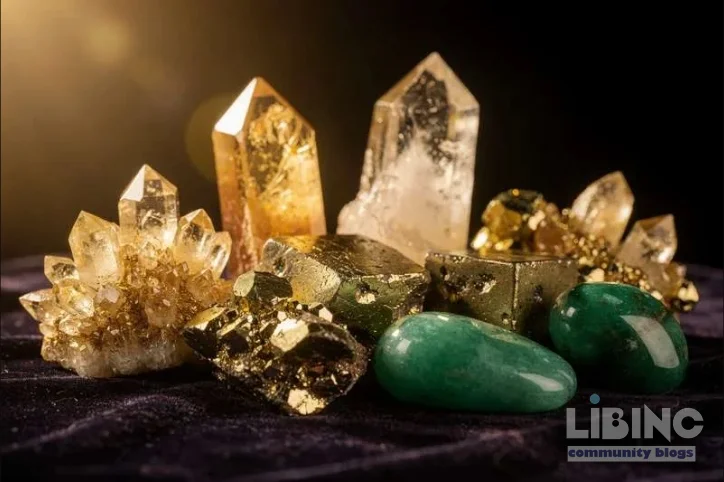
- Grid synergy place stibnite with complementary stones like citrine, pyrite, or black tourmaline to balance abundance, grounding, and protection.
- Care and cleansing cleanse via smoke, moonlight, or sound, avoiding direct water exposure to preserve surface integrity.
Beyond these practices, the expert view emphasizes integration: use stibnite to anchor attention, not to substitute for strategic planning. When paired with concrete actions—networking, skill development, and disciplined budgeting—the mineral serves as a coordinate for focused effort rather than a magical solution. This integrated approach, drawn from mineral science and cultural interpretation, offers a robust path for practitioners seeking both meaning and measurable progress.
In sum, stibnite represents a rare blend of scientific interest and symbolic potential. Its geology informs careful handling and provenance, while its mythic associations invite disciplined practice. The result is a material with dual value: a scientifically interesting mineral specimen and a practical, transformative tool for those who work with intention and action in tandem.
Conclusion
Stibnite stands as a compelling case where science and symbolism converge. The mineral’s hydrothermal origin, delicate acicular crystals, and historical uses illuminate a story of transformation—one that practitioners can translate into structured daily routines. By respecting its fragility, acknowledging its symbolic weight, and pairing ritual with purposeful work, stibnite becomes more than a stone; it becomes a disciplined partner in the ongoing journey toward abundance and authentic power.
A practical framework for daily practice and measurement
To translate stibnite into durable progress, adopt a structured routine that pairs intention with action, measurement, and ethics. This compact framework blends mineral science with abundance practice and offers ready templates for daily, weekly, and monthly cadence. Key terms include abundance mindset, energy alignment, and hydrothermal formation, all grounded in concrete steps.
| Area | Stibnite cue | Action | Measure |
|---|---|---|---|
| Wealth mindset | Clarity on opportunities | Record 3 concrete steps weekly | Weekly completed actions / planned |
| Creativity | Sharper focus | Draft 2 new project ideas | Ideas to prototype |
| Decision clarity | Less hesitation | Make a one month budget plan | Budget adherence rate |
| Networking | Visible opportunities | Reach out to 2 contacts monthly | Responses received |
Implementation notes include a 28 day cycle. Place a small stibnite shard on the desk during planning. Journal outcomes. Pair with citrine to balance energy and use black tourmaline for grounding in high stake decisions. This practical setup ensures the symbol guides actions and does not replace planning.
Consistency compounds. Measurable progress typically appears after about 60 days of steady routine rather than a single ritual.
- Daily
- 3 minute planning at start of day
- One concrete action toward a larger goal
- Weekly
- Review outcomes and adjust plan
- Document lessons learned
- Monthly
- Assess progress toward milestones
- Rebalance energy and resources
By combining scientific context with disciplined practice, stibnite becomes a reliable anchor for focus and opportunity responsiveness. The mineral's crystallography mirrors the need for precise steps and measured actions in daily life, making the symbol a practical compass as much as a source of inspiration.
What is stibnite and how is it used symbolically?
Stibnite is a mineral composed of antimony sulfide with a deep metallic luster and slender acicular crystals that often radiate from a central point. It has a long history as a source of antimony for alloys and pigments, and in modern practice is valued for symbolic associations with wealth, protection, and inner authority. The practice uses the stone as a focal point to align attention with concrete steps toward opportunity, emphasizing action and planning alongside ritual intention rather than substituting real work.
What are the key mineral properties of stibnite?
Stibnite is soft for a mineral, with a Mohs hardness around 2 to 2.5. It forms in hydrothermal veins and displays acicular needle like crystals that radiate from a point. The luster ranges from metallic to sub metallic and color is dark gray to nearly black. These properties influence how it is handled, displayed and stored and they also inform the conditions under which it can be ethically sourced.
How can stibnite support daily practice and abundance work?
Stibnite acts as a symbolic anchor for intention, focus and action. In daily practice carry a small piece, perform a short ritual on new moons to articulate specific measures and pair with practical planning. The stone supports clarity of next steps and reduces hesitation when opportunities arise. The synergy comes from combining intention with networking, budgeting, and time management to translate symbol into tangible outcomes.
How should stibnite be stored and cared for?
Stibnite is relatively fragile and sensitive to moisture; store in a dry, cool place away from direct water exposure. Use soft brushes for dust cleaning and keep pieces in inert containers or display cases to minimize contact. Ethical sourcing matters for the market value and energy resonance of the piece. Routine cleansing using non water methods complements the practice without harming the crystal.
How does stibnite compare to related minerals in symbolism and value?
Stibnite differs from other sulfide minerals by its acicular habit which is visually striking and aids identification. Symbolically it emphasizes inner authority along with prosperity, while market value depends on provenance and quality. Compared to more durable stones used for wealth themes, stibnite offers a narrative of disciplined action rather than a guarantee of wealth or status.
What safety considerations should be observed when handling stibnite?
Care includes avoiding inhalation of crystalline dust during any grinding or polishing. Work in well ventilated spaces and wear a mask if dust exposure is possible. Keep away from moist environments that can degrade the surface. Store away from household chemicals and moisture to minimize corrosion and preserve both physical form and symbolic resonance.







Add a comment
To comment, you need to register and authorize
Comments