

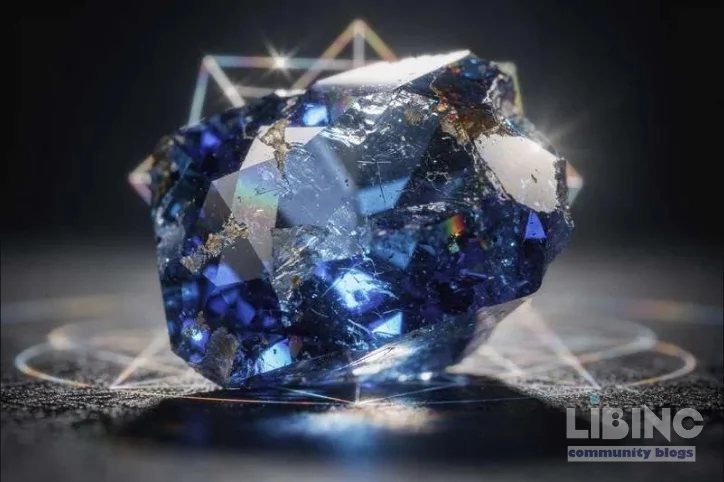
Blue Sapphire: An Analytical Exploration of Mind, Spirit, and Durability
Today’s information flood and relentless mental chatter make it easy to miss subtle signals of insight. Blue Sapphire is hailed as a catalyst for clarity, disciplined thought, and spiritual alignment, promising mental airiness without sacrificing depth. The field, however, is crowded with legends and casual claims that blur science and symbolism. The stakes are tangible: better decision making, calmer focus during study, and clearer guidance in challenging work. A hidden conflict emerges when energy work mixes myth with measurable properties, risking inflated expectations or misapplication. This article adopts a structured, evidence-based scrutiny across four analytical frameworks to reveal what Blue Sapphire can and cannot deliver in mind, spirit, and daily practice. We will translate ancient reverence into practical use and compare real-world outcomes against symbolic claims. The result is a roadmap for readers who want disciplined, tested guidance.
Analytic framing: Blue Sapphire as cognitive amplifier
The analytical lens treats Blue Sapphire as more than a decorative element; it is a material system that can influence cognitive ergonomics through stable energy patterns. Its crystalline robustness provides a reliable anchor for extended mental tasks, reducing drift and optimizing focus during complex work. This is not a promise of instant enlightenment; it is a hypothesis about sustained attention under pressure and the regulatory role of perception when information streams overwhelm the brain.
From a mineralogical vantage, Blue Sapphire is a color variety of corundum, a crystalline aluminum oxide with trace elements that confer its blue hue. Its Mohs hardness of 9 is not just a durability metric; it signals energetic resilience against everyday perturbations. In practical terms, that resilience translates into a longer, undisturbed window for cognitive processing when the stone sits in the field or is worn against the skin. This is why energy work often frames Blue Sapphire as a tool that supports disciplined practice rather than quick, dramatic shifts.
The color is more than aesthetic; it modulates resonance with perceived truth. The spectrum ranges from rich navy to pale sky blue, with the most prized stones displaying a clean, vivid blue. Color purity matters because energy patterns can be more or less coherent depending on the hue, saturation, and brightness. This coherence helps keep mental representations aligned with authentic insight rather than distracting associations formed by secondary hues. The material thus acts as a mediator between sensory input and cognitive appraisal, shaping how you perceive and organize information.
Blue Sapphire crystallizes in a hexagonal prism system, a structural detail that matters for energy transmission. Its hexagonal lattice supports stable vibrational modes, which some practitioners interpret as steadier neural substrates during meditative or problem-solving states. This structural attribute also informs how the stone tolerates heat treatments or color enhancement without compromising its core energetic signature. In other words, even when color is enhanced, the underlying crystal framework can still participate in energy work, provided the practitioner maintains calibrated expectations about change versus transformation. The stone’s identity as aluminum oxide with trace Ti and Fe remains central to its energy profile, linking mineral science to metaphysical interpretation.
On a practical level, the energy feels cool, clear, and penetrating, like a deft wind that clears mental fog without blunting nuance. Such a texture supports both analytical reasoning and intuitive jumps because it preserves discernment while widening perceptual bandwidth. This dual capacity—logic and perception—helps students, researchers, and professionals approach problems with a balance that some traditions attribute to Saturn’s influence on structure and responsibility. The implication is not mystical surrender but disciplined alignment between intention and method, where Blue Sapphire serves as a catalyst for purposeful inquiry rather than a passive enhancer of mood.
In sum, the analytic frame shows how material properties and symbolic meaning intersect. It explains why Blue Sapphire can fortify cognitive discipline while enabling flexible interpretation of evidence. What follows is a contrastive examination that sharpens understanding of where this stone excels and where expectations should be tempered. The takeaway is a principled use plan grounded in geology, color science, and energy work principles rather than anecdote alone.
LSI: corundum, hexagonal crystal system, aluminum oxide, Mohs hardness 9, trace titanium and iron
Contrasts with other blue stones
Comparing Blue Sapphire with other blue stones clarifies what it uniquely contributes to mental and spiritual work. Each stone carries distinct crystalline identities and resonance patterns that translate into different practical effects. The aim is not to crown a single best stone, but to map functional differences that affect outcomes in study, decision-making, and energy practice.
- Blue Aquamarine: Both blue stones share a calm, cooling energy, but aquamarine tends to soften cognitive rigidity and promote emotional buoyancy. For deliberate reasoning under pressure, Blue Sapphire offers more structure and accountability through its Saturn-like associations, whereas aquamarine supports adaptability in stress.
- Lapis Lazuli: Lapis blends ancient wisdom with a robust mythic tradition. It enriches symbolic insight and historical context, complementing Sapphire’s emphasis on disciplined truth-telling. In practice, using both can deepen study of esoteric material while maintaining rigor in interpretation.
- Aquamarine vs Blue Sapphire: Aquamarine emphasizes emotional clarity and compassionate reasoning. Blue Sapphire emphasizes cognitive structure and critical discernment. Together they create a complementary balance between feeling and thinking in intellectual work.
- Blue Spinel and Turquoise: Spinel adds intensity and urgency, while turquoise emphasizes grounding and protective boundaries. Blue Sapphire sits between these poles, offering methodical focus without diminishing imaginative exploration.
- Color-graded sapphires: Untreated sapphires deliver a purer energy signature than heat-treated variants, yet many practitioners use heat-treated stones effectively for energy work. The key is consistency in practice and awareness of the stone’s energetic interpretation rather than its pigment alone.
These contrasts reveal a practical rule of thumb: Blue Sapphire often functions best as a bridge between analysis and articulation. It helps you translate insight into clear, testable steps while maintaining receptivity to new information. The comparison also clarifies that no single stone offers a universal solution; context, intention, and technique determine results. The next section connects these observations to causal dynamics in energy work and daily practice.
Cause and effect in energy work
Understanding cause and effect in energy work requires mapping how intention, practice, and material properties co-create outcomes. Blue Sapphire’s influence tends to manifest through three linked channels: cognitive stabilization, perceptual discrimination, and ethical expression. These channels interact with your environment and routines, producing measurable shifts in focus, decision quality, and communication clarity.
First, the stone’s physical robustness and cool energy create a dependable sensory anchor. When you set a deliberate intention while wearing or holding Blue Sapphire, you mitigate random mental disturbances that otherwise derail sustained attention. The effect is not magical; it is the reinforcement of neural patterns that favor persistence and methodical reasoning. This is how energy work translates into practical performance gains in complex tasks that demand both logic and synthesis.
Second, Blue Sapphire sharpens perceptual discrimination by enhancing your capacity to separate signal from noise. You begin to detect subtle shifts in data, mood, and environment that would ordinarily pass unnoticed. This improved discernment supports robust hypothesis testing, critical evaluation of sources, and careful weighing of competing claims. The mineral basis for this effect lies in the stone’s stable vibrational modes, which foster consistent attentional framing over time.
Third, the energy aligns with ethical self-expression through the throat chakra, reinforcing a truth-telling discipline. When you communicate insights or decisions, you do so with greater precision and accountability. The consequence is stronger professional credibility and fewer miscommunications, which in turn reduces cognitive load by clarifying expectations for collaborators or clients. The chain of causation—from material stability to mental discipline and then to clear communication—illustrates how Blue Sapphire can produce durable, real-world improvements when used with intention.
However, there is a caveat: energy work functions best when it is integrated with practical routines. Wearing the stone alone rarely yields sustained results; pairing it with deliberate study, journaling, and reflective practice amplifies benefits. This integration turns a gemstone’s symbolic power into a manageable, repeatable process that can be evaluated and refined over time. Thus, the causal pathway is a cycle of intention, action, feedback, and adjustment rather than a one-off boost.
In summary, the cause-and-effect model positions Blue Sapphire as a facilitator of cognitive discipline and clear articulation. By aligning the stone’s crystalline stability with consistent practice, you maximize the likelihood of durable progress in intellectual and spiritual work. The final section translates these insights into concrete, expert-driven guidance for routine use and experimentation.
Expert reconstruction and practical guidance
Expert synthesis integrates mineral science, energy-work theory, and field-tested practice into a pragmatic framework. The goal is to help readers leverage Blue Sapphire with precision, avoiding overhyped claims while extracting genuine value from disciplined application. The synthesis rests on four pillars: material integrity, intentional use, paired crystal dynamics, and contextual expectation management.
Pillar one: material integrity implies understanding the stone’s provenance and treatment history. Natural, untreated Blue Sapphires command premium prices, but heat-treated stones are widely available and equally effective for energy work when used with appropriate care and realistic expectations. Regardless of treatment, the energy profile remains anchored in the mineral’s core structure, not merely its color. This distinction matters because it informs how you interpret shifts in perception, mood, or cognition during practice.
Pillar two: intentional use requires a deliberate protocol. For mental clarity, wear Blue Sapphire on the middle finger to engage Saturn’s influence on responsibility and structure. For meditation or timing-focused work, hold the stone to the third eye or place it on the forehead. Establish a concise intention, observe outcomes over several sessions, and avoid forcing results. The energy tends to accumulate gradually, demanding consistency for meaningful change.
Pillar three: paired crystal dynamics recommends deliberate pairings that amplify the energy signature. A simple grid with Clear Quartz can extend Sapphire’s wisdom toward practical application. Amethyst can deepen spiritual sensitivity, while Lapis Lazuli adds historical gravitas. Citrine introduces grounding warmth that helps translate insights into action. Black Tourmaline provides essential grounding and protection against psychic interference. These pairings are not universal cures but tested combinations that can be fine-tuned to individual practice.
Pillar four: contextual expectation management asks practitioners to anchor expectations in observable outcomes. Treat Blue Sapphire as a catalyst for cognitive clarity, not a cure for all cognitive disorders or spiritual dilemmas. Track changes in decision speed, error rate, and the quality of written or oral communication. When results align with stated intentions, deepen the practice; when they do not, recalibrate the usage protocol rather than discarding the stone’s potential entirely.
The practical outcome is a reproducible routine that respects both mineral science and experiential nuance. This approach reduces ambiguity and supports robust evaluation of benefits over time. It also frames Blue Sapphire as a sophisticated tool for disciplined inquiry rather than a blanket solution for all cognitive or spiritual challenges. For readers seeking a disciplined, evidence-informed path, this reconstruction provides a blueprint that is both respectful of tradition and grounded in contemporary practice.
In closing, a disciplined, analytic approach to Blue Sapphire reveals a stone with tangible, durable potential when used with clear intention, proper technique, and an understanding of its mineral identity. Readers can implement the four pillars today, then iterate based on personal results. The result is not superstition but a tested method for integrating beauty, meaning, and mental function into daily life.
Blue Sapphire stands as a unique partner for disciplined inquiry and expressive clarity. Its strength lies in combining mineral integrity with purposeful use, enabling sustained focus, precise communication, and truthful insight when engaged thoughtfully and consistently.
Practical usage protocol and measurable outcomes
To translate Blue Sapphire's energy into reliable results, adopt a simple, repeatable protocol and track observable changes over sessions. The core idea is to align intention with routine, so cognitive focus improves gradually, decision quality rises, and communication becomes more precise. This approach emphasizes practice over spectacle and relies on concrete metrics you can verify over time.
| Property | Blue Sapphire | Blue Aquamarine | Lapis Lazuli |
|---|---|---|---|
| Hardness | 9 | 7.5–8 | 5–6 |
| Energy texture | Cool, penetrating | Soft, buoyant | Rich, dense |
| Color range | Deep navy to sky | Sky to teal | Blue with gold flecks |
| Cognitive signal | Structure and clarity | Emotional balance | Symbolic insight |
| Practical use | Best for disciplined tasks | Best for flexible thinking | Best for context and storytelling |
The color and lattice harmony of Blue Sapphire stabilizes attention, but results depend on deliberate practice and grounded expectations. The following visual helps compare what to expect when used during study, writing, or project planning.
Beyond timing, measurement is practical: track decision speed, error rate in a short writing task, and the clarity of notes. Ratings on a 5-point scale can reveal trends that might otherwise stay hidden in busy days. The next section outlines an implementation grid you can adapt to different tasks.
Implementation grid
- Phase 1 — Preparation: set a single objective, chosen task, and a 5-minute mental reset.
- Choose Blue Sapphire as anchor; keep the stone within easy reach.
- Phase 2 — Practice: during work, wear or hold the stone; recite the objective aloud for 2 minutes.
- Use a timer to pace the session.
- Phase 3 — Recording: after each session, log focus score, decision speed, and perceived clarity.
- Use a simple template and a short narrative note.
- Phase 4 — Revision: weekly review to adjust intention and pairing with other stones as needed.
With consistency, Blue Sapphire becomes a disciplined partner for inquiry and expression, translating inner insight into external outcomes you can verify.
What practical benefits can Blue Sapphire deliver for study and work?
Blue Sapphire can contribute to sustained cognitive focus in study and work by providing a stable sensory anchor that reduces stray attention, frames complex tasks into discrete steps, and clarifies the language you use to record findings, thereby supporting consistent progress across sessions, improved error detection, and more concise communication with colleagues, all when the stone is used with a deliberate plan and ongoing reflection rather than as a standalone mood enhancer. In practice, you might notice a slower drift during long writing tasks, sharper criteria for source evaluation, and more precise meeting notes after 2-4 weeks of daily use. These effects are modest but cumulative when paired with routine planning and reflection.
How should I pair Blue Sapphire with other crystals for best results?
Blue Sapphire works best when paired with complementary stones that address different aspects of cognition and expression. A practical approach is to choose partners that fill specific needs for the task at hand: Clear Quartz for enhancement of clarity and structure, Amethyst for reflective depth, and Black Tourmaline for grounding and protection from distraction. The first sentence of the visible guidance explains that selections should fit the objective, not simply follow a trend. Over several sessions, you can adjust the pairings to see which combination most reliably supports your intended outcome and reduces cognitive load.
Do color-treated sapphires differ in energy work efficacy?
Color-treated sapphires can participate effectively in energy work if an informed approach is used, since the core crystal framework remains the same. The direct takeaway is that treatment history matters more for value than for energetic resonance; the stone’s structural integrity and the practitioner’s intent drive outcomes. In practice, treat heat-treated stones as equivalents for focus tasks, provided you maintain consistent usage patterns and interpret perceptual shifts in the same context as untreated stones. The secondary hue should not be assumed to change the fundamental resonance.
How long does it take to notice changes from using Blue Sapphire?
Noticeable changes typically emerge gradually, often within several practice cycles spanning a few weeks, depending on how consistently you use the stone and follow a defined routine. The first visible shifts are usually subtle—improved note-taking, calmer decision cycles, and crisper communication. With ongoing logging and reflection, these signals strengthen, making it easier to link outcomes to specific practices rather than random variation. The cadence and depth of your tracking determine how quickly you perceive durable progress.
Is it safe to use Blue Sapphire during meditation and communication tasks?
Yes, when used thoughtfully. In meditation, Blue Sapphire can enhance concentration without interrupting breath or posture, while in communication contexts it tends to sharpen whether a message is concise and honest. The practical safety measure is to avoid overreliance; use the stone as an anchor for intention rather than a substitute for preparation and practice. If any irritation or discomfort arises, remove the stone and reassess your routine, ensuring your usage remains aligned with your personal needs and boundaries.






Add a comment
To comment, you need to register and authorize
Comments