

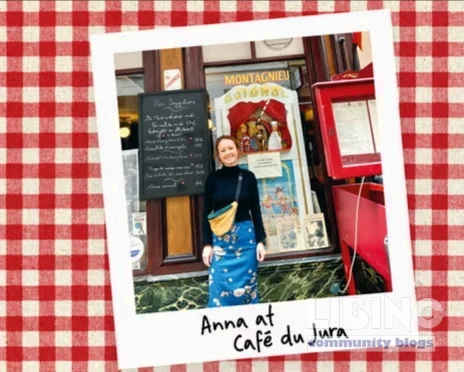
Lyon bouchons: An analytical examination of authenticity, history, and the carnivorous ritual at Lyon's iconic eateries
Table of contents
- Lead and thesis
- 1. Through analytics: The anatomy of Lyon bouchons
- 2. Through contrast: Myths vs reality
- 3. Through cause and effect: History and influence
- 4. Through expert reconstruction: Experiential guidance
Lyon bouchons present an invitation to eat with a city’s memory, but the doorway is not automatic. They promise warmth, abundance, and a sense of belonging; they often deliver, yet many are compromised by tourist pretensions and shifting tastes. The central question is not merely which dishes taste best, but what the setting signals about Lyonnaise gastronomy and the social fabric that sustains it. This article surveys the anatomy of authentic bouchons, traces their historical arc, contrasts them with tourist traps, and offers a practical guide for readers who want a true, living experience of Lyon’s culinary culture.
1. Through analytics: The anatomy of Lyon bouchons
What defines a bouchon goes beyond decor. The instinctive hallmarks are shared tables, red gingham tablecloths, chalkboard menus, and pots de vin on the counter. These elements encode a tradition of conviviality that frames the meal as a social ritual as much as a list of dishes. In Lyonnaise gastronomy, the emphasis on abundance and robust flavor marks the dining experience as a public performance rather than a private feast. The analytic task is to separate legendary narrative from authentic practice, and the best signals point to consistency, not whimsy.
In Lyon, bouchons clustered along the city’s gateways in the Renaissance, particularly in Vaise, Croix-Rousse and La Guillotière, the neighborhoods that once ferried merchants and travelers into Lyon. The notion that the name derives from a wine cork is appealing but historically dubious; the straw-marked doors story reflects a different facet of the same ecosystem—open inns serving food to a roving clientele. Geography matters because proximity to silk districts, river trade, and caravan routes shaped who ate where and when, imprinting a culinary signature on the soul of the bouchon.
Physically and gastronomically, the tradition leans toward meat and offal as core elements, with vegetables playing a more modest supporting role in the early stages of a meal. The 19th century witnessed the rise of Mères Lyonnaises, women who ran bouchons and imparted a distinctive repertoire: andouillette, rognon de veau, and cervelle de canut, a soft cheese whipped with shallots, garlic and herbs. Silk merchants and weavers fed on heartiness and simplicity, turning appetite into a proof of skill and community resilience. The culinary vocabulary grew around offal and hearty cuts, a reflection of resource availability and labor rhythms rather than mere taste preferences.
Michelin’s ascent into Lyon’s bouchons began with Eugénie Brazier, who earned six stars across two restaurants in 1933, a record that stood for decades. Her achievement anchored Lyon’s cuisine in the global map and created a template for rigor, technique, and hospitality that subsequent generations of bouchon operators either pursued or contested. The double-edged legacy is clear: authenticity became a marketable brand while the temptation to adapt for tourism created a new denominator for evaluating what counts as genuine. The current evaluation of Lyon bouchons thus hinges on a balance between tradition and adaptation, a negotiation between local memory and global demand.
From this historical vantage, mâchon—the Lyonnais take on bottomless brunch—emerges as a functional bridge between past and present, providing a glimpse into how working rhythms shaped dining rituals. Bouchons remain a place where silk workers and office workers alike share a table, drink wine, and talk through a meal that often features offal and robust sauces. The criterion for authenticity, then, rests on a kitchen that preserves memory while managing a modern dining room’s expectations for service speed, consistency, and value. This is the analytic foundation for understanding Lyon bouchons as living institutions rather than static relics.
2. Through contrast: Myths vs reality
To discern authenticity, one must compare bouchons with tourist traps, traditional brasseries, and modern bistros. The gulf often lies in menu transparency, portion philosophy, and the social contract at the table. In Lyonnaise gastronomy, the hallmark is a preference for hearty flavor and unadorned presentation over plating for effect; the test is whether the kitchen delivers substance without pretension. A genuine bouchon does not merely serve food; it channels the city’s labor history and communal ritual into a meal that feels both familiar and restorative.
Consider a real encounter: a spot celebrated for quenelles with crayfish sauce, where locals fill the room and the staff balances warmth with brisk efficiency. The quenelle—a dumpling of eggs, flour, and butter often served in crayfish sauce—occupies a central place in Lyon’s canon. The decor, with red-and-white curtains patterned with chickens and a bar crowded with carafes of wine, signals tradition, but the decisive factor remains the texture and flavor beneath the crust: is the quenelle light yet resilient, is the sauce richly seasoned, and is the execution faithful to a regional idiom? Memory can be powerful, yet it must be anchored in present taste. This is the frontline where historical expectation meets contemporary dining practice and the result tests whether a bouchon remains vital or merely nostalgic.
In another contrast, the old-town bouchon often carries higher tourist traffic and price pressures, occasionally diluting offal options in favor of crowd-pleasing staples. Yet there are places where a pâté en croûte—a large pork pie with a port, cognac, and cherry jelly—coexists with a vegetarian option for groups, signaling a nuanced approach to tradition and modern dining demands. The standout can be a chef’s pâté en croûte or oxtail macaroni gratin with foie gras, complex dishes that reveal the kitchen’s capacity to honor memory while pushing flavor boundaries. The key challenge for the discerning diner is to avoid equating tourist flux with culinary quality and instead learn to recognize consistent technique, soulful seasoning, and a humane pace of service that respects the meal as a social act rather than a speed-run through a menu.
Within this contrast, a contemporary exemplar appears in a small bouchon run by a fourth-generation team, where a short set menu shapes choice and the kitchen remains deeply attached to memory. The experience underscores a social economy at work: long-standing families nurture recipes, while a rotating staff brings new energy without erasing the past. The moral is clear: authenticity is not a fixed template but a dynamic practice shaped by people, place, and time. The best bouchons fuse tradition with a practical hospitality sense that makes each table a shared conversation rather than a mere table for one’s own appetite.
3. Through cause and effect: History and influence
The bouchon’s origin lies in the 19th-century labor economy of Canuts, silk workers whose long shifts demanded affordable, nourishing meals that could be consumed quickly. Bouchons offered a social space where workers managed to eat heartily and socialize, a practice we can read as a culinary solution to industrial rhythms. The dishes—andouillette, rognon de veau, cervelle de canut—reflect resource constraints and regional pride, turning a meal into a marker of identity. This is why the cuisine reads as both practical nourishment and cultural memory in Lyonnaise gastronomy.
As the city’s diners multiplied and the Michelin Guide appeared on the scene, Lyon’s bouchons entered a new stage. The Brazier years created a benchmark for culinary rigor that defined Lyon’s reputation for decades. The effect extended beyond awards: it set expectations about technique, provenance, and hospitality, shaping how diners gauge authenticity. The risk, however, is the misalignment between star-driven prestige and the original spirit of communal eating that gave bouchons their soul. The best bouchons negotiate this tension by preserving the convivial, family-driven ethos even as they attract a broader audience with consistent quality and reasonable pricing.
Today, that historical arc informs the city’s dining culture in concrete ways. Mâchon remains a weekday ritual for workers and office staff, but the menu tends to be meat-forward rather than vegetable-led, preserving a core identity while accommodating a wider palate. The influence of the Michelin era persists, but the most enduring sign of authenticity is a kitchen’s ability to sustain memory—through ingredients, methods, and the cadence of service—without surrendering to the pressures of scale or trendiness. Lyonnaise gastronomy thus endures as a living dialogue between past and present, where memory is not a museum piece but a working vocabulary used at table every day.
In sum, the historical chain from 19th-century ateliers to 21st-century bouchons reveals the resilience of culinary identity. Authenticity is not nostalgia but continuity: a willingness to absorb new influences while keeping core techniques and social rituals intact. The real authenticity test is whether the kitchen remains generous, the flavors honest, and the dining room a space where people come together to share a meal that feels both local and enduring. If these conditions hold, Lyon bouchons stay true to their purpose as living institutions of the city’s culinary memory.
4. Through expert reconstruction: Experiential guidance
What should an informed eater seek when approaching Lyon’s bouchons? The first principle is continuity of craft over spectacle. The second is confirmation that dishes align with core Lyonnais gastronomy, including the willingness to explore offal and rustic meat preparations as windows into history. The third principle is locating local favorites in neighborhoods that historically fed silk workers rather than chasing the most famous tourist traps. The following guidance translates this philosophy into practical steps for an authentic encounter.
What to look for when choosing a bouchon
- Historically authentic neighborhoods like Vaise, Croix-Rousse, and La Guillotière, which sheltered bouchons long before Vieux Lyon became a magnet for visitors.
- A short set menu with a strong emphasis on meat and offal rather than a wide, trendy selection.
- A wine list featuring Beaujolais and Rhône Valley wines; a lively, unpretentious dining room signals a genuine bouchon atmosphere.
What to order to test the kitchen’s memory
- Quenelles with crayfish sauce or quenelle de brochet (pike) in a rich sauce, to test texture, sauce, and balance.
- Pâté en croûte, a pork-and-jelly classic, to evaluate seasoning and jelly harmony.
- Rognon de veau andouillette, cervelle de canut, to assess fidelity to tradition and flavor punch.
- Poulet au vinaigre, a braised chicken dish that reveals how the kitchen handles acidity, aromatics, and cream without masking meat quality.
To orient your palate, consider the case of a bouchon run by a fourth generation of women in the kitchen and front of house. A compact set menu, a room full of locals with carafes on the table, and a kitchen that quietly honors memory while delivering robust flavors—these are the strongest signals of authenticity. The dish choices matter, but the overarching criterion is whether the kitchen preserves place, generosity, and character in every plate that leaves the kitchen. This is the essence of authentic Lyon bouchons: a living archive of the city’s cuisine that you can taste and discuss at the table.
Below is a simple visual cue in the spirit of traditional Lyon culture, illustrating how a quenelle is shaped and plated in a classic presentation:
The practical outcome is simple: authenticity is a function of recipe fidelity and social ritual, not solely menu variety. When memory and meaning align with a room’s lived-in character, Lyon bouchons deliver the core promise of their tradition: communal meals that honor labor, region, and craft. If you walk away with a sense of having eaten with locals, you have experienced the heart of Lyonnaise gastronomy rather than merely tasted a dish.
As this analysis suggests, Lyon bouchons are not static relics but evolving institutions. They adapt to new diners and tastes while preserving a core set of values: abundance, warmth, and an unapologetically robust culinary voice. The next time you sit down at a red-checked table, listen for the clatter of dishes, watch the spoon carve through a sauce, and remember you are sharing in a long tradition that continues to evolve—one bite, one story at a time.
5. Practical, neighborhood-based itinerary for authenticity
For a tested, repeatable encounter with Lyonnais bouchons, adopt a tight itinerary that threads Croix-Rousse, La Guillotière, and Vaise with a single set menu, a table shared with locals, and a kitchen that preserves method over novelty. The aim is to sample memory in action: two hours at each stop, a compact sequence of dishes, and a pace that keeps the meal as a social ritual rather than a race. Reserve in advance during peak season, and let time shift from eating to conversations about provenance, technique, and the city itself.
| Signal | Authentic bouchon | Tourist trap |
|---|---|---|
| Table setup | Shared tables, red gingham, chalkboard menus | Private tables, glossy menus |
| Menu | Compact, meat/offal-led repertoire | Broad, image-driven selections |
| Pace | Measured, relational service | Fast, perfunctory service |
| Wine | Beaujolais/Rhône on list | Generic regional list |
Concretely, commence dans une bouchon historique autour de Croix-Rousse, goûte une quenelle légère et la sauce, puis déplace-toi vers La Guillotière pour un pâté en croûte ou une rognon de veau, et termine dans Vaise avec un poulet au vinaigre et un dessert simple mais mémorable. Cette simplicité de parcours permet de comparer persistance des saveurs et sociabilité sur plusieurs cadres urbains, sans sacrifier l’esprit communautaire qui définit la bouchon lyonnaise.
What signals indicate an authentic Lyon bouchon?
Authenticity comes from living practice, not decor. A genuine bouchon shows a long-standing neighborhood character, a compact menu focused on meat and offal, shared tables, unpretentious service, and a wine list that foregrounds Beaujolais and regional Rhône values. In practice, you should feel welcomed by regulars, hear staff blend locals with visitors in dialogue, and taste dishes that stay faithful to memory rather than chasing trend. The first bite should feel like a memory reawakened, not a staged experience.
Analytically, the strongest signals are persistent technique, clear provenance, and a dining rhythm that respects conversation as part of the meal. These cues outperform glossy signage or curated photo-ops in predicting lasting quality.
Which dishes best reveal a bouchon’s memory?
Prioritize quenelles (especially quenelles de brochet or with crayfish sauce) for texture and balance, pâté en croûte for seasoning and jelly harmony, rognon de veau and andouillette for traditional depth, and cervelle de canut for regional dairy character. These dishes test core Lyonnais vocabulary—texture, fat, and herbaceous lift—while linking present technique to historic practice. Vegetarian options, if present, should feel secondary to the central meat-forward tradition and still demonstrate thoughtful preparation and locality.
Which neighborhoods are best for authentic experiences?
Authenticity clusters where memory remained intact: Vaise, Croix-Rousse, and La Guillotière, historically fed by silk districts and river trade. In these zones you’ll encounter families who have passed recipes across generations, small kitchens that maintain a steady cadence, and a social atmosphere that includes locals of all ages. While the old-town can host excellent bouchons, the most genuine experiences tend to be found off the tourist paths, where price pressure is lower and pace allows for a slower, more social meal.
How does price and pacing signal authenticity?
Authentic bouchons balance value and craft. Expect modest prices relative to high-tourist seating and a pace that lets conversations unfold and dishes arrive with rhythm. If service feels rushed or menus seem designed for quick turnover, the setting may be leaning toward spectacle rather than memory. In contrast, a steady tempo with steady, familiar dishes signals that memory is front and center, not marketing.
Has Michelin altered Lyon bouchons, and how should a traveler respond?
Michelin’s prestige raised expectations for technique and consistency but risked drifting from communal dining. A savvy traveler prioritizes kitchens that sustain memory and hospitality, even if not in the most famous outlets. Seek places that maintain a human pace, clear memory-driven menus, and a willingness to honor tradition while accommodating modern tastes. The right bouchon can coexist with Michelin recognition, precisely because it preserves the social ritual at the meal’s core.
Are there vegetarian options in bouchons?
Vegetarian options exist in some bouchons, but they should complement the meat-focused canon rather than replace it. Look for vegetable-forward dishes that echo regional produce, such as mushroom-based preparations or legumes with robust sauces, while the anchoring dishes remain meat-centric. A well-balanced menu demonstrates kitchen adaptability without sacrificing the memory-driven identity that defines the bouchon experience.





Add a comment
To comment, you need to register and authorize
Comments