

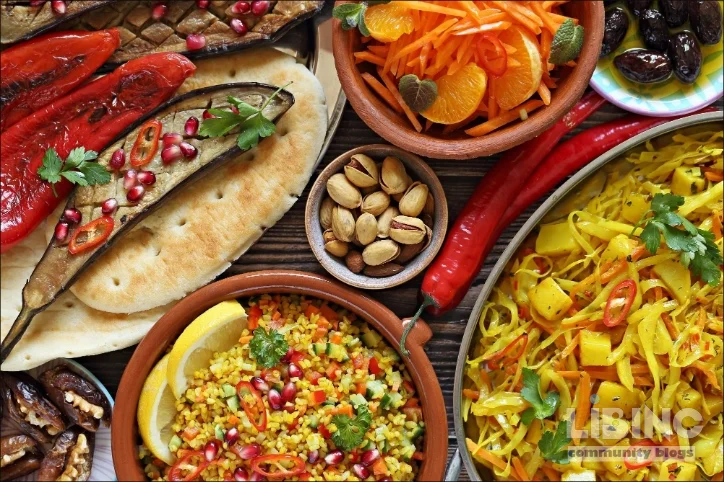
Unpacking the African Heritage Diet: Immunometabolic Benefits, Microbiome, and Traditional Foodways
Table of Contents
- Analytics: Decoding the African heritage diet through data
- Contrast: Heritage vs Western dietary patterns
- Cause-and-effect: Mechanistic pathways linking diet to metabolism and inflammation
- Expert reconstruction: Future directions and research gaps
Across Africa and in the diaspora, traditional dietary patterns persist as a counterbalance to rapid dietary westernization. The African heritage diet foregrounds cereals, pulses, leafy greens, whole grains, root vegetables, fruits, nuts, and seeds, while steering away from ultra processed foods and refined sugars. This configuration links to high fiber, diverse polyphenols, and plant based phytochemicals that are associated with improved cardiometabolic health, healthier gut function, and reduced inflammatory burden. Yet the evidence for long term disease prevention remains limited and regionally variable, demanding careful synthesis beyond single country trials.
Because the diet shifts interact with microbiome ecology, the African heritage pattern may modulate gut microbial communities and their metabolic outputs. Mechanisms such as short chain fatty acid production, barrier integrity of the gut, and anti inflammatory signaling provide a plausible biological bridge from fiber rich meals to systemic health. However, the diversity of Africa and the diaspora means that exact food combinations and portions matter, and energy balance or physical activity can modulate observed effects. These complexities underscore the need for robust, regionally representative research that can separate diet effects from lifestyle and measurement artifacts.
Analytics: Decoding the African heritage diet through data
Analyses of dietary components across African and diaspora cuisines show a core pattern: legumes, leafy greens, whole grains, and tubers are central to most traditional meals. This constellation delivers fermentable fiber, polyphenols, and a broad micronutrient spectrum that collectively support metabolic health and gut resilience. The consistency of these patterns across regions, despite regional staple variation, signals a functional framework rather than a single fixed menu. In practice, this means that adherence to a plant forward, minimally processed pattern may yield comparable benefits even as dishes vary from coastal to inland communities.
Quantitative contrasts from Kilimanjaro region work reveal meaningful differences in macronutrient balance between heritage style and Western style menus. In the Kilimanjaro intervention, dietary fiber contributed about 14 percent of total energy and fat about 7 percent, compared with 3.5 percent and 23 percent in the Western style control. These contrasts create a substrate landscape favorable to gut microbial fermentation and SCFA production, which in turn can influence inflammatory signaling and metabolic regulation. It is important to note that energy intake and the duration of exposure modulate the magnitude of any immunometabolic responses.
Fermentation plays a central role in the data narrative. Traditional fermentation introduces diverse microbial populations and bioactive metabolites that can enhance nutrient availability and influence immune function. The Tanzanian trial is one of the few to test this mechanism directly through a traditional fermented beverage arm, yet the design limitations temper causal claims about fermentation alone. Nonetheless, fermented foods consistently correlate with expanded microbiome diversity and potential anti inflammatory dynamics in observational and interventional settings.
Interpretation of these findings requires caution. The heritage style pattern lowers reliance on ultra processed foods and refined sugars, but regional sugar intake varies and energy balance matters. The Kilimanjaro trial was open label and not isocaloric, which means some immunometabolic changes could reflect energy surplus or deficit rather than diet per se. These caveats highlight the need for controlled feeding studies with longer follow up and standardized intake assessment to link dietary pattern to durable clinical outcomes such as glucose regulation and cardiovascular risk markers.
Contrast: Heritage vs Western dietary patterns
Western dietary patterns are characterized by refined carbohydrates, added sugars, processed meats, and high saturated fat foods. The glycemic load and reduced fiber density of these patterns contrast with the high fiber, minimally processed plant based profile typical of the heritage diet. This combination fosters a metabolic milieu linked to dysbiosis, systemic inflammation, and elevated cardiometabolic risk in many urban populations. In short, the Western diet imposes structural constraints that undermine gut barrier function and immune homeostasis relative to traditional patterns.
In the Kilimanjaro trial, participants shifted between Western style meals and Kilimanjaro heritage style meals over two weeks, with measurable changes in immunometabolic markers. Switching to the heritage style produced reductions in a set of inflammatory and cardiometabolic proteins, while returning to Western foods tended to revert several markers upward and was associated with a median weight gain. Yet the ad libitum feeding design means energy intake and caloric surplus cannot be fully disentangled from diet composition, which clouds inference about the isolated effect of dietary pattern on health signals.
Independent cross sectional data from the same region strengthen the narrative. In a separate cohort, individuals clustered into heritage style versus Western style dietary patterns showed lower inflammation related protein levels in the heritage cluster, supporting the trial signals but underscoring the need for longitudinal causal studies to confirm directionality and durability of effects.
Cause-and-effect: Mechanistic pathways linking diet to metabolism and inflammation
The mechanism hinges on fiber and polyphenolic substrates shaping the gut ecosystem toward SCFA production, especially butyrate. Butyrate nourishes colonocytes, reinforces tight junctions, and modulates immune signaling pathways, contributing to reduced systemic inflammation and improved insulin sensitivity. These mechanisms offer a plausible link between regular high fiber meals and observed immunometabolic benefits of the heritage diet, even as the global evidence remains probabilistic rather than deterministic.
Fermented foods and plant based substrates influence microbial ecology toward Prevotella enriched communities and SCFA producing taxa such as Faecalibacterium, Roseburia, and Ruminococcus. The functional outputs include enhanced mucus production, stronger gut barrier, and anti inflammatory cytokine responses in certain contexts. These microbial shifts provide a potential biological explanation for the lower inflammatory profile seen with heritage style eating, though context and study design guide interpretation.
Energy balance and nutrient density remain critical. The Kilimanjaro trial captured an energy intake difference that likely contributed to observed immunometabolic shifts, particularly in the short term, and the non isocaloric design makes it difficult to attribute changes exclusively to dietary pattern. This caveat reinforces the broader point that diet is a pattern, not a single course, and sustained health benefits require adherence and integrated lifestyle changes.
Expert reconstruction: Future directions and research gaps
The current evidence base supports plausibility and short term immunometabolic benefits but falls short of establishing causation for chronic disease prevention. Large scale, multi regional randomized trials with longer follow up, isocaloric designs, and standardized dietary assessment are needed to test whether African heritage diet confers durable protection against glucose dysregulation, hypertension, and cardiovascular events.
Future work should map metabolomic profiles and microbiome dynamics across diverse populations, including women and older adults, and across multiple regions. Longitudinal sampling of the gut microbiome, standardized fermentation profiles, and controlled feeding designs will help isolate diet effects from confounders and illuminate pathways linking dietary fiber and polyphenols to clinical outcomes.
Translating findings into policy and practice requires culturally respectful frameworks that honor heritage and support local producers, while avoiding romanticization of a single traditional menu. Public health programs should promote high fiber, minimally processed dietary patterns and align with regional food systems and food sovereignty.
Taken together, the African heritage diet offers a plausible route to improve immunometabolic health through fiber, fermentation, and plant derived nutrients, yet its full preventive potential awaits rigorous, representative testing. The path forward is to integrate traditional knowledge with rigorous trial design to build nutrition science that respects culture and serves public health goals.
Practical Adoption Path: Coordinated Implementation
Real-world adherence hinges on energy balance, portion guidance, and regional foodways. A culturally respectful, scalable approach translates trial findings into everyday choices that preserve fiber density, minimally processed foods, and fermentation.
Diet Pattern Comparison
| Aspect | Heritage | Western | Gut Impact | Energy Pattern | Notes |
|---|---|---|---|---|---|
| Fiber density | High | Low | Supports SCFA | Lower GL | Context matters |
| Processing | Minimally processed | Ultra-processed | Supports barrier function | Energy balance critical | Regional variation |
| Fermentation | Common regionally | Less common | Reduces inflammation in some contexts | Variable impact | Food systems shape outcome |
Practical implementation couples meal composition with tangible portions that fit daily energy needs. For example, a two-meal pattern built around legume and leafy-vegetable staples can be scaled to family size, with fermentation introduced gradually via yogurt, tempeh, or traditional beverages where culturally appropriate.
These practical steps do not occur in isolation; physical activity, sleep, and cultural acceptability all shape outcomes. Providing simple recipe templates, local sourcing guides, and community cooking sessions can sustain adherence while preserving local food sovereignty.
One-day sample plan
- Breakfast: porridge with legumes and nuts
- Lunch: leafy greens with whole grains and beans
- Dinner: root vegetables with fish or plant protein
- Snacks: fruit, seeds, and a fermented beverage
Adopting this approach requires patience and iteration, with ongoing monitoring of energy intake, gut comfort, and metabolic markers to refine portions and food choices for long-term health benefits.
What is the African heritage diet?
The African heritage diet centers on plant-forward meals built from legumes, leafy greens, whole grains, tubers, fruits, nuts, seeds, and fermented foods, emphasizes minimal processing and limited added sugars, and invites regional variation so that local staples help preserve culture while promoting health through high fiber, diverse polyphenols, and a microbiome capable of producing short-chain fatty acids that support gut barrier function and systemic metabolism; the practical path includes region-specific swaps and community cooking sessions to improve adherence without sacrificing flavor or culture.
How does fiber intake affect gut health and immunometabolic markers?
High fiber fuels a diverse gut microbiome, boosts short-chain fatty acid production, and supports barrier integrity, which can dampen systemic inflammation and improve insulin sensitivity; the effect is strongest when fiber comes from a variety of plant sources rather than a single staple, and it depends on overall energy balance and physical activity.
What evidence exists from the Kilimanjaro trial?
The Kilimanjaro trial showed that heritage-style meals increased fiber intake and reduced several inflammatory and cardiometabolic proteins compared with Western-style meals, though energy intake differed and was not isocaloric; results support plausibility rather than definitive causation for long-term outcomes.
How can someone implement the heritage diet while managing energy balance?
Start with practical portions anchored to daily energy needs, swap refined grains for whole grains, increase legumes and leafy greens, and introduce fermented foods gradually; track hunger, energy, and basic biomarkers to adjust portions and maintain long-term adherence across different settings.
Are there cultural considerations or regional variations?
Yes; the diet must respect local staples, food sovereignty, and cooking traditions; effectiveness depends on authentic recipes, accessible ingredients, and community-based support that honors regional flavors while preserving nutritional goals.
What future research is needed?
Large, multi-regional, isocaloric randomized trials with standardized intake assessment and long follow-up are needed to confirm durable health benefits, alongside metabolomic and microbiome profiling to map mechanisms across diverse populations and life stages.







Add a comment
To comment, you need to register and authorize
Comments
Beyond energy balance, another axis worth weaving into study designs is the heterogeneity of dietary practices within Africa and the diaspora. Traditional menus vary in staple crops, fermentation practices, and spice usage, all of which can modulate fermentation products and micronutrient availability. A robust research plan would move beyond a single archetype and instead test regionally representative heritage patterns, including fermented foods, leaf greens, tubers, and pulses, while documenting the local culinary context. This would support conclusions about generalizability and guard against romanticizing a single culinary template. It would also help identify which components are most consistently associated with favorable immunometabolic signals, and whether certain food pairings or meal timings magnify those effects.
A holistic agenda would couple randomized trials with longitudinal observational work, leveraging modern omics to map pathways from specific fiber types and polyphenols to microbial taxa shifts and metabolite outputs. Metabolomics could illuminate whether particular polyphenol–fermentation metabolite signatures track with improvements in insulin sensitivity or inflammatory markers. Microbiome profiling should be paired with functional assays, such as barrier integrity tests and ex vivo inflammatory responses, to translate changes in composition into tangible host effects. Translationally, policy and public health work should emphasize both the preservation of regional food systems and the avoidance of overgeneralizing a single heritage menu as a universal prescription. Community engagement, co-creation with local food producers, and respectful framing of traditional knowledge are essential to ensure interventions are acceptable, scalable, and equitable.
As researchers and communicators, we should also attend to potential pitfalls. Fermented foods can introduce diverse microbial communities but may also carry risks for certain individuals or contexts; not every fermentation product is universally beneficial, and not all polyphenols are equally bioavailable across diets and gut ecologies. It is plausible that some individuals experience improvements in gut barrier with higher fiber intake, while others may respond differently due to baseline microbiome composition or genetics. Such heterogeneity calls for personalized or stratified approaches within population strategies, recognizing that a one-size-fits-all message may dilute potential benefits. In light of these considerations, what would a balanced, culturally respectful pathway to public health recommendations look like? It would likely combine clear guidance on prioritizing whole plant foods and reduced ultra processed items with flexible, locally adapted menus and rigorous evaluation of health outcomes over meaningful time horizons. Enduring progress will hinge on cross-disciplinary collaboration, transparent reporting of limitations, and a willingness to revise recommendations as regional evidence accumulates. What creative trial designs or community-based partnerships could best capture the interplay of diet, gut ecology, and immunometabolic health across diverse African populations?