

Live-Action Moana: An Analytical Thesis on Transforming a Beloved Animation into Real-World Storytelling
- Block 1 — Through analytics: live-action Moana
- Block 2 — Through contrast: live-action Moana
- Block 3 — Through cause-and-effect relationships: live-action Moana
- Block 4 — Through expert reconstruction: live-action Moana
Moana began as an animated beacon, inviting families to sing along and sail with a fearless princess. The live-action version asks a tougher question: can flesh and blood performers carry the same emotional gravity, musical propulsion, and cultural specificity without turning the story into a mere recreation? For director Thomas Kail, the answer lies in trust—trust the core characters, trust the songs, and trust that live performance can deepen rather than dilute connection. The stakes extend beyond nostalgia: this adaptation must stand for a new generation of viewers while honoring Pacific Island culture, family dynamics, and the universal language of loss and empathy. The direction is not to remake, but to offer a companion that expands the Moana universe without erasing what made the original memorable. This piece probes how that balance is pursued in practice.
Block 1 — Through analytics: live-action Moana
From the outset Kail relies on his theatre instincts to gauge what the live-action format can gain and lose. Real performers bring micro-reactions, breath, and tempo that animation cannot replicate, producing a more instantaneous reading of emotion. Lin-Manuel Miranda provides a lyrical blueprint; his songs do more than entertain, they reveal motive and push the scene forward. The cast includes more than 200 Pacific Island performers, a deliberate choice that aims for cultural authenticity rather than token inclusions. These decisions leave measurable traces in production design, casting pipelines, and audience reception.
The analytics also track how location, props, and water sequence shift immersion from the screen to the body in the cinema of performance. In effect the live-action version foregrounds Polynesian culture through tactile details, from costumes to adornments, creating a steadier sense of place that the original animation conveys through color and movement alone.
- Realism heightens emotional resonance by revealing genuine facial expressions and breath
- Physical production and location choices increase perceived authenticity
- Live music integration preserves narrative drive through lyric pacing
- Cultural representation becomes a measurable asset in audience trust
The analytics also reveal how the collaboration among Kail, Miranda, and a vast Pacific cast shapes a distinct emotional signature. The ocean as a thematic force remains, but it is embodied by real bodies, real water, and real reaction to danger and hope. These elements translate into a slower, more patient rhythm that rewards attentive viewing and family dialogue beyond the screen.
Block 2 — Through contrast: live-action Moana
The contrast with the original Moana is not a simple retelling but a re-sculpting of emphasis. The live-action version embraces scenes that did not exist in the animation and, in some cases, expands those that did. A key difference is the ending moment when Moana returns to the village and it culminates with a mountain top glimpse of her role in the community. This sequence shifts the narrative from individual quest to communal renewal, underscoring a message that the voyage is as much about responsibility as self discovery. There is also a new song Along The Way, performed by the original voice actress and her collaborators, which broadens the musical fabric without altering the core melodies that fans already know. The film remains faithful to its call to courage while adopting a more tactile, human scale of emotion.
Compared to the animated predecessor, the live-action Moana leans into concrete environments and practical effects. Real props, actual coastlines, and tangible set pieces replace animated surrogates, which alters how audiences experience danger, wonder, and resilience. The shift affects pacing, with longer takes that invite viewers to read characters through subtle gestures rather than brisk musical montages. The effect is a more grounded, sometimes slower, but ultimately deeper emotional comprehension of the character dynamics and the cultural context that shapes them.
- New scenes expand emotional arcs and communal stakes
- Characterization of Moana emphasizes maturity and diplomacy
- Maui gains added physical presence and temperament through real-world performance
- Setting changes heighten cultural memory and place
Block 3 — Through cause-and-effect relationships: live-action Moana
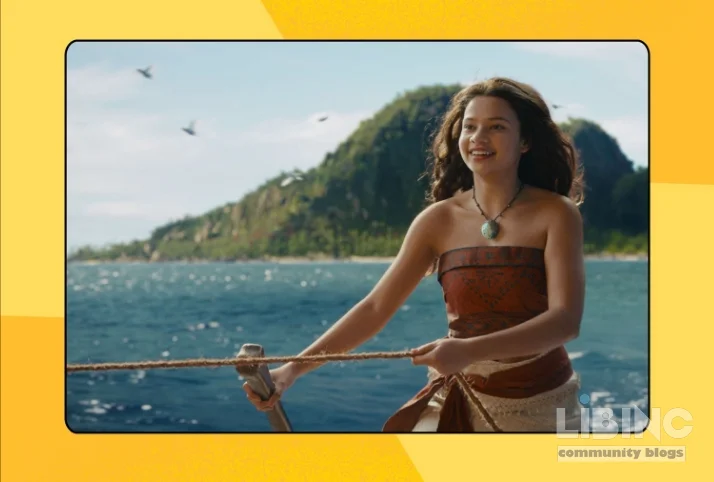
The casting choices drive causal chains that influence everything from tone to audience segmentation. The search for Moana yielded a standout: Catherine Lagaʻaia, who from the first audition showed a luminous combination of empathy, boldness, and humanity. Kail notes that she was only 16 at the first tapes and had minimal screen experience, yet that spark suggested a future in which the character embodies both leadership and vulnerability. The greater Pacific cast matters beyond representation; it signals a shift toward a more authentic cultural ecosystem on screen, with ripple effects for casting pipelines and community engagement. These decisions interact with music, choreography, and set design to produce a film that feels lived in, not merely rendered.
The addition of Along The Way and the expanded ancestor sequence reshape how audiences experience memory and lineage. The songs serve as narrative accelerants, but they also anchor cultural continuity across generations. The emotional arc grows from personal resolve to collective memory, with loss and resilience threaded through each scene. The film uses empathy as its engine, teaching that a life lesson is not simply learned but shared within a community that sustains you even after a voyage ends.
- Casting choices alter emotional routing and audience empathy
- New songs function as narrative accelerants and cultural anchors
- Expanded ancestral imagery deepens memory and belonging
- Friendship and family dynamics become central to the voyage’s outcome
The opening scene, in which baby Moana heads toward the sea and then prioritizes a turtle in trouble, establishes a throughline: empathy is the ocean that shapes destiny. This pivot reframes the moral core from a hero who conquers fate to a community that learns to listen to guidance from their environment, ancestors, and one another. In practice, that means the film invites parents to engage with difficult conversations about loss and memory, using Grandma's line there is nowhere that you can go that I wont be with you as a bridge between sorrow and continuity.
Block 4 — Through expert reconstruction: live-action Moana
The live-action Moana can be read as a sophisticated reconstruction of a cherished property rather than a replacement. Experts understand a companion approach as the most faithful path to respect a beloved film while inviting fresh audiences to experience the oceanic call. The balance rests on honoring the source material’s spirit—empathy, courage, and communal ties—while letting the new format and cast illuminate the story’s relevance for a different generation. In this frame, the film becomes a cultural memorial, not a museum piece, where real people and real places re-create the myth with immediacy and reverberation.
A notable expert reconstruction move is the integration of an Easter egg that links Dwayne Johnsons family to the production and to Johnsons own journey as a performer. The moment acknowledges lineage, memory, and continuity across generations, anchoring the live-action in a broader social and familial context. This is not mere fan service; it is a deliberate strategy to expand the Moana narrative into a living, intergenerational conversation that can live on beyond a single viewing.
- Companion framing preserves the original spirit while inviting novelty
- Real-world casting and locations heighten cultural representation and audience trust
- New musical and visual motifs extend the universe without erasing the first film
- Intergenerational references strengthen the film as a cultural artifact
Looking ahead, expert reconstruction suggests several guardrails for future adaptations. Prioritize authentic voices from the communities depicted, maintain core emotional beats that define the character arcs, and treat musical storytelling as a dynamic engine rather than a decorative layer. In addition, ensure that every new scene or song amplifies empathy and communal resilience, not just spectacle. The result should be a living extension of the Moana universe that respects the original while thriving in a contemporary cinematic landscape.
In sum, the live-action Moana attempts to broaden the story's reach by leaning into tangible performance and cultural resonance. It positions the film as a carefully calibrated companion rather than a replacement, inviting a new generation to answer the oceanic call while offering longtime fans a richer, more tactile experience of the voyage. The method is as important as the message: when you trust the heart of the characters and the value of community, the sea can speak in many tongues, and the story remains irresistibly afloat.
Addressing a critical gap: authentic community engagement in live-action Moana
To deepen cultural authenticity in a live-action adaptation, explicit, ongoing collaboration with Pacific Island communities is essential. This engagement should go beyond token consults and tight deadlines; it must involve elders, dancers, navigators, artisans, and language experts in formal roles with decision rights over casting, costumes, and on-set practices. Real-world examples could include a standing cultural advisory board with veto power on core scenes, on-site residencies for local artists during pre-production, and publicly shared notes explaining how feedback shaped the film's choices. Such transparency builds trust and anchors the narrative in living tradition.
| Aspect | Animation Moana | Live-action Moana | Notes |
|---|---|---|---|
| Performance texture | Clean lines, idealized timing | Breath, micro-reactions, real presence | Enhances emotion via real bodies |
| Choreography | Animation-assisted motion | Grounded, festival-like performance | Feels more immersive |
| Set design | Painted backdrops | On-site locations with local craft | Anchors culture in place |
| Music | Lyric-driven cues | Live performance, authentic vocals | Preserves narrative drive |
In practice, these steps translate into concrete scenes: a village set built with local wood artisans; language phrases preserved or introduced with accurate pronunciation; choreography choreographed with dancers from Pacific communities; and set decoration reflecting true adornments. These tangible details transform the audience experience from a vivid spectacle into a credible cultural encounter.
- Formal community governance: a cultural advisory board guides key choices
- On-site collaborations: residencies with Pacific artists during filming
- Transparent documentation: public notes showing feedback-to-edit flow
By aligning theatrical craft with cultural memory, the live-action adaptation becomes a more credible bridge between generations and geographies. It strengthens live-action adaptation, Pacific Island representation, and cultural authenticity in film as practical outcomes rather than abstract aims. Studios can pilot these workflows on a single sequence to measure audience resonance and iterate for broader release.
How does the live-action Moana balance fidelity with new creative choices?
Balancing fidelity with fresh choices in a live-action Moana means preserving the core emotional compass—the courage to voyage, the empathy for those in need, and the sense of communal responsibility—while inviting a broader audience to experience tactile performances, updated choreography, and new musical moments that feel earned rather than ceremonial; the approach rests on maintaining the key narrative milestones and the ocean as a living motif, while expanding the world through grounded settings and authentic cultural textures that resonate with contemporary viewers.
Analytically, this balance requires transparent decision-making, measured risk-taking, and consistent pacing that keeps the audience engaged across both familiar and novel elements.
What impact does authentic casting have on audience trust?
Authentic casting signals respect for the cultures represented and creates immediate credibility; the first impression of a diverse, capable ensemble can elevate the emotional stakes and reduce viewer distraction from inauthentic elements, enabling a more immersive experience that feels earned rather than staged.
From a strategic lens, authentic casting expands niche appeal and long-term audience loyalty, particularly among communities who see themselves reflected on screen.
How do new musical numbers like Along The Way influence pacing and narrative?
New musical moments can reframe emotional arcs, provide narrative accelerants, and anchor cultural continuity; the key is integration that respects the franchise’s cadence and uses song to illuminate motivation rather than fill space.
Analytically, measure audience response to new songs through pre-release screenings and social listening to refine subsequent releases.
What practices ensure respectful cultural consultation during adaptations?
Respectful consultation requires early, ongoing engagement with community mentors, formal advisory roles, and transparent documentation of feedback; it also demands language access, shared decision rights, and acknowledgement of indigenous knowledge without over-commercialization.
In practice, implement a cultural advisory board and publish behind-the-scenes notes showing how input shaped scenes and character portrayal.
What indicators show the live-action serves as a companion piece rather than a replacement?
The strongest indicators are audience perception of continued emotional resonance with original themes, successful integration of new perspectives without erasing what came before, and positive dialogue with communities about the film’s portrayal; these factors collectively reflect a complementary relationship with the source material.
Analytics from screenings and post-release feedback help studios calibrate future extensions of the Moana universe.




Add a comment
To comment, you need to register and authorize
Comments