

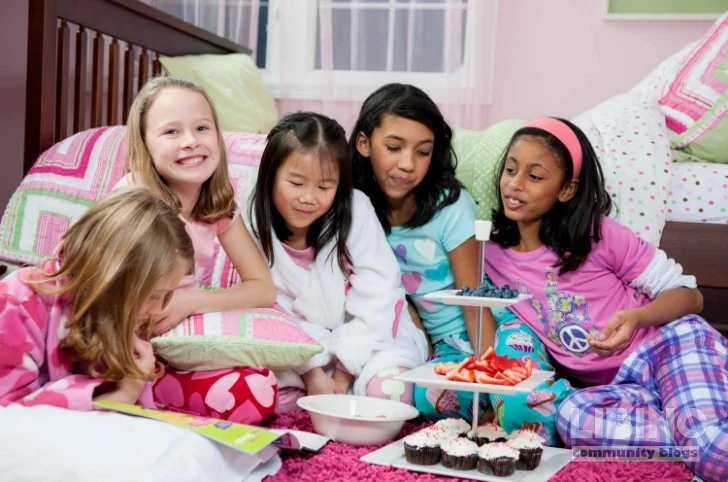
Slumber Party Mastery: An Analytical Guide to Designing Memorable Sleepovers
Let's be honest: slumber parties have evolved well beyond pillow fights and late-night whispers. Modern hosts orchestrate sleepovers that blend themed experiences with careful logistics, creating an overnight event that feels both magical and manageable. The problem isn't enthusiasm—it's how to channel that energy into an experience that kids remember for the right reasons. This guide draws on insights from party planners and parents alike to build a framework for a slumber party that is immersive, inclusive, and practically executable. The stakes are real: a poorly planned night can blur into fatigue, friction, and lost opportunities for friendship-building.
This deep dive tackles the hidden conflicts of sleepover success: how to deliver excitement without overwhelming the hosts or the guests, how to sustain sleep and mood, and how to preserve safety while encouraging social bonding. The direction is data-informed and experience-tested: we start with analytics on dates, guest selection, and space; then we compare pathways that work and those that don't; finally, we synthesize expert recommendations into a concrete blueprint. This is not about chasing trends but about making slumber parties purposeful, memorable, and scalable.
Slumber Party Mastery: Designing Memorable Sleepovers Through Data and Insight
Through analytics
In planning a slumber party, the first questions should be empirical rather than purely aspirational. The goal is to translate enthusiasm into constraints that actually increase the odds of a successful night. A data-informed approach starts with the calendar, the guest list, and the space available, then moves to a sequencing of events that respects energy levels and rest needs. This is not about rigid checklists; it is about a decision framework that adapts to real-world conditions while preserving the magic of a sleepover.
Key variables shape the quality of a slumber party more than the most elaborate decorations: date, guest compatibility, room allocation, and a balanced pace between activity and downtime. By selecting a date that maximizes preparation time (typically a Saturday), you gain the benefit of daylight hours for setup and a Sunday for recovery. The guest count matters because intimate groups—roughly five to eight kids—facilitate belonging and reduce logistical friction. Larger gatherings demand more structure and space, which can dilute personal connections if not managed deliberately. These choices are not merely logistical; they influence social dynamics and the depth of kid-to-kid bonding.
From a space perspective, the central question becomes: where will kids sleep, and what are the implications for noise, supervision, and safety? Space constraints should drive decisions about sleeping areas, whether guests bring sleeping bags, or whether you provide tents, mats, or designated zones. The real art here lies in translating spatial planning into a sense of security and comfort that nurtures conversation and shared experiences rather than competition for resources. The ultimate result is a cohesive environment where the theme and activities flow naturally from the layout, reducing friction and increasing opportunities for connection.
Theme selection, when anchored in analytics, acts as a guiding constraint rather than a distraction. A cohesive vibe—whether nature-inspired, cosmic under the stars, or cozy spa-night—helps organize decor, activities, and food with a consistent arc. The analytics lens suggests that even simple themes can be surprisingly effective if they inform a tight schedule and a clear progression of experiences. This approach minimizes wasteful detours and ensures that resources—time, money, energy—are directed toward moments with the highest potential for memory-making. The core insight: data-informed planning yields a slumber party that feels effortless to guests while remaining controllable for the hosts, a balance essential to meaningful social bonding.
Through contrast
To truly understand what makes a slumber party unforgettable, contrast matters. A lavish, theatre-like sleepover can dazzle with scale and spectacle, but without disciplined structure, it risks overstimulation and fatigue. Conversely, a budget-friendly sleepover can excel in intimacy and authenticity if it leans into thoughtful details rather than sheer economy. The juxtaposition reveals a central principle: the value of a sleepover is less about price tag and more about the coherence of the experience and the strength of peer connections fostered through well-planned moments.
Debate often centers on whether extravagant decor, frequent activities, or premium snacks create more lasting memories. The evidence from seasoned planners suggests that the best outcomes come from moderate spectacle aligned with clear boundaries and a clear sleep plan. A nature-themed setup with flowers, leaves, and tactile materials can feel high-end without straining the budget if the budget is allocated toward the right elements: durable decor that doubles as play props, a few standout moments, and a predictable routine that signals wind-down. This is not about minimizing splendor but about aligning wow moments with psychological pacing and rest needs.
Budget considerations are not a compromise on memory; they redefine what can be achieved within constraints. A well-executed budget-friendly sleepover can rival a lavish event by prioritizing guest experience over prop quantity. The key is prioritization: invest in a few high-impact touches—like a DIY spa kit, a simple but immersive themed backdrop, and comfortable sleeping arrangements—while trimming nonessential add-ons that add noise rather than value. The contrast approach teaches that the most memorable sleepovers optimize the relationship between effort, atmosphere, and social interaction rather than chasing scale alone.
Through cause-and-effect relationships
Understanding cause and effect turns planning from guesswork into a predictable craft. The causal chain begins with guest selection and ends with lasting social connections, mediated by a few critical hinge moments: the sleep environment, the rhythm of the night, and the quality of downtime between activities. When you invite a well-matched group of five to eight kids, you increase the likelihood of positive interactions and reduce the need for constant adult mediation. This is not merely theoretical; it translates into measurable outcomes: smoother transitions, steadier energy, and more genuine conversations that endure beyond the night.
Lighting, for instance, exerts a subtle yet powerful influence. Dimmed lights starting around 9 p.m. or 10 p.m. cues the body for rest and fosters a calmer mood. When combined with soft textures, cozy sleeping spaces, and familiar comfort items (slippers, eye masks, or plush blankets), the ambiance becomes a catalyst for sleep rather than a barrier to it. The causal logic is straightforward: controlled sensory input reduces overstimulation, which preserves attention for storytelling, gentle music, or guided relaxation. This, in turn, supports social bonding and improves the probability that children wake up ready to continue sharing experiences rather than collapsing from fatigue.
Activity design matters too. A well-timed outdoor movie or a sing-along provides shared focus without forcing competition for attention. The resulting sense of inclusion reinforces friendships, and the memory of working together toward a shared goal—whether it’s setting up a tent or coordinating a scavenger hunt—becomes a durable social currency. The cause-and-effect thread shows that deliberate sequencing of events, aligned with sleep windows, yields a more cohesive, enjoyable night and stronger peer relations the next day.
Through expert reconstruction
Bringing experts into the planning process yields practical recipes that general advice often lacks. The reconstruction combines professional insights with parental intuition to produce a blueprint that is both scalable and adaptable. The core structure is simple: define a clear theme, establish a feasible guest count and sleeping arrangement, assemble a lean but high-impact activity slate, and implement a wind-down routine that respects rest needs. When these elements align, the sleepover becomes a cohesive experience rather than a collection of discrete moments.
From a practical standpoint, the expert framework translates into a four-part blueprint: preparation, execution, rest, and recovery. Preparation involves a compact shopping list, a layout plan for sleeping zones, and a contingency plan for weather or schedule changes. Execution focuses on pacing—balancing active play with quiet moments, ensuring transitions stay smooth, and maintaining safe supervision. Rest centers on the sleep area’s comfort, light control, and routines that help kids unwind. Recovery addresses post-event cooldown, a gentle debrief with kids, and the opportunity for families to reconnect after an intense night. This reconstruction emphasizes reliability and adaptability over rigid perfection, delivering a slumber party that feels curated yet natural.
Expert advice also underscores the value of a simple food strategy. Rather than a sprawling menu, opt for a few kid-friendly, easy-to-eat items that are quick to prepare and safe to manage during a late-night session. The goal is to minimize logistical noise—lines at the snack table, long kitchen runs, and complex cleanup—so that adults can focus on supervising with attentiveness and enthusiasm. A lean, well-structured culinary plan supports mood stability and sustained engagement, crucial factors in a successful sleepover experience.
In sum, expert reconstruction translates theory into a concrete, repeatable process. It reframes the slumber party from a momentary spectacle into a deliberate, emotionally resonant experience that strengthens friendships and creates durable memories. The practical takeaway is to codify the planning into a repeatable system that you can adjust for different ages, spaces, and budgets, while preserving the core objective: kids bonding in a safe, comfortable, and structured environment.
Conclusion: A compact blueprint for the modern slumber party
The modern slumber party thrives when planning is anchored in analytics, guided by contrast, understood through cause-and-effect, and realized through expert reconstruction. By treating the night as a cohesive system—where guest dynamics, space, lighting, and pacing work in harmony—you create an experience that is both memorable and manageable. The essence of a successful slumber party lies not in extravagance but in the intentional orchestration of moments that invite kids to connect, rest, and wake up ready for another shared story. The perfect party is the one where children feel seen, included, and excited to be together, regardless of the budget or scale.
Closing the safety and inclusivity gap
Even with strong planning, sleepovers rely on explicit safety and supervision practices that scale with age, space, and local rules. This section adds concrete guidelines that translate ideas into daily actions: who supervises, how to communicate rules, what to do if a child feels overwhelmed, and how to keep a calm mood as the night unfolds.
Key measures include a simple adult-to-child ratio, a photo-safe contact sheet, clearly labeled sleeping zones, and a quick buddy system. For each room, assign a primary supervisor and a backup; keep exits clear; provide a quiet area with low lighting; assemble an emergency kit with flashlight and contact cards. A four-step loop—prepare, monitor, adapt, recover—keeps control without stifling fun.
Consider a six-guest sleepover: two zones (active and quiet), two adults rotating every 90 minutes, lights out at 9:30 p.m., and a short allergy/medication checklist. The result is confidence for parents and independence for kids, with a plan that reduces improvisation when fatigue rises.
Space-and-safety Quick Guide
| Area | Key Considerations | Capacity | Supervision | Safety | Notes |
|---|---|---|---|---|---|
| Sleeping zones | Clear separation, comfy surfaces | 5-8 | Lead + backup | Exits accessible | Label zones |
| Active play | Non-slip mats | Up to 8 | Rotate staff | First aid kit visible | Keep noise moderate |
| Quiet corner | Dim lights, soft textures | 4-6 | One adult observe | Blankets handy | Encourage calm down |
| Snack zone | Allergen awareness | 6-8 | Two adults | Separate utensils | Water handy |
| Emergency exits | Clear paths | All guests | Spotter | Nearby phone | Cart-ready |
| First aid | Basic supplies | N/A | On-call | Visible | Know contacts |
| Communication | Walkie plan | N/A | Two adults | Emergency bell | Label devices |
| Lights and temp | Comfort levels | N/A | Rotate | Keep vents clear | Check pockets |
In practice, this guide helps hosts align expectations and stay steady when fatigue rises.
Pacing and safety examples
Lights-out 9:30 p.m.; 5 minutes breathing; quiet reading until 10:00 p.m.
What are the essential safety guidelines for a sleepover?
In plain terms, the core safety framework starts with clear supervision, defined rules, labeled sleeping zones, allergy awareness, and an accessible emergency kit. The practical side adds a documented adult-to-child ratio, a quick contact list, exits that remain unobstructed, and a rehearsed response plan for common hiccups like weather changes or a power outage. These elements create predictable handling of surprises and reduce stress for both children and caregivers. The emphasis is on proactive safety that fits the numbers, space, and routines you already have in place.
From a deeper angle, this approach translates to reliable daily habits: preassigning roles, conducting a brief safety briefing with kids, and validating comfort at each transition. Real-world effectiveness comes from rehearsals and short, repeatable procedures rather than long, rigid scripts. This combination supports confident decision-making under fatigue and promotes a secure, enjoyable environment.
How many kids are ideal for a small sleepover?
Five to eight guests is a practical range for fostering belonging, facilitating conversations, and keeping supervision manageable. The upper limit helps prevent chaotic dynamics while still enabling shared experiences like group storytelling or collaborative games. With this size, you can assign two adults to rotate and still offer personalized attention to each child when needed.
When groups grow, separate activities into parallel tracks and rotate facilitators. This keeps energy balanced and reduces bottlenecks at snack tables or in transition moments. The key is maintaining intimate connections without sacrificing safety or oversight.
How should you structure a sleepover timeline?
A simple framework centers on arrival, warm-up activities, a main activity block, and a wind-down routine. Allow buffer times between segments to absorb fatigue, and designate a quiet transition zone for breaks. A predictable rhythm helps kids anticipate rest and prevents overstimulation. For example, schedule a 60-minute active game, followed by a 20-minute snack/settling period, then a 30-minute collaborative project, and finally a calm wind-down before lights out.
Consistency matters: use timers, brief check-ins, and visible cues (like a lights-off cue) to signal transitions. This reduces friction and strengthens social bonds as kids learn to adapt together while still feeling understood and secure.
How can you ensure inclusivity and accessibility?
Inclusion starts with asking about needs before the party begins. Provide accessible furniture, alternative activities for non-participants, and language that respects differences. Ensure there are choices for seating, lighting, and sensory levels, and that everyone has equal chances to contribute to activities. Acknowledge dietary restrictions and medical needs with a simple intake form or quick call to parents beforehand. Inclusive planning creates a sense of belonging and lessens stress for kids who might otherwise feel left out.
Make sure to offer opt-outs without stigma and to include multiple ways to participate—storytelling, drawing, or gentle group tasks—so every child can engage in a way that suits them. Inclusive practices extend to supervision, with diverse adults available to connect with kids who benefit from different role models.
What food and snack strategies work well late at night?
Keep snacks simple, safe, and shareable: pre-cut fruit, cheese sticks, crackers, and a dip. To minimize kitchen runs, prepare portions ahead of time and label allergen-free options. Offer hydrating beverages and avoid heavy, high-sugar items close to bedtime. A light, comforting menu reduces restlessness and supports a smoother wind-down.
Pair food with a brief activity that doesn’t require long cleanup, such as a self-serve fruit skewer station or a mini dessert tray. The aim is nourishment that sustains energy without causing sugar spikes that disrupt sleep patterns. A small, curated menu helps maintain mood and reduces supervision challenges at 10 p.m. or later.
What should you include in an emergency plan?
Begin with current emergency contacts, local hospital information, and a quick-access list of medications and allergies. Designate a single point of contact for updates to parents and ensure staff know how to reach each other quickly. Include a known assembly point, a simple flashlight-based night plan, and a procedure for weather-related changes. Practicing a brief drill before doors close can help everyone respond calmly when real situations arise.
In practice, having a concise, rehearsed plan reduces chaos and strengthens trust between kids, hosts, and families. A clear, practiced emergency routine is a cornerstone of responsible, enjoyable sleepovers.





Add a comment
To comment, you need to register and authorize
Comments