

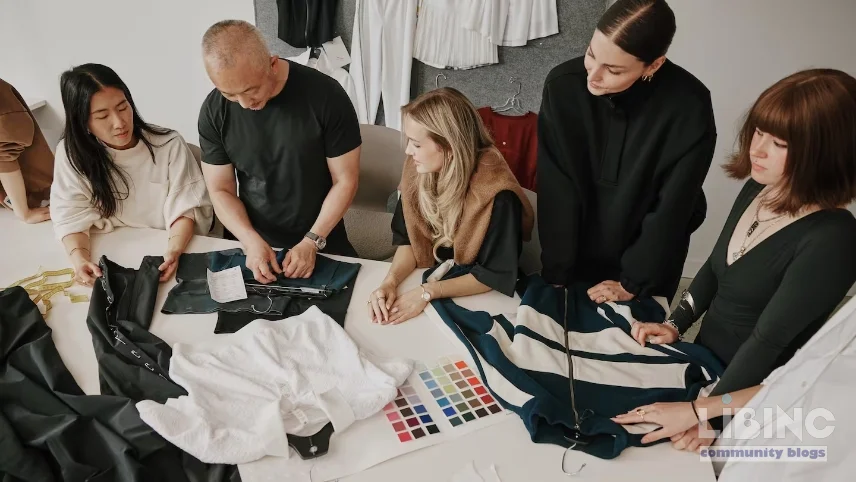
Lululemon Design as Strategic Engine: High-Performance, High-Style in a Global Athletic Brand
Table of contents
- 1. Through analytics
- 2. Through contrast
- 3. Through cause-and-effect relationships
- 4. Through expert reconstruction
The following analysis examines how Lululemon’s design ethos has evolved from a yoga-label origin into a premium-performance, high-style global brand. It draws on the company’s reported financial trajectory, internal talent shifts, and the practical outcomes of a renewed design culture. The aim is to explain not only what has changed, but why those changes matter for long-run competitive advantage in a crowded athletic-lifestyle market.
Canadian activewear icon Lululemon was founded in 1998 and anchored in wellness, community, and technical fashion. Today, its product offering spans performance apparel, footwear, and accessories for yoga, running, training, and everyday movement. The brand’s global footprint—headquartered in Vancouver with a design presence in Kitsilano and a dedicated footwear studio in Portland—reflects a deliberate push to harmonize function with fashion across diverse markets. In 2025, revenue surpassed $11 billion, aided in part by a 22 percent year-on-year rise in international sales. Mainland China has risen to become the brand’s second-largest market, accounting for roughly 16 percent of total sales. In early 2024, Jonathan Cheung joined as global creative director, signaling a sharpened design lens across the business. Cheung’s mandate is clear: deliver premium performance products that fuse technical innovation with elevated style, while fueling faster decisions and stronger cross-functional collaboration. This article dissects that transformation through four analytical lenses.
1. Through analytics
The revenue and geography data paint a clear picture: Lululemon’s growth is increasingly powered by outside-the-core markets, not simply by expanding existing footprints. The tailwinds from international expansion are reinforced by product strategies that emphasize performance without compromising style. This analytical frame asks two questions: where is growth most durable, and what design levers reliably translate into revenue lift?
First, the 2025 revenue level (> $11 billion) reflects a structural shift from a yoga-rooted line into a broader athletic and lifestyle portfolio. The 22 percent YoY increase in international sales is not accidental; it aligns with Cheung’s emphasis on creating products that perform across sports, climates, and consumer contexts—while maintaining a recognizable Lululemon aesthetic. The company’s geographic diversification reduces dependence on any single market and cushions macroeconomic shocks. In a market where consumer attention is fragmented, design quality becomes a differentiator that sustains demand across regions rather than just in flagship locales.
Second, the Mainland China contribution—16 percent of total sales and counting—highlights a critical strategic pivot: people in large urban hubs want premium, technically sophisticated apparel that travels well from studio to street. This signals a demand for product systems that can scale across categories (women’s and men’s apparel, outerwear, accessories) without diluting brand language. The implication for design is a modular approach: robust fabric technology, trusted fit libraries, and a premium visual language that remains coherent when localized for regional fashion cues.
Third, the global design machine is increasingly centralized yet distributed. The Vancouver-based design team balances a broad remit across womenswear, menswear, outerwear, and accessories, while a separate footwear studio in Portland houses specialized expertise. This structure supports cross-pollination—an essential asset when Cheung champions a single design language across markets and product zones. The mechanism behind this is not just talent density but a framework that rewards swift learning, iterative prototyping, and shared criteria for success across disciplines.
Fourth, the design discipline’s expansion is not mere growth in SKUs. It is a strategic effort to elevate product quality and performance as a core brand signal. The emphasis on detail—seam sealing, secure pockets, materials that behave under stretch, and pockets built for everyday gear—translates into measurable customer satisfaction and repeat purchase rates. In the abstract, this is a proof point of the claim: design is the value creator that enhances both perceived quality and actual performance, a synergy that translates into improved margins and brand equity.
Fifth, Cheung’s appointment signals a shift from incremental tweaks to a holistic design agenda. The philosophy “high performance, high style” captures this intent: performance remains non-negotiable, but style becomes a strategic amplifier that broadens appeal beyond athletes to a wellness-minded consumer. This dual mandate—technical proficiency with elevated aesthetics—defines the design language and functions as a compelling competitive differentiator in markets saturated with function-first offerings.
Why this matters: the analytics suggest a durable, scalable model in which design quality acts as both fulfillment mechanism and market signal. The most valuable implication for executives is clear: investment in cross-functional design capabilities creates a multiplier effect on product credibility, consumer trust, and sustained growth across global markets. The next section contrasts this trajectory with the brand’s evolving competitive context to illuminate where the most significant tensions lie.
2. Through contrast
Contrast helps illuminate why the current design strategy feels distinctive. Lululemon’s origin as a yoga label anchored in community and wellbeing gave it a clear lifestyle promise. The shift toward premium performance products with elevated styling is a deliberate widening of the value proposition to cover training, outdoor movement, and daily wear. This is not a rebranding so much as an expansion of the design vocabulary to satisfy a broader consumer demand for products that perform in multiple contexts while supporting a cohesive personal identity.
What this means in practice is a tension between heritage and experimentation. On one hand, the brand must remain recognizable to long-time customers who value the familiar fit, the discreet branding, and the technical assurances that made Lululemon a trusted name. On the other hand, Cheung’s design directive pushes for sharper silhouettes, more premium materials, and cross-category storytelling that align with fashion-forward expectations in markets that blend gym culture with streetwear sensibilities. The risk, if not managed well, is diluting core attributes in pursuit of newness. The design team’s answer is to keep the signature technical details—seam sealing, secure pockets, tested fabric performance—while layering a refined aesthetic language and modular product systems that scale across categories.
Another point of contrast lies in the internal culture. The company’s push toward a more collaborative, idea-meritocratic environment challenges the old silos where designers were confined to a specific garment or category. The new operating model emphasizes cross-functional collaboration with research, materials, merchandising, and brand teams. This is not a nominal shift; it changes daily workflows, decision criteria, and how success is measured. Cheung’s leadership is explicit: the best ideas can emerge from junior designers who are closest to evolving consumer needs, and the design process must reward speed without sacrificing rigor.
From a product language perspective, the contrast is also geographic. The Vancouver design center remains the creative hub, while the Portland studio anchors footwear innovation—two coexisting centers of gravity within a unified design system. This physical distribution matters because it embeds specialized skills while preserving a shared design identity. In markets where consumers already demand premium performance, this architecture supports rapid adaptation to local preferences without fracture in the brand’s global stance.
Below is a snapshot of core contrasts that track moving parts of the strategy:
- Yoga-label heritage vs. broader athletic-lifestyle demand
- Discrete product silos vs. end-to-end outfit design
- Localized marketing of performance features vs. unified product storytelling
- Stability of core attributes vs. willingness to experiment with materials and form
Ultimately, the contrast reveals a deliberate balancing act: preserve what made Lululemon trusted and loved, while expanding into premium performance segments that demand new design capabilities and faster iteration cycles. The next section explores how those design choices translate into cause-and-effect outcomes that shape the brand’s future trajectory.
3. Through cause-and-effect relationships
What follows is a mapping of how specific design decisions cascade into measurable outcomes. The core premise: when design becomes a cross-functional, end-to-end discipline, product quality, speed to market, and consumer perception reinforce one another in a virtuous cycle. This is not a purely aesthetic transformation; it is a strategic upgrade of operating logic.
First, cross-functional collaboration creates richer problem framing. By integrating research, raw materials, merchandising, and branding from the outset, the team surfaces keys that define product briefs—fabric technologies, garment construction, and wear-testing requirements—earlier in the process. The result is fewer late-stage changes, shorter development cycles, and a more coherent product family. This coherence translates into better consumer comprehension of the brand’s value proposition across markets, which, in turn, strengthens demand stability even as fashion seasons shift.
Second, designing the entire outfit rather than isolated components drives narrative consistency. Designers thinking in system-level terms can choreograph a look that communicates performance signals (fit, movement, temperature regulation) while preserving brand identity cues (colorways, graphic language, silhouette integrity). The causal effect is a more efficient go-to-market cycle, with fewer disjointed product moments that confuse consumers or erode perceived quality.
Third, a culture of psychological safety—where junior designers feel empowered to propose bold ideas—broadens the range of experimentation. The practical outcome is a pipeline of innovations that might otherwise be stifled in a more hierarchical environment. The design language emerges not merely from senior staff but from a meshwork of contributions that reflect evolving consumer conversations, athletic subcultures, and wellness trends.
Fourth, Cheung’s emphasis on premium performance products aligns with broader market forces that prize fabric science, sustainable materials, and durability. The causal chain is straightforward: better fabrics and construction yield longer product lifespans, improved consumer satisfaction, and higher willingness to pay. That willingness, combined with a refined aesthetic, supports healthier margins and more investment in next-generation materials and technologies.
Fifth, the geographic breadth of the operation—Vancouver for design, Portland for footwear, and expanding markets like Mainland China—creates a feedback loop between regional success stories and global design direction. Local wins inform global language, while the global design brief provides a framework for localized adaptation. The net effect is a scalable design system that remains cohesive as the brand grows, reducing the risk of brand dilution across markets.
In summary, the cause-effect logic links design culture, cross-functional workflows, and product quality to financial outcomes and brand equity. The next section sketches what this logic implies for the brand’s future through expert reconstruction of possible paths forward.
4. Through expert reconstruction
Looking ahead, Lululemon’s design-centric growth hinges on translating organizational capabilities into repeatable, scalable advantages. The reconstruction path blends talent strategy, process discipline, and external partnerships to sustain momentum while guarding against value leakage from misaligned investments. Cheung’s framework provides a robust starting point, but execution will determine whether the company can retain exclusivity while broadening its appeal.
First, scale the design operation without fraying its culture. Growth targets require a principled talent strategy: hire designers who are energetic, highly capable, and ethically grounded. The team should maintain its idea-meritocracy ethos while implementing formal mentoring and rotation programs to disseminate knowledge across regions and disciplines. This ensures that the broader design system remains coherent as it absorbs more contributors and more product categories.
Second, deepen the end-to-end design mandate. An explicit goal is to expand designers’ ownership from individual pieces to complete outfits and complete product families. This requires improved storytelling capabilities, synchronized with product strategy and merchandising. The design team’s ability to articulate how a fabric’s performance translates into a wearer’s daily experience becomes a competitive edge that resonates in both retail and digital channels.
Third, institutionalize rapid, data-informed iteration. The faster a concept proves viable in real-world wear tests, the sooner it can scale. Cheung’s approach benefits from a structured experimentation framework—early-stage concept reviews, defined success criteria, and transparent performance dashboards. The payoff is a faster cycle from ideation to first-in-market, enabling Lululemon to respond nimbly to shifting consumer behavior while maintaining quality.
Fourth, cultivate resilience in supply and material sourcing. The premium-performance promise requires fabrics and construction that withstand wear, while sustainability considerations increasingly influence consumer choice. A reconstructed design operation should integrate supplier partnerships early, with joint development programs that shorten lead times and ensure consistent quality across geographies. This helps preserve the brand’s premium positioning even as prices and costs fluctuate.
Fifth, balance global scale with local relevance. Mainland China’s growing importance suggests a need for regionally nuanced product language without fracturing global identity. The reconstruction playbook includes localized colorways, sizing, and fit calibrations paired with a core global signature. The outcome is a design system that travels well—delivering both consistency and resonance in diverse markets.
In closing, the design-led growth model for Lululemon rests on four pillars: scalable talent and culture, end-to-end design ownership, rapid, data-driven iteration, and resilient supply-aligned product development. If executed with discipline, this framework supports sustained expansion while protecting the brand’s heritage of performance and style. The evidence from analytics, contrasts, and causation suggests a robust path forward, one that will be tested by evolving consumer expectations and market dynamics.
Long view: the brand’s next chapter will likely hinge on how well it choreographs global design leadership with local market realities, how it manages the tension between performance and aesthetics, and how it sustains a culture that prizes curiosity, collaboration, and care for the wearer. The core question remains: can Lululemon’s design engine keep delivering premium, high-style products that perform—and do so consistently across tiers, geographies, and seasons?
In sum, Lululemon’s design strategy represents more than product development; it is a strategic discipline that translates wellness and community into a durable competitive advantage. With Jonathan Cheung’s leadership and a strengthened cross-functional framework, the brand is positioned to translate evolving consumer needs into enduring performance and style across a growing global ecosystem.
Conclusion without the label: a design-centered growth model can sustain momentum when it treats product, culture, and market expansion as a single system. The evidence points to a design language that is both recognizably Lululemon and increasingly universal in its appeal—precisely the combination that supports long-term advantage in premium athletic apparel.
Notes on the design language and organizational direction
To keep the discussion actionable for practitioners and analysts, this article uses concrete signals from the brand’s current trajectory: a globally oriented creative leadership, an empowered design culture, a strong foothold in key markets, and a clear emphasis on premium performance with elevated aesthetics. The integration of these elements forms a cohesive, scalable model that other brands might study as a blueprint for design-led growth in a fragmented global market.
5. Practical playbook for design-led growth
One critical shortcoming in the earlier outline is the lack of a concrete, repeatable framework that translates design choices into measurable outcomes. The following playbook offers actionable steps, examples, and metrics that product teams can apply across markets and product zones.
| Area | Initiative | KPI | Example |
|---|---|---|---|
| Design Ops | End-to-end ownership | Time-to-market | Outfit families 6-week cadence |
| Fabric & Construction | Tested performance fabrics | Wear-test pass rate | 3-region validation |
| Storytelling | Unified product language | Brand coherence score | Global colorways, regional accents |
| Sustainability | Sourcing resilience | Lead times | Co-developed materials |
The table shows how decisions in one area drive outcomes in others, creating a unified value proposition across studios and markets.
Operational steps and local-adaptation rules can be codified in a short playbook:
- Align objectives with merchandising and R&D to ensure a common target
- Own outfits for cross-category consistency
- Iterate fast with defined success criteria
By documenting language, gating reviews, and sharing learnings across Vancouver, Portland, and China, the design system becomes a reproducible capability rather than a collection of independent initiatives.
In practice, leadership reviews will include a "customer-facing prototype" checkpoint to confirm that the blend of performance and style resonates, reducing the risk of misalignment between market expectations and design intent.
Adopting this playbook speeds up decision-making while preserving quality, a critical advantage as markets demand both performance and aesthetics in equal measure.
How does Lululemon translate design into business outcomes?
Across expansion, design decisions connect directly to revenue through cross-functional briefs, end-to-end ownership, and rapid iteration. The approach embeds fabric science, garment construction, and wear testing into product roadmaps, ensuring each launch carries a clear performance and style proposition. This discipline reduces late changes, shortens cycles, and improves repeat purchase rates as customers experience consistent quality across regions. In addition, a unified design language supports scalable storytelling, helping markets interpret a single brand promise rather than a set of disjointed pieces.
Analytically, the mechanism relies on measurable signals (time-to-market, wear-test pass rates, and coherence scores) that align teams, streamline decisions, and sustain demand across global markets.
What changes in design ownership matter most?
End-to-end design ownership shifts decision rights from isolated silos to cross-functional product teams, blending research, materials, merchandising, and branding from the outset. The practical effect is a coherent outfit strategy rather than a series of independent garments. This boosts narrative clarity and reduces the risk of misalignment between product features and consumer expectations, especially when rolling out a design language across regions with different fashion sensibilities.
With ownership comes disciplined review gates and shared criteria for success, enabling faster iteration without sacrificing quality or consistency.
How does the model handle local market adaptation?
The model preserves a global design language while allowing regional accents in colorways, fit calibrations, and material choices. Local teams contribute regional insights that feed into a centralized brief, ensuring regionally resonant products do not drift from the brand’s core performance story. In practice this means regional color stories and sizing tuned to local preferences layered onto a single, recognizable silhouette family.
This balance reduces brand dilution and accelerates time-to-market by avoiding parallel, conflicting design deltas across markets.
What metrics indicate design-led growth success?
Key indicators include wear-test pass rates, time-to-market, and brand coherence scores across regions. Additional signals are repeat purchase rate, net promoter score related to product experience, and the share of revenue from end-to-end outfit lines. Regular cross-regional reviews help validate that improvements in fabric performance, fit accuracy, and storytelling translate into higher margins and sustained demand.
What are practical steps for teams starting this transformation?
Begin with a lightweight end-to-end pilot that pairs an existing silhouette family with a new fabric and a unified storytelling brief. Track metrics across wear tests, market feedback, and sales impact over a 6–8 week sprint. Scale by codifying learnings into a playbook, establishing rotation programs to diffuse expertise, and creating cross-regional briefs to maintain a single design language. This approach accelerates learning and anchors growth in concrete product improvements.
How does this framework support sustainability goals?
By integrating supplier partnerships early and focusing on durable fabrics and construction, the framework reduces waste through longer product lifespans and fewer markdowns. The shared criteria for success include environmental impact, responsible sourcing, and measurable durability, which helps align design decisions with broader corporate sustainability targets. Practically, this translates into joint development programs that shorten lead times while maintaining quality and reducing lifecycle emissions.





Add a comment
To comment, you need to register and authorize
Comments