

Kevin Keegan and the Birth of Footballer Branding: How a 1970s Icon Shaped the Modern Celebrity Athlete
Football is no longer a mere game of skill and strategy; it is a complex marketplace where a player's name can drive market value, broadcasting deals, and social influence. This shift matters because it reshapes how clubs recruit, how fans connect, and how players price their careers. Kevin Keegan emerges as a transitional figure in this shift: not the last of a pre-branding era, but among the first to translate field excellence into cultural currency. His career story, stitched together with early media work and public appearances, reads like a blueprint for the contemporary footballer who negotiates endorsement deals, sponsorships, and media opportunities while still chasing trophies. The question this piece asks is simple: how did Keegan link performance to promotion, and what does that history tell us about the modern game? The answer rests in a careful reading of his choices, his timing, and his public persona.
Table of Contents- Analytics of footballer branding
- Contrasts with an earlier era
- Cause-and-effect: branding in football economics
- Expert reconstruction of a legacy
Analytics of footballer branding
Keegan’s pre-internet playbook reveals the early architecture of footballer branding. He stitched together on-pitch excellence with cross-media exposure, turning a league star into a national, then international, media figure. This was not a happy accident; it was a deliberate asset strategy that anticipated how athletes would monetize visibility long before social platforms existed. The core dynamic is clear: athletic capital can be converted into cultural capital when a player actively curates appearances, stories, and style that audiences perceive as authentic and aspirational.
In the mid- to late 1970s, Keegan walked a delicate line between performance and personality, showing how a footballer could evolve into a multi-channel entity. He appeared in public service broadcasts, publicized interviews, and later television features that framed him as more than a footballer. This is an early instance of what today we call athlete endorsements and media convergence: the idea that a single player’s brand can cross into advertising, entertainment, and broader cultural dialogue, amplifying the value of every goal scored on the pitch. The result was a template for a broader strategy: connect on-field success to off-field opportunity, and do so with a recognizable, enduring image.
Authenticity emerges as the hinge point in Keegan’s approach. He spoke with clarity about settling in Germany, facing isolation, and confronting anger on the field, and audiences responded because the candor felt earned. This is not mere confession; it’s a calculated signal that the person behind the performance is coherent, loyal to fans, and capable of growth under pressure. In football branding terms, authenticity becomes spectator identification—fans see themselves in the player’s journey and invest emotionally and financially in the broader story. This is the key mechanism by which a footballer becomes a cultural asset, not just a person wearing a shirt.
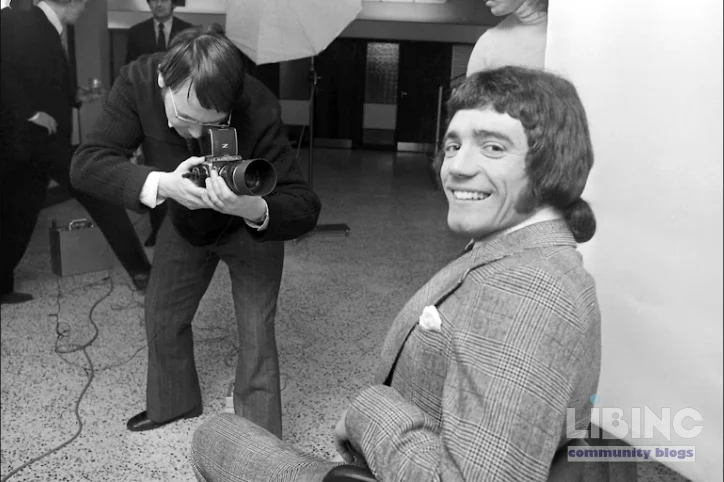
Keegan’s evolving public image also carried a clear stylistic signal. He pioneered a distinctive look—a bubble perm that stood out in a sport known for utilitarian haircuts—and later translated personal style into a brand language. The wardrobe, the manner of speech, and the self-deprecating humor all functioned as brand-building in football, where a visual and tonal identity can be as valuable as a goal-scoring record. In this sense, his image work foreshadowed the way later stars would market themselves through clothing lines, media appearances, and carefully choreographed public moments. The element of spectacle was never separate from sport; it was integrated into the public contract between player and audience.
Contrasts with an earlier era
Keegan’s emergence sits against a backdrop that still treated football as a working-class vocation with limited room for personal branding. Before his era, footballers could be famous, but their fame rarely traveled beyond the club, the local press, and the occasional national feature. The contrast is instructive: branding did not yet come with a playbook, so leaders of the game learned by trial, error, and audience response rather than through corporate blueprints. The stakes were different, and so were the incentives: club loyalty, a wage cap memory, and a culture that did not yet monetize star power at scale. Keegan’s career hints at a turning point where personal value began to diverge from club value, signaling the onset of a broader market logic in football.
George Best offers a useful counterpoint. He possessed pop-star charisma and a natural audience draw, yet the structural framework to convert that magnetism into lasting, cross-platform value came later. Best’s aura showed what a football star could mean to fans, media, and culture, but the industry did not yet treat that aura as a tradable asset with formal endorsement channels. The result was a powerful celebrity presence with limited economic leverage beyond iconic status. Keegan, by contrast, tapped a more systematic route—one that integrated media, merchandising, and public appearances into a coherent commercial proposition. This shift marks a fundamental change in how a footballer’s value is defined, measured, and exploited by clubs and sponsors alike.
The 1970s also defined a broader cultural climate around masculinity, competition, and performance that shaped how fans consumed football. The era’s macho codes and on-field bravado were increasingly scrutinized through the lens of media storytelling, and Keegan’s willingness to blend humor with candor helped redefine the player’s role as both athlete and narrator. He became a living bridge between the raw appeal of the game and the more sophisticated expectations of a mass audience seeking entertainment, authenticity, and relatable personality. This is the seed of the modern footballer as brand, a figure who can command attention independent of his club’s fortunes.
Cause-and-effect: branding in football economics
The transformation did not occur in isolation. A series of structural shifts shaped how branding could flourish within football economies. First, the labor dynamic in previous decades—where maximum wages and limited mobility constrained earnings—meant players had little leverage to monetize fame beyond salaries. Keegan’s emergence as a public figure began to demonstrate that brand value could complement, and in some cases augment, on-pitch achievements. This shift started a longer trajectory toward athletes as multi-faceted economic actors whose value extended into advertising, appearances, and later sponsorship revenue. The question remains: how did these dynamics evolve from a single star to a systemic feature of the sport?
Second, the late 20th century’s larger media environment created demand for recognizable personalities who could move between sport, television, and advertising with credibility. Keegan’s public profile showed that cross-media appeal could attract high-profile brand partnerships, not just local endorsements. This is a precursor to later arrangements in which footballers negotiate terms that reflect their market impact beyond the pitch. The implication is clear: branding becomes an asset class within football, valued by clubs, sponsors, and media partners as part of a player’s total contribution to the club’s brand equity.
Third, the Bosman ruling, while primarily a freedom of movement decision, accelerated a fundamental reorientation in football labor markets. With players able to seek opportunities across borders and leagues, the leverage calculus shifted toward value creation that transcended a single club. In this context, Keegan’s blend of performance and personal branding offered a replicable model: the player could diversify revenue streams, strengthening bargaining power and career longevity. The broader implication is that branding helps convert short-term athletic peaks into longer-term financial resilience, a pattern that subsequent generations would refine through sponsorship networks, media deals, and personal ventures.
Fourth, branding also reshaped talent pipelines for clubs. When a player’s value extends into media, a club inherits a new measure of risk and opportunity. The club’s ability to leverage a star’s public persona through marketing campaigns, club-sponsored events, and fan engagement initiatives becomes a strategic asset. This cause-and-effect linkage—branding feeding club value and club resources fueling branding—illustrates how Keegan’s era laid the groundwork for the modern ecosystem in which a player’s name is a product, and the club is the platform that monetizes it.
Expert reconstruction of a legacy
To reconstruct Keegan’s legacy through a contemporary lens, view him as an early prototype of the athlete as a cross-industry asset. His career shows four critical components of modern footballer branding: a credible on-field record, a consistent public persona, deliberate media appearances, and a willingness to translate fame into practical leverage—without sacrificing authenticity. These elements together create a flexible framework that later icons would expand: Beckham’s global marketing machine, Ronaldo’s portfolio of licensing and media ventures, and the current generation of players who steer their own brands across platforms and markets.
Beckham, Ronaldo, and other later figures did not replace Keegan’s approach; they inherited and refined it. Keegan’s model showed that a footballer’s reach could extend through endorsements tied to personal narrative, rather than relying solely on club sponsorships. The result is a more durable form of celebrity in football: a brand that can withstand transfers, injuries, or managerial changes because it sits at the level of personal identity and audience loyalty. This is not merely a matter of added revenue; branding becomes a strategic layer that conditions how teams recruit, how fans engage, and how players construct careers across decades.
From an ecosystem perspective, Keegan’s influence is visible in the deliberate crafting of player personas, the integration of fashion and lifestyle signals with performance, and the normalization of pre-season media tours and brand partnerships. The modern football economy treats a player’s brand as a long-tail asset that persists beyond peak playing years. While the internet would later democratize celebrity, Keegan’s era established the principle that brand value is a function of consistent storytelling, public resonance, and credible, authentic opportunity. His legacy is not about a single campaign or a single ad; it is about the ongoing practice of turning football excellence into a durable, transferable asset—an approach that continues to shape club strategies and player careers today.
Today’s stars operate in a marketplace that Keegan helped to imagine. The Nike and Adidas campaigns, global endorsement cycles, and the way players curate goal celebrations and social appearances all echo a lineage that begins with him. The ethical and practical challenges persist: how to balance competitive intensity with brand stewardship, how to nurture authenticity while pursuing sponsorships, and how to ensure that branding serves fans without eroding the essence of the sport. Keegan’s life provides a cautionary but constructive blueprint for navigating these tensions: lead with performance, stay legible in public, and treat branding as a strategic extension of the game rather than a separate enterprise. This is the conceptual heartbeat of the modern footballer as a brand.
Conclusion: Kevin Keegan’s career foregrounds a shift in football where personal branding becomes inseparable from athletic achievement, setting the stage for the multi‑billion dollar celebrity economy that defines the sport today. The arc from Brut advertisements to global marketing networks reveals a foundational logic: players who manage perception, credibility, and opportunity can extend their influence well beyond a single club and season. Keegan did more than win titles; he helped write the playbook for the footballer as a cross-media, culturally resonant enterprise. His example remains a touchstone for clubs, managers, and players seeking to reconcile performance with a lasting public profile and financial resilience.
Practical framework for measuring and scaling footballer branding
To translate Keegan's logic into today’s reality, clubs and players should adopt a four-part framework that links on-field performance to durable brand value. The sections below translate a legacy into a repeatable model while keeping authenticity front and center.
- Narrative pillars: athletic excellence, authenticity, and community impact.
- Channel architecture: a deliberate social media strategy, regular media appearances, and thoughtfully branded merchandising.
- Measurement system: a brand equity index, sponsorship value, and audience sentiment across major markets.
- Governance: safeguards for authenticity and crisis response to protect long-term credibility.
Practical scenarios show how this works. A top striker posts weekly training clips on a short-video platform, threads the content with a charity initiative, and cross-posts long-form interviews on YouTube. A club coordinates a season-ticket push that leverages the player's public appearances, while licensing teams coordinate with the player for a capsule wardrobe linked to club culture. In each case, the goal is to convert on-pitch performance into cross-media reach and fan engagement that outlives a single season.
Branding channels at a glance
| Channel | Purpose | Pros | Cons |
|---|---|---|---|
| Social media | Direct engagement with fans | Fast feedback, scalable reach | Algorithm noise, authenticity risks |
| Media appearances | Credibility and breadth | Expanded audience, prestige | Scheduling, control of narrative |
| Endorsements | Monetizable partnerships | Diversified revenue, cross-market appeal | Dependency on brand fit |
| Merchandising | Identity and lifestyle signals | Long-tail revenue, fan immersion | Inventory risk, trend shifts |
| Public campaigns | Community alignment | Trust and social value | Requires sustained effort |
Key metrics framework
This composite score blends audience reach, sentiment, sponsorship value, and cross-channel consistency. Real-time dashboards track social mentions, sponsorship ROI, and share of voice in key markets, enabling informed decisions about where to invest in branding versus in-field performance.
Audience mapping and governance
- Fans: authentic storytelling that mirrors on-field challenges and off-field generosity.
- Sponsors: clear alignment between narrative pillars and brand values.
- Club stakeholders: brand equity that supports recruitment, ticketing, and global reach.
Governance includes authenticity guardrails, crisis communication playbooks, and periodic audits to ensure the persona stays coherent across markets and media formats.
Today’s stars benefit most when branding is treated as an extension of performance, not a separate venture. The result is a durable asset that can outlast transfers and injuries, while keeping fans engaged and sponsors invested.
What is footballer branding and why does it matter?
Branding for a footballer blends on-field excellence with public perception to create value beyond wages. It matters because it opens doors to endorsement deals, sponsorships, and media opportunities, strengthening career resilience and fan loyalty.
In practice, a coherent athlete branding strategy translates performance into a multi-channel presence that fans recognize and sponsors trust. This approach combines authenticity with controlled storytelling to sustain impact across seasons and markets.
How did Keegan’s era set the stage for modern athlete branding?
Keegan demonstrated that a player could extend influence through cross-media appearances, public persona, and careful public engagement. This created a blueprint where athletic success feeds media visibility, merchandise, and sponsorship opportunities, foreshadowing today’s cross-disciplinary sports marketing landscape.
His model showed that branding could be a strategic asset for clubs and players alike, not merely a post-career add-on.
What metrics track branding impact in football?
Key metrics include brand equity score, sponsorship ROI, audience sentiment, and cross-channel reach. Monitoring share of voice, engagement quality, and revenue generated from licensing helps quantify branding effectiveness beyond goals and assists.
Regular benchmarks across markets reveal where a player’s brand resonates and where investments should shift.
How can a club leverage a player’s personal brand?
Clubs can align branding with strategic goals: ticket sales, international expansion, or merchandise growth. This involves coordinating media tours, creating crossover content, and integrating the player into club campaigns while preserving authenticity.
A well-timed collaboration between club assets and a player’s public persona can amplify both performance on the pitch and brand value off it.
What are common risks in athlete branding and how can they be mitigated?
Risks include misalignment with audience values, overexposure, and inconsistent messaging. Mitigation requires clear brand guardrails, crisis planning, and ongoing governance to ensure the persona remains credible and marketable across channels.
Regular reviews and transparent decision-making help maintain long-term credibility with fans and partners.
What lessons can upcoming players apply today?
Start with a clear narrative anchored in on-field strengths, build a disciplined content cadence, and seek cross-channel opportunities that fit the brand story. Engage a trusted team to balance performance, authenticity, and monetization so the brand endures beyond peak years.
Early, consistent storytelling and audience listening drive sustainable opportunities in today’s sports marketing landscape.






Add a comment
To comment, you need to register and authorize
Comments