

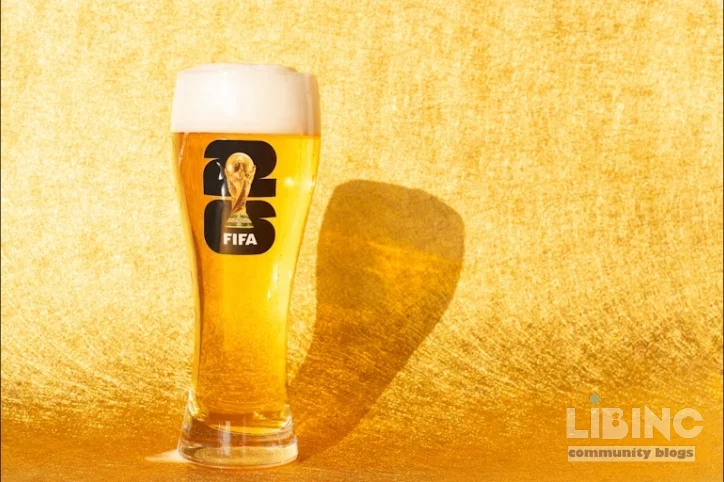
Alcohol sponsorship in football at the 2026 World Cup: implications for youth health and policy
Table of contents
- Analytical block: alcohol sponsorship in football and youth health
- Contrast: spectacle and sponsorship vs. public health concerns
- Cause-and-effect: exposure, norms, and behavior
- Expert reconstruction: policy options and governance
Analytical block: alcohol sponsorship in football and youth health
The 2026 men’s World Cup has delivered extraordinary goals, dramatic shocks, and record-breaking commercial revenue. FIFA’s broadcasting rights, ticketing, and sponsorships have underscored a model where sport and brands fuse into a shared emotional experience. A long-standing partnership with AB InBev—Budweiser as the official beer and Michelob Ultra as sponsor of the player of the match awards—illustrates how sponsorships migrate beyond signage to digital content, fan zones, and stadium integration. From a business lens, this arrangement is exceptionally profitable and scalable. Yet the public health dimension demands a tougher look: what happens when millions of young viewers encounter alcohol branding in a context that amplifies excitement, belonging, and celebration?
Leading indicators show that greater exposure to alcohol marketing correlates with earlier initiation of drinking among adolescents and higher consumption among current drinkers. The World Cup’s reach magnifies this effect through repeated, multi-channel exposure—television, social media, in-stadium experiences, and sponsor-driven content that extends well beyond the 90 minutes on the pitch. This is not a single ad; it is a continuous brand narrative that ties alcohol to achievement, unity, and national pride. In this sense, sponsorships do more than fund the sport; they help construct a perception that drinking is an intrinsic part of sport and celebration.
AB InBev’s sponsorship strategy is emblematic of modern sport marketing: persistence, ubiquity, and experiential integration. Budweiser anchors official branding protocols, while Michelob Ultra personalizes recognition through player-of-the-match branding. The implied message is clear: achievement and enjoyment are inseparable from beer. The consequence is that young audiences encounter a consistent association between athletic excellence and alcohol—an association that endures long after the final whistle. From a health-policy standpoint, this raises questions about the effectiveness of existing advertising restrictions and the adequacy of self-regulation in protecting impressionable viewers.
Zero-alcohol variants and ‘alibi’ marketing add a further layer of complexity. By leveraging familiar logos, colors, and slogans without explicit references to alcohol, these campaigns claim responsibility while maintaining core brand identity. The result is a marketing continuum that blurs the line between permissible messaging and direct alcohol promotion. In practice, many young people cannot reliably distinguish zero-alcohol campaigns from traditional alcohol advertising, which blurs regulatory boundaries and blunts the potential benefits of restriction policies. The public health concern is that the perceived normalcy of alcohol branding persists, reinforcing favorable attitudes toward drinking even when the product is ostensibly non-alcoholic.
In short, the business logic of sponsorship intertwines with the cultural gravity of football, creating an environment where commercial interests and youth exposure converge. The 2026 World Cup thus functions as a case study in how elite sport markets itself—not simply through a single advertisement, but through a comprehensive promotional ecosystem that shapes perceptions, attitudes, and eventual behavior among young viewers. This is not a marginal issue; it sits at the intersection of marketing science, public health, and sports governance, demanding careful scrutiny of both current practices and regulatory levers.
From a broader perspective, sponsorships have evolved from banners and on-pitch ads to an integrated brand experience. The implications for youth health hinge on whether this evolution can be matched with stronger protective measures, clearer disclosures, and a governance framework that aligns commercial imperatives with public health priorities. The next sections examine how these dynamics contrast with other realities, explain the causal channels at work, and outline pathways for policy and governance reform.
Why this matters for policy and practice
Public health researchers and policymakers increasingly treat sports sponsorship as a lever that can shape youth behavior over the long term. The World Cup’s scale accelerates exposure and intensifies brand integration, making it a critical point of intervention. The rationale for regulation is not merely about restricting advertising; it is about moderating the experiential context in which branding operates. A robust evidence base supports targeted restrictions, enhanced advertising literacy, and governance mechanisms that reduce the potential for normalizing unhealthy behaviors among the youngest fans.
Contrast: spectacle and sponsorship vs. public health concerns
Football’s commercial allure rests on spectacle. The World Cup is designed to maximize engagement, with alcohol brands woven into viewing rituals, fan zones, and digital campaigns. This is not incidental; it is an operational choice that yields measurable returns—viewership, sponsor payoffs, and long-term brand equity. However, the same channels that drive engagement also amplify potential harms to youth by repeatedly linking sport, celebration, and alcohol in a constant feedback loop.
Compared with earlier eras, marketing now works as a multi-platform, immersive experience. TV ads have evolved into social media clips, streaming overlays, stadium-facing digital signage, and experiential zones. The broader exposure raises the stakes for public health: the more channels through which branding appears, the larger the cumulative impact on impressionable minds. The challenge is to preserve the positive aspects of sponsorship—funding, fan engagement, and global reach—while reducing the risk that brand associations with alcohol drive earlier drinking and greater consumption among adolescents.
For stakeholders, the contrast is stark. Sponsors argue that their programs support sport, create jobs, and fund development programs in communities. Regulators counter that unrestricted exposure corrodes protective norms during a critical developmental window. In this tension, the World Cup becomes a testing ground for governance: can a game be financially vibrant without embedding consumption cues that shape young people’s behavior? The data from Scotland and other contexts suggest that youths’ recognition of the sponsorship logic is sophisticated, but their interpretations of the sponsorship’s purpose often remain muddled—ambitious, ironic, and sometimes contradictory.
The contrast also reveals a governance gap. If zero-alcohol products are supposed to reduce harm, why do audiences struggle to separate them from conventional alcohol branding? If alibi marketing is celebrated as responsible, why do youths report difficulty distinguishing it from standard advertising? Answering these questions requires not only marketing science but regulatory design that anticipates cognitive processing in young viewers and the social dynamics that accompany major sporting events.
Cause-and-effect: exposure, norms, and behavior
The causal story linking sponsorship exposure to youth drinking behavior is not a single thread; it comprises several interacting channels. Repeated exposure constructs associative networks in which sport success, social belonging, and positive affect become co-activated with alcohol brands. Over time, these associations can lower perceived risk, raise perceived normative drinking, and strengthen intentions to drink when adults or peers are present. This mechanism aligns with the broader evidence base on marketing and adolescent health: exposure increases positive attitudes toward alcohol and enhances brand recall, thereby influencing future behavior in a nuanced, indirect manner.
However, the relationship is not deterministic. Family environment, peer norms, cultural context, and access to alcohol strongly condition outcomes. The 44 Scottish youths aged 11 to 17 in the cited study displayed a sophisticated awareness of sponsorship dynamics. They described the ubiquity of branding and questioned the logic of linking elite athletes with unhealthy products. This self-awareness signals a potential protective counterweight: informed youths may resist or reinterpret sponsorship cues, particularly when adults model critical consumption and when schools, communities, and media literacy initiatives reinforce skepticism toward marketing messages.
Still, the reach of World Cup sponsorship means that even a portion of highly aware youths are exposed to branding repeatedly. In these conditions, the probability of desensitization and normalization of drinking increases. The net effect depends on the balance of protective factors—media literacy, parental guidance, clear labeling, and robust advertising restrictions—versus promotional intensity and cross-platform branding. The causal chain thus rests on a modular architecture: exposure connects to attitudes, attitudes to intentions, and intentions to actual behavior with varying strength across individuals and contexts.
From a policy perspective, the central question is where to intervene most efficiently. Targeted restrictions on certain channels, enhanced disclosures about sponsorship scope, and investment in evidence-based media-literacy programs may disrupt the most potent nodes in the chain. In particular, regulators can consider clarifying the boundaries between zero-alcohol campaigns and traditional advertising, and ensuring that promotional content clearly communicates the product category and health implications. If health gains hinge on reducing the strength of associations between sport success and alcohol, these targeted measures become essential tools.
Expert reconstruction: policy options and governance
The forward-looking task is to map governance options that preserve the economic vitality of elite sport while protecting youth health. Several avenues warrant consideration, each with distinct trade-offs and implementation challenges.
- Strengthened sponsorship caps and product categorization: imposing stricter caps on alcohol branding during live broadcasts, limiting on-site signage, and standardizing what counts as sponsor visibility across all platforms. This approach reduces exposure without dismantling sponsorship revenue, but it requires international coordination and clear enforcement mechanisms.
- Clarified zero-alcohol labeling and distinguishability rules: enforcing unambiguous labeling for zero-alcohol products and, where possible, mandating visual distinctions that help younger audiences and caregivers differentiate them from traditional alcoholic beverages. The objective is to prevent misperceptions that could sustain brand familiarity with alcohol through non-alcoholic variants.
- Alibi marketing restrictions and content regulation: restricting the use of familiar colors, logos, and slogans in campaigns that do not explicitly reference alcohol, thereby reducing the risk of substitution effects. This demands precise policy language and monitoring of cross-brand campaigns across digital ecosystems.
- Advertising literacy and public health campaigns: pairing sponsorship dynamics with school- and community-based media-literacy programs that teach critical consumption of sports marketing. The intent is to strengthen youths’ cognitive defenses against marketing tactics and to reinforce healthier social norms around drinking.
- Public-interest partnerships and transparency: requiring sponsors to publish annual impact assessments on youth exposure, with independent audits. This increases accountability and provides data for iterative policy refinement while preserving sponsorship ecosystems that fund development programs.
Implementing these options demands a balanced, evidence-driven approach. The World Cup’s scale means whichever pathway is chosen will set global precedent. Policymakers should draw on cross-country comparisons, behavioral science, and ongoing impact studies to avoid unintended consequences, such as driving sponsorship activity to unregulated channels or undermining legitimate brand investments that support grassroots football development.
In practice, the governance challenge is to align commercial incentives with public health objectives without eroding the cultural value of sport. The 2026 World Cup case demonstrates that sponsorships can co-exist with stronger protective measures if policy design emphasizes clarity, measurability, and accountability. The critical test is whether the governance architecture can adapt to evolving marketing technologies—especially the rapid spread of digital content, social media amplification, and immersive fan experiences—without compromising youth welfare.
Closing synthesis
The 2026 World Cup epitomizes a broader tension in modern sport: sponsorships fuel a global spectacle while simultaneously shaping young viewers’ perceptions of alcohol. The business case for alcohol brands is robust, but the public health case against unmitigated exposure is equally compelling. By weaving together analytics, contrasts in marketing practice, causal pathways, and governance options, this analysis offers a structured framework for evaluating both current practices and potential reforms. A prudent path combines targeted exposure controls with enhanced media literacy and transparent sponsorship reporting, ensuring that the World Cup remains a force for social and economic value without normalizing risky behaviors among youth.
Addressing a missing element in governance and measurement
To translate the public health case into practice, a clear measurement and education framework is essential. This section proposes concrete metrics, governance steps, and practical examples that organizations can adopt now, without disrupting the sport's ecosystem. Key tools include cross-channel exposure tracking, youth-appropriate messaging controls, and explicit labeling of zero-alcohol variants. LSI keywords: advertising literacy, sponsorship exposure, zero-alcohol labeling.
| Channel | Format | Typical Reach | Notes |
|---|---|---|---|
| Television ads | Commercials, overlays | Broad, peak viewership | High impact but costly |
| Online/social | Video clips, stories | Youth-engaged cohorts | Rapid spread, mutable messaging |
| Stadium signage | Banners, LED | Live attendees | Immediate association with sport |
| Fan zones/experiential | Brand interactions | Active participation | Opportunity for education messaging |
| Zero-alcohol campaigns | Non-alcohol variants | Brand familiarity | Ambiguity risk with branding |
Following this, a concise framework helps measure what matters: exposure hours, youth reach, recall, and shifts in attitudes. Practical steps include public dashboards, independent audits, and clear labeling for zero-alcohol products. This structure supports accountability while preserving sponsorships that fund development programs.
Governance should also tighten labeling and separate streams to reduce cross-channel confusion. For instance, a mid-season policy could cap on-site signage and require distinct color-coding for zero-alcohol products. Education programs for schools and parents reinforce critical thinking and reduce the likelihood that sports pride becomes a gateway to brand acceptance.
| Option | Pros | Cons |
|---|---|---|
| Stricter sponsorship caps | Lower exposure; maintains funding | Enforcement complexity |
| Clear labeling/distinguishability | Reduces misperception | Costs for brands |
| Alibi marketing restrictions | Limits cross-brand cues | Compliance burden |
These measures, paired with literacy efforts, help keep sports vibrant while protecting youth health. The aim is practical, scalable, and international in scope, with transparent reporting and continuous learning.
What is the core concern with alcohol sponsorship and youth health?
Exposing broad youth audiences to alcohol branding during the World Cup raises concerns because the signals reach young viewers across live broadcasts, social feeds, stadium experiences, and sponsor content that merges achievement, belonging, and celebration with drinking, creating a cognitive association that can shape attitudes and intentions well beyond the final whistle. This alignment can influence curiosity, perceived risk, and intentions to drink when peers or adults are present, particularly among at-risk youth. Analytical research supports the idea that cross-channel exposure strengthens brand familiarity and normalizes alcohol in sports settings, which is why targeted protections matter.
In practice, the challenge is to balance the positive value of sponsorship for sport with robust safeguards that limit repetitive exposure and clarify health messages whenever alcohol branding appears.
How can we reliably measure exposure and impact?
To measure exposure and impact, implement a standardized set of indicators across platforms and countries: exposure hours per match, youth audience reach (ages 11–17), brand recall, and shifts in attitudes toward drinking. Use independent audits and public dashboards to maintain transparency. Pair quantitative data with qualitative insights from media literacy programs to assess how young viewers interpret sponsor messages and whether they can distinguish zero-alcohol from alcoholic branding. This dual approach improves understanding of both reach and comprehension, guiding more effective governance.
What governance options could reduce youth exposure without harming sponsorship value?
Governance can tighten limits on on-site signage, cap broadcast exposure during live events, and require clearer labeling for zero-alcohol products. Alibi marketing restrictions reduce cross-brand cues, and publicly funded advertising literacy campaigns bolster critical thinking among youths. A transparent annual impact report helps track progress and invites iterative improvements. The aim is a pragmatic policy mix that preserves sport financing while protecting young fans from normalization of risky behaviors.
How does zero-alcohol marketing complicate regulation?
Zero-alcohol campaigns can blur distinctions with traditional alcohol advertising due to familiar branding cues, colors, and slogans. Regulators need explicit labeling standards and distinct visual identities to minimize confusion. Clear rules about what counts as zero-alcohol messaging, plus disclosure of health considerations in sponsorship content, reduce misperceptions. This clarity supports parents and educators in conversations about healthy choices while maintaining sponsor involvement in sport development programs.
What practical steps can federations, clubs, and sponsors take now?
Immediate steps include publishing clear branding guidelines that separate zero-alcohol and alcoholic campaigns, creating explicit health messaging in sponsor content, and implementing literacy initiatives in schools. Clubs can host family-friendly events that showcase sport without heavy drinking cues, while sponsors invest in community programs that promote healthy lifestyles. A simple move is to create two distinct digital streams for content: one focused on sport storytelling with alcohol-neutral branding, and another for brand campaigns that clearly identify the product category and health implications.
How do media literacy programs contribute to healthier outcomes?
Media literacy programs empower youths to analyze sponsorship narratives, recognize persuasive tactics, and understand the intent behind marketing messages. By integrating short modules into school curricula during major tournaments, audiences become more discerning and less susceptible to assumptions that wearing a team jersey equates with endorsement of a product. Over time, increased literacy reduces the probability that sport pride translates into brand acceptance, supporting healthier behavior choices among young fans.








Add a comment
To comment, you need to register and authorize
Comments