

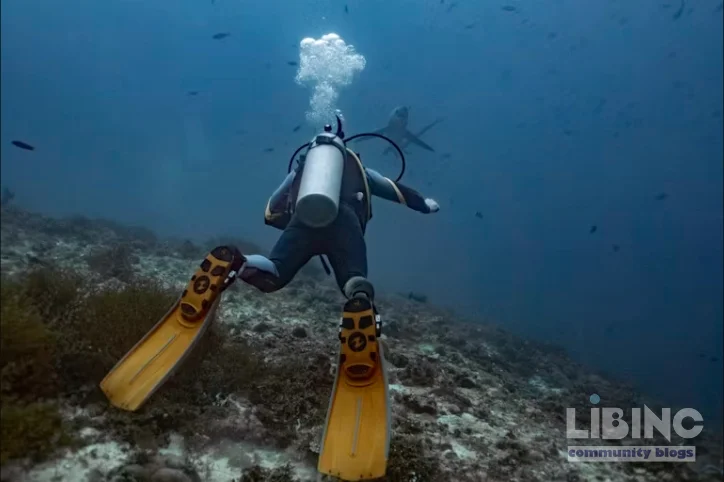
Analytics of the impact of scuba diving on coral reefs: how diver behavior, psychology, and policy shape reef conservation
Table of Contents
- Analytics on the impact of scuba diving on coral reefs
- Diver self-perception vs underwater reality
- Mechanisms: social contagion and perception gaps
- Paths to mitigation
- Final synthesis
Scuba diving draws millions beneath the surface each year, connecting divers with vibrant coral reefs and bolstering coastal economies. Yet the same encounters that educate and inspire reefs can experience hidden costs when hands, fins and cameras brush against delicate structures. A quiet conflict emerges: even enthusiasts who prize reef health may underestimate the damage their actions cause underwater. This article interrogates the real impact of scuba diving on coral reefs through a four-part, data-driven lens. We tracked hundreds of recreational divers and compared what they thought they did with what we observed, across world-famous sites in Indonesia and the Philippines. The result is a sharper picture of how behavior, perception, and social dynamics shape reef outcomes.
These findings carry high stakes. If divers misjudge their own impact, the reef damage can accumulate even at popular sites famed for abundant life. The direction of analysis will be practical and policy-relevant: analytics of actual contact, contrasts between belief and behavior, causal mechanisms, and expert-driven recommendations for training, management, and certification. The thesis is clear: the impact of scuba diving on coral reefs is not inevitable; it can be steered through better buoyancy, smarter guidance, and smarter site rules.
Analytics on the impact of scuba diving on coral reefs
Across world-famous dive destinations in Indonesia and the Philippines, the study followed 732 divers, logging each reef contact and the moment it occurred. The headline pattern is stubborn and measurable: divers touch or hit the reef on roughly a four-minute cadence, a rate that translates into hundreds of disruptive interactions within a typical dive day. More than 40 percent of those contacts leave visible damage, including broken corals or sediment deposition on living tissue. These figures are not abstractions; they map directly to reef resilience under chronic, low-level disturbance.
This body of data also reveals where the pressure concentrates. Reef contact clusters around high-density moments—when divers chase charismatic species, cluster around a single focal fish, or switch to closer observation during limited viewing windows. This clustering matters because the ecological impact scales with both frequency and context. The numbers illustrate not just how often contact occurs, but how its effects compound when it coincides with vulnerable life stages or fragile microhabitats. The distinction between mere contact and actual damage becomes crucial for management, as not all touches are equal in consequence.
Crucially, these contacts persist even as divers report strong buoyancy control and reef-respecting intentions. The disconnect between declared competence and observed practice highlights a systematic bias: self-reported behavior tends to overstate proficiency in avoiding reef contact. The data emphasize that what divers say they do and what they actually do diverge meaningfully when cameras click and light fades, creating a pragmatic blind spot for reef managers. Understanding this gap is essential for translating environmental values into measurable reef protection.
When one diver collides with the reef, neighbors frequently follow, demonstrating social contagion in underwater settings. The behavior of nearby divers helps establish a norm, one that can normalize reef contact even among otherwise conscientious participants. The social dimension interacts with the ecological one: a moment of contact can cascade into a pattern across a group, particularly at sites with abundant marine life, where visual rewards tempt closer scrutiny. Recognizing social contagion is essential to designing interventions that preserve natural behavior while still delivering the immersive experience divers seek.
Diver self-perception vs underwater reality
The survey data reveal a telling divergence between belief and action. A majority of divers articulate strong environmental values and sincere intentions to minimize reef contact. Yet when asked to rate their performance, a large share places themselves above average for avoiding reef contact and for avoiding accidental touches—despite the observed frequency of contacts in real dives. This discrepancy is not merely a curiosity; it is a diagnostic signal about how attitudes translate into behavior under real-world constraints.
The self-perception gap intensifies at popular sites where the allure of marine life ramps up pressure to engage more closely with the ecosystem. The practical implication is that even high-performing divers may contribute to reef stress if the environmental ideals are not supported by the situational cues present during a dive. In this sense, the psychology of risk, reward, and novelty becomes a decisive driver of reef contact, not just technical skill.
From a data perspective, the effect is not uniform. Some divers consistently demonstrate lower reef contact rates and fewer damaging interactions, while others exhibit higher contact frequencies. The contrast highlights the role of individual differences in risk perception, situational awareness, and motor control. A broader pattern emerges: environmental values correlate with a willingness to engage more aggressively when confronted with a compelling display of life, which can paradoxically amplify reef stress rather than mitigate it.
Beyond individual differences, there is a systemic misalignment between training emphases and real-world demands. Short-term buoyancy drills or underwater photography coaching often emphasize close proximity and aesthetic framing, inadvertently encouraging reef approach rather than respectful distance. The consequence is a training inoculation that improves perceived competence while not sufficiently curbing risky contact with sensitive substrates and taxa. Reconciling these training gaps is essential to closing the belief–behavior gap in reef tourism.
Mechanisms: social contagion and perception gaps
Understanding the mechanisms that link diver behavior to reef outcomes requires moving from static measurements to causal explanation. One robust mechanism is social contagion: individuals adopt the actions of those nearby, especially when visible success appears to be achieved through close observation of wildlife. When a peer’s contact yields a dramatic sighting, others interpret proximity as permissible, creating a local norm that privileges engagement over conservation. This dynamic is reinforced by feedback loops: enhanced encounter moments attract attention, sponsorship by operators, and social media amplification, all of which normalize tighter viewing distances and more frequent contact.
Perception gaps operate in tandem with contagion. Divers often overestimate their own skill while underestimating the ecological cost of a single touch. The Dunning-Kruger effect, a well-documented cognitive bias, helps explain why people with lower skill levels fail to recognize their limitations. In reef environments, this translates into a risk that the very performers most likely to contact the reef are also the least capable of accurately assessing their performance. The result is a systemic underestimation of personal impact and a misplaced sense of control that compounds reef stress.
Context matters as well. Encounters with charismatic megafauna or spectacular coral formations can trigger motivational states that override caution. In those moments, the desire to record or photograph a subject can push divers to violate distance guidelines, extend contact time, or adjust buoyancy in ways that increase risk. The confluence of social norms, cognitive bias, and ecological proximity creates a potent mix that elevates reef-contact risk when the stakes feel highest for the diver and the crew.
From a management perspective, these mechanisms imply that simply improving technical skills may not suffice. Interventions must also recalibrate the social environment and the perceptual framework in which diving decisions are made. Clearer expectations before entry, structured viewing distances during encounters, and explicit modeling by guides can shift norms away from risky proximity toward reef respect. The analytical takeaway is that behavioral change requires addressing both cognitive biases and the social signals that shape underwater conduct.
Paths to mitigation
Several practical levers emerge when translating these insights into actionable strategies. The most immediate is tightening in-water discipline through smaller group sizes, defined viewing distances, and stronger guide leadership. By limiting group density and providing explicit cues about safe distances, dive operators can reduce the likelihood of social contagion steering divers toward risky reef contact. Underwater observers and instructors play a pivotal role as real-time behavior moderators, reinforcing the norm that reef health takes precedence over close-up encounters.
Training plays a central role in narrowing perception gaps. Enhanced buoyancy training, including post-dive feedback sessions and buoyancy drills that emphasize control with fins and hand positions, directly targets the gap between belief and behavior. A focus on situational awareness and decision-making under sensory load—typical during encounters with marine life—helps divers translate environmental values into restraint rather than risk-taking.
Equipment choices influence contact rates as well. Items such as underwater cameras, muck sticks, and gloves correlate with more frequent reef contact, suggesting that gear policies can shape behavior. Some dive locations have started to restrict these accessories, balancing conservation goals with diver expectations. It is essential, however, that gear rules are paired with education and alternative ways to capture the experience, such as higher-quality briefing, better camera housing, or guided photography sessions that maintain safe distances from the reef.
Certification schemes that take a broader view of sustainability show promise. Green Fins, an international program focused on responsible marine tourism, has been linked to fewer intentional reef contacts, particularly among high-performance dive centres. Yet certification alone cannot solve the problem unless it drives a wider cultural shift across the industry. To scale impact, certifications must be embedded in ongoing training, public reporting, and industry-wide norms that reward reef-friendly practices and discourage exploitative proximity to wildlife.
Beyond policy and training, the psychology of underwater behavior deserves continued attention. Understanding how divers interpret social cues, how camera-driven incentives reshape actions, and how to align personal environmental commitments with observable conduct are all crucial to reducing reef contact. In practical terms, the most effective strategy blends evidence-based training, normative leadership from guides, targeted equipment policies, and certification frameworks that incentivize durable changes in the field.
Final synthesis
The impact of scuba diving on coral reefs is not a fixed fate but a modifiable dynamic shaped by behavior, perception, and social context. Data from large-scale field work show that reef contact occurs frequently and that a substantial share of these contacts cause damage, even among divers who value reef health. The gap between what divers think they do and what they actually do reveals a misalignment that can be addressed through targeted training and more effective in-water management. Social contagion and perceptual bias intensify risk at sites rich in life, underscoring the need for careful site management during peak encounter periods. Implementing smaller groups, enforcing viewing distances, providing post-dive feedback, restricting certain gear, and promoting eco-certification can collectively reduce reef contact and support long-term reef conservation. The path to reef-friendly diving lies in translating environmental values into consistent, observable behavior, guided by science and reinforced by policy and industry leadership.
Practical action plan for divers and operators
Bridging the study’s insights to daily practice requires concrete steps that protect reef health without compromising the dive experience. The following actions translate research into observable change for divers, guides, and facilities.
| Practice | Description | Recommended Distance (m) | Group Size | Enforcement |
|---|---|---|---|---|
| Buoyancy mastery | Optimize trim, breathing, and finning to minimize substrate contact | 3–5 | 1–2 per instructor | Guides enforce |
| Underwater photography with care | Pre-plan shots; pause to frame subjects without coral contact | 2–4 | 1 | Briefings emphasize composition without contact |
| Non-contact observation | Use eyes and cameras with extended reach; avoid chasing behavior | 3–6 | 2–3 | Operator monitoring |
| Gear management | Stow gear properly; avoid muck sticks, gloves | N/A | 1 per diver | Site policy enforcement |
| Encounter protocol | Follow minimum approach distances during wildlife interactions | 3 | 1–2 | Pre-dive standard |
| Post-dive feedback | Short debrief focusing on buoyancy and avoiding contact | N/A | N/A | Instructor-led review |
The table translates the study’s findings into actionable levers for training, certification, and site management. Emphasis on buoyancy, controlled photography, and strict encounter distances reduces risk while preserving the immersive experience for divers and operators alike. This framework aligns reef protection with meaningful tourism outcomes.
- Pre-dive training: integrate buoyancy checks, kick cycle drills, and clear distance rules before every dive.
- Encounter scripts: guides model patient viewing, set fixed distances, and pause for wildlife when needed.
What is the strongest action divers can take to reduce reef contact without compromising the dive experience?
The strongest action you can take is to prioritize buoyancy mastery and slow, mindful movement, practiced in a controlled pool or shallow reef before you venture deeper. A deliberate pre-dive routine that includes buoyancy checks, fin kick calibration, and hand-position discipline dramatically reduces unintended contact by replacing fast, anxious motions with controlled, balanced glides. Combine this with observing wildlife from a respectful distance and pausing for natural frames rather than forcing shots; this approach preserves immersion while protecting fragile coral. Guides reinforce this by modeling patient behavior and moderating group proximity.
Analytically, where you limit contact, reef injury rates drop, and the experiential value—seeing healthy growth and behavior of species—remains high.
How do guides and operators contribute to reef protection during dives?
Direct answer: Guides set norms, enforce distances, and provide real-time feedback that reduces risky reef contact, while operators design policies that reward reef-friendly behavior and limit group density. This combination creates a shared standard and visible accountability that shapes diver habits over time. In practice, trained guides model slow, deliberate movements, halt near fragile zones, and conduct post-dive briefings that reinforce proper technique and distance. Studies show that consistent guide leadership correlates with lower contact rates and better reef outcomes overall.
From a data perspective, sites with formal guidance and clear rules see fewer damaging touches and improved reef condition metrics after the same visitation levels.
Which training improvements most effectively close the gap between belief and behavior?
Direct answer: Training that blends buoyancy mastery, situational judgment under sensory load, and decision-making during wildlife encounters yields the strongest shift from belief to practice. A structured program that includes pre-dive checks, hands-on buoyancy feedback, and scenario-based practice in mock encounters helps divers translate environmental values into restraint and skill. Ongoing coaching, video reviews, and post-dive reflections further consolidate gains. In practice, divers who experience repeated, candid feedback show a measurable reduction in reef contact across multiple dives.
Analytically, feedback loops and performance benchmarks drive sustainable change more than single, one-off sessions.
What role do certifications like Green Fins play in reef health outcomes?
Direct answer: Certifications influence reef health by codifying responsible practices, elevating operator standards, and encouraging transparency in reporting reef-contact events. In practice, facilities pursuing Green Fins or similar programs adopt lower-contact norms, provide enhanced training, and implement observation-based policies that support both conservation and tourism value. Field data indicate that certified centers often exhibit fewer intentional reef contacts and better overall reef-condition indicators, especially when certification is embedded in ongoing staff development and client education.
From a systems view, certification works best when paired with public reporting and industry-wide norms that reward reef-friendly practices and discourage risky proximity to wildlife.
What gear policies most strongly support reef conservation without diminishing experience?
Direct answer: Restricting gear that increases contact risk—such as muck sticks, gloves, and certain camera rigs—paired with superior briefing and safer alternatives yields meaningful gains. In practice, sites instituting gear limits reduce substrate disturbance, while offering accepted substitutes like improved camera housings or guided photography sessions that maintain safe distances from reef structures. Effective policies are clear, consistently applied, and reinforced by hands-on coaching during dives. Analytically, gear restrictions correlate with lower physical reef damage and higher satisfaction when accompanied by better training and storytelling that preserves the immersive experience.
Empirically, the combination of gear policy, instruction, and alternatives is more effective than any single measure alone.
How can divers adopt responsible underwater photography without harming coral or wildlife?
Direct answer: Adopt a photography-first ethic that prioritizes distance, patience, and observation; plan shots before entering sensitive zones, use longer lenses, and minimize finning that can disturb the reef. This approach preserves the fishery’s integrity while still delivering compelling imagery. In practice, photographers benefit from pre-dive shot lists, in-water practice with guides, and post-dive reviews to refine technique. From a behavioral lens, this reduces impulsive contact and aligns creative goals with reef protection.
Analytically, commitment to planning and restraint improves both image quality and reef resilience over time.






Add a comment
To comment, you need to register and authorize
Comments