

Diagnosing Brown Patch and Other Lawn Patches: An Analytical, Evidence‑Based Turf Health Guide
- Analytics‑driven diagnosis
- Contrast: brown patch vs other causes
- Cause‑and‑effect relationships in turf patches
- Expert reconstruction
- Practical wrap‑up
Brown patches in lawns are not mere cosmetic flaws. They signal stress factors that, if ignored, enable decline and reseeding tasks that drain time and budget. Diagnosing the root cause—whether a fungal disease like brown patch, watering missteps, pest activity, or chemical misuse—is the essential first step to restoring uniform color and vigor. Without a precise diagnosis, you chase symptoms, not the mechanism behind turf decline, and risk repeating the problem year after year.
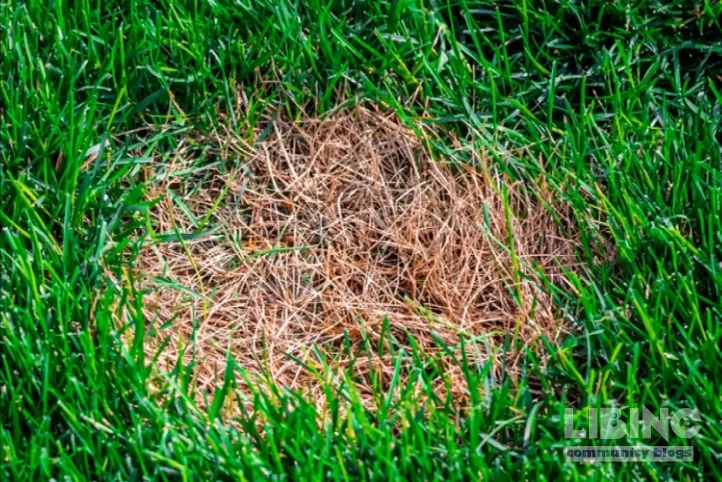
On cool‑season grasses such as Kentucky bluegrass and fine fescue, brown patch is a familiar and formidable foe. It often first appears as yellow halos around patches after hot, humid nights or following heavy rainfall. The disease thrives in moist conditions and with elevated nitrogen availability, which explains why mid‑summer growth spurts can coincide with outbreak risk.
This guide follows a pragmatic, data‑driven approach: observe, measure, compare, and act. By combining field signs with environmental history and management practices, you can separate brown patch from other culprits, quantify risk factors, and implement fixes with a clear plan. The aim is not merely to patch brown spots but to restore resilient turf that resists recurrence.
Analytics‑driven diagnosis
To distinguish brown patch from other stressors, begin with a map of signs, timing, and environment. This is not just about a single patch; it reflects lawn disease patterns and turf stress that vary with region, grass type, and microclimate.
Key data points to capture before action include:
- Grass species: Identify whether you have cool‑season or warm‑season turf, since brown patch primarily targets cool‑season grasses in many regions.
- Weather history: Note recent heat, humidity, and rainfall; fungal diseases ride on moisture and warm nights.
- Patch characteristics: Shape, size, edge behavior, whether yellowing precedes browning, and whether patches coalesce.
- Irrigation patterns: Watering duration, frequency, and whether irrigation aligns with dawn or day; soil moisture affects disease risk.
- Nutrition and fertilization: Recent nitrogen inputs that could feed fungal growth or tissue flushes.
- Soil and pest history: Past soil tests, drainage status, and signs of root‑feeding insects or grubs.
Interpreting these data requires a weather‑aware lens; we track fungal disease dynamics by correlating moist, cool nights with patch expansion. In turf health terms, this is the intersection of environment and plant response—the core of analytical diagnosis in lawn care.
How you collect this data matters as much as the data itself. A quick field assessment, paired with a glance at last month’s irrigation log and fertilizer plan, yields a directional hypothesis. If you observe rapid yellowing followed by browning as humidity spikes, brown patch remains a leading suspect. If patches stay dry and edges crisp, other causes gain plausibility.
When you feel uncertain, a simple diagnostic test can help: observe the patch after a 10–20 minute soaking rain or after a dawn watering, then watch for whether leaves stay damp for hours or dry quickly. In many cases, that moisture pattern points toward a fungal disease rather than abiotic stress. If the test indicates a fungal signature, you proceed with targeted disease management.
Contrast: brown patch vs other lawn problems
Brown patch vs drought and irrigation stress
Dry patches with crisp, sun‑baked edges typically reflect water deficit rather than disease. In drought scenarios, you see slower recovery after mowing and a uniform browning that follows sun exposure patterns rather than patchy borders that spread irregularly. By contrast, brown patch expands with humidity and warm nights, producing irregular, often rounded patches that grow in response to moisture availability. Recognize it early by noting whether patches appear after heat waves that coincide with heavy rain or high irrigation volumes.
LSI: turf health, irrigation management, disease risk, wet microclimate. Turf health patterns reveal whether abiotic stress (water) or biotic stress (fungal disease) dominates. The distinction matters because the remedies diverge significantly in timing and inputs.
Brown patch vs insects and root damage
Pest activity and root damage produce localized dead zones that may resemble brown patch but accompany telltale signs: thinning crowns, off‑color patches without yellow halos, and often visible root decline when you pull a few stolons. Insect feeding, nematode injury, and grub damage disrupt turf density and root systems, weakening the plant and inviting opportunistic fungi. If you see edge‑to‑edge browning with minimal leaf yellowing, inspect roots and soil for pests rather than assuming a fungal disease alone.
LSI: turf pests, root health, grub damage, soil biology. Understanding pest pressure clarifies whether control should focus on biology, chemistry, or cultural practices to restore vigor.
Brown patch vs chemical damage and urine scorch
Chemical burns from over‑fertilization or accidental spills present as sharply defined patches with crisp margins. Urine scorch from pets or wildlife produces small, circular patches, often accompanied by a strong ammoniac odor and localized browning that does not spread rapidly. Brown patch, however, tends to create irregular, expanding areas whose edges soften and blur as the disease progresses. Distinguish them by reviewing chemical histories and livestock or pet activity patterns alongside symptom geometry.
LSI: chemical burn, fertilizer management, urine damage, lawn chemistry. Accurate differential diagnosis reduces misapplication of pesticides and prevents unnecessary reseeding cycles.
Cause‑and‑effect relationships in turf patches
Understanding how management decisions translate into turf outcomes helps you prevent patches from forming in the first place. The following relationships illustrate how actions intersect with turf physiology and pathogen ecology.
- Overwatering → saturated soil → reduced oxygen in the root zone → stressed grass → susceptibility to fungal pathogens such as the brown patch complex, especially in high‑humidity nights.
- High nitrogen in midsummer → rapid leaf growth → higher tissue susceptibility to infection and heat stress → patch expansion if moisture remains high and canopy density increases humidity at the leaf surface.
- Poor air flow from dense turf → higher leaf wetness duration after irrigation → favors disease establishment and spread among adjacent patches.
- Mowing too short or too tall → creates stress at the crown or reduces canopy circulation → makes leaves more prone to infection and less able to recover from damage.
- Soil drainage problems → persistent moisture pockets in the root zone → localized disease foci concentrate and expand, particularly in low spots or compacted soils.
- Pest pressure → root disruption and thinning stands → open canopy allows pathogens to capitalize on weakened tissue.
LSI: irrigation management, turf physiology, disease ecology, patch dynamics. Each action has a twin outcome: a purposeful improvement or an unintended vulnerability that pathogens exploit.
Another core dynamic is the seasonal timing of inputs. In many climates, brown patch risks peak when warm nights meet extended leaf wetness during summer humidity. Calibrating inputs to that window reduces the environmental suitability for the pathogen and protects canopy health across seasons.
Expert reconstruction
Experts approach a brown patch situation as an integrated system problem rather than a single symptom. They diagnose, contain, repair, and re‑establish healthy turf through a deliberate sequence that prioritizes resilience and long‑term stability.
- Step 1 — Confirm and contain: Map the affected area, isolate the patch to prevent spread, and remove dead tissue to reduce inoculum. Bag debris and prevent reseeding from infected material.
- Step 2 — Reseed and reestablish: Remove dead material and prepare the soil surface. Choose a cultivar compatible with local climate and patch history, and seed with a blend designed for quick cover and disease tolerance.
- Step 3 — Targeted disease management: Apply a preventive fungicide schedule if conditions remain favorable for brown patch, and use curative fungicides only when a clear pathogen presence is confirmed. Timing matters: treat when leaf tissue is actively expanding and prior to peak humidity periods.
- Step 4 — Nutrient and irrigation adjustment: Shift to balanced, slow‑release nitrogen and avoid mid‑summer high‑nitrogen rates. Water deeply but infrequently, preferably in the early morning to minimize leaf wetness duration.
- Step 5 — Cultural optimization: Improve drainage and aeration, adjust mowing height to promote airflow, and reduce canopy density that traps moisture. These changes raise the plant’s tolerance to pathogens and improve recovery after patches appear.
- Step 6 — Monitoring and prevention: Establish a maintenance calendar, monitor patches after weather extremes, and refine irrigation, mowing, and fertilization based on turf response. Prevention hinges on consistent, lower‑risk inputs rather than reactive interventions.
In practice, the best strategies combine immediate containment with long‑term cultural shifts. By prioritizing air flow, balanced nutrition, and disciplined irrigation, you lower the microclimate opportunities for brown patch to thrive and reduce the chance of reoccurrence across seasons.
Applied correctly, this approach yields a healthier lawn that resists disease pressure, supports robust root systems, and recovers quickly from insults. The goal is not to chase every patch, but to raise the baseline turf vigor so that brown patch remains a manageable, infrequent event.
Ultimately, successful management requires ongoing vigilance. Record climate patterns, track patch behavior over successive summers, and adapt your program as grasses mature and local conditions shift. A proactive, scientifically informed routine beats ad hoc fixes every time.
With disciplined management, brown patch and other lawn patches become manageable through observation, timely action, and a disciplined approach to irrigation, mowing, and nutrition. A robust, well‑managed lawn not only looks better but also resists disease and pests more effectively over time.
Reclaiming your lawn starts with precise diagnosis, targeted action, and a sustainable maintenance plan. By aligning cultural practices with the biology of turf and pathogens, you turn brown patches from recurring problems into a solvable management task.
Gap-focused addition: a practical, season-sensitive action plan that translates diagnosis into a calendar of steps. The framework below ties leaf wetness duration, irrigation timing, and nutrient pacing to disease risk, offering concrete actions instead of generic guidance.
Table: Seasonal risk checklist
| Scenario | Leaf Wetness (hrs) | Temp (F) | Humidity | Action |
|---|---|---|---|---|
| Humid nights | 2–6 | 65–85 | High | Irrigate at dawn; use slow-release N; improve airflow |
| Poor drainage | >4 | 70–85 | High | Address drainage, aerate, reseed |
| Dense canopy | >3 | 70–90 | High | Aerate, raise mowing height |
| Excessive N | 2–5 | 75–95 | Medium | Reduce N, switch to slow-release |
| Frequent mowing | 1–2 | 60–85 | Medium | Increase mowing height |
| Heavy rainfall | >4 | 60–85 | High | Improve drainage, avoid fertilization during wet spells |
| Dry spells | 0–1 | 75–100 | Low | Maintain canopy but monitor for stress |
Seasonal management timeline
- Pre-season (early spring): test soil, plan balanced nutrition, schedule aeration.
- Early summer: irrigate at dawn, reduce mid-season nitrogen, monitor leaf wetness and disease signs.
- Midsummer: apply preventive measures only if forecast favors disease; focus on airflow and drainage; adjust N accordingly.
- Late summer to early fall: revert to cooler-night irrigation, overseed worn patches with tolerant mixes.
Key metric to watch
With these elements, you turn observation into action, aligning irrigation, mowing, and nutrition with the turf's biology and local weather. This approach helps you reduce patch spread and build resilience across seasons.
What are the key signs that a patch is brown patch and not drought or chemical damage?
Brown patch typically presents as irregular, expanding patches with yellow halos that appear after warm nights and extended leaf wetness, whereas drought damage shows crisp, sun-baked edges with dry soil and overall slow recovery, and chemical damage tends to be sharply defined with clear borders and sudden onset. In practice, look for the combination of leaf yellowing preceding browning, edge softness rather than crisp margins, and patches that grow in response to moisture increases. A simple moisture test can confirm: leaves that stay damp for hours point toward disease rather than abiotic stress.
This distinction matters because management differs: disease control focuses on canopy environment and targeted inputs, while abiotic stress relies on irrigation and nutrition adjustments.
How do weather and irrigation choices influence brown patch risk?
Seasonal humidity, warm nights, and leaf wetness duration strongly drive brown patch risk. When nights stay warm and humid, disease spores survive and spread across patches; irrigation that coincides with dew or late-day watering prolongs leaf wetness, increasing risk. Conversely, dawn irrigation, deeper infrequent watering, and proper canopy aeration reduce leaf wetness and canopy humidity, lowering pathogen pressure. Practically, track forecasts, limit irrigation within two hours of sunset, and favor deep soakings that dry by morning.
What steps should I take immediately after diagnosing brown patch?
Act quickly to contain and remediate. Begin by mapping the affected area, removing dead tissue, and avoiding reseeding with infected material. Isolate patches to prevent spread, then shift to a management plan centered on reducing leaf wetness, lowering excessive nitrogen, and enhancing drainage. If disease pressure remains high, apply a preventive fungicide window aligned with weather forecasts, otherwise rely on cultural controls first. The goal is to stop expansion this season while rebuilding canopy resilience for the next cycle.
When is fungicide necessary and what should I consider before applying?
Fungicides are most effective when used as part of a preventive schedule during periods of high disease risk (extended leaf wetness, warm nights, steady rainfall). Before applying, confirm a pathogen presence or strong likelihood based on symptoms and history, rotate fungicides with different modes of action to avoid resistance, and avoid mid-season applications if environmental conditions have shifted toward dry periods. Always follow label rates and local regulations, and integrate fungicide use with irrigation timing to minimize leaf wetness duration.
What long-term cultural practices reduce brown patch recurrence?
Long-term control comes from improving canopy airflow, drainage, and nutrition balance. Aerate periodically, raise mowing height to promote air movement, and use balanced, slow-release nitrogen to prevent tissue flushes that attract pathogens. Adjust irrigation to early morning schedules and avoid overwatering, especially after humid nights. Select turf varieties with better disease tolerance and improve soil structure through organic amendments and proper drainage. By combining monitoring, forecasting, and disciplined inputs, you build a resilient lawn that resists brown patch year after year.




Add a comment
To comment, you need to register and authorize
Comments