

2026 Lexus ES Hybrid: Preserving Comfort While Embracing Electrification
Table of contents
- Analytics and powertrain
- Design, cabin and technology contrasts
- Cause-and-effect: market position and performance
- Expert reconstruction: implications for buyers
The 2026 Lexus ES Hybrid uses the sixth-generation hybrid system, pairing a 2.5-liter Atkinson-cycle inline-4 with electric motors to deliver a combined 244 horsepower. This is a materials- and software-driven upgrade over the prior ES hybrid, designed to emphasize electric propulsion in daily driving while smoothing transitions between gas and electric operation. The drivetrain remains front-wheel drive with an optional rear-mounted motor for all-wheel-drive configurations, a setup that balances efficiency with assured low-speed traction. In practice, the ES Hybrid remains quiet and unobtrusive, a testament to Lexus’s tradition of insulation and NVH control.
Analytics and powertrain
The heart of the 2026 ES Hybrid lies in the sixth-generation hybrid architecture, which uses a revised power unit and a recalibrated transmission to maximize electric propulsion during routine driving. The gas engine—an Atkinson-cycle 2.5-liter four-cylinder—produces 186 hp and 173 lb-ft of torque, but the emphasis is on the three electric motors (two on the front axle and one on the rear for AWD). The combined system output is 244 hp, with the weight balance and power delivery tuned to deliver refinement over outright speed. The result is a sedan that feels smoother at launch and cruising speeds than the last ES hybrid, even as peak performance remains modest by performance-sedan standards.
- Powertrain architecture: 2.5L Atkinson-cycle engine + electric motors, with a lithium-ion battery pack.
- Drivetrain options: Front-wheel drive standard; optional all-wheel drive via a rear electric motor.
- Transmission: Continuously variable automatic, with direct-drive characteristics tuned for seamless transitions.
- System output: 244 hp combined, prioritizing electric propulsion in everyday use.
- Efficiency: EPA ratings around 46 mpg combined with FWD and ~44 mpg with AWD, underscoring the hybrid’s efficiency upside over the outgoing ES300h.
From a materials and efficiency standpoint, the 2026 ES Hybrid pivots on the sixth-generation formula to optimize the turbo-free, quiet luxury that buyers expect. The lithium-ion pack is sized to maintain ample EV-assisted torque during low-speed acceleration, while regenerative braking is tuned to feel natural rather than aggressive. This is crucial for an audience that values smooth, consistent power delivery over pugnacious acceleration. The chassis remains tuned for a comfortable ride with controlled body motions, and the larger wheelbase contributes to more generous interior packaging without compromising ride quality. In practice, the ES Hybrid demonstrates that the brand can push electrification into its bread-and-butter model without sacrificing the serenity that defines the nameplate.
In terms of driving dynamics, Lexus preserves a serene feel rather than a sporty temperament. The suspension is tuned to absorb imperfections with ease, and the tires—currently limited to 19-inch wheels on the hybrid—offer adequate sidewall to cushion rough pavement while preserving a calm, composed ride. The steering is precise enough for routine lane management, with a natural on-center feel that supports confident highway cruising. The result is a car that remains a refined boulevard cruiser, with the additional benefit of electric motors contributing to smooth, quiet acceleration and steady torque delivery. This is where the ES Hybrid’s real advantage lies: a sense of ease that does not demand a sacrifice in efficiency.
Interior tech and packaging reinforce the analytic premise: the 14.0-inch touchscreen dominates the central stack, while essential controls stay within reach. Lexus’s interface is modern but not overwhelming, with a physical volume knob and select climate controls still present. The goal is to minimize driver distraction while delivering cutting-edge infotainment and driver-assistance features. In the context of the 2026 ES Hybrid, the technology does not overwhelm comfort; instead, it complements the cabin’s tranquil character and the hybrid’s refined performance. The hybrid family—comprising Premium and Premium+ trims—sits below the top Luxury tier in equipment, which is a deliberate choice to keep the ES affordable while maintaining Lexus’s premium feel. Pricing starts around $51,095 for ES350h Premium FWD, rising with AWD and Premium+ features, and still undercutting the entry costs of German rivals for a similar level of comfort and refinement.
Why this matters: the 2026 ES Hybrid demonstrates that Lexus can maintain its core values—quiet, cosseting ride, superb build quality, and a calm, refined cabin—while incorporating electrified propulsion. This is not a radical reinvention; it is a calculated evolution designed to protect a profitable, loyal customer base while dipping a toe into mainstream electrification. The hybrid’s success—or lack thereof—will influence Lexus’s broader electrification strategy across its lineup, including decisions about powertrain diversification, pricing, and the pace at which more electrified options appear in traditional sedans versus crossovers. The takeaway is that the 2026 ES Hybrid is a proof of concept: electrification can coexist with a time-honored luxury formula if executed with discipline and a clear value proposition for buyers who prize comfort and reliability.
Design, cabin and technology contrasts
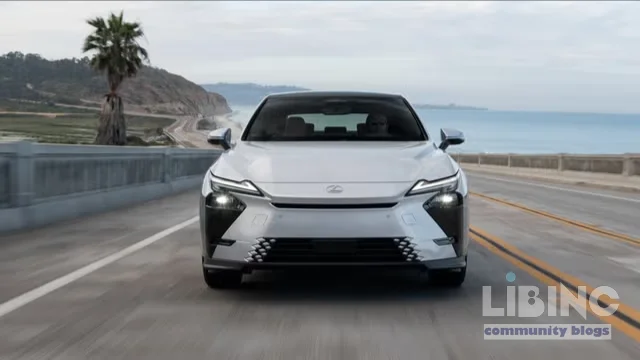
The eighth-generation ES introduces a taller, more imposing silhouette and a longer wheelbase designed to maximize cabin space and ingress/egress accessibility. Lexus’s designers aimed to eliminate the negatives of a low-slung sedan by embracing a taller stance similar to the Toyota Crown, but they softened that effect with angular lines and a swooping roof that attempts to preserve a low visual profile. The result is a design that reads as a modern take on a traditional luxury sedan: recognizable as a Lexus while clearly distinct from older ES generations. The tall-sedan approach provides actual utility, especially for rear-seat passengers, and it helps the ES feel more substantial in the segment that includes long-wheelbase rivals from Europe. This design shift matters because it changes the perceived proportion and the sense of luxury in everyday use—the car looks more substantial, which affects buyer psychology and perceived value.
- Exterior proportions: longer wheelbase, taller cabin, and sculpted, angular lines that balance a premium presence with a refined silhouette.
- Interior philosophy: button-free, touch-capacitive interfaces in the dash, but with a pragmatic mix of tactile controls, including a physical volume knob and essential climate controls.
- Cabin acoustics: improved NVH suppression through chassis tuning and insulating materials, reinforcing the ES’s quiet-luxury character.
- Infotainment and controls: a 14.0-inch touchscreen with a carefully curated control set; the interface emphasizes ease of use and minimal distraction.
Contrasting with the previous ES models, the 2026 ES Hybrid moves away from a traditional, button-heavy control layout toward a futuristic, streamlined cockpit. The digital footprint is pronounced, but Lexus keeps a few familiar tactile elements to ease transitions for longtime buyers. The contrast also extends to the trim spectrum: Premium and Premium+ accumulate essential features without the top-tier Luxury’s most opulent options, making the new ES accessible while preserving a premium feel. This balance mirrors the brand’s broader strategy: keep entry costs reasonable for a luxury buyer while preserving the perceived value of a premium interior and quiet ride.
From a power and efficiency perspective, the hybrid configuration matters in a slightly different way than the EV variant. The hybrid’s powertrain, with a strong emphasis on electric propulsion for daily driving, delivers smoother throttle response and refined acceleration without the immediacy and weight of a traditional V-6. The hybrid’s tech stack—sixth-generation hybrid system, rear motor on AWD variants, and a lithium-ion battery—plays a central role in shaping the ES’s on-road character and daily usability. The combination of a roomy interior, substantial cabin feel, and a composed ride offers a distinct alternative to sportier or more aggressive luxury sedans, preserving the ES’s traditional identity while introducing a new propulsion flavor. In short, the 2026 ES Hybrid demonstrates that a luxury sedan can evolve without forfeiting its core comfort and quietness.
Cause-and-effect: market position and performance
Lexus’s decision to keep the ES’s core formula intact—emphasizing comfort, quietness, and predictable performance—rests on strong market signals. The ES has long been a best-seller in the Lexus lineup, and the hybrid’s higher efficiency and lower operating costs reinforce its role as the volume model in the US market. The engineering choice to pair the 2.5-liter Atkinson-cycle engine with multiple electric motors is a direct response to a market that prizes real-world fuel economy and low emissions without sacrificing the brand’s hallmark serenity. The consequence is a refined car that feels modern inside and out, yet remains true to what buyers expect from the ES—ease of ownership, durability, and a sense of effortless luxury.
The practical effects of the revised platform are evident in several areas. First, the longer wheelbase translates to more rear-seat legroom and improved ride isolation, contributing to the ES Hybrid’s cosseting character. Second, the taller profile helps with ingress/egress, which matters to an audience that frequently prioritizes comfort over sportiness. Third, the AWD option, enabled by an additional rear electric motor, delivers improved low-speed traction without altering the energy balance or performance figures. These outcomes align with the ES’s traditional value proposition while expanding its capability in inclement weather or varying road conditions. The price ladder also shifts accordingly: customers can opt for Premium and Premium+ with strong feature sets and strong fuel economy, then upgrade to the Luxury trim if they desire more opulence, all while staying under the headline price of European rivals with similar space and ride quality.
Yet the hybrid’s recalibrated power delivery has downstream consequences for driving dynamics. The ES Hybrid’s acceleration feels composed rather than punchy, a characteristic consistent with its luxury-leaning mission and the electronic continuity between gas and electric propulsion. The switch between power sources remains perceptible in some situations, but the transition is seamless enough to preserve a sense of serenity. In the end, the effect is to reinforce the ES’s role as a dependable daily driver—quiet, efficient, and reassuring—rather than a high-performance luxury sedan. In this context, the 2026 ES Hybrid stands as a deliberate product choice that prioritizes reliability and comfort over brute speed, aligning with both customer expectations and the brand’s conservative risk profile. The result is a car that remains deeply LX-appropriate for a large audience seeking daily luxury with demonstrable efficiency gains.
The market positioning of the ES Hybrid also carries implications for ownership costs and total cost of ownership. While the upfront price is higher than the outgoing ES300h, the increased efficiency, modernized tech stack, and improved ride quality offer a compelling value proposition in the mid-luxury segment. The ES Hybrid remains notably cheaper than a German sedan with comparable interior space and refinement, reinforcing its appeal to buyers who value long-term costs alongside comfort. This price-value balance, combined with the brand’s reputation for reliability, helps the ES Hybrid maintain high resale appeal and steady demand within the segment. The net effect is a more robust value proposition that supports Lexus’s strategy of incremental electrification rather than radical upheaval of its core lineup.
Expert reconstruction: implications for buyers
For the typical buyer, the 2026 Lexus ES Hybrid delivers a refined, quiet, and efficient luxury sedan that remains faithful to the ES’s proven formula. If you prize interior quiet, ride comfort, and predictable daily usability, the ES Hybrid checks those boxes with a modern drivetrain that emphasizes energy efficiency without sacrificing the smooth, unhurried acceleration the ES is known for. The hybrid’s 244 hp combined output is more than enough for comfortable highway passing and confident merging, even if it isn’t a throttle-liberating sports saloon. The real differentiators lie in ride quality, cabin refinement, and the hybrid’s ability to deliver outstanding fuel economy without high noise or harshness during acceleration. For most buyers, the ES Hybrid is the practical and pleasurable choice within the ES family.
Who should consider the Premium vs Premium+ variants? If you want more advanced driver assistance, enhanced cabin materials, and more convenience features, Premium+ is a rational step up. The Luxury trim, while offering a higher level of opulence, may not deliver enough additional value to justify the ticket price for the average ES buyer who primarily uses the car for commuting and long highway trips. The EV option is a separate product line and remains a niche within the larger Lexus ecosystem; for most customers, the ES Hybrid represents the accessible path to electrified luxury with minimal compromise on the familiar ES experience. The bottom line: the 2026 ES Hybrid preserves Lexus’s reputation for reliability and comfort while injecting a measured dose of electrification that is both practical and meaningful for daily use.
When you compare the 2026 ES Hybrid to its closest rivals, the value proposition stays favorable. The ES’s cabin quality, quiet ride, and real-world efficiency make it an appealing alternative to the premium German sedans if you value refinement over outright sportiness. The hybrid’s technology stack, including the 14.0-inch touchscreen and a blend of capacitive and tactile controls, demonstrates Lexus’s commitment to a modern, intuitive user experience without alienating customers who prefer a straightforward, non-distracting interface. The ES Hybrid’s place in the market is thus not only about what the car can do, but what owning it feels like—consistent, comfortable, and quietly capable over many miles. That may be the greatest argument for the 2026 Lexus ES Hybrid: it remains an excellent long-term companion in an era of rapid electrification.
Analytics and powertrain
The heart of the 2026 ES Hybrid lies in the sixth-generation hybrid architecture, which uses a revised power unit and a recalibrated transmission to maximize electric propulsion during routine driving. The gas engine—an Atkinson-cycle 2.5-liter four-cylinder—produces 186 hp and 173 lb-ft of torque, but the emphasis is on the three electric motors (two on the front axle and one on the rear for AWD). The combined system output is 244 hp, with the weight balance and power delivery tuned to deliver refinement over outright speed. The result is a sedan that feels smoother at launch and cruising speeds than the last ES hybrid, even as peak performance remains modest by performance-sedan standards.
Powertrain snapshot
| Metric | ES Hybrid 2026 |
|---|---|
| Engine | 2.5L Atkinson-cycle |
| Combined power | 244 hp |
| Drivetrain | FWD standard; AWD via rear motor |
| Efficiency (est.) | 46 mpg combined (FWD); 44 mpg AWD |
The rest of the package remains focused on quiet luxury: a smooth CVT with direct-drive characteristics, subdued NVH, and a chassis tuned for a serene ride. In practice, the ES Hybrid pursues electric propulsion in day-to-day driving, softening throttle response and enabling a refined, nearly silent launch from rest.
In terms of driving dynamics, the ES Hybrid emphasizes a serene ride over sport performance. The suspension soaks imperfections gracefully, and the steering offers a natural on-center feel that supports confident highway cruising. The result is a refined boulevard cruiser, with electric motors contributing to smooth, quiet acceleration and steady torque delivery—an essential advantage for daily usability and long trips alike.
Real-world efficiency snapshot
Interior tech and packaging reinforce the analytic premise: the 14.0-inch touchscreen dominates the central stack, while essential controls stay within reach. Lexus’s interface remains modern but avoids overwhelming complexity, keeping a physical volume knob and key climate controls for tactile reassurance. The hybrid family—Premium and Premium+—stays below the Luxury tier, a deliberate choice to balance value with premium materials and refinement. Pricing starts around $51,095 for ES350h Premium FWD, rising with AWD and Premium+ features, and still undercutting comparable European rivals for interior space and serenity.
Frequently asked questions
How efficient is the 2026 Lexus ES Hybrid in real-world driving?
The ES Hybrid delivers real-world efficiency by combining a 2.5L Atkinson-cycle engine with three electric motors, enabling EV-assisted acceleration and smoother cruising; in typical mixed driving you can expect around 46 mpg combined with FWD and about 44 mpg with AWD, depending on speed, climate, and tire choice, while regenerative braking is tuned for a natural feel rather than aggressive deceleration. This setup targets quiet operation and predictable costs over time.
In daily use, the system prioritizes electric propulsion during low-speed starts and most urban travel, then smoothly blends to gasoline power on longer stretches, preserving the serene character Lexus buyers expect.
What trims and pricing are available for the ES Hybrid in 2026?
The ES Hybrid line-up starts in the Premium tier with FWD and progresses to Premium+; all-wheel drive adds a rear motor and raises the price. The Premium configuration offers essential comfort and safety features, while Premium+ adds upgraded materials and driver-assistance options. The Luxury trim remains the top option for those seeking more opulence, though the Premium and Premium+ provide strong value by balancing luxury with efficiency. In real terms, pricing begins around $51k, with AWD and Luxury features pushing the total higher.
For most buyers, the value comes from a refined interior, efficient operation, and predictable maintenance costs rather than top-tier opulence.
How does the AWD system work on the ES Hybrid, and what are the benefits?
AWD in the ES Hybrid is enabled by a rear electric motor that engages when grip or acceleration demands it, improving low-speed traction and stability without a traditional fuel penalty. This setup preserves the hybrid’s emphasis on electric propulsion in daily use while expanding capability in poor weather or on slick pavement. The trade-off is a small weight and packaging impact, balanced by the overall efficiency and the added reassurance of all-weather confidence during commutes and trips.
Real-world benefit is steady, confident handling rather than dramatic performance gains, which suits buyers prioritizing comfort and predictability.
What interior features define the ES Hybrid as quiet luxury?
The ES Hybrid blends expansive seating with refined NVH control, a large 14.0-inch touchscreen, and tactile controls that remain intuitive amid digital interfaces. The cabin materials emphasize soft-touch surfaces and sound-dampening architecture that minimizes wind and road noise at highway speeds. The result is a serene environment ideal for long drives, business trips, and daily commutes, where comfort and cognitive ease count as much as efficiency.
In practice, occupants experience a calm, composed ride with minimal interruptions, reinforcing the brand’s quiet-luxury identity.
How does the ES Hybrid compare with premium German sedans on value and reliability?
Compared to European rivals, the ES Hybrid typically offers a lower initial outlay for similar interior space and ride quality, along with Lexus’s reputation for reliability and lower maintenance costs. The hybrid system provides strong real-world efficiency and predictable ownership economics, while the interior feels premium without the high-price premium of some German alternatives. In long-term ownership, the ES Hybrid often presents a compelling balance of comfort, efficiency, and residual value within the mid-luxury segment.
Overall, buyers tend to prioritize comfort, durability, and total cost of ownership over the last word in performance, aligning well with the ES Hybrid’s strengths.






Add a comment
To comment, you need to register and authorize
Comments