

Sagre as Social Economies: An Analytical Tour of Italy's Village Food Festivals
Lead
Every summer in Italy, sagre pull villagers outdoors, turning kitchen lore into shared meals. They are not merely markets or village fetes; they are living maps of place, where a dish embodies a landscape. The stakes are real: sagre keep small farms viable, sustain local crafts, and maintain a communal memory that links generations. But a hidden conflict threads through these festivals: modernization and scale threaten spontaneity, authenticity, and the intimate exchange between producer and eater. Where do traditions end and spectacle begin? This article surveys Italian sagre across regions to reveal how these food-centered events function as social economies, how they shape regional identities, and how authentic experiences survive amid rising tourism. The analysis unfolds through four lenses: analytics, contrast, cause-and-effect, and expert reconstruction.
Analytics: mapping Italian sagre as social economy experiments
The sagra universe functions less like a single market and more like a diffuse network of micro-economies clustered around family recipes, harvest cycles, and neighborhood pride. An analytic frame that treats sagre as social economy experiments shows value not only in price but in social capital, knowledge transfer, and place-making. The persistence of sagre across regions demonstrates how communal dining acts as a vascular system for memory and practice, enabling livelihoods to survive seasonal cycles. The result is a durable, place-based economy where culinary skill, volunteer labor, and local governance co-create lasting value. Local food economies rely on this blend of memory, market, and moment to prosper even as tastes shift and demographic pressure tightens budgets.
Across sagre, a central dish anchors supply chains, triggers seasonal labor, and guides festival governance. The central dish becomes a banner for the village and a touchstone for continuity. Cultural heritage governance—often coordinated by volunteer associations like Pro Loco chapters—translates culinary memory into public performance that visitors can share with locals. This linkage between memory and market creates resilience: when a recipe travels from kitchen to communal table, it gains legitimacy as cultural artifact and economic asset. Yet scale introduces risk: over-manufactured experiences can erode the intimate transfer of know-how that sustains a dish over generations.
Another structural feature is the alignment of event management with local leadership. In Cannole, the Festa della Municeddha is organized by a dedicated volunteer network; in Castelfranco Emilia, the tortellini tradition is staged as a civic ritual—tables, broths, and parades choreograph a public narrative. The result is a hybrid system where civic capacity, culinary technique, and tourist appetite co-create value. Local producers benefit from predictable seasonal demand, while residents reinforce place through ritual. The balance is fragile: excessive commercialization risks hollowing memory, yet insufficient scale can render a dish obscure and unsustainable.
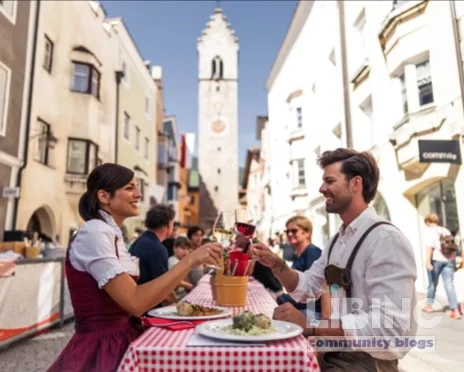
In short, sagre function as economic and cultural laboratories. Their success depends on balancing accessibility with authenticity, routine with novelty, and local pride with outward curiosity. The regional diversity—from snail feasts in Cannole to canederli in Vipiteno—illustrates a broader pattern: festivals calibrate proximity to place through food, turning a simple supper into a social technology for community endurance. Local food economies rely on this dynamic, ensuring traditional knowledge circulates and evolves even as markets and tastes shift.
Contrast: villages, dishes, and the tension between tradition and spectacle
Not all sagre reproduce the same balance. In some places, the memory of a grandmother's kitchen remains the quiet gravity around a festival, while in others the event leans into a stage-lit lineup of musicians and branded stalls. The tension between heritage and tourism is not a simple clash of values; it is a negotiation over access, meaning, and resource allocation. Heritage-driven sagre tend to preserve intimate serving rituals and locally sourced produce, while spectacle-driven sagre expand crowd appeal and diversify revenue streams. The challenge is to hold onto memory without sacrificing the energy that makes a dish legible to new generations. Heritage and tourism can coexist if producers control the pace, preserve core recipes, and resist homogenization of the menu.
- Authenticity versus spectacle: intimate cooking methods, seasonal ingredients, and small-scale vendors versus branded signage, curated menus, and large audiences.
- Economic balance: price points, vendor mix, and crowd management as tensions between accessibility and exclusivity.
- Community impact: how locals experience the festival and how outsiders perceive place through food.
There is value in the spectacle, too: broader visibility can attract younger volunteers, diversify culinary offerings, and foster cross-regional exchange of ideas. When a festival uses place-based gastronomy as a bridge rather than a barrier, it becomes a form of gastrodiplomacy that expands the vocabulary of regional identity. The risk remains that standardized menus and polished stages dilute the very texture that makes a sagre meaningful to its home community.
The Giarratana onion festival in Sicily, for instance, demonstrates how a strong local product can anchor tourism without erasing memory. Slow Food presidia and village markets knit together production, storytelling, and tasting experiences. But even in such cases, organizers must guard against turning the onion into a generic commodity. The art is in preserving distinctive cultivation practices while inviting new audiences to share in their flavor heritage.
Cause-and-effect relationships: how sagre shape communities
Sagre influence local labor markets, with seasonal jobs, temporary hires, and the redistribution of wealth during peak weeks. The influx of visitors raises demand for everything from lodging to transport, creating a cascade of opportunities for small businesses and family farms. This seasonal labor cycle strengthens social ties and exposes young residents to entrepreneurship, but it can also strain housing and public services if planning remains ad hoc. The causal web extends beyond immediate sales: the visibility of a central dish can lift a village’s brand, attracting new producers and long-term visitors who return year after year. The effect is a tipping of the scale toward place-based resilience during the high season, while risk remains if public investment lags behind growing crowds.
The economic ripple extends to vendor revenue and local multipliers. A single sagra can become a focal point for regional networks—farmers, butchers, fishers, and craftspeople converge to supply ingredients and services. This clustering amplifies demand for local products, encouraging producers to invest in quality and provenance. Yet price inflation and supply pressure may push customers toward outside sellers if the festival fails to balance cost, quality, and access. The multipliers of sagre show up not only in cash flow but in knowledge transfer, as hosts teach recipes, preparation methods, and tasting etiquette to apprentices and visitors alike.
Memory is another axis of consequence. Recipes, techniques, and even the very language of a dish travel through sagre, carried by families and volunteers who narrate origins at every stall. This process sustains intergenerational knowledge transfer, allowing younger cooks to access traditional methods while adapting them to contemporary tastes. When memory remains dynamic rather than fossilized, sagre serve as living archives. Policy alignment matters here: municipal sponsorship can support safety, signage, and logistics without imposing conformity on culinary expression.
Finally, sagre shape civic identity. The festival becomes a shared project that requires negotiation among producers, volunteers, and local authorities. The outcome is a durable but flexible social contract: communities preserve memory, welcome outsiders, and maintain economic viability without surrendering autonomy over culinary choices. The challenge is to prevent external scale from eclipsing local voice, ensuring that the village remains the primary author of its food story.
Expert reconstruction: how locals sustain authenticity amid scale
Ethnographers describe authenticity in sagre as a dynamic negotiation rather than a fixed artifact. The living practice resists being sealed into a pristine museum piece; instead, it evolves through dialogue between generations, producers, and audiences. The most robust sagre embed ongoing processes of renewal—seasonal menus, rotating hosts, and opportunities for youth participation—so that the festival remains legible to newcomers while retaining its core of memory and craft. This is not merely about preserving recipes, but about sustaining a culture of care around shared meals.
Strategies for maintaining authenticity amid scale include deliberate governance by Pro Loco chapters, with formal roles for youth, elders, and intermediate generations. Rotating hosts, transparent vendor selection, and community-driven safety standards help preserve the texture of the event while accommodating growth. The best sagre also invest in archival practices: audio, video, and written records that capture recipes, sourcing, and anecdotal histories. These archives become educational tools for schools, culinary programs, and heritage initiatives, connecting present-day eaters with lineage and technique. The result is a festival that feels both rooted and adaptable, a model for other communities seeking to balance pride with openness.
In practice, authenticity is not about preserving a pristine moment but about sustaining a living relationship between people, place, and plate. Local producers remain central, but their authority rests on collaborative networks that include volunteers, municipal staff, and visiting guests. When done well, sagre produce a sense of shared responsibility for memory, ordinary knowledge, and the future of local cuisine. The key is to view authenticity as a process—one that can endure scale without surrendering the intimate exchange that makes a dish worth tasting.
Ultimately, the Italy of sagre reveals a persistent lesson: cultural life survives when communities steward both memory and experimentation. The festival becomes a field where tradition and improvisation co-create value, and where the taste of place travels not as a souvenir but as a practice that binds people across generations.
Notes on geography and examples cited in this article include Salento sagre, Cannole, Castelfranco Emilia, Vipiteno, Campofilone, and Giarratana. These cases illustrate how diverse regional ingredients and governance forms shape, and are shaped by, the festival economy.
In the end, the Italy of sagre is too wide to fit inside a single dining room. Every cloche lifted on a summer night echoes a village’s decision to keep its kitchen open to the world, one dish at a time.
Closing the practical gap: governance, metrics, and continuity
Organizers can balance heritage with growth by implementing a light, transparent governance model anchored by local associations (Pro Loco) and youth councils, with rotating hosts, clear safety standards, and an archival program. A simple scorecard tracks four metrics: memory (recipes archived, training sessions), economics (local spend, vendor retention), experience (visitor satisfaction, repeat visits), and governance (transparency, safety incidents). In Cannole and Castelfranco Emilia, these practices translate to more stable incomes for farmers, better crowd flow, and preserved rituals that locals claim as their own.
Table: Central dishes and supply chains
| Dish | Region | Peak season | Main ingredient | Typical vendors |
|---|---|---|---|---|
| Municeddha onion | Cannole | Summer | Onion | Local farmers, market stalls |
| Tortellini | Castelfranco Emilia | Autumn | Pasta dough, pork | Local pasta makers, shepherds |
| Canederli | Vipiteno | Winter | Bread, speck | Alpine inns, local butchers |
| Maccheroncini di Campofilone | Campofilone | Autumn | Macaroni | Local pasta producers |
| Giarratana onion festival | Giarratana | Summer | Onion | Local farmers |
A practical governance approach pairs a rotating host model with transparent procurement and strong safety norms, enabling growth while preserving the dish’s essence. This balance is visible in Cannole’s onion festival and Castelfranco Emilia’s pasta demonstrations, where memory and market co-create value without eroding craft.
Key indicators
Visitors 5,000–20,000 per festival
Local spend 60–75% of festival revenue retained by local producers
Volunteers 300–500 a season
Archives 10–25 recipes and stories added yearly
These indicators translate into tangible decisions: tighter vendor selection, price controls to keep lines fair, and a public archive that educates schools and visitors about provenance.
Governance blueprint
- Pro Loco leads coordination with youth and elders
- Rotating hosts and rotating food demos to share knowledge
- Transparent vendor criteria focused on provenance and fairness
- Safety, waste, and crowd-flow standards publicly posted
- Archival program for recipes, voices, and techniques
The result is a festival that remains anchored in memory yet open to new ideas, allowing local producers to thrive while inviting outsiders to participate in a living culture.
What is a sagra?
In essence, a sagra is a seasonal community festival centered on a local dish, organized by volunteers and local associations such as Pro Loco, where stalls, cooking demonstrations, and tastings merge to celebrate place and memory, turning kitchen lore into a public ritual that sustains families, farms, and crafts while inviting outsiders to share in a living tradition.
These events create resilience by linking producers to buyers, generating seasonal work, and reinforcing social ties that endure beyond a single festival.
How do sagre support local economies?
Sag ras concentrate demand for local products, enabling farmers, fishers, and artisans to sell directly to visitors, which strengthens seasonal incomes and encourages investments in provenance and quality.
They also function as hubs for knowledge transfer and network building, turning a one-off event into a recurring opportunity for local suppliers.
How do sagre balance tradition and spectacle?
By carefully curating menus and rituals around core recipes while using performances and branding to attract new audiences, sagre keep the memory intact and welcome broader participation without eroding craft.
Successful festivals maintain core dishes, while gradually expanding storytelling and demonstrations that illuminate technique and history.
What role do Pro Loco play in sagre?
Pro Loco chapters provide governance, volunteer coordination, safety oversight, and archival projects. They act as a bridge between memory and public experience, ensuring that local voices guide the festival’s evolution.
With rotating leadership and clear rules, these associations sustain legitimacy and community buy-in during growth phases.
How can visitors participate respectfully at sagre?
Respect producers, follow queues, support local vendors, and learn the provenance stories behind dishes. Engaging with cooks and farmers fosters appreciation and reduces waste.
Contributing to the memory archive or attending workshops enhances both the visitor experience and the festival’s longevity.
Why is memory preservation important in sagre?
Memory preserves continuity of craft, technique, and place. Archival efforts—recipes, interviews, and cooking demonstrations—link generations and help educate younger participants about sourcing and methods, sustaining authenticity over time.
Without memory work, the festival risks becoming a generic spectacle, disconnected from its roots.





Add a comment
To comment, you need to register and authorize
Comments