

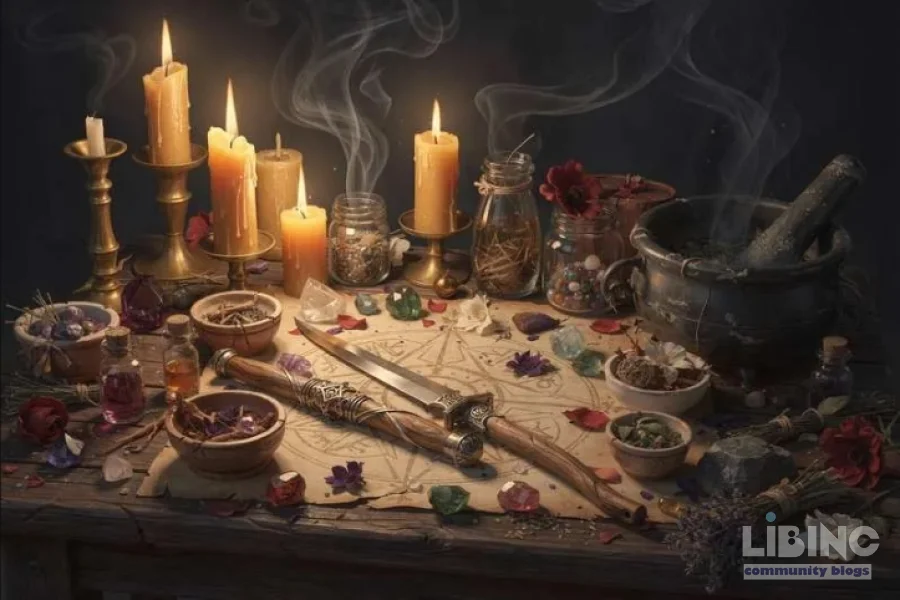
Candle color meanings are not cosmetic details; they encode an energetic signature that shapes ritual outcomes before any flame touches wax. Treating color as decoration misses the physics of symbolic work—the way intention interacts with aura, chakra alignment, and elemental forces. The result is energy that wanders, not land where you want it. Recognizing color as a precise tool makes ritual craft more reliable and auditable. This article treats candle color as a structured system rather than a mood board, offering a taxonomy of colors, their energetic signatures, and practical steps to synchronize color with timing, tools, and a clear intention.
It also connects to widely practiced traditions from folk magic to esoteric schools, yet remains accessible to beginners who practice daily focused rituals. By mapping color to chakra associations, planetary timings, and compatibility with crystals and herbs, you gain a repeatable method for turning inner desire into outward change.
Table of Contents
- Analytics view: Decoding Candle Color Meanings
- Contrasts: When Colors Diverge in Practice
- Cause and Effect: How Color Shapes Ritual Outcomes
- Expert Reconstruction: A Practical Framework for Candle Color Magic
- Color at a Glance: Quick Reference for Each Color
- Tools and Pairings: Herbs, Oils, and Crystals by Color
- Timing and Moon Phase Recommendations
- A Simple Candle Color Spell You Can Try Tonight
- Safety and Ethics of Candle Magic
- Common Candle Color Combinations
- Frequently Asked Questions
Analytics view: Decoding Candle Color Meanings
Color meanings are a structured language built from psychology, cultural symbolism, and energetic models such as chakra systems and elemental correspondences. Rather than a random assignment, each color encodes a deliberate intention, an archetypal energy, and a set of measurable ritual effects.
Understanding these encodings requires attention to how color interacts with the space, the candle's material, and the planner's inner state. When you align color with the target outcome, you create a signature that guides attention and anchors belief, turning intention into a repeatable practice. This section organizes meaning into a usable taxonomy that practitioners can apply without guesswork.
Color at a glance
- White Candle Meaning: Purification, protection, spiritual clarity, universal substitute. White acts as a blank slate, enabling aura cleansing and truth seeking while functioning as a flexible carrier for any ritual.
- Red Candle Meaning: Passion, vitality, courage, physical drive. Red channels root energy and aligns with the first chakra, fueling action and resilience in the face of fear.
- Pink Candle Meaning: Compassion, self-love, emotional healing. Pink softens red energy into relational warmth, supporting forgiveness and healing conversations.
- Orange Candle Meaning: Motivation, creativity, momentum. Orange sparks practical initiation and social confidence, lifting you from stagnation into forward motion.
- Yellow Candle Meaning: Confidence, intellect, mental focus. Yellow energizes decision making, study, and clear self-expression from the solar plexus level.
- Green Candle Meaning: Abundance, growth, renewal. Green anchors wealth-minded rituals in growth rhythms and relationship harmony, with patience as a feature rather than a flaw.
- Blue Candle Meaning: Calm, truth, healing. Blue stabilizes communication and emotional balance, aligning with throat chakra work and honest listening.
- Purple Candle Meaning: Intuition, wisdom, spiritual insight. Purple deepens meditation and psychic development, framing inner guidance as a trusted advisor.
- Black Candle Meaning: Protection, banishing, transformation. Black clears negative energy, creating space for new structures or boundaries to form.
- Brown Candle Meaning: Grounding, stability, security. Brown roots rituals in home life, family, and practical foundations, inviting steady, tangible progress.
- Gray Candle Meaning: Neutrality, balance, peaceful resolution. Gray slows emotional intensity and supports clear decision making in conflicts or negotiations.
- Gold Candle Meaning: Success, authority, achievement. Gold amplifies intent and signals personal power, often used for career and recognition rituals.
- Silver Candle Meaning: Lunar energy, dreams, reflection. Silver opens receptivity and dreamwork, aligning with feminine energy and moon cycles.
- Lavender Candle Meaning: Psychic sensitivity, calm introspection. Lavender eases inner listening, supporting shadow work and meditative inquiry.
- Turquoise Candle Meaning: Emotional healing, renewal. Turquoise helps calm agitation and supports recovery from stress or loss.
Chakra and Element correspondences
The color system maps to chakra lines and elemental dynamics to sharpen energy flow in ritual practice. The red spectrum anchors the Root Chakra and fire as a transformative agent; green links to the Earth element and the Heart Chakra for sustainable growth; blue ties to Water and the Throat Chakra for truthful communication; yellow to Air and the Solar Plexus for personal power; purple and lavender fuse Spirit with higher perception through the Third Eye and Crown chakras. The interplay of these mappings clarifies why a color works in a given ritual context and how to adjust when results stall.
Color, rhythm, and frequency
Colors operate as rhythmic frequencies that can modulate attention, emotion, and bodily energy. The same intention may shift in impact depending on how the color sits with the lunar cycle and the season. In practice, this means you can tune outcomes by aligning color with the right time and the right tool, not by chance.
Linking to the four classical elements
All colors carry a primary flame element while also resonating with earth, water, air, or spirit. This layering expands the palette of possible effects and reveals why some color choices work better for specific rituals, such as abundance (green with earth) or truth telling (blue with water and air).
Contrasts: When Colors Diverge in Practice
Color meaning gains clarity when opposed or complemented by other colors and modalities. Contrasts reveal how context, tempo, and intention shift outcomes. The same yellow that ignites a sprint in a creative project can feel hollow if paired with a color that signals doubt in the same ritual.
To sharpen discernment, compare color pairs in ritual trials and assess the energy movement in the space. This practice reduces guesswork and builds a more resilient ritual grammar.
Common color pairings and what they reveal
- White + Black: Balance, cleansing, and clearing before renewal. White initiates purity; black absorbs what must depart, creating space for new alignment.
- Red + Black: Reclaiming personal power with firm boundaries. Red drives action while black dissolves energy leaks or toxic ties.
- Red + Pink: Passion intensified by emotional warmth. A pairing for authentic connection and sustainable desire.
- Green + Gold: Abundant prosperity with sustained growth. Gold magnifies the practical gains seeded by green energy.
- Blue + White: Calm communication and spiritual healing. White resets the field while blue guides honest dialogue.
- Purple + Silver: Psychic insight moments with lunar receptivity. The mix enhances dreamwork and intuitive clarity.
Cause and Effect: How Color Shapes Ritual Outcomes
Color provides cause in the ritual equation and not merely effect. The color's energetic signature redirects attention, entrains emotional states, and angles the outcome toward or away from your stated goal. The result is a measurable shift in perception and action around the ritual window.
When you align color with timing and tools, you increase the likelihood that the desired transformation occurs in the intended direction. Conversely, misalignment introduces friction that can stall energy or create unintended side effects. This is not superstition; it is an accounting of energetic dynamics that practitioners can observe, track, and refine.
Color and timing as a coupled system
Moon phases can amplify or dampen color effects. A white or silver candle during the new moon enhances renewal, while green or gold on the waxing moon supports tangible growth and accumulation. This coupling is not merely ritual tradition; it corresponds to natural cycles that govern energy accumulation and release.
Herbs, oils, and crystals as causal amplifiers
Using complementary tools attaches a causal thread to color. When the color aligns with the right oil and herb, the scent, texture, and ritual atmosphere reinforce the intention. Crystals function as energy reservoirs, extending the color's resonance beyond the flame.
Expert Reconstruction: A Practical Framework for Candle Color Magic
The following framework translates color meanings into a repeatable practice. It emphasizes clear intention, disciplined preparation, and accountable outcomes. This is not ceremonial fluff; it is a workflow you can document, test, and iterate.
Step 1 — Clarify the intention
Specify a concrete goal with measurable components. Use a single focus per ritual cycle to prevent energy fragmentation. This precision makes it easier to evaluate results and refine color choices.
Step 2 — Choose the color using a color map
Consult the color taxonomy and pick the hue that most closely matches the aim. When in doubt, white provides universal alignment, but a targeted color often accelerates progress.
Step 3 — Dress the candle
Anoint with a matching oil, roll in corresponding herbs, and optionally carve a rune or sigil into the wax. Dress direction matters: upward toward you for attraction, downward for release. This directional cue shapes the energy flow.
Step 4 — Prepare the space
Cleanse with smoke, salt, or a window open to the world. Place the candle on a fireproof holder and arrange supporting tools where you can see them. This spatial setup reduces energy resistance during the burn.
Step 5 — Burn with structure
Light with deliberate breath, speak the intention aloud, and watch the flame for insights. Record observations, energy shifts, or emotional cues that arise. The ritual becomes a data point you can reuse.
Step 6 — Post-burn follow-through
Snuff the flame to preserve the energy and reflect on the outcome. If needed, repeat with the same color for a series to reinforce the pattern. The practice becomes a short loop rather than a one-off event.
Best-practice quick reference
- Ethics first: Do not attempt to override another's free will; focus on self-improvement and alignment.
- Safety always: Burn on a heat-resistant surface away from drafts and flammables.
- Documentation: Keep a ritual journal tracking color, intention, moon phase, and results.
Color at a glance: Quick reference for practitioners
- White — Purification, protection, universal alignment.
- Red — Courage, vitality, decisive action.
- Pink — Self-love, forgiveness, relational harmony.
- Orange — Motivation, creativity, momentum.
- Yellow — Confidence, intellect, clarity of mind.
- Green — Abundance, growth, healing balance.
- Blue — Truth, calm, emotional healing.
- Purple — Intuition, wisdom, spiritual insight.
- Black — Protection, banishing, transformation.
- Brown — Grounding, stability, home matters.
- Gray — Neutrality, calm resolution, clear sight.
- Gold — Success, authority, personal power.
- Silver — Lunar energy, dreams, receptivity.
- Lavender — Psychic sensitivity, introspection.
- Turquoise — Emotional healing, renewal.
Tools and pairings: Herbs, Oils, and Crystals by Color
Pairing color with supportive tools amplifies impact and creates a coherent energetic field. Use the table below to select allied ingredients that align with your color choice.
- White: Frankincense oil, sage, clear quartz
- Red: Rose oil, cinnamon, garnet
- Pink: Rose oil, rose quartz
- Orange: Sweet orange oil, calendula
- Yellow: Lemon oil, citrine
- Green: Patchouli oil, aventurine
- Blue: Chamomile oil, lapis lazuli
- Purple: Lavender oil, amethyst
- Black: Myrrh oil, obsidian
- Brown: Sandalwood, moss agate
- Gray: Sage, moonstone
- Gold: Cinnamon oil, tiger's eye
- Silver: Jasmine, moon water, selenite
- Lavender: Clary sage, amethyst
- Turquoise: Eucalyptus, aquamarine
Timing and Moon Phase Recommendations
Moon phases provide a natural rhythm that amplifies color intention. Align color choices with the lunar cycle to maximize resonance.
- New Moon: White, silver, or color aligned with fresh beginnings.
- Waxing Moon: Green, gold, orange, red — drawing in growth and energy.
- Full Moon: White, silver, purple — peak manifestation and gratitude work.
- Waning Moon: Black, gray, brown — release and grounding work.
- Dark Moon: Black and deep purple — shadow work and protection.
Weekly timing matters too: Sunday emphasizes solar energy; Monday tunes to lunar energy; Tuesday supports courage; Wednesday promotes learning; Thursday invites expansion; Friday nurtures love and harmony; Saturday focuses on protective and karmic work.
A Simple Candle Color Spell You Can Try Tonight
This beginner-friendly ritual adapts to any intention by color choice. It emphasizes focus, sensory clarity, and disciplined follow-through rather than elaborate ritualism.
- 1. Define a precise intention: Be specific, e.g., I am creating steady income in the next 30 days.
- 2. Pick the color: Use white for universality or select a color aligned with the goal.
- 3. Prepare the candle: Hold it, breathe the intention in, and optionally anoint with a matching oil or carve a sigil.
- 4. Clear the space: Use sage, salt, or a window to reset ambient energy.
- 5. Light and witness: Light with purpose, recite or visualize, and watch the flame for insights for 5 minutes.
- 6. Close with gratitude: Snuff the flame and release attachment to the outcome.
Repeat as needed, letting the candle burn down or relighting on successive days to reinforce the intention.
Safety and Ethics of Candle Magic
- Safety first: Burn on a fireproof surface away from drafts and flammables.
- Supervision: Never leave a burning candle unattended; extinguish carefully when needed.
- Ethics: Focus on self-alchemy and aligning energy, not manipulating others or violating free will.
Ethical practice centers self-work and responsible energy management. The flame is a tool for personal and spiritual growth, not a weapon for coercion.
Common Candle Color Combinations and Their Meanings
When you burn two or more candles together, their energies blend into a richer field. These combinations are widely used and can be adapted to local practice and intention.
- White + Black: Balance, protection, and clearing before renewal.
- Red + Black: Reclaiming personal power and closing unhealthy ties.
- Green + Gold: Abundant prosperity with sustainable growth.
- Blue + White: Calm, truth, and harmonious communication.
- Purple + Silver: Lunar wisdom and deep intuitive insight.
Frequently Asked Questions
- Is candle color magic superstition or psychology? It blends symbolism with energy work; color acts as a cue that arranges attention, intention, and environment.
- Do color meanings vary by culture? Yes; cultural contexts shape symbols, but core energetic families (purification, growth, protection) tend to recur across traditions.
- Can color overwhelm intention? Proper alignment with timing, tools, and practice reduces risk of overload and increases focus.
The missing piece in the current piece is a practical, measurable workflow that lets readers test, track, and refine their candle-color practice. The following additions introduce a compact auditing framework: a color–outcome table for quick reference, a visual highlight of a core insight, a nested ritual-checklist by color, and a concise tool-pairing reference. Together these items turn intention into repeatable, observable cycles you can document and improve over time.
Color–Outcome Mapping
Table provides a quick reference to how common colors align with observable ritual effects, the mechanism behind them, signals to watch during a burn, and concrete situational examples.
| Color | Intended Outcome | Causal Mechanism | Signals to Watch | Practical Scene |
|---|---|---|---|---|
| White | Purification and clarity | Reset of energetic field | Fresh, unblocked focus | Starting a new project or cleansing a space |
| Red | Courage and momentum | Root energy activation | Increased resolve, physical warmth | Kickoff a bold initiative |
| Green | Growth and stability | Earth-energy alignment | Steady progress signals | Launching a savings plan |
| Blue | Truth and calm communication | Water-energy resonance | Open, honest dialogue | Resolving a dispute |
| Purple | Intuition and insight | Spirit-energy sharpening | Clear inner messages | Meditative planning |
Analysis: Use this map during journaling. Record the outcome, the color used, the timing, and any observed signals. Over several cycles, patterns emerge that guide future color choices with less guesswork.
Ritual-Checklist by Color
- White
- Space cleanse
- Clear intention wording
- Choose universal color or blend with others
- Blue
- State truth and listening goals
- Invite calm voice and patience
- Purple
- Set aside time for quiet insight
- Note any dreams or intuitive nudges
Color and Tools Quick Reference
| Color | Oils/Herbs | Crystals |
|---|---|---|
| White | sage, frankincense | clear quartz |
| Red | rose, cinnamon | garnet |
| Green | patchouli, basil | aventurine |
| Blue | chamomile, rosemary | lapis lazuli |
| Purple | lavender, sage | amethyst |





Add a comment
To comment, you need to register and authorize
Comments
Safety considerations are central to responsible practice. The instruction to burn on a heat resistant surface away from drafts and flammables is wise and universal, but people must also consider allergy risks, potential oil exposures, and the environmental impact of materials. From an ethical standpoint, the chapter on consent resonates strongly; personal practice should not tilt toward coercion or manipulation of others. Yet a broader ethic can include respectful dialogue about shared spaces, transparent goals, and the option for participants to opt out gracefully without stigma. In community contexts, leadership can model humility by inviting feedback, sharing failures as well as successes, and cultivating a culture where experimentation is celebrated but never at the expense of safety or autonomy.
On the practical front, the pairing of color with supportive tools remains a powerful concept, but practitioners may benefit from a more dynamic approach to sourcing. Encouraging the use of locally grown herbs, responsibly sourced crystals, and gentle, skin safe oils can democratize access to the method. If a given item proves costly or scarce, the practitioner can lean into the color’s energy with careful attention to ritual structure, space, breath, and intention. The ultimate aim is not to assemble an elaborate kit but to cultivate a reliable practice: a clear aim, a color signature, a prepared space, a disciplined burn, and a thoughtful post burn reflection. When these elements align, color work can become a practical art—one that invites reflection, invites accountability, and invites others to learn through shared experience. The question worth exploring in dialogue with readers is simply this: what substitutions, substitutions that honor the color’s intent, have you found effective in your own practice and why did they resonate for you in your environment?
From a methodological angle, the article reframes ritual as a repeatable process rather than a one off ceremony. A simple journal can become a small dataset: intention, primary color, accompanying tools, moon phase, duration, and the practitioner’s qualitative read of energy or mood. When several readers share similar aims, comparing journeys can illuminate patterns that a single practice might miss. If a pattern emerges in which a particular color combination consistently accelerates forward motion, the taxonomy can be refined to emphasize that pairing in similar contexts. Yet the ecology of practice matters as well. Environments vary in scent, temperature, lighting, and even the social aura of a room. The guide’s emphasis on space preparation invites quick yet meaningful rituals that respect these variables rather than fight them. The ethical thread remains central: the power to influence one’s own alignment sits alongside a profound obligation to honor consent, boundaries, and respectful intention. The conversation can extend to group rituals where shared energy becomes a collaborative current rather than a coercive force. Encouraging clear consent, offering opt in options, and preserving personal ritual journals in private spaces can keep communal practice honest and empowering.
The synthesis is not to replace nuance with a fixed rule but to offer a disciplined framework that readers can adapt with sensitivity. If practitioners bring caution, curiosity, and a habit of careful documentation to the craft, color work can become a robust, evolving practice rather than a set of charming ideas. The invitation is to contribute, test, and refine—sharing results, noting what lands, and learning from what does not—so that the taxonomy grows with collective wisdom while remaining anchored in personal experience.
A further question concerns the interplay between the chakra map and planetary timing. The article links color to chakra thresholds, earth, water, air, and spirit, while also invoking lunar cycles and planetary hours. In practice, this can feel like a complex web for newcomers. The strength of the framework lies in its structure, yet with complexity comes the risk of confusion or paralysis by analysis. To keep the practice accessible, readers could adopt a layered approach: begin with a core color and its most direct associations, then gradually layer in additional signals only when necessary. If a ritual stalls, rather than reworking the entire intention, a practitioner might test a change in color hierarchy, or switch the timing window to see where the bottleneck lies. This iterative mindset aligns with the article's message of turning intention into a repeatable process rather than a one off gesture.
The ethics portion deserves careful attention. The guide emphasizes autonomy and free will, cautioning against manipulation of others. That is essential, yet the field invites a broader ethical conversation about consent to engage in ritual work, especially in shared spaces. When partners or family members are present, how can a practitioner maintain respect for boundaries while pursuing personal goals? Another practical frontier is to address inclusivity in symbol systems. Color meanings carry cultural weight; readers from different backgrounds may respond differently to the same hue. A robust practice invites both universal themes—clarity, protection, abundance—and a willingness to tailor color associations to personal meaning and community context. This does not weaken the system; it strengthens it by anchoring it in lived experience.
Finally, the article’s invitation to documentation can be taken as a doorway to communal learning. A shared journal, even in a modest form, allows practitioners to compare notes and notice patterns that individual memory might miss. What kinds of entries would be most helpful for cross practitioner discussion? Simple chronicles of intention, color mapping, tools used, moon phase, and a qualitative read of outcomes can yield valuable contrasts. But the project should also invite narrative nuance: how did the space feel, what unexpected thoughts arose, what subtle shifts took place over days? The heart of the method is not rigid control but disciplined observation and gentle adjustment. If readers depart with a clear practice pattern and a few reliable reflexes for testing color meanings, the guide achieves its stated aim of turning inner desire into outward change with greater clarity and accountability.