

Guardian Travel readers' tips: decoding European boutique-hotel allure from Villa Garden to coastal gems
- Through analytics
- Through contrast
- Through cause-and-effect relationships
- Through expert reconstruction
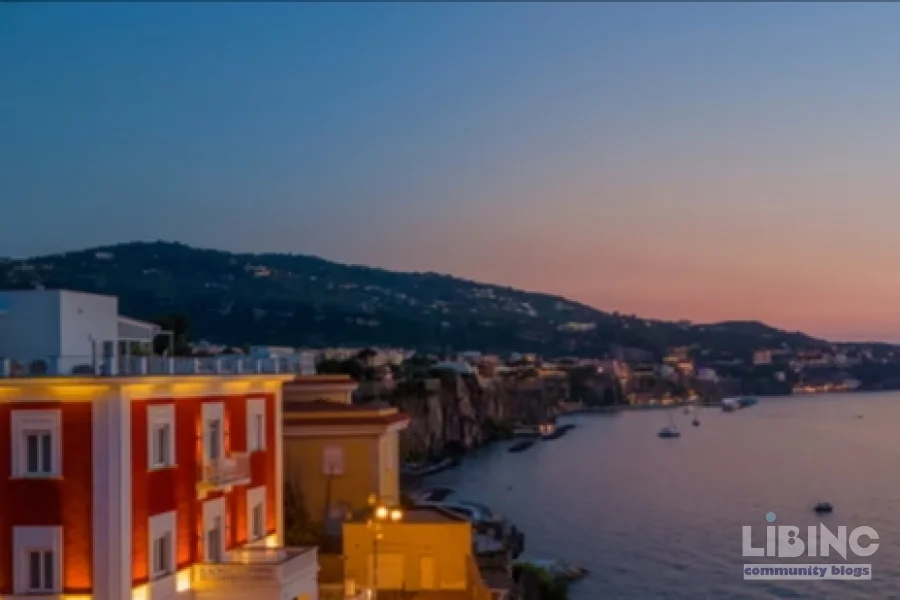
The Hotel Villa Garden, Sant Agnello sits on a cliff edge above the Sorrentine coastline, a setting that embodies the kind of authentic travel tip Guardian readers prize: a place that rewards attentive observation and a willingness to trade urban convenience for atmosphere. The view toward Vesuvius, the crisp, sunny decor, and a hospitable staff that can sweeten the wait for a taxi with a free glass of rosé—all of these features crystallize a theme that recurs in Guardian Travel readers' tips: characters and views trump luxury per se. This article analyzes those tips, tests their logic against a broader European micro-hotel ecosystem, and uses Villa Garden as a lens to understand what makes small hotels genuinely memorable. The core question is not merely what readers say they like, but why these elements translate into lasting satisfaction when travel budgets and expectations vary across Europe.
Guardian Travel readers' tips are a heuristic for quality in a crowded market. They emphasize distinctive ambience, a sense of place, approachable price bands, and the human warmth that elevates a stay from routine to memorable. In practice, this means readers gravitate toward hotels that combine design clarity with regional authenticity—coastal or historic settings, sunlit terraces, and spaces that invite lingering rather than rapid turnover. The Villa Garden case, along with the wide array of recommendations that follow, provides a structured way to assess value: what you pay for, what you gain in atmosphere, and how those factors interact with location, service, and the inevitable frictions of travel. This analysis proceeds in four steps: analytics, contrast, cause-and-effect, and reconstruction by expert reading of reader signals.
Through analytics
What counts as “value” in Guardian Travel readers' tips is a composite of price, location, design, and service micro-acts that accumulate into a credible travel memory. The Villa Garden, described as a small, friendly, family-run hotel with a cliff-edge dining terrace and a breathtaking view of Vesuvius, embodies several overlapping value signals readers consistently report: authentic scale (not oversized corporate spaces), local hospitality (family-run warmth), dramatic setting (coastline and volcano in one frame), and a simple ritual of welcome (a complimentary glass of rosé that signals attentiveness). These are not luxury signals alone; they are the social cues of a hospitality experience that feels personal without sacrificing polish. The article’s broader set of reader tips adds depth to this signal set by validating similar patterns across Europe: intimate scales, coastal or historic settings, and design that speaks to regional memory rather than generic modernity.
- The signal of scale: small, family-run hotels that prioritize personal service over volume.
- Coastal or historic settings as a backbone of memorable experiences, where the view and sense of place are as valuable as the bed.
- Design that reinforces location: sunlit terraces, sea-facing balconies, and interiors that feel local rather than imported.
- Hospitality rituals that create a sense of belonging (the welcome drink, the staff who anticipate needs).
From a methodological standpoint, Guardian readers’ tips operate as a form of crowdsourced due diligence. They aggregate subjective impressions into a practical guide that emphasizes consistency of experience, not just standout moments. The Villa Garden exemplifies how these signals cohere: a visually appealing, easy-to-navigate property with a clear sense of identity, anchored to a place that offers both proximity to local life (Sorrento’s town center) and a dramatic natural backdrop (the cliff, the view toward Vesuvius). The reader tips that accompany Villa Garden across the Guardian’s pages reinforce this pattern: when a hotel achieves harmony among setting, service, and design, travelers perceive a higher baseline of satisfaction—even at moderate price points. Why does this matter for travelers and hoteliers alike? Because it reveals that a well-communicated sensory package can offset some limitations in location or budget if the experiential narrative is persuasive enough and consistently delivered.
Through contrast
To understand the strength of Guardian Travel readers' tips, compare Villa Garden with other reader-recommended hotels across Europe. The portfolio includes places that share a commitment to atmosphere but differ starkly in price, setting, and architectural language. The aim is not to crown a single formula of success but to map how different design and location strategies translate into traveler satisfaction, and where readers’ tips mark boundaries between shrewd value and over-promising brio. The following contrasts help clarify what readers value most and where expectations ought to be tempered by practical constraints.
- L Hôtel La Jetée, Île de Ré (doubles from about 85 B&B). A courtyard garden, designer furniture, light-filled rooms with coastal themes, and breakfast either in the courtyard or salon. Harbourside location with nearby seafood and an ice-cream vendor lends a sense of place, while bike hire and a harbour-based catamaran trip offer experiential value. Why it matters: the combination of setting, affordability, and tangible local activities makes the hotel feel both special and accessible, a pattern Guardian readers repeatedly favor in coastal micro-hotels.
- Hotel Nanin, Sanxenxo (doubles from about 100 B&B). Beachfront location with a stroll into town that unlocks a broader promenade life. Readers value proximity to the shore as a daily ritual, not a one-off view, which translates into a durable holiday rhythm rather than a one-night wow moment. Why it matters: a beachward position paired with walkable town access is a reliable control variable for happiness in coastal trips.
- Grand Hotel, Rimini (annex) (doubles from about 120 B&B). An open-air pool, palm-filled gardens, and a wood-panelled library with photos of old movie stars. Breakfast fruit sourced from local markets and reserved sunloungers for guests reinforce a sense of curated leisure with a hint of faded glamour. Why it matters: mid-range luxury with a strong sense of narrative memory—vintage charm as an engine of long-term recall—can trump higher price tags when the story is coherent.
- Hotel Eduardo VII, Biarritz (doubles from about 104 B&B). A three-storey wooden building that evokes a private guesthouse with original features, cosy bedrooms, and a sea-facing terrace breakfast. Why it matters: authenticity of architecture, a small footprint, and a self-contained, intimate experience can be as compelling as modernity—especially when the seaside ritual is central to the stay.
- Hotel les Roches Rouges, Corsican coast (doubles from about 170 B&B). Built in 1912, with an art deco vibe and a terrace that captures sunsets over pink granite coastlines. The restaurant is a draw, so guests can minimize movement and stay within an aesthetic loop—an ideal case for readers who prize design-led immersion.
- Hotel Reverón Plaza, Tenerife (doubles from £181 B&B in September; ~£130 range earlier). An art deco oasis steps from the beach, with a rooftop pool and century-old stained-glass interest. Why it matters: a more budget-conscious reader can still access a refined, era-inspired environment with reliable sea access and relaxed luxury.
- Megisti hotel, Kastellorizo (doubles from about £250 B&B). A tiny, car-free island ambiance with vintage glamour and clear water, where turtles are a frequent sight. Why it matters: exclusivity and remote romance can be aspirational readers’ top choice when the setting justifies the cost.
- Stokkøya Strandhotell, Norway (cabins from around £160). Design-hotel sensibility on a white-sand-like Norwegian beach, with cabins integrated into dunes, a beach sauna, and a laid-back Strandbar. Why it matters: readers repay a premium for remote serenity and carefully curated natural interactions, even when winter-proofing and seasons affect demand.
- Hotel Hermitage, Ischia (typical rates around £50–£90). An art deco time capsule near the Aragonese castle, with thermal pools and a glamorous past refracted in a modern budget context. Why it matters: affordability within a storied setting makes high-contrast experiences accessible to a broader audience, reinforcing the core reader principle that ambience often compensates for price.
Across these contrasts, the underlying pattern remains: the value of a hotel in Guardian Travel reader tips hinges on a coherent fusion of setting, history, and service. Whether a courtyard garden in La Jetée or a sun-warmed terrace in Biarritz, the most persuasive properties are the ones that translate geography into sensory memory. The practical lesson for travelers is clear: when evaluating options, weigh not only the nightly rate but also how the locale, interior language, and daily rituals reinforce a distinctive travel narrative. The more a hotel aligns with a reader’s mental model of “lived experience,” the higher its perceived value, regardless of macro-market pricing fluctuations.
Through cause-and-effect relationships
Reader tips accomplish something more than cataloging attractive properties. They encode causal expectations about how a stay unfolds and what triggers satisfaction. The Villa Garden’s cliff-edge terrace, for example, anchors a causal chain: panoramic view contributes to emotional resonance; a friendly, family-run service reinforces trust; proximity to the center of Sorrento produces convenient access to excursions and dining, which in turn sustains the mood of the trip. When readers describe a similar pattern—open-air pools, sea-facing breakfasts, locally sourced fruit—these aren’t just adjectives; they are habitual outcomes that travel experiences tend to repeat across settings. The causal reasoning embedded in these tips helps travelers calibrate risk: you are more likely to enjoy a stay if the design language and daily rituals map onto a stable, repeatable arc of anticipation and reward.
Another causal thread concerns price signaling. The range of prices cited by Guardian readers—85 to 250 B&B equivalents, plus sterling rates—functions as a market ladder: readers expect a certain level of design and service to accompany higher price bands, but they also tolerate and even seek out value-driven configurations where the ambience substitutes for expensive facilities. This is evident in properties with strong architectural identity or historic character that do not chase mass-market amenities. In practice, travelers who pay a modest premium for a sea-view terrace or a curated art deco interior are leveraging a cause-and-effect relationship: invest in design and location, and you reduce the risk of a forgettable stay. The corollary is clear: a hotel’s ability to deliver a consistent daily rhythm—breakfast, lounging, and social warmth—becomes the primary lever for satisfaction, not the presence of a single wow moment.
Consider how the article’s cross-section of properties demonstrates an additional causal insight: when access is moderated by geography (island, cliffside, small town), the travel experience tends to sharpen. Islands like Île de Ré or Kastellorizo constrain movement, which heightens the value of in-place rituals (courtyard mornings, terrace sunsets, spa routines). Conversely, larger coastal towns offer more wandering opportunities but can dilute the intensity of the hotel’s identity if the property relies too heavily on location rather than design coherence. Guardian reader tips, as a dataset, reveal that a hotel’s success depends on an effective synthesis of environment, daily rhythm, and distinctive design language that remains legible even when external conditions (seasonality, crowd levels) shift. In short: the causal engine is design-led, location-anchored, and service-enriched hospitality that consistently delivers small rituals with big emotional returns.
Through expert reconstruction
Reconstructing an actionable framework from Guardian Travel readers' tips means translating reader signals into practical evaluation criteria. The following expert reconstruction provides a concise guide for travelers seeking to apply the tips across Europe, using Villa Garden as a reference point but widening the lens to include the other hotels readers celebrate. The goal is to build a reproducible decision framework that helps readers optimize for experience, value, and reliability.
- Identity and setting: prioritise hotels with a strong, place-specific design language (coastal, historic, or architectural) that stays legible across daylight and night. This reduces decision fatigue when comparing properties in different countries.
- View and access: favor properties where the view is inseparable from the stay (terraces, sea glimpses, or scenic landscapes); ensure there is a practical balance between the view and access to town or transport.
- Design in service: seek spaces where the interior and exterior design inform daily rituals (breakfast on a terrace, ambient lighting for evening lounging, curated lounges or libraries).
- Price signaling: calibrate expectations against price bands and desired experiences; understand that moderate-luxury experiences can exceed high-cost hotels on memory and satisfaction if the design narrative is coherent.
- Rituals and hospitality: pay attention to small acts—complimentary welcome drinks, local fruit at breakfast, near-constant staff attentiveness—that act as reliability signals and foster trust during travel.
- Location discipline: in coastal or island destinations, choose hotels that maximize in-place experiences (on-site pools, courtyard gatherings, spa access) to reduce dependency on external attractions for a successful trip.
- Experience layering: consider additional activities (bikes, catamaran trips, spa rituals) as optional but valuable add-ons that extend the hotel’s narrative and increase perceived value.
Villa Garden’s example shows how these criteria translate into a coherent, memorable package. The cliff-edge terrace acts as a focal point for daily rituals, while the small scale and family-run ethos deliver warmth and reliability. The broader set of Guardian reader tips demonstrates that when these elements align across a portfolio of hotels—whether on the Riviera, the Atlantic coast, or a Mediterranean island—the “boutique” label becomes a practical shorthand for quality: a verifiable set of experiences that consistently meet, or even exceed, travelers’ expectations. For practitioners in hospitality, the takeaway is explicit: invest in design clarity and place-based rituals, maintain authentic scale, and communicate those attributes with the kind of crisp, memorable narrative that readers respond to and remember long after the trip ends.
In essence, Guardian Travel readers' tips function as a heuristic for a stable, repeatable model of guest satisfaction. They reward hotels that invest in identity, place, and consistent service performance, even when budgets are tight or locations demand a degree of trade-off. The Villa Garden and its peers illustrate a simple but enduring truth: the most durable allure in European boutique hotels lies not in abundance of facilities but in the clarity of the story they tell and the sincerity with which they deliver it.
Travelers who internalize these ideas can build a personal toolkit for selecting hotels that will stand the test of memory. The next step is to translate the broad family of Guardian reader tips into a practical itinerary instrument—one that preserves the magic of a single destination while enabling a sensible, repeatable approach to choosing across Europe. The result is a modern hotel strategy rooted in authenticity, value, and the emotional resonance of place.
Ultimately, Guardian Travel readers' tips are less a tourist manual than a performance test: does the hotel defend its chosen geography with a thoughtfully designed environment, reliable service rituals, and a price-to-experience balance that makes the stay feel like a natural, welcomed extension of the traveler’s day? When the answer is yes, the memory of the place lingers far longer than most superficial impressions—the hallmark of a truly earned travel memory.
Notes: The figures cited for hotel prices reflect the ranges reported by readers in Guardian Travel and may vary by season and availability. Values are provided here as indicative guidance to illustrate the relative position of each property within Guardian reader tipping culture.
A practical, repeatable evaluation framework for European boutique hotels
To translate Guardian reader signals into a usable tool for travelers, this compact framework cuts through chatter and gives a repeatable scoring approach that centers on place, atmosphere, and daily rituals rather than sheer luxury. The aim is to help you compare options across Europe with clarity, while keeping the emphasis on authentic travel and small, design-led hotels that deliver memorable moments.
| Criteria | Villa Garden | Takeaway |
|---|---|---|
| Identity/Setting | 5 | Strong, place-specific language |
| View/Ambience | 5 | Terrace and coastline framing mood |
| Design Coherence | 4 | Local materials, clear character |
| Rituals/Service | 5 | Welcome drinks, staff attentiveness |
| Price Signaling | 4 | Value for memory, not just price |
| Location Discipline | 4 | Close to core experiences |
Practical takeaway: score at-a-glance on each property using a simple 1–5 scale, with 25–30 as a strong match for boutique hotels that fuse place, design, and ritual into reliable moments of memory.
Key guidance: prioritize identity over size, sea views over generic comfort, and daily rituals over one-off luxuries. For example, a coastal inn with a sunlit terrace and locally sourced breakfast will typically outperform a larger property with more facilities but a flatter design language. This framework supports quick comparisons across Europe, from the Riviera to the Aegean, by turning impressions into a repeatable scorecard, reinforcing the Guardian reader tips: atmosphere, sense of place, and human warmth drive lasting satisfaction in authentic travel.
- Coastal micro-hotel in Brittany: strong identity and terrace rituals can offset modest facilities.
- Isolated island guesthouse in the Mediterranean: high design coherence and in-place activities lift value.
- Identity/Setting – seek a property with a clear design language tied to its locale.
- View/Access – ensure the scenery integrates with daily rituals, not just a single moment.
- Rituals/Service – note recurring acts that create trust and belonging.
- Define your must-haves before booking (view, terrace, walk-in access to town).
- Compare two properties on the same criteria and note where a story lines up with your trip goals.
Frequently asked questions
What makes Guardian reader tips a practical guide for choosing European boutique hotels?
Readers distill real stays into repeatable signals, focusing on place, atmosphere, and daily rituals rather than sheer size or facility count. This approach translates into a practical framework you can apply when comparing options for a coastal getaway, an island escape, or a historic town break; it helps you gauge how a property will feel over the full duration of a stay rather than on a single highlight moment. This depth of judgment guides decisions toward consistency and memory creation rather than impulse buys.
Analytically, the tips cluster around identity, setting, and service, which aligns with a broader trend in travel that values authentic experiences and sustainable hospitality over generic luxury. For travelers, this means prioritizing a coherent design language, regionally rooted rituals, and accessible value when casting a wide European net.
How should I balance price versus atmosphere when selecting a coastal micro-hotel?
When choosing a coastal micro-hotel, focus on how the price translates into daily rituals and place-based design rather than a longer list of facilities. A good seaside inn offers a memorable terrace moment, a sense of local life, and staff who anticipate needs, which often yields higher satisfaction than a larger hotel with more amenities but weaker personality. In practice, compare two options by measuring the recurrence of small rituals (welcome drink, beachfront breakfast) and the strength of the setting narrative (landscape, light, water access).
What is the scoring framework and how can I apply it on a European itinerary?
The scoring framework uses six criteria: Identity/Setting, View/Ambience, Design Coherence, Rituals/Service, Price Signaling, and Location Discipline, each rated 1–5. Apply it by listing two or three candidate hotels per destination, assigning scores, and normalizing totals to compare options quickly. The process is repeatable across destinations, enabling you to maintain a consistent standard for boutique hotels, whether in the Algarve, Dalmatia, or the Baltic coast, while keeping focus on memorable experiences over bells and whistles.
Which design cues signal authenticity in historic properties?
Authenticity comes from a design language that echoes local history and materials—weathered wood, stone, or tile that remains legible in daylight and at night. Avoid spaces that feel mass-produced; instead, look for interiors that reflect regional memory, such as maritime motifs in a coastal town or archival photos that connect current guests to the place. A strong cue is how the interior and exterior design shape daily rituals—morning light on a terrace, a library corner for quiet reading, or an intimate dining room that foregrounds local produce.
How important is on-site experience versus proximity to town and attractions?
On-site experiences often trump proximity when the property provides a coherent micro-environment—terraces, pools, cafés, or small spas that anchor the day. Proximity matters, but only if the hotel’s own rhythm sustains the trip’s mood: a walkable town can be a bonus if the hotel itself offers dedicated rituals and a strong sense of place. The best outcomes come from balancing both: a property that ensures meaningful in-place moments and easy access to local life, so the itinerary remains flexible without losing its identity.
Can these tips be useful for affordable family-run hotels with limited facilities?
Absolutely. The core principle—identity, place, and reliable service—often yields stronger satisfaction than sheer facility count. In family-run settings, the warmth and familiarity can create durable memories, while design coherence and lucid storytelling help guests feel they are part of a living local experience. Even modest properties can deliver highly memorable stays when they align with the guest’s travel aims and maintain consistent daily rituals. This is especially true in places where seasonal demand fluctuates and guest expectations lean toward atmosphere over volume.





Add a comment
To comment, you need to register and authorize
Comments
Rituals and hospitality deserve emphasis: small acts like welcome drinks, thoughtfully placed fruit, or attentive service create reliability signals that can sustain mood even when other variables shift. Location discipline matters especially for coastal or island destinations where in place experiences become the primary content of the trip. Finally, experience layering converts optional activities into meaningful chapters of a journey rather than mere add ons. Applying this framework in practice means two things. First, travelers should build a personal checklist anchored in these categories before booking. Second, the industry should adopt a shared language that makes these signals easy to compare. A hotel evaluation scorecard can help. It would include items such as how strongly the property communicates place, whether the design language supports daily rituals, how robust the hospitality operations feel, how well price aligns with promised experience, and whether on site and nearby experiences reinforce the core narrative. The Villa Garden example demonstrates a coherent package, but the framework should also embrace diversity of geographies. A boutique hotel on the northern coast, a hillside inn, or a historic city house all deserve evaluation along the same axis, with sensitivity to how seasons and local life influence the experience.
Yet memory is not built by aesthetics alone. Sustainable practice, inclusivity, and community impact must become integral to the framework. Readers increasingly respond not only to how a place looks, but to how it treats workers, sources products, and respects local ecosystems. The best practice is to foreground design clarity and place based rituals while pairing them with transparent sustainability commitments and opportunities for guests to engage responsibly with the locale. In the end, Guardian reader tips provide a powerful instrument: when hotels respond with a coherent identity, reliable service rituals, and a price to experience balance that honors place, travelers carry away not just a memory of a room, but a memory of a place that lingers in the mind long after the trip ends. A modern hotel strategy grounded in authenticity, value, and emotional resonance of place becomes less a marketing category and more a disciplined approach to hospitality.
Yet caution is warranted. Real life can disrupt the neat cause and effect chain. Weather can close a terrace; staff can be momentarily distracted; the proximity to town can fail to provide meaningful access if crowds overwhelm the surrounding life. Islands and cliffside settings magnify the importance of on site rituals because movement outside the property may be limited. Producers of Guardian tips have to be aware that a good memory is not guaranteed by a single factor; it emerges from the interplay of environment, daily rhythm, and a sense of belonging. The article’s logic suggests travelers calibrate risk by favoring design language and rituals that have proven to travel well across places, but they should also stay open to the possibility that different geographies demand new patterns. In other words, the causal engine favors a design led, location anchored, service enriched experience, but it must account for the variability of human mood and weather as well as the variety of traveler needs.
But other contrasts highlight boundaries. Some properties lean into modern design and offer affordability and accessibility that feel inclusive, yet may struggle to spark long warmth if the setting and architecture are too generic. Conversely, a property with high price and strong architecture may rely on limited access to local life, risking a sense of exclusion. The pattern is not about choosing the most expensive or the most charming but about how well the story aligns with a traveler’s hoped rhythm. The framework invites readers to ask whether the hotel acts as a doorway into a place, or a cocoon that isolates the guest from daily life. Experience layering — bikes, catamaran trips, spa rituals — offers depth, but the most durable impressions come when these add ons feel integrated into the core identity of the property rather than appended as afterthoughts. In essence, the strongest candidates are those that let the locale breathe through design and rituals, while remaining accessible enough to invite repeat visits rather than one off admiration.
Villa Garden in Sant Agnello becomes the archetype. Its cliff edge terrace frames the Sorrentine panorama toward Vesuvius, the sunlit rooms and a family hospitality that greets you with warmth rather than formality, and a free glass of rosé that marks attentiveness rather than novelty. These elements matter because they translate place into memory. Guardian readers reward intimate scales, localized warmth, and design that speaks in a local language instead of generic modernity. The article’s four step framework — analytics, contrast, cause and effect, reconstruction — provides a method to translate mood into criteria that can be tested against a portfolio of properties.
For a traveler, the practical takeaway is to define your priorities before you search: what balance of view, walkability, and calm suits your pace? Then evaluate hotels along the four lenses. Does the setting feel authentic rather than staged? Is the view an integral part of the experience or merely a photo backdrop? Are there small rituals that signal staff attention and reliability? Finally, does the price point reflect a coherent package of location, design, and service? The danger is that a hotel can look alluring yet offer inconsistent experience, or vice versa, a place can feel humble but deliver surprising reliability. The Guardian tips thus function as a practical narrative framework, reminding travelers that lasting memory comes from coherent storytelling as much as from the biggest room or newest amenity.