

Table of Contents
- Analytical lens: culturally inclusive dementia care through South Asian food practices
- Contrast: traditional practice versus standard dementia care models
- Causes and effects: how cooking interfaces with memory and wellbeing
- Expert reconstruction: implementing culturally inclusive dementia care through food
- Conclusion: integrating food into dementia care in practice
As dementia rates rise globally, families and care partners seek ways to sustain meaningful connections with loved ones experiencing memory loss. In many cultures, food anchors identity, family life, and social belonging. For South Asian communities, cooking traditional recipes can evoke memories, reinforce social ties, and provide comfort to people living with dementia. The kitchen becomes a multisensory gallery—aroma, texture, and rhythm of technique—that can reduce agitation and create moments of shared meaning. This article argues that culturally inclusive dementia care emerges most powerfully when food-based activities are deliberately integrated into daily routines, care plans, and intergenerational exchanges. The analysis that follows moves through four lenses—analytics, contrast, cause-and-effect, and expert reconstruction—to outline practical ways to harness traditional cuisines for wellbeing while preserving memory and identity.
Analytical lens: culturally inclusive dementia care through South Asian food practices
In analytic terms, food is not merely nourishment; it serves as a proxy for cultural memory and social participation. For dementia care, this means that traditional dishes, preparation rituals, and sensory cues can shape engagement patterns, reduce stress, and sustain autonomy. The South Asian kitchen—with its mortar and pestle, sizzling mustard seeds, and the ritual of grinding spices—offers a curated set of stimuli that can unlock preserved routines even when other memories fade. These stimuli operate as memory cues that evoke personal narratives of childhood kitchens, festivals, and family gatherings, providing a stable anchor amid confusion. Across diasporic and aging populations, such cues are particularly potent because they link learned practices to preserved identities, supporting a sense of continuity in the face of decline. Memory cues and sensory engagement are central to this framework, guiding how care teams structure tasks around familiar textures and aromas rather than abstract instructions.
From a health-system perspective, measuring engagement with food-based activities requires attention to cognitive load, motor demands, and nutritional adequacy. These indicators—sensory engagement, preserved routines, and social participation—offer a practical lens for evaluating success. For example, repeating a familiar motion like rolling dough or washing and drying grains can recruit procedural memory, while fragrant basmati and tempered spices provide a sensory scaffold that reduces agitation and promotes calm mealtime rituals. Such analytics support care teams in tailoring tasks to ability, ensuring that the process remains meaningful rather than overwhelming. The data-driven approach reinforces that care strategies should be built around capability, not just care needs alone.
- Engagement duration during cooking tasks
- Occurrence of reminiscence narratives linked to recipes
- Frequency of social interactions during shared meals
- Stability of routine mealtime cues
Analytics thus reveal a cause–effect pattern: when tasks align with preserved procedural memory and social rituals, agitation decreases, participation increases, and a sense of agency is maintained. Such findings justify structured, culturally informed meal activities as part of a broader dementia-care plan. They also point to the necessity of training care partners to recognize momentary shifts in ability and adjust tasks without compromising dignity or identity. The key analytic takeaway is that success hinges on designing experiences that are recognizably South Asian in texture and sequence while remaining accessible to memory-challenged individuals.
Contrast: traditional practice vs conventional dementia care models
Traditional South Asian food practices are inherently communal, ritualized, and tactile. They revolve around family participation, multi-sensory stimuli, and flexible pacing, which together soften cognitive load and reinforce identity through shared heritage. In contrast, conventional dementia-care models often emphasize safety, simplification, and standardization that may strip away cultural textures. This contrast is not merely about cooking; it is about governance of daily life. When care systems place a premium on cultural symbolism and ritual continuity, they create a social contract that honors personhood even as memory fades. The contrast becomes most evident during mealtimes: a South Asian kitchen invites collaboration, conversation, and spontaneous reminiscence, whereas a standard clinical setting may inadvertently promote isolation or anxiety if familiar cues are stripped away. The key difference is not taste but tempo, partnership, and meaning.
Evidence from diverse care settings shows that when meals become inter-generational acts—grandparents teaching grandchildren to knead dough, or elders guiding spice blends—the relational climate improves. This relationality is more than sentiment; it is a mechanism for sustaining identity across generations and for reducing stigma associated with memory loss. While traditional dishes carry nutritional richness, their value in dementia care also rests on social capital: the way shared cooking anchors the elder in a web of family and community rather than isolating them in a medicalized routine. The bottom line is that culturally anchored meals create a scaffold for memory, belonging, and resilience that standard models rarely recover on their own.
Causes and effects: how cooking interfaces with memory and wellbeing
The driving mechanisms behind food-based dementia care are multi-layered and mutually reinforcing. First, sensory stimulation through familiar aromas, textures, and sounds can trigger reminiscence and reframe the moment as a lived story rather than a lapse. This reminiscence is not purely nostalgic; it anchors identity by connecting current participation with remembered selfhood—an essential stabilizer when cognitive clarity wanes. Second, shared meals build social capital and reduce isolation. Eating together creates opportunities for verbal and nonverbal communication, eye contact, and emotional warmth, all of which buffer against loneliness and can improve mood and participation in other activities. Third, the structure of cooking tasks supports fine motor skills, sequencing, and executive function, even when recall is impaired. Simple steps—kneading dough, washing vegetables, or measuring spices—provide purposeful engagement that reinforces autonomy and competence. Finally, culturally specific food practices offer a sense of continuity with family history, which can stabilize routines and reduce risk of behavioral disturbances associated with memory impairment.
- Mechanism 1: sensory cues trigger reminiscence and reinforce identity (memory recency is preserved through familiar smells and textures).
- Mechanism 2: social dining reduces isolation and fosters meaningful interaction, improving mood and engagement.
- Mechanism 3: task structure supports motor skills and executive function, maintaining a sense of purpose.
- Mechanism 4: cultural meaning anchors the individual in a personal narrative, enhancing dignity and belonging.
These mechanisms interact: better mood enhances engagement, which in turn increases opportunities for reminiscence and social connection. The result is not just momentary pleasure but a roll-back of the stress response associated with memory loss, enabling more sustained participation in daily life. The causal chain emphasizes that food-based care is not a peripheral activity but a core component of holistic dementia care that respects cultural identity while supporting neurocognitive function and emotional wellbeing.
Expert reconstruction: implementing culturally inclusive dementia care through food
Experts in geriatric care, family medicine, and community health advocate for a practical framework that translates the analytic and contrast insights into real-world practice. The following components offer a blueprint for care teams, families, and community organizations seeking to operationalize culturally inclusive dementia care through food.
- Co-create menus with families: Start with familiar dishes and adapt recipes to accommodate dietary needs, preferences, and clinical constraints (salt reduction, fat balance, portion control). Involve the person with dementia and family members in the planning to preserve autonomy and cultural meaning.
- Adapt tasks to ability: Favor finger foods and simplified steps that require minimal utensils. Use large, stable utensils and implement step-wise activities that rely on procedural memory rather than explicit instructions.
- Preserve ritual and tempo: Maintain familiar mealtime rituals and sequence, even when verbal communication is limited. A consistent routine reinforces security and reduces agitation.
- Foster inter-generational engagement: Create opportunities for grandchildren and younger family members to participate, sharing recipes and stories. This not only reinforces memory but also builds empathy and social understanding across ages.
- Provide cultural humility and training: Equip care staff with cultural knowledge about South Asian food practices, religious dietary considerations, and regional variations. Training should emphasize listening, observation, and flexibility rather than prescriptive protocols.
- Engage community networks: Partner with cultural centers, memory cafés, and local associations to host cooking sessions, recipe exchanges, and shared meals that validate identity and reduce isolation.
Implementing these steps creates a sustainable model where food-based activities become a regular, valued part of dementia care. The approach respects the person’s identity and life history while providing practical, scalable strategies for caregivers. It also invites healthcare providers to view nutrition and culture as intertwined dimensions of wellness, rather than separate domains to be managed in parallel. In short, culturally inclusive dementia care through food requires deliberate co-creation, adaptive design, and community collaboration to translate heritage into ongoing care advantages.
Put simply, food is more than a needle in a needlework of daily living; it is a conduit for memory, belonging, and healing. When South Asian culinary heritage informs care planning, families gain a powerful ally in navigating dementia’s uncertainties, and care partners acquire a structured, compassionate approach that honors both science and story. With culturally sensitive support and resources, food can become a steady ally in the journey of dementia care—one bite, one memory, and one story at a time.
Conclusion emerges not as a claim about a single intervention but as a synthesis: culturally inclusive dementia care through food reshapes experience, redefines participation, and strengthens relationships at the heart of families and communities. The path forward lies in translating these insights into practical programs, training, and partnerships that keep tradition alive while safeguarding health and dignity.
Keywords and practical takeaways
- Must-do: embed food-based activities into daily routines with sensitivity to nutrition and safety.
- Must-avoid: assuming one-size-fits-all recipes; always tailor to individual histories and abilities.
- Practical tip: begin with a simple, familiar dish and gradually reintroduce elements to adapt to changing abilities.
Practical implementation framework to operationalize culturally inclusive dementia care
Critical gap identified: a practical, scalable blueprint translating heritage food practices into measurable care outcomes is missing from many programs. To move from concept to consistent practice, care teams can adopt a four-part framework that respects identity, safety, and nutrition while remaining adaptable to changing abilities.
| Step | Activity | Outcome | Timeframe | Key Risks |
|---|---|---|---|---|
| 1. Co-create menus | Collaborative planning with family; adapt recipes for nutrition and safety | Aligned preferences, balanced nutrition, preserved dignity | 2 weeks | Overloading memory with too many changes |
| 2. Adapt tasks to ability | Use simple steps, large utensils, and procedural cues | Maintained autonomy and engagement | Ongoing | Over-simplification reduces meaningful challenge |
| 3. Preserve ritual and tempo | Keep familiar mealtime sequences with minimal verbal cues | Security, reduced agitation | Ongoing | Scheduling conflicts; variability in staff availability |
| 4. Foster inter-generational engagement | Grandchildren participate; share recipes and stories | Memory sharing, social bonding | Quarterly | Logistical barriers; consent and cultural sensitivity |
Beyond these steps, teams should monitor essential indicators to ensure impact and safety. The table below offers a concise set of metrics that are practical to track without adding burden.
- Engagement duration during cooking tasks
- Occurrence of reminiscence narratives linked to recipes
- Frequency of social interactions during shared meals
- Stability of routine mealtime cues
These indicators help care teams tailor activities to preserved procedural memory and social rituals, supporting dignity and autonomy while enabling data-informed adjustments. The approach also emphasizes training to recognize momentary shifts in ability and to reframe tasks rather than remove them, ensuring cultural relevance remains intact regardless of care setting.
To connect practice with memory cues, practical cues can be embedded into everyday routines. For example, kneading dough to a familiar rhythm or washing vegetables in a steady sequence can anchor participation even when recall is fading. This alignment with memory supports not just momentary calm but longer-term participation in daily life, reinforcing identity through ongoing connection to heritage food practices.
| Cultural cues | Example in practice | |
|---|---|---|
| Aroma memory | Tempered mustard seeds sizzle while onions soften; invites reminiscence of family kitchens | |
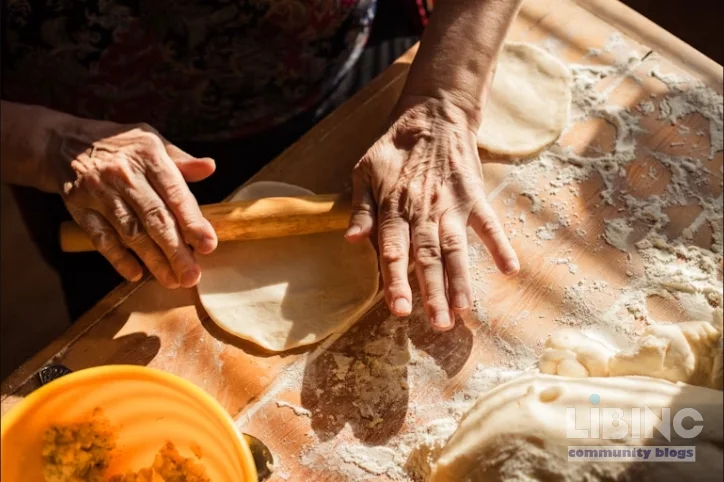
| Texture cue | Rolling dough to a familiar thickness reinforces procedural memory | |
| Ritual sequence | Washing, soaking, and drying grains in a repeated order | |
| Color and presentation | Bright spice blends arranged in shared bowls to encourage conversation |
Finally, a concise safety and engagement checklist helps teams maintain quality. The checklist covers allergy awareness, hydration, utensil safety, and dietary restrictions, ensuring every session remains respectful and safe while honoring heritage.
Implementation checklist
- Confirm dietary needs and allergies with families
- Choose a simple, familiar dish to start
- Assign a buddy to assist without taking autonomy
- Schedule regular inter-generational sessions
- Document outcomes and adjust as abilities change
With this practical blueprint, heritage-informed cooking becomes a steady, scalable component of dementia care, preserving dignity and reinforcing belonging while supporting wellbeing.
What is culturally inclusive dementia care through food and why does it matter?
Food-based activities tied to cultural memory help people living with dementia engage, reminisce, and feel connected to family and identity. This matters because meals become moments of autonomy, emotion, and belonging, not just nutrition. In practice, culinary routines can reduce agitation and foster social interaction during care. By centering memory cues and culture, care teams create meaningful participation that persists even as memory declines.
Analytically, this approach links sensory cues and social rituals to better engagement and mood, while aligning with nutrition and safety goals.
What steps can care teams take to implement this framework?
Start with co-creating menus with families, adapting tasks to abilities, preserving ritual tempo, and fostering inter-generational engagement. Use simple steps, familiar dishes, and clear memory cues to maintain autonomy. Monitor practical outcomes such as engagement duration and reminiscence occurrences to guide ongoing adjustments.
Implementation should be collaborative, culturally humble, and supported by community partnerships.
How should recipes be adapted for safety and nutrition?
Adapt recipes to reduce salt, sugar, or fat as clinically appropriate. Use simple ingredients, avoid unfamiliar allergens, and adjust textures for safe handling. Involve the person with dementia in planning to preserve dignity and identity while meeting dietary needs.
Keep procedural steps clear and limit utensils to avoid cognitive overload.
How can families participate and sustain intergenerational engagement?
Invite family members to co-lead sessions, share family recipes, and tell stories related to dishes. Schedule regular intergenerational activities that align with family calendars and respect cultural practices, religious considerations, and time constraints.
These engagements reinforce memory, social bonds, and mutual understanding across generations.
What metrics indicate success and how should they be monitored?
Track engagement duration, reminiscence narratives, social interactions, and routine cue stability. Use simple checklists and periodic reviews with families and staff to adjust plans. Qualitative notes about mood and dignity add depth to quantitative indicators, guiding continuous improvement.
FAQPage





Add a comment
To comment, you need to register and authorize
Comments
There is also the practical matter of resource and training realities. Personalizing activities from scratch is resource intensive, and care settings with high turnover must balance customization with safety, nutrition, and regulatory requirements. Co creating menus with families is essential but it should be supported by clear processes that identify who is responsible for each ingredient, how allergies and religious restrictions are managed, and how to adapt portions for changing appetite and swallowing safety. A discussion that follows could explore what a scalable but flexible framework looks like, one that respects tradition while acknowledging daily variability in ability. It would help to define who in the care team holds responsibility for cultural alignment, who collects feedback from families, and how success is tracked beyond flags of engagement to include mood, dignity, and social connectedness.
From a research perspective, it would be valuable to broaden the set of outcomes beyond the four analytic indicators proposed. While sensory engagement and reminiscence are important, capturing changes in loneliness, perceived meaning, and autonomy would deepen the evidence base. In addition, safety and nutrition should be integrated as continuous safeguards rather than afterthought metrics. The article hints at measuring cognitive load and motor demand, yet practical instruments for frontline settings are still needed. Finally, ethical considerations deserve explicit attention: how to obtain ongoing consent, how to avoid coercive dynamics in family led activities, and how to handle situations when a memory cue triggers a painful or conflicting narrative. These are not barriers to adoption but essential guardrails that ensure the approach remains person centered and respects dignity.
In dialogue with practitioners, families, and researchers, we can begin to sketch tools and curricula that translate the principle into daily practice. Visual menus, step by step task cards with large icons, and flexible pacing guidelines could help staff implement culturally tuned activities without sacrificing safety. Training would emphasize listening as much as technique, and would include space for families to share regional variations and evolving practices. The end goal is a care culture that treats heritage as a living resource rather than an archive of recipes. If we can build that culture, then culturally inclusive dementia care through food can become a standard component of holistic wellness that honors memory while supporting health.