

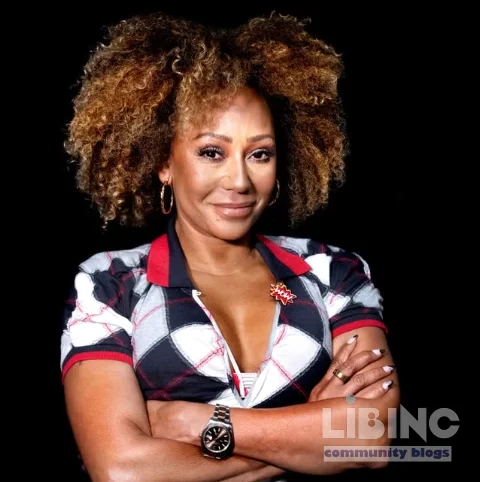
Mel B and Melanie Brown: An analytical biography of the Spice Girl's rise, reinventions, and resilience
Melanie Brown, known worldwide as Mel B or Scary Spice, embodies a transformative arc in popular culture: from a teenage audition in Leeds to a global stage as a member of the Spice Girls, and then into a multi-faceted career spanning music, theatre, screen, and authorial work. Her path illuminates how modern pop icons navigate fame, branding, and personal complexity across decades. The arc is not a simple ascent; it is a case study in how cultural cycles reward adaptability while exposing private life to relentless scrutiny.
The Spice Girls era redefined female pop, turning individual identities into a shared empire and creating new templates for branding and audience engagement. Mel B leveraged that momentum into a robust solo career, releasing Hot and later LA State of Mind, while weaving in television, Broadway, and film appearances. The journey was punctuated by triumphs and setbacks—international chart toppers; high-profile relationships; and public reckonings that included admissions of trauma and recovery. Taken together, these moments reveal a pattern: cultural capital compounds when artists translate fame into diversified platforms, then reframe themselves in response to changing tastes and personal growth.

Table of Contents
Analytics
Mel B’s career demonstrates a deliberate strategy of brand diversification that aligns with shifts in how audiences consume music and entertainment. The Spice Girls built a global ecosystem around five distinct personas, enabling cross-pollination across records, merchandise, and live performances. Mel B's particular appeal lay in a balance of flamboyant stage energy and perceived authenticity that allowed for risky collaborations without eroding fan trust.
From Wannabe to the solo album Hot, Mel B transformed that brand equity into independent relevance. The debut solo single with Missy Elliott, I Want You, went straight to No. 1 in the U.K., signaling that a post-Spice career could coexist with, and even benefit from, bold cross-genre partnerships. The Hot era delivered multiple Top 5 singles and reinforced a key analytic point: durable cultural capital in pop hinges on sustaining identity while expanding sonic and media territory. This is the essential mechanism behind Mel B’s enduring presence, and a model later emulated by many cross-media artists.
The blend of music, theatre, and screen work broadened Mel B’s reach beyond traditional album cycles. Beyond the music, she appeared on stage in Rent and The Vagina Monologues, later headlining in Chicago on Broadway, while taking on hosting and acting roles across television and film. This diversification was not merely opportunistic; it reflected a strategic positioning to cultivate audience trust across formats. The cross-media expansion amplified her brand resilience, especially when the music business faced shifting economics and streaming’s ascent, allowing continued visibility through performances, film, and television projects.
Critically, the Spice Girls reunion narratives—2007/2008 tours, the Viva Forever! musical project, and a 2012 Olympic closing ceremony performance—signal how legacy acts monetize nostalgia while sustaining relevance through live experiences and new creative projects. This cross-media expansion has become a blueprint for 21st-century pop, and Mel B's ongoing presence tests whether a star can remain central when the spotlight shifts to other platforms beyond music. The analytics of her career illustrate the power of a diversified portfolio and the leverage of a strong personal brand in sustaining credibility across eras.
Key analytical takeaways
- Brand diversification: turning a group brand into a multi-platform career reduces reliance on a single revenue stream.
- Cross-genre partnerships: collaborations with Missy Elliott and others extend reach into new audiences.
- Live experiences as brand anchor: tours and musical productions anchor long-term recognition beyond studio albums.
- Legacy leverage: reunion projects convert nostalgia into renewed commercial and cultural capital.
Contrasts
Public life versus private reality forms a constant tension in Mel B's narrative. The immediate public persona—bold, flamboyant, and unapologetic—stood in contrast to documented episodes of personal struggle, including difficult marriage and the later admission of post-traumatic stress disorder. This tension shaped media framing and fan interpretation, influencing how audiences rewarded resilience and navigated perceived vulnerability.
When measured against critical reception and commercial performance, the contrasts sharpen. The solo projects sometimes outpaced critical consensus yet connected with listeners who valued candor and energy. Later ventures, including television judging and Broadway performances, underscored a shift from chasing chart-topping singles to cultivating a multi-platform presence that leverages credibility built during the Spice Girls era. These shifts often coincided with publicized personal trials, creating a narrative loop between fame and recovery.
LSI terms in this block include PTSD, rehab, media scrutiny, and public reckoning. The resurfaced X Factor interview moment from 2018 highlighted how power dynamics and microaggressions in entertainment can impact a star's sense of safety in front of the camera, a reality Mel B publicly acknowledged when she discussed treatment and healing processes. The contrast reveals the complexity of maintaining agency while under constant visibility. These dynamics illuminate how audience empathy hinges on credible storytelling and transparent handling of trauma within the public sphere.
Further, the contrasts extend into audience expectations versus industry incentives. While the public loves triumphant comeback narratives, the industry often tests sustainability through contractual flexibility and risk management in portfolios that mix music with theatre and TV. Mel B's career demonstrates that balancing authenticity with market demands remains a central challenge for pop icons who seek lasting influence rather than fleeting fame.
Cause and Effect
In a causal sense, the Spice Girls' formation and rapid ascent created a template for how a girl group could generate global attention by combining distinct personas with a unified brand. The commercial architecture—Virgin Records signing in 1995, the debut single Wannabe in 1996, and an international tour rollout—gave Mel B a platform that extended beyond a single album cycle and enabled cross-market expansion. The cause-and-effect chain demonstrates how branding choices within a pop act catalyze long-term career leverage across diverse formats.
When the group dissolved in the late 1990s, the effect depended on how Mel B reinterpreted the brand. Her collaboration with Missy Elliott on I Want You fused contemporary hip-hop energy with pop charisma, delivering a No. 1 UK debut that proved cross-audience appeal was sustainable. The Hot era sought to translate momentum into longer-term relevance, though its reception outside certain markets highlighted the fragility of album-oriented strategies in an era shifting toward streaming and alternative formats. This tension between form and function reflects a broader industry pattern: artists who pivot to multi-genre, multi-platform strategies tend to preserve influence longer than those who cling to a single medium.
On the personal front, Mel B's marriages and legal settlements fed the public narrative around resilience and risk. The 2017 divorce from Stephen Belafonte coincided with broader conversations about domestic abuse, mental health, and exploitation in the entertainment industry. These personal episodes complicated her professional story, yet they also expanded her authority to speak on women’s rights and cautionary experiences, affecting later choices around touring, television roles, and public appearances. The causal link here is clear: personal life events reshape professional opportunities by altering what audiences expect from a star as a social actor and brand advocate.
In a more systemic sense, each major shift—stage to screen, studio to Broadway, solo work to TV judging—acted as a pivot point that altered her negotiation power with audiences, producers, and sponsors. The resulting effect is a career that has endured beyond a single hit record, embodying a model for how pop culture talent sustains influence by blending artistry with strategic exposure across platforms. The causal architecture of Mel B’s career thus reveals how personal narrative and professional choices co-create a durable public asset.
Expert Reconstruction
Industry observers often frame Mel B within the larger arc of pop branding and gendered performance. Her career demonstrates how a star can convert a rapid-fire media lifecycle into durable equity by diversifying into theatre, film, and television while maintaining a distinctive stage persona. The Spice Girls built an infrastructure for female collaboration that Mel B has leveraged to advocate for authenticity, risk-taking, and resilience in the face of industry volatility. This reconstruction of her career highlights how attention to personal narrative can become a strategic asset when paired with multi-format deployment.
Analysts credit her for recognizing the value of cross-media storytelling. The Missy Elliott collaboration, the Rent and Chicago stints, and the ownership of a fashion line signal a forward-thinking strategy: to treat a pop career as a portfolio rather than a singular product. The real test lies in sustaining attention during quieter periods, which Mel B has managed through high-profile judging roles and memoir work that deepen public empathy while expanding the audience base beyond traditional fans. This expert reconstruction emphasizes a lifecycle approach that treats fame as a perpetually evolving resource rather than a fixed endpoint.
In terms of legacy, Mel B’s trajectory underscores how female pop icons can navigate personal trauma without relinquishing agency. The publicized PTSD diagnosis and rehab attempts are not footnotes but central elements in contemporary discourse about wellness in entertainment. For researchers and practitioners, her career offers a case study in brand resilience, ethical media engagement, and the potential for cultural influence to extend into advocacy and mentorship for younger artists. The reconstruction argues that resilience, when coupled with strategic diversification, yields a lasting, multifaceted influence in pop culture ecosystems.
Looking forward, the expert view suggests several plausible paths: renewed catalogue showcases, continued television projects, and strategic alliances that blend music with live theatre and brand collaborations. The Mel B blueprint—bold personality, diversified platforms, and a commitment to authentic storytelling—remains a compelling template for artists facing the pressures of long-term visibility in an era of perpetual content cycles. This synthesis indicates a trajectory where creativity and business sense reinforce each other across generations of fans and observers.
Final Reflections
Melanie Brown’s career offers more than a chronology of hits and headlines. It presents a nuanced portrait of how a pop icon evolves by transforming opportunities, negotiating personal risk, and expanding influence across media ecosystems. The arc from Scary Spice to a patient, multi-platform veteran demonstrates that lasting impact arises when artistry meets strategic reinvention.
Her story serves as a lens into broader dynamics of modern fame: branding that respects individuality, collaborations that extend reach, and a willingness to confront difficult truths in public. The Spice Girls’ legacy is not merely nostalgia; it is a working blueprint for how women in entertainment can balance ambition with accountability, and how resilience can become an enduring asset in an industry defined by change.
Enhanced Pathways for Longevity in Pop Icons
Mel B's trajectory reveals that longevity in pop culture hinges on structured storytelling, cross-platform presence, and authentic resilience. While the original piece excels at narrative clarity, readers benefit from a compact framework that translates lessons into actionable steps for any artist seeking lasting influence across eras.
| Platform | Milestone | Focus | Key Benefit | Takeaway |
|---|---|---|---|---|
| Spice Girls — Music | Wannabe & global hits | Identity + branding | Global reach | Build a multi-faceted brand early |
| Solo Music | Hot era | Cross-genre collaboration | Broader audience | Pair with artists from different scenes |
| Theatre/Live | Rent, The Vagina Monologues | Stage credibility | Longer-term visibility | Leverage live craft for legacy |
| Broadway | Chicago star | Pro-level performance | Cross-community appeal | Grow fan bases beyond music |
| TV & Hosting | Judging & hosting | Media voice | Consistent visibility | Use TV to amplify music & theatre |
| Publishing | Memoirs | Narrative depth | Authenticity | Strengthen long-term trust |
Beyond the data, the core idea is to treat a career as a planning map across formats. This cross-media approach anchors credibility while enabling flexible responses to changing tastes, seasons, and audiences. Cross-media strategy and brand diversification keep the performer relevant, well into later decades.
- Music fuels identity and top-of-mind recall.
- Theatre extends credibility and live skills.
- Television broadens reach and public voice.
- Publishing cements legacy and personal narrative.
| Stage | Focus | Actions | Expected Outcome |
|---|---|---|---|
| Launch | Persona clarity | Define five distinct personas | Solid foundation |
| Diversification | Cross-media | Enter theatre, TV, publishing | Broadened resilience |
| Cross-Media Peak | Collaborations | Strategic partnerships | Expanded audiences |
| Legacy | Mentorship | Authoring, speaking | Lasting influence |
In practice, artists can apply this four-pacted blueprint to sustain relevance as tastes shift and platforms evolve. It is the disciplined mix of identity, craft, and storytelling that sustains a multi-generational audience.
What anchors Mel B's enduring visibility across music, theatre, and media?
Mel B's lasting visibility is anchored in a deliberate blend of a distinctive brand, consistent cross‑platform activity, and a willingness to share authentic personal narratives. This combination keeps her relevant whether performing on stage, appearing on television, or publishing memoirs. It creates a durable public narrative that can adapt to changing tastes while preserving trust among fans.
How did cross-genre collaborations shape her solo career?
Cross-genre collaborations expanded her reach beyond the pop/post‑Spice walls, inviting audiences from hip‑hop, R&B, and urban pop into her orbit. The headline collaboration with Missy Elliott on I Want You illustrates how blending styles can yield immediate chart momentum and broader radio and streaming exposure, reinforcing the value of genre-fluidity in longevity.
What role does personal storytelling play in her public narrative?
Personal storytelling deepens audience connection and trust. By sharing experiences of struggle and resilience, she turns private moments into public empathy, enabling fans to see the person behind the persona. This transparency supports long-term engagement across music, theatre, and media projects, turning adversity into advocacy and credibility.
How has live theatre contributed to her longevity?
Live theatre provides uninterrupted visibility and fresh audience discovery. Roles in Rent, The Vagina Monologues, and a Broadway lead in Chicago showcase versatility, refine performance craft, and broaden demographic reach. The immediacy of live storytelling sustains cultural relevance when recorded music cycles slow down, offering durable anchor points for a multi‑decade career.
What lessons can aspiring artists draw from her career?
Aspiring artists should prioritize a diversified platform strategy, maintain a strong personal narrative, and pursue collaborations that cross genres. The ability to translate fame into a multi‑format portfolio reduces risk from single‑channel shifts and fosters longer-term impact across generations.
Why is a multi-platform approach important for long-term influence in pop culture?
A multi-platform approach creates redundancy in visibility: if one channel wanes, others sustain the brand. It also enables audience expansion and deeper engagement through storytelling, live performance, and publishing. This approach fosters resilience and ensures continued influence as tastes evolve over time.





Add a comment
To comment, you need to register and authorize
Comments