

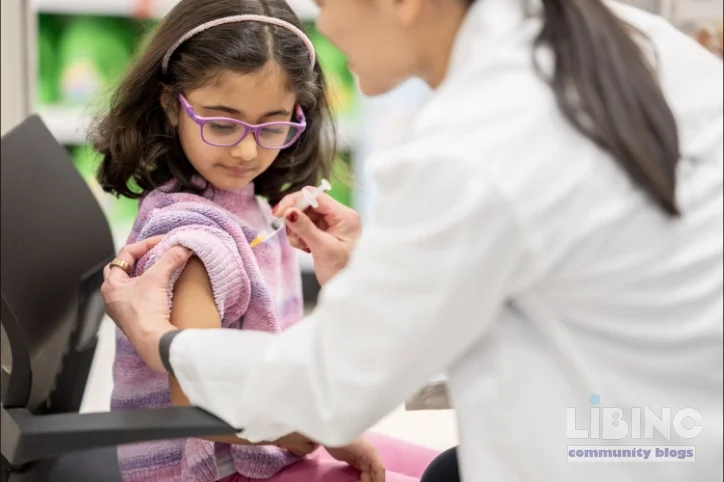
Pediatric Flu Vaccine Effectiveness: Real-World Evidence on Reducing Death Risk in Children
Table of contents
- Analytical View of Pediatric Flu Vaccine Effectiveness
- Contrast: Vaccinated vs Unvaccinated Outcomes in Pediatric Flu vaccine effectiveness
- Cause-and-Effect Relationships in Pediatric Flu Vaccine Effectiveness
- Expert Reconstruction: Translating Pediatric Flu Vaccine Effectiveness into Practice
Influenza remains a serious threat to children, especially those under five. Yet vaccination rates in this group have trended downward in recent seasons. A large real-world study from the American Academy of Pediatrics now foregrounds pediatric flu vaccine effectiveness as a life-saving factor, reframing the public health conversation around readiness, timing, and access. This analysis develops the main idea: influenza vaccination radically lowers the risk of death in children, even when other health factors are present. We proceed with a rigorous examination of how effectiveness is measured, what the data imply for families and clinicians, and how to turn insights into action.
Analytical View: Assessing Pediatric Flu Vaccine Effectiveness
The study tracks eight flu seasons, spanning August 2016 through July 2025, and analyzes 1,086 influenza-related deaths in children aged 6 months to 17 years. This scale provides a real-world complement to clinical trials by revealing how influenza vaccination functions across diverse medical profiles and care environments. Influenza vaccination emerges as a major modifier of risk, especially for pediatric death, when exposure to circulating viruses occurs. The data show that unvaccinated children bear a disproportionate mortality burden, underscoring that vaccination does more than reduce illness—it saves lives. These findings are consistent with decades of evidence linking vaccines to reductions in severe outcomes, but the magnitude in this pediatric cohort strengthens the case for universal vaccination campaigns.
The study’s design emphasizes population-level effects and real-world behavior, not just immunogenicity in controlled settings. It relies on verified vaccination histories and death records across multiple seasons, avoiding overreliance on single-season anecdotes. Importantly, the analysis demonstrates that the vaccine’s protective effect persists across different clinical contexts, including various chronic conditions. In other words, pediatric flu vaccine effectiveness is not a narrow phenomenon; it operates across the full spectrum of pediatric health status. This broad applicability matters for policy and clinical guidelines alike.
Moreover, the data clarify how outcomes diverge based on vaccination status. The majority of pediatric influenza-related deaths occurred among those who were unvaccinated, and the risk reduction attributed to vaccination remained substantial even when children carried prior medical conditions. This translates into a practical, actionable message for clinicians to advocate vaccination as a baseline standard of care for all children, rather than reserving it for a subset considered “high-risk.”
From a methodological standpoint, the researchers acknowledge limitations typical of observational studies, such as potential misclassification of vaccination status or incomplete medical histories. Yet the consistency of the protective signal across seasons and populations lends confidence that pediatric flu vaccine effectiveness is a robust population-level phenomenon, not an artifact of a particular cohort. The headline implication is straightforward: vaccinate broadly to reduce pediatric death risk during influenza seasons.
Contrast: Vaccinated vs Unvaccinated Outcomes in Pediatric Flu Vaccine Effectiveness
Direct comparisons between vaccinated and unvaccinated children reveal a stark difference in outcomes during influenza circulation. Vaccinated kids experience markedly lower rates of severe disease progression, intensive care admissions, and death compared with their unvaccinated peers. This contrast is not merely about infection prevention; it reflects the vaccine’s ability to blunt downstream complications that drive mortality in pediatric populations. Influenza vaccination thus acts as a shield that reshapes the disease trajectory when infection occurs, reducing the probability of life-threatening complications even in children with preexisting vulnerabilities.
Timing and dosing contribute to the observed contrasts. Younger children who are receiving the vaccine for the first time, or who require a second dose to complete their initial series, still show meaningful protection after the immune response develops. Pediatricians emphasize early fall vaccination to ensure optimal immunity before the influenza peak, but late vaccination remains beneficial when community transmission remains high. The practical upshot is that the gap between vaccination and exposure matters, and the larger the gap, the greater the risk of severe outcomes if infection occurs before protection peaks.
Despite the strength of the shown association, causality requires careful interpretation. Critics sometimes argue that healthier children are more likely to be vaccinated, which could confound results. The study addresses this by examining outcomes across children with and without known prior medical conditions and by analyzing mortality as a function of vaccination status across these subgroups. The consistency of the protective effect across subgroups argues for a real, causal role of vaccination in reducing death risk, not merely a correlation with other favorable health characteristics.
Still, it is essential to acknowledge that vaccination does not guarantee freedom from infection or severe illness. Immunity is imperfect, and the vaccine’s effectiveness fluctuates with circulating strains and individual immune history. The overarching message remains unambiguous: higher vaccine coverage translates into fewer deaths, underscoring the public health value of widespread immunization campaigns for children.
Cause-and-Effect Relationships in Pediatric Flu Vaccine Effectiveness
Understanding the causal chain clarifies why the vaccine reduces mortality. Vaccination primes the immune system, enabling faster antibody production and more efficient cellular responses upon exposure. This immunologic readiness decreases viral replication, limits lower-airway involvement, and reduces the likelihood of dehydration, encephalitis, or fulminant respiratory failure. The downstream effects—fewer hospitalizations and lower mortality—constitute a coherent cause-and-effect pathway from immunization to survival.
Comorbidity matters, but it does not negate the effect. Children with asthma, diabetes, or other chronic conditions still benefit substantially from vaccination, although the magnitude of risk reduction may differ based on baseline susceptibility. The data demonstrate that the vaccine’s protective reach extends beyond traditionally defined high-risk groups, reinforcing that broad vaccination improves population resilience against severe outcomes during influenza waves. In practical terms, clinicians should not selectively promote vaccination for some patients and not others; the public health logic favors universal uptake among eligible children.
Quantitatively, the study reports that among all decedents, a large share were unvaccinated, and a meaningful portion had no documented chronic conditions. This pattern illustrates a critical population-level truth: reliance on risk stratification alone is insufficient if vaccination uptake remains uneven. The cause-and-effect linkage here is robust enough to inform policy, doctor-patient conversations, and school-based vaccination initiatives aimed at reducing preventable deaths during each influenza season.
Nevertheless, the analysis does not claim the vaccine eliminates all risk. Severe influenza can progress despite vaccination, particularly if exposure occurs before immunity develops or if vaccine-virus mismatch occurs in a given season. Acknowledging these limits helps maintain credible, science-based messaging for parents and guardians, while still highlighting the substantial mortality-reducing capacity of the influenza vaccine in children.
Expert Reconstruction: Translating Pediatric Flu Vaccine Effectiveness into Practice
Clinically, the findings translate into precise recommendations that can be implemented in primary care, pediatrics, and community health settings. First, emphasize influenza vaccination as a life-saving intervention and reassure families about safety, including the non-live nature of the vaccine and the rarity of serious adverse events. Address common misconceptions, such as the idea that vaccination can cause influenza or that severe allergic reactions are common; respond with data-informed explanations and clear symptom guidance for reactions like anaphylaxis so parents know when to seek care.
Second, optimize timing. Advocate fall vaccination a few weeks before school starts when possible, but reinforce that vaccination remains beneficial through March and into April if influenza activity persists. For children 6 months through 8 years receiving the vaccine for the first time or who lack a complete two-dose history, plan for the second dose at least four weeks later to maximize early-season protection. These scheduling steps align with the evidence on how immunity develops after vaccination and how coverage translates into reduced death risk.
Third, structure clinic workflows to reduce abandonment of immunization sequences. Create reminder systems, track vaccination status, and coordinate school-based or community vaccination events to close gaps in coverage. The broad protective effect identified in the AAP study supports a policy stance that prioritizes high-uptake strategies, from nurse-led vaccination drives to parental education campaigns that distill complex data into clear, actionable guidance.
Finally, communicate with families about what the vaccine does and does not do. The data show substantial protection against death, but not perfect protection against infection or all-cause respiratory illness. Transparent messaging that links vaccination to meaningful reductions in severe outcomes helps counter misinformation and builds trust between families and clinicians. In short, translating pediatric flu vaccine effectiveness into everyday practice means pairing accurate facts with practical scheduling and accessible conversations that move families from hesitancy to confident action.
Conclusion
In sum, pediatric flu vaccine effectiveness is supported by large-scale data showing that influenza vaccination substantially lowers the risk of influenza-related death across age groups and health conditions. The most compelling finding is the dramatic reduction in mortality among vaccinated children, including those without known chronic illnesses and those with preexisting conditions. The public health implication is straightforward: increase vaccination coverage to protect the broad pediatric population, not only those deemed high-risk. For families and clinicians alike, this evidence strengthens the case for seasonal vaccination as a standard, life-preserving measure during each influenza season.
Bridging Practice and Evidence: Turning Real-World Data into Action
Despite strong real-world findings on pediatric flu vaccine effectiveness, a practical gap remains: translating mortality-reducing data into scalable, everyday practice that families and clinics can adopt quickly. This section turns evidence into concrete steps and scenarios that support broad, timely vaccination by addressing access, timing, and messaging in real-world settings. The take-home message is simple: higher coverage lowers death risk across ages and health statuses when vaccines are available and trusted.
| Outcome | Vaccinated | Unvaccinated | Notes |
|---|---|---|---|
| Death | Lower risk | Higher risk | Across seasons and health status |
| ICU admission | Reduced | Higher | Linked to timely vaccination |
| Hospitalization | Lower incidence | Higher incidence | Especially with chronic conditions |
To operationalize the insight, consider three common settings:
- In fall clinics: offer the vaccine alongside well visits with a brief, data-informed script that connects protection against death to timely immunization.
- In schools: organize on-site drives with consent forms and reminders to close gaps in coverage for children without regular care.
- In community events: provide clear safety messages and guidance on when to seek care for side effects to reduce hesitancy.
Practical steps for clinics include reminder systems, tracking second doses for young children, and collaboration with schools to maximize access. Translating evidence into daily practice means aligning timing, access, and messaging so every family can act when risks rise.
- Coordinate with schools and community groups for on-site vaccination events.
- Provide multilingual, straightforward materials that explain safety and benefits.
- Set up reminder workflows and dose-tracking to ensure series completion.
In sum, translating evidence into practice means aligning timing, access, and messaging so every family can act when risks rise.
How does pediatric flu vaccine reduce death risk in real-world data?
For families seeking to understand how pediatric flu vaccination changes the odds of death in real-world settings, the answer starts with a comprehensive view of how vaccine-induced immunity slows viral replication, reduces the likelihood of severe lung involvement, and diminishes systemic complications, all of which correlate with lower mortality across diverse groups of children, including those with chronic illnesses, when vaccination occurs before exposure and community transmission peaks, which is why clinicians emphasize early-season vaccination and timely follow-up doses for younger children. This protective signal tends to persist across seasons and health histories, reinforcing the case for broad vaccination as a standard of care.
In practice, the data show fewer deaths among vaccinated children compared with those unvaccinated, even when other risk factors are present. While vaccination does not guarantee immunity from infection, its impact on severe outcomes underlines its role as a life-preserving intervention at the population level.
When should children be vaccinated to maximize protection?
The best window is before influenza activity rises, typically in early fall, to allow immunity to develop before peak transmission; however, vaccination remains beneficial through late winter and even into spring if activity continues, because protection increases with time after vaccination and second doses where required for young children.
Practical implication: clinics should offer annual vaccination during the back-to-school period and maintain capacity to vaccinate later in the season for those who delayed.
Does vaccination fully prevent influenza or severe outcomes?
Vaccination does not guarantee prevention of infection or all illness, but it substantially lowers the risk of severe disease and death by reducing viral load and disease progression when breakthrough infections occur.
Caregivers should view vaccination as a strong shield against serious outcomes, not a promise of complete protection.
How does vaccination affect children with chronic conditions?
Children with asthma, diabetes, or other chronic illnesses still gain meaningful protection from vaccination; the degree of risk reduction may vary by condition, but the overall message remains clear: universal vaccination improves resilience of the child population during influenza waves.
Clinicians should emphasize that vaccination remains a baseline standard of care for all eligible children, including those with ongoing health challenges.
What can schools and clinics do to improve vaccine uptake?
To boost uptake, implement on-site vaccination at schools, run reminder and consent programs, provide multilingual materials, and align messages with parents’ concerns about safety and efficacy. Collaboration with pediatricians and school nurses amplifies reach and trust.
Practical steps include convenient scheduling, clear scripts that link vaccination to protecting vulnerable siblings, and data-friendly workflows to track dose completion.
Is the influenza vaccine safe for children?
Yes. The vaccine is non-live for most pediatric formulations; serious adverse events are rare, and public health systems monitor safety continuously. Common side effects are typically mild and short-lived, such as soreness at the injection site or low-grade fever.
Parents should consult with their clinician about any individual risk factors and follow guidance on recognizing and addressing rare reactions.





Add a comment
To comment, you need to register and authorize
Comments