

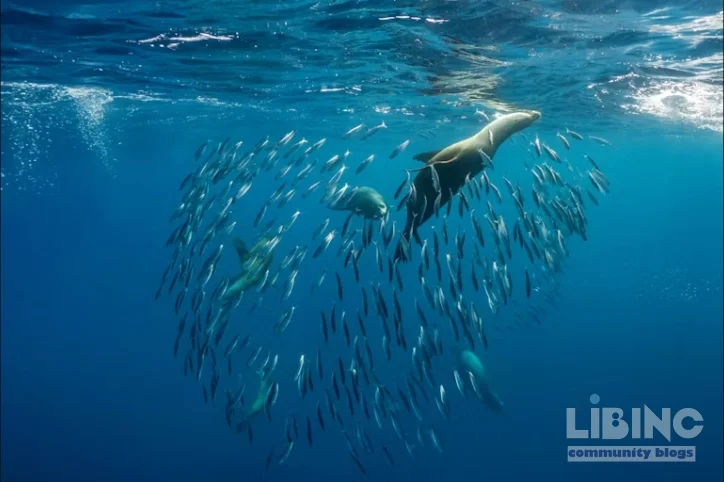
Super El Niño: An Analytical Exploration of Emergence, Impacts, and Global Marine-Fisheries Risk
Amid forecasts that a super El Niño could emerge by year-end, the risk is not a distant meteorology forecast but a looming climate stressor. A super El Niño is defined by tropical Pacific sea surface temperatures rising more than 2°C, driving a heat transfer from ocean to atmosphere that tends to elevate global temperatures toward record highs. Because climate change has already warmed the oceans, a super El Niño would likely push the planet toward some of its hottest months in recorded history. The U.S. National Oceanic and Atmospheric Administration notes that El Niño conditions have already begun this year; while natural in origin, its intensity and frequency are being amplified by warming. This analysis traces how such an event would ripple through marine ecosystems and global fisheries, and what stakeholders can expect.
Analytical framing: how a super El Niño emerges and why it matters
The core physics rests on the heat budget of the tropical Pacific. When SST anomalies exceed roughly 2°C, the ocean releases surplus heat to the atmosphere, strengthening the warm phase of the El Niño–Southern Oscillation (ENSO). This is not a mere numerical threshold; it signals a real rearrangement of energy exchange between sea and air that alters precipitation, storm tracks, and surface heat content at planetary scales. In practical terms, a super El Niño amplifies teleconnections that can shape weather patterns from subtropical jet streams to monsoon systems, with cascading consequences for agriculture, energy demand, and disaster preparedness. Importantly, the ENSO system does not operate in isolation; it interacts with regional ocean dynamics, atmospheric feedbacks, and the underlying warming trend that permeates climate states.
The mechanism hinges on ocean-atmosphere coupling and the state of the thermocline in the central and eastern equatorial Pacific. A deeper-than-average thermocline and weakened upwelling lift SSTs further east, reducing nutrient delivery to surface waters. These changes feed back into the biological system, where nutrient scarcity curtails phytoplankton production, the base of the marine food web. From a forecasting perspective, the timing and magnitude of a super El Niño depend on the persistence of warm anomalies, wind patterns that decouple the surface from subsurface heat reservoirs, and the rate at which atmospheric convection organizes across the region. In short, the event is a heat-driven chain reaction with biological and economic payloads.
Even as a natural phenomenon, anthropogenic warming raises the probability of record-shattering outcomes. Warmer oceans reduce the gradient that typically limits extreme ENSO bursts, while higher baseline temperatures shift the entire distribution of possible SST anomalies upward. This combination raises the likelihood that a given El Niño will reach typographies of extreme intensity, with larger regional footprints. The implication is not merely hotter oceans but more intense heat exchange with the atmosphere, stronger global warming signals, and more persistent climate perturbations that stress marine ecosystems and human systems alike. NOAA’s ongoing observations confirm that the system is already in an anomalous state, making a super El Niño scenario more than a theoretical risk.
Forecasting precision remains imperfect, but the signal is consistent: greater ocean warmth, more energetic atmospheric responses, and higher potential for persistent anomalies. The current state of the climate system implies broader uncertainty bands around regional outcomes, yet the core links—heat content, stratification, nutrient dynamics, and trophic cascades—are robust. For decision-makers, the implication is clear: the higher the probability of a super El Niño, the more urgent it becomes to anticipate its effects on fisheries, biodiversity, and coastal communities. This section frames the issue to enable sharper cross-disciplinary discussion about risk management and adaptation.
Key takeaways in analytic terms include: the heat budget drives a strong ENSO response; the depth of nutrient limitation controls the planktonic base of marine food webs; and the combined signal of warming plus intensified ENSO raises exposure to ecological and economic shocks. These factors are interconnected rather than isolated, which means that interventions must be systems-oriented rather than sector-specific. As the climate system evolves, so too must our models, monitoring networks, and governance structures to reflect the higher likelihood of extreme ocean conditions.
Contrasting regional responses to extreme ocean warming
The geographic footprint of a super El Niño is not uniform. Some regions experience sharp declines in productivity and fisheries yields, while others may see more complex shifts in species distributions. In the eastern tropical Pacific, the Humboldt Current—one of the planet’s most productive upwelling systems—gets overwhelmed during El Niño events. Warmer surface waters suppress upwelling of nutrient-rich cold water, eroding the base of the marine food chain and cascading upward through zooplankton, fish, seabirds, and marine mammals. Peru’s anchoveta fishery, historically a linchpin of the world’s largest single-species fishery, bears the brunt when nutrient delivery stalls. The historical record shows how strong El Niño years can bleed into fishing quotas and livelihoods for years thereafter, especially under high fishing pressure that limits stock recovery.
Beyond the equatorial belt, the consequences diverge. Off the California coast, squid landings typically recede during El Niño years as predator-prey dynamics shift and temperature regimes alter habitats. In the Indian Ocean, tuna catches tend to decline when warmth persists and stratification increases, though responses are patchy across spaces and species. This contrast underscores a simple but crucial point: the same climatic driver can produce divergent biological and economic outcomes depending on regional oceanography, species assemblages, and management regimes. Such mosaic responses complicate global coordination but also highlight opportunities for targeted adaptation strategies.
The regional portrait is further colored by habitat sensitivities. Coral reefs around the tropical Pacific, Indian Ocean, and northeastern Australia frequently bleach when heat stress crosses critical thresholds. In the Galapagos, for instance, shifts in water temperature and nutrient availability disrupt algae and coral communities, while mangroves and kelp ecosystems in adjacent regions reflect different degrees of resilience or decline. This heterogeneity matters because it shapes the portfolio of risks facing fisheries, tourism, and coastal protection—factors that feed back into policy and livelihoods.
As stocks migrate in response to changing temperatures, cross-border fish movements intensify competition for space and quotas, occasionally triggering disputes or new forms of resource stress. South China Sea fisheries illustrate how shifting stock baselines can raise political frictions as fleets chase migrating schools into different exclusive economic zones. The contrast across regions emphasizes that mitigation and adaptation cannot be one-size-fits-all: they must be calibrated to local oceanography, governance capacity, and community needs while remaining aligned with global food security objectives.
Another dimension concerns ecosystem services beyond direct fisheries. Warmer oceans fuel harmful algal blooms that can devastate marine mammals and coastal communities through toxins and economic disruption. Along the Pacific coast, mortality events among fur seals and sea lions in the Galapagos and Peru echo a broader risk leitmotif: extreme nutrient limitation, heat stress, and bio-toxin production. In other words, the ecological costs of a super El Niño reverberate through habitats, food webs, and human economies alike, even where direct catch declines are not uniform.
Finally, the spatial heterogeneity of impacts has implications for food security and global markets. If anchoveta quotas are curtailed to safeguard stocks during a super El Niño, the knock-on effects cascade through fishmeal markets that supply roughly half of global aquaculture feed. Record-high prices, such as the US$2,500 per tonne observed during recent closures, ripple through producers, processors, and consumers worldwide. The regional contrasts thus anchor a global narrative: climate extremes alter not only where fish live, but how the world feeds itself and finances its food systems.
Causal webs: from heat buildup to fisheries and biodiversity effects
The chain from ocean heat to trophic disruption is best understood as a layered cause-and-effect sequence. First, elevated SSTs accumulate heat content in the tropical Pacific, intensifying the warm phase of ENSO. Second, the enhanced surface warmth suppresses upwelling and weakens nutrient delivery to the photic zone, reducing phytoplankton productivity. Third, zooplankton populations—central prey for many commercially important fishes—decline as the base of the food web erodes. Fourth, fish stocks with fast turnover, like anchovy, respond quickly to poor forage, prompting declines in catches and, in some regions, leading to management interventions that tightened quotas or halted fishing temporarily. Each link compounds the next, amplifying ecological and economic vulnerabilities.
From a systems perspective, the dynamics are not linear. A small shift in nutrient supply can cascade into disproportionate changes in fish abundances, seabird foraging success, and predator-prey interactions. As stocks adapt by moving toward cooler, more productive waters, competition intensifies with neighboring fleets and across economic zones. The Calibrated response to such movements hinges on governance structures, stock assessments, and the ability to enforce precautionary limits before a stock enters a phase of recovery that could take years. In short, the ecological chain is a web with multiple feedbacks, some of which can accelerate depletion if unmanaged.
The biological consequences extend beyond fisheries. Coral reefs under heat stress bleach and risk mortality, reducing habitat complexity and resilience for a suite of coral-associated organisms. This, in turn, affects species richness and the capacity of ecosystems to absorb shocks from subsequent climate events. The Galapagos and other hotspot regions illustrate how climate-driven stress can provoke lasting changes in community structure, sometimes shifting baselines for decades. The upshot is that a super El Niño poses dual dangers: immediate declines in harvests and longer-term erosion of ecological integrity that supports productivity and biodiversity.
Economic effects unfold through markets, prices, and policy responses. When anchoveta stocks underperform, the world’s largest single-species fishery adjusts through reduced quotas and temporary closures, which can reverberate through the global fishmeal market. The price signal at the dock does not simply reflect scarcity; it shapes farming economics, feed costs, and the viability of small- and medium-scale operators who rely on stable input costs. The sequencing from heat to harvest to market underscores how climate extremes couple with human systems to produce multi-layered risk profiles.
Expert reconstruction: modeling, governance, and adaptation paths
Experts emphasize that anticipating a super El Niño requires integrated observational networks, robust climate models, and flexible governance. A critical priority is improving data assimilation for surface and subsurface ocean heat content, ensuring early detection of anomalies that could foretell a super El Niño. Early warning systems, including satellite SST monitoring and in-situ ocean sensors, enable proactive decision-making for fisheries and coastal communities. The objective is not to forecast a single outcome but to delineate a spectrum of plausible futures and to align management with those contingencies.
From a governance perspective, adaptive management under an ENSO-extreme regime demands precautionary quotas, stock-specific triggers, and cross-border cooperation. Fisheries agencies must prepare contingency plans for rapid reduced fishing effort, gear restrictions, and temporary closures when ecological indicators deteriorate. Price volatility in fishmeal highlights the importance of strategic reserves, diversified feedstocks for aquaculture, and research into alternative protein sources that reduce exposure to sudden supply shocks. The expert consensus is clear: resilience hinges on flexibility, transparent communication, and credible science-based policies that can scale with the intensity of ocean warming.
Innovation in forecasting should be coupled with scenario planning that embeds social and economic dimensions. For example, diversifying vulnerable communities’ livelihoods, investing in ecosystem-based management, and accelerating breeding and feed innovation in aquaculture can dampen the impact of extreme ENSO events. At the policy level, a precautionary, equity-oriented approach—one that accounts for small-scale fishers and food security—can improve outcomes when the climate system behaves in ways that are hard to predict with precision. In sum, a proactive, integrated strategy offers the best route to reducing both ecological and economic losses during a super El Niño.
The synthesis from these expert threads is pragmatic: while the exact trajectory of a super El Niño remains uncertain, the vulnerabilities it exposes are real and solvable through coordinated action. The central planning question is whether institutions can translate growing knowledge into timely, adaptive responses that protect ecosystems, stabilize markets, and safeguard coastal communities. If they can, the ocean’s next extreme event need not be a catastrophe for fisheries or biodiversity, but a stress test that catalyzes durable improvements in resilience across scales.
As the climate system evolves, the path forward should emphasize monitoring, modeling, and governance choices that reduce systemic risk. The case of a potential super El Niño shows that the stakes extend beyond the Pacific: global food security, commodity markets, and the livelihoods of billions depend on how societies anticipate and adapt to changing ocean conditions. The opportunity lies in turning scientific insight into policy agility, so that when heat budgets tilt toward extremes, the world is prepared rather than surprised.
Coordinated action that couples science with social protection, market resilience, and ecosystem stewardship will be essential. The evolving ENSO regime will demand iterative updates to management plans, ongoing capacity-building in affected regions, and sustained investment in research and monitoring. If these elements align, the global community can reduce the severity of ecological and economic shocks and preserve the integrity of key fisheries and habitats through a period of heightened climatic volatility.
Ultimately, the fate of the world’s major fisheries in a super El Niño year is not a foregone conclusion. It rests on choices made now about observation, governance, and adaptive response. The science points to a plausible, high-impact scenario, but human systems have the levers to soften the blow. The question becomes one of policy design and political will—whether societies mobilize the necessary resources to sustain both ocean health and human well-being when the sea tests the limits of resilience.
As a closing thought, the ocean’s response to a super El Niño will be a litmus test for how humanity negotiates climate risk: with humility toward natural variability, resolve in governance, and creativity in economic adaptation. In the limit, the event could be a catalyst for stronger stewardship of marine ecosystems that sustains global food systems in a warming world.
Operational pathways for resilient fisheries under extreme ENSO
Beyond forecast models, the most actionable steps come from aligning governance, markets, and local knowledge to protect stocks and communities when heat extremes intensify. A practical blueprint is region-specific and action-first: triggers tied to ocean heat content, adaptive quotas, gear restrictions, and social protection that cushions vulnerable households. The following example table and scenario notes translate theory into executable options for policymakers and operators.
| Region | Trigger | Action | Stakeholders | Timeframe | Outcome |
|---|---|---|---|---|---|
| Eastern Pacific — Peru anchoveta | SST anomalies > +2°C sustained 2+ months | Quota adjustment -20%; temporary closures in high-risk zones; gear restrictions | Fisheries agencies, operators, small-scale cooperatives | 2–6 weeks | Stock protection, price stabilization, reduced volatility |
| California coast — squid & pelagic species | Downscaled upwelling index for 6+ weeks | Adaptive harvesting windows; bycatch safeguards; selective gear | State agencies, processors, fleets | 1–3 weeks | Maintained flow with reduced ecological stress |
| Indian Ocean — tuna fisheries | Increased temperature and stratification | Seasonal restrictions; cross-border quotas; market hedging | Fleets, regional authorities, insurance/finance partners | 1–2 months | Sustained catches with risk-adjusted pricing |
| Galápagos & reef systems | Coral bleaching indicators | Targeted gear moratoria in sensitive zones; biodiversity safeguards | Conservation agencies, local communities | weeks to months | Ecological resilience preserved, slower declines in dependent fisheries |
The following practical notes illustrate how these actions link to resilience. They emphasize precaution, stakeholder inclusion, and transparent triggers so decisions are timely and defensible when signals shift rapidly.
Those signals include coordinated quota policies, diversified livelihoods for coastal households, and updated stock assessments that incorporate climate-linked uncertainty. By coupling financial hedges with adaptive management, regions can maintain harvests where possible while safeguarding ecological baselines. The approach centers on equity for small-scale fishers, robust data sharing, and cross-border cooperation to prevent overfishing as stocks migrate.
To embed resilience, regions must pair governance with finance and knowledge in a continuous loop. For example, Peru could pair an adaptive quota framework with micro-finance for alternative income during closures; California could deploy seasonal scheduling that reduces bycatch and maintains processing capacity; the Indian Ocean could use dynamic transboundary quotas paired with price hedges to dampen market shocks. These actions reflect a practical translation of science into policy that protects people and ecosystems alike.
Figure: schematic link from ocean heat to fishery yields under ENSO extremes (blue = heat/content; orange = yields/market signals).
Beyond planning, the structure needs ongoing monitoring and governance flexibility. This ensures decisions remain appropriate as conditions evolve and data streams improve. The essence is to move from reactive responses to anticipatory, coordinated actions that protect ecological integrity and economic stability across regions.
What defines a super El Niño and why is it relevant to fisheries?
The core idea is a prolonged period when tropical Pacific sea surface temperatures stay markedly above average, typically exceeding about +2°C for several months. This warmth intensifies atmospheric convection and shifts weather patterns worldwide, which in turn disrupts nutrient delivery in key upwelling zones and alters predator–prey dynamics in marine ecosystems. For fisheries, these changes can reduce growth rates, shift stock distributions, and heighten price volatility—hitting both large fleets and small-scale fishers. The ripple effects extend to processing, feed markets, and food security, making proactive planning essential for resilience.
Analytically, the link between ocean heat and harvest outcomes depends on upwelling strength, nutrient cycling, and stock mobility. The more persistent and widespread the heat signal, the higher the risk of reduced catches in important fisheries and increased volatility in prices and livelihoods.
How does ocean warming affect nutrient upwelling and the base of the food web?
Warm surface temperatures reduce the vertical movement of deep, nutrient-rich water toward the surface in coastal upwelling zones. This slows phytoplankton growth, which sits at the base of the marine food web and supports everything from small crustaceans to commercially important fish. With less food available, zooplankton declines cascade upward, reducing forage for fish and seabirds. The result can be lower catches, higher costs, and shifts in species composition that require adaptive management and potential changes in fishing practices to maintain supply chains.
Regionally, the intensity of these effects depends on local oceanography, species assemblages, and management regimes that either constrain or enable stock mobility in response to warming.
Which regions are most at risk and why?
The eastern Pacific (Peru–Chile) often experiences the strongest disruptions due to the prominent upwelling system, which is highly sensitive to SST anomalies. The California current system can see reduced squid landings as temperatures rise and habitats shift. The Indian Ocean’s tuna stocks face changes in distribution and timing of migrations, challenging cross-border governance. Coral reef regions, including the Galápagos and northeastern Australia, face bleaching risks that compound stock declines with habitat loss. These patterns reflect a mosaic of vulnerabilities shaped by local ocean physics and governance capacity, underscoring the need for region-specific responses.
What governance tools can reduce the severity of effects on fisheries?
Key tools include adaptive harvest strategies with explicit triggers, precautionary quotas, and cross-border collaboration to prevent overfishing when stocks migrate. Transparent data sharing and regular stock assessments that incorporate climate variability improve decision quality. Social protection, diversification of livelihoods, and contingency funding for fishers reduce the social cost of climate-driven disruptions. Finally, investment in early warning systems and flexible gear rules enhances preparedness and rapid response during extreme ENSO events.
How can communities build resilience and adapt to shifting stocks?
Resilience stems from diversified income, strong local institutions, and access to finance that can weather short-term shocks. Community-based co-management, value-added processing, and alternate aquaculture inputs bolster economic stability. Training and information-sharing platforms help fishers understand signals and respond with timely, appropriate actions. Building resilience also requires ensuring equitable access to harvest opportunities, particularly for small-scale fishers who are most exposed to volatility.
What are practical actions for markets and feeds to dampen shocks?
Market strategies include price hedging, diversified supply chains, and strategic stock reserves to smooth periods of scarcity. In aquaculture, diversifying feeds with alternative proteins (e.g., plant-based or insect-based ingredients) reduces feed cost volatility when fishmeal prices surge. Financial instruments and insurance products tailored to fisheries can help operators absorb losses, while policy incentives can encourage R&D in resilient farming and fishing practices.





Add a comment
To comment, you need to register and authorize
Comments
Beyond the ecology, the article rightly emphasizes governance and adaptation, but a practical discussion could explore how to synchronize cross sectoral forecasting with fisheries management. If a super El Niño is anticipated, what timing is optimal for implementing precautionary quotas, gear restrictions, or temporary closures, given the lag between ecological signals and market responses? How could management frameworks incorporate rapid risk signaling that triggers pre agreed actions while maintaining fisher legitimacy and food security? A systemic framing also invites consideration of data gaps, particularly in developing regions where monitoring networks are thin. What collaborative funding mechanisms, regional data hubs, or open access platforms would best accelerate the sharing of ocean heat and productivity data, enabling more resilient decisions in the face of uncertainty? Finally, the human component deserves foregrounding: even if we can forecast ecological shifts, translating forecasts into community level adaptation involves communication, trust, and equity. How can scientists, managers, and local fishers co create contingency plans that protect livelihoods without sacrificing ecological integrity? The conversation should move from what could happen to what we will do when it begins to unfold, and how we measure success in a world where extremes are becoming more routine.