

The Best Time to Water Tomato Plants: An Analytical Guide to Morning Watering
Table of contents
- Lead
- Analytical frame: the science behind timing
- Contrast: morning vs mid-day vs evening
- Cause-and-effect: moisture, disease, and physiology
- Expert reconstruction: practical schedule and common mistakes
- Conclusion
Tomato plants demand ample water, but not all watering times yield the same outcomes. The central question for serious gardeners is simple: what is the best time to water tomato plants to maximize root hydration while minimizing disease risk? The stakes are high. Water at the wrong time can invite blight, blossom-end rot, and inconsistent fruit growth, undermining both yield and longevity of the crop.
The material that follows treats timing as a parameter with concrete consequences. Early-morning watering emerges as the most reliable way to balance soil moisture, leaf dryness, and pathogen suppression. Yet practical schedules must acknowledge weather, soil type, and plant size. The aim is a replicable routine that keeps the root zone moist without saturating foliage.
In this analysis, experts offer a synthesis: water deeply when the top inch of soil is dry, prioritize soil contact over foliar wetting, and adjust for heat waves. When morning, not evening, watering is possible, it reduces the likelihood of blight and other diseases that thrive in warm, wet nights. The result is healthier plants, fewer splits, and steadier fruit development.
Analytical frame: the science behind timing
The key to understanding watering timing lies in how water moves through the soil and how plants use it. Water must reach the root zone before heat drives excessive evaporation, yet leave foliage dry enough to resist leaf-borne infections. The phrase best time to water tomato plants becomes an operational rule when viewed through soil physics and plant physiology.
The top inch of soil serves as a moisture indicator. When it dries, root hairs are primed to extract water, and the plant can demand water without creating surface puddles that linger at night. Early-morning watering minimizes daytime evaporative loss and ensures the root zone remains hydrated as temperatures rise, which in turn supports steady transpiration and nutrient transport.
Experts emphasize a deep, infrequent approach rather than shallow, frequent soaking. A deeper soak encourages deeper root growth and better drought resilience. The logic is straightforward: deeper roots access moisture stored deeper in the soil profile, reducing the plant’s reliance on surface moisture during hot spells.
A well-timed watering regime also interacts with disease pressure. Blight, which thrives when foliage stays wet into warm nights, is mitigated by keeping leaves dry. The same principle applies to blossom-end rot and fruit splitting, which relate to inconsistent soil moisture and rapid shifts in the plant’s water status. Water timing is therefore a cornerstone of integrated tomato health, not a standalone habit.
In practical terms, the recommended weekly water target for many tomato setups is about one inch of water, counting rainfall and supplemental irrigation. Raised beds and containers typically require more frequent attention because these configurations drain quickly and lose moisture faster. This quantitative target must be adjusted for climate, soil type, and plant vigor.
Contrast: morning vs mid-day vs evening
The comparison among timing choices reveals clear trade-offs. Morning watering represents a balance between sufficient root hydration and informed foliar drying before nightfall. Mid-day watering risks substantial evaporation, which can waste water and slightly reduce root uptake efficiency, especially in hot climates.
- Morning watering maximizes root-zone hydration while allowing leaves to dry before dusk. This reduces disease pressure and supports steady fruit development.
- Mid-day watering can be effective for hydration, but it wastes water through evaporation and creates stress during peak heat. In very dry conditions, midday watering may be necessary as a supplement, but it should not replace morning timing.
- Evening watering severely increases disease risk. Leaves and fruit stay damp through the night, creating an environment favorable to blight and related pathogens. This is the timing gardeners should avoid whenever possible.
A practical takeaway is this: if a morning watering is missed, a midday watering is preferable to evening watering, because it preserves root hydration while minimizing leaf wetness during the vulnerable night period. This nuance matters for long-season tomato varieties that fruit during hot, humid summers.
The real-world implication is that timing is a low-cost, high-impact lever. The difference between a robust harvest and a compromised one often traces back to how reliably a gardener adheres to an early-morning routine during key fruit development phases.
Cause-and-effect: moisture, disease, and physiology
The timing of watering triggers a cascade of cause-and-effect relationships in the tomato plant and its microenvironment. When moisture is delivered early, roots access water when plant demand is rising with temperature. This alignment reduces water stress and supports steady photosynthetic activity without pushing the canopy toward lingering humidity.
Conversely, evening watering creates a lingering leaf wetness period during warmer nights. This condition promotes the development and spread of blight pathogens, which exploit moisture and warmth after sunset. Even modest delays in watering can alter leaf surface moisture duration enough to shift disease risk curves significantly.
Soil moisture management thus becomes a game of timing and depth. The goal is to maintain a consistent moisture profile in the root zone, not a fluctuating pattern of soggy and dry pockets. Deep soaking once a week, combined with lighter periodic watering as the topsoil dries, typically yields the most stable plant performance.
Plant physiology reinforces this approach. Adequate early moisture supports steady cell expansion in developing fruit, reduces fruit cracking risk, and stabilizes nitrogen and potassium transport to growing tissues. When irrigation timing aligns with plant water use, indeterminate varieties can sustain growth across hot spells without water-induced stress signals.
In practice, gardeners observe that raised beds, containers, and densely planted plots require more precise timing and slightly higher weekly totals. The root-to-shoot balance shifts as soil dries, and misalignment between water input and plant demand becomes visible in leaf curling, marginal scorch, or blossom drop. Timing helps prevent these symptoms by smoothing the plant’s water budget.
Expert reconstruction: practical schedule and common mistakes
The practical schedule emerges from the synthesis of expert experience. Tony O Neill, author of Simplify Gardening, recommends watering your tomatoes as early in the morning as possible, preferably before 10 am. He emphasizes that morning watering is a simple, repeatable rule that pays dividends during hot, dry days when evaporation is likely to spike. The emphasis is on consistency and soil contact rather than leaf wetness.
Barbara Bailey, who coordinates Master Gardener activities in Virginia, reinforces the idea that timing matters most during fruit development. Her guidance centers on delivering water to the soil with a direct approach—watering can or hose wand aimed at the soil and avoiding the foliage. Her experience highlights that the root zone’s moisture status is what ultimately governs tomato health.
A robust weekly plan begins with a soil test-like habit: monitor the top inch of soil with a finger test. If it feels dry, it's time to water. If it still feels damp, hold off. This simple check helps gardeners calibrate to local conditions rather than rely solely on calendar-based schedules.
A practical schedule tailored to typical home gardens looks like this:
- Timing: Water early in the morning, ideally before 10 am, to minimize evaporation and allow foliage to dry before night.
- Depth: Water deeply to wet the top 6–12 inches of soil, encouraging deep roots and drought resilience.
- Frequency: Target about one inch of water per week, adjusting for rainfall and container or raised-bed drainage.
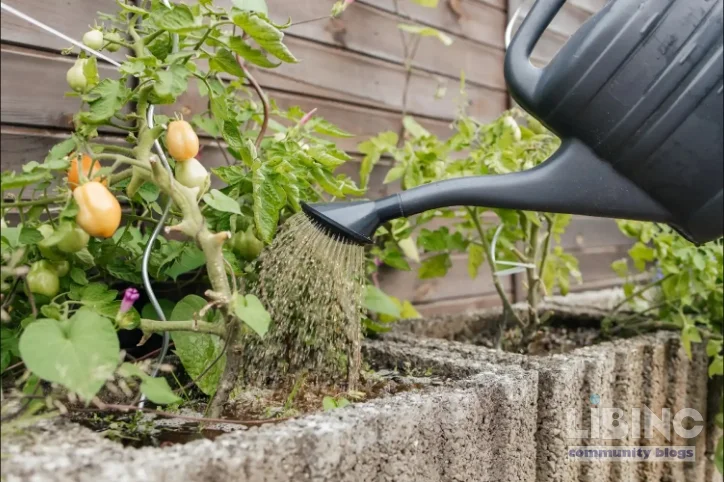
- Method: Direct water to the soil with a watering can or hose wand; avoid wetting leaves to lower disease risk.
- When plans slip: If you miss the morning window, opt for midday watering rather than evening to protect the plant from night-time disease risk.
Common mistakes to avoid include watering in the evening, shallow daily watering, and inconsistent water delivery across the root zone. Each of these mistakes disrupts the soil moisture profile and invites stress responses in the plant. The practical reward for avoiding them is a more stable growth trajectory and reduced disease pressure.
The overarching message from experts is clear: if you want thriving tomatoes, commit to a disciplined morning routine, respect soil moisture as a living parameter, and adjust for local climate variations. The best time to water tomato plants is a concrete habit with measurable benefits for root health, disease resistance, and fruit quality.
Conclusion
In tomato culture, timing is a critical determinant of health and yield. Early-morning watering consistently reconciles the plant’s water needs with disease prevention and water-use efficiency. When morning watering is not possible, a midday session is a better substitute than evening irrigation, which raises the risk of blight and other moisture-driven diseases.
The robust practice blends a few simple checks with a reliable routine: test the soil top inch, water deeply, and deliver moisture to the soil rather than the foliage. This approach supports deep root growth, steady fruit development, and resilience during heat waves. Taken together, the recommended schedule is not merely a guideline but a practical framework for healthier, longer-lived tomato plants.
Practical integration: irrigation methods and moisture management
While timing sets the stage, how water is delivered and how moisture is tracked complete the picture. A garden can thrive on an early morning rule only if the method minimizes leaf wetness and keeps the root zone evenly moist. Below are practical configurations and checks that work in most home plots.
| Setup | Watering method | Target depth | Frequency |
|---|---|---|---|
| Raised bed | Drip hose to soil | 6–12 in | 1–2x/wk, adjust for heat |
| Container | Drip or soaker | 6–8 in | 2–3x/wk in hot weather |
| In-ground bed | Drip or emitter line | 6–12 in | 1x–2x/wk, rain-adjusted |
The aim is to deliver a deep soak that wets the top 6–12 inches, with minimal leaf wetness. Drip irrigation shines here because it places water at the root zone with little evaporation losses and little splash to foliage, supporting uniform soil moisture and reducing disease risk.
To support this approach, combine mulch and soil moisture monitoring. A 2–3 inch layer of organic mulch reduces evaporation, moderates soil temperature, and helps roots explore deeper soil. If you use a moisture gauge or a simple finger test, aim for consistently damp topsoil when you probe, not a dry crust or a soaking pool.
Weather and soil type demand practical adjustments. Sandy soils drain quickly and benefit from more frequent, lighter irrigation; clay soils hold moisture longer and may require less frequent deep soaks. After heavy rain, skip the next scheduled watering and check soil moisture again to avoid waterlogging. In hot spells, slightly increase frequency but maintain a thorough soak to preserve root vigor.
- Check top inch soil moisture
- Choose method to target the root zone
- Water deeply to 6–12 inches
- Avoid foliage wetting
- Adjust for rainfall and temperature
What is the best time to water tomato plants?
Best practice is to water tomatoes in the early morning, from about 5 to 9 am, so the root zone gains moisture as heat rises, leaves have time to dry before night, and disease pressure is minimized, while a deep, thorough soak helps develop deeper roots, reduces rapid fluctuations in soil moisture, and supports steady nutrient transport to growing fruits, especially during heat waves; this timing also aligns with cooler dew periods and makes irrigation more efficient overall.
Morning watering reduces leaf wetness duration, lowers nighttime disease risk, and helps fruit set and ripening stay consistent. If mornings are impossible, a midday application is acceptable as a compromise, but avoid evening water to minimize lingering leaf moisture at night.
How deep should you water tomato plants?
Water deeply to wet the top 6–12 inches of soil so roots grow deeper in search of moisture; shallow, frequent watering trains roots near the surface and increases drought vulnerability. In raised beds or containers, a deeper soak with less frequent cycles yields a more resilient plant; in heavier clay soils, you may need longer intervals between waterings but ensure the root zone still reaches 6–12 inches.
Deep watering encourages stable nutrient transport and reduces fruit cracking caused by rapid moisture fluctuations. Use a soil moisture check after watering to confirm the target depth is moist and not waterlogged.
How should I adjust watering after rainfall?
The simplest rule is to rely on soil moisture rather than a fixed calendar. After substantial rain, test the top inch; if it is damp, skip the next scheduled watering. If the soil dries quickly after rain, a light, short watering can help even out the moisture without over-wetting the root zone. Rain events reduce the total irrigation need for the week, which helps conserve water and lowers disease risk from prolonged leaf wetness.
Containers often drain faster; if a significant rainfall occurs, check the potting mix and adjust to prevent soggy conditions that can suffocate roots.
Are containers harder to water than raised beds?
Containers usually require more attentive watering because they dry out faster, especially in hot, sunny locations. Use drip or soaker systems that deliver water directly to the soil, not the foliage, and adjust frequency based on daily weather and the plant’s growth stage. A weekly moisture check helps prevent both drought stress and overwatering.
In raised beds, drainage is generally better than in containers, but soil structure and mulch continue to influence how often you water. A consistent morning schedule paired with a soil-focused watering method often yields the most reliable results.
What are signs of improper watering?
Under-watering shows as leaf curling, dry soil at the top, and slowed growth; over-watering appears as yellowing leaves, soggy patches, and blossom-end issues due to root oxygen deprivation. Blossom-end rot often follows inconsistent moisture between irrigation events, not a single over-water event. The best remedy is to keep a steady moisture budget across the root zone with a deep, infrequent watering routine and a soil check before each session.
For a quick diagnostic, probe the top 2–3 inches; if it’s dry, water; if it’s wet, wait. Regular monitoring helps you catch stress signs before they affect fruit yield.





Add a comment
To comment, you need to register and authorize
Comments